What Is Gum Disease?
Gum disease is a common but serious oral health condition that affects the gums and supporting structures of the teeth. It begins with mild inflammation and can progress to severe infection, potentially leading to tooth loss if left untreated.
The early stage of gum disease is called gingivitis, while the advanced stage is known as periodontal disease.
Gingivitis is reversible with proper oral care, while more advanced disease may require professional treatment.
What Causes Gum Disease?
Gum disease is primarily caused by plaque buildup — a sticky film of bacteria that forms on teeth.
Common contributing factors include:
Poor oral hygiene
Smoking and tobacco use
Diabetes and systemic health conditions
Hormonal changes (pregnancy, menopause)
Genetics
Certain medications
Dry mouth (reduced saliva flow)
If plaque is not removed regularly, it hardens into tartar, which can only be removed by a dental professional.
Stages of Gum Disease
1. Gingivitis (Early Stage)
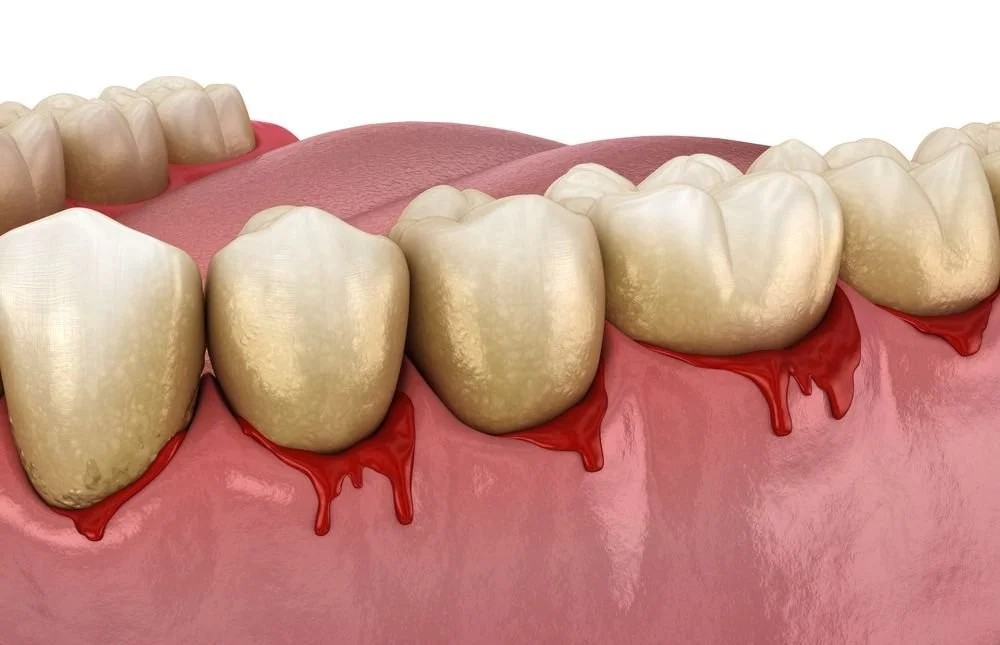
At this stage, gums become inflamed due to plaque buildup.
Symptoms include:
Red or swollen gums
Bleeding when brushing or flossing
Mild gum sensitivity
Good oral hygiene and professional cleaning can often reverse this stage.
2. Periodontitis (Advanced Stage)
If untreated, gingivitis can progress into more serious infection.
Periodontal Disease involves destruction of gum tissue and jawbone.
Symptoms include:
Receding gums
Loose teeth
Persistent bad breath
Gum pockets forming around teeth
Pain when chewing
This stage requires professional dental treatment to prevent tooth loss.
Symptoms of Gum Disease
Early detection is important. Common signs include:
Bleeding gums
Swollen or tender gums
Bad breath (halitosis)
Gum recession
Loose or shifting teeth
Pain while chewing
Changes in bite alignment
Many patients do not experience pain in early stages, which is why regular dental check-ups are essential.
How Gum Disease Is Treated
Treatment depends on severity.
Professional Cleaning
Removal of plaque and tartar above and below the gum line.
Deep Cleaning (Scaling & Root Planing)
Smooths tooth roots to help gums reattach.
Medications
Antibacterial rinses or local antibiotics may be used in some cases.
Surgical Treatment
In advanced cases, procedures may be required to:
Reduce gum pockets
Regenerate lost bone
Restore gum health
Can Gum Disease Be Reversed?
Gingivitis: Yes, usually reversible with good oral hygiene and professional cleaning
Periodontitis: Not fully reversible, but can be managed and controlled
Early treatment is key to preventing permanent damage.
Risk Factors for Gum Disease
You are more likely to develop gum disease if you:
Smoke or use tobacco
Have poor oral hygiene habits
Have diabetes
Experience high stress levels
Have a family history of gum disease
Do not visit the dentist regularly
How to Prevent Gum Disease
Prevention is the most effective approach.
Daily Oral Care
Brush twice daily with fluoride toothpaste
Floss or use interdental brushes daily
Use antibacterial mouthwash if recommended
Regular Dental Visits
Professional cleanings help remove hardened plaque and detect early signs.
Healthy Lifestyle
Quit smoking
Maintain a balanced diet
Control blood sugar levels if diabetic
Gum Disease and Overall Health
Gum disease is linked to overall health conditions, including:
Heart disease
Diabetes complications
Respiratory conditions
Pregnancy complications
This makes gum health an important part of overall wellbeing.
Frequently Asked Questions
Is gum disease common?
Yes, it is one of the most common oral health conditions worldwide.
Can gum disease cause tooth loss?
Yes, advanced periodontal disease can lead to tooth loss if untreated.
Does gum disease hurt?
Early stages are often painless, which is why it can go unnoticed.
How long does treatment take?
It depends on severity, ranging from a single cleaning session to ongoing periodontal therapy.
Conclusion
Gum disease is a progressive condition that can range from mild inflammation to severe infection affecting teeth and bone. Early detection and treatment are essential to prevent long-term damage and tooth loss.
Maintaining good oral hygiene and regular dental visits are the best ways to protect your gums and overall oral health.