
Single Dental Implant vs Dental Bridge: Understanding Your Options
Losing a tooth can affect your appearance, confidence, speech, and ability to chew comfortably. Fortunately, modern dentistry offers effective solutions to replace missing teeth and restore your smile. Two of the most common treatment options are single dental implants and dental bridges.
Understanding the differences between these treatments can help you make an informed decision about your oral health and long-term dental care.
What Is a Single Dental Implant?
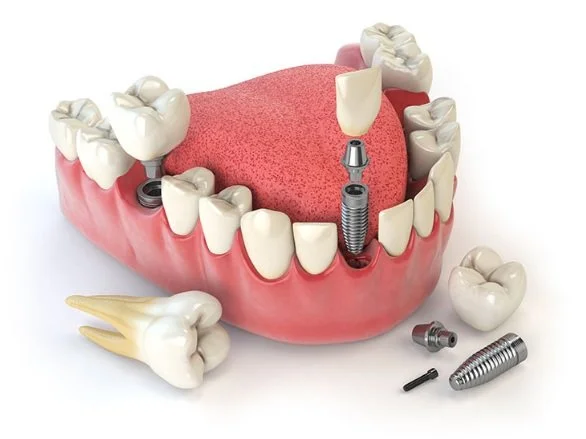
A single dental implant is a permanent tooth replacement solution that consists of three components:
A titanium implant placed into the jawbone
An abutment that connects the implant to the restoration
A custom-made dental crown that resembles a natural tooth
The implant acts as an artificial tooth root, providing stability and helping preserve the surrounding bone.
Benefits of a Single Dental Implant
Preserves Jawbone Health
Dental implants stimulate the jawbone similarly to natural tooth roots, helping reduce bone loss after tooth extraction.
Natural Appearance
Implant-supported crowns are custom-designed to match the shape, colour, and size of surrounding teeth.
Long-Term Durability
With proper care and maintenance, dental implants can last for many years and often decades.
Protects Adjacent Teeth
Unlike a dental bridge, a single implant does not require modification of neighbouring healthy teeth.
Improved Function
Patients can eat, speak, and smile confidently with a stable and secure replacement tooth.
What Is a Dental Bridge?
A dental bridge is a fixed restoration used to replace one or more missing teeth. It consists of an artificial tooth (pontic) supported by crowns attached to the neighbouring teeth.
Dental bridges literally "bridge" the gap left by a missing tooth.
Benefits of a Dental Bridge
Faster Treatment
Dental bridges can often be completed in fewer appointments than dental implant treatment.
Non-Surgical Option
For patients who are not suitable candidates for implant surgery, a dental bridge may provide an effective alternative.
Restores Appearance and Function
Bridges improve chewing ability, speech, and aesthetics by filling the space left by a missing tooth.
Cost-Effective Solution
In some cases, dental bridges may have a lower initial cost compared to dental implants.
Single Dental Implant vs Dental Bridge
Longevity
Dental Implant
Can last decades with proper care
High long-term success rates
Dental Bridge
Typically lasts 10 to 15 years
May eventually require replacement
Impact on Adjacent Teeth
Dental Implant
No effect on neighbouring teeth
Dental Bridge
Requires preparation of adjacent teeth to support the bridge
Bone Preservation
Dental Implant
Helps maintain jawbone density
Dental Bridge
Does not stimulate the jawbone beneath the missing tooth
Treatment Time
Dental Implant
Several months including healing time
Dental Bridge
Usually completed more quickly
Surgical Requirements
Dental Implant
Requires minor oral surgery
Dental Bridge
Non-surgical treatment
Who Is a Good Candidate for a Single Dental Implant?
You may be suitable for a dental implant if you:
Have one missing tooth
Have healthy gums
Possess adequate jawbone density
Are in good overall health
Want a long-term tooth replacement solution
A comprehensive dental assessment is necessary to determine eligibility.
Who May Benefit from a Dental Bridge?
A dental bridge may be recommended if you:
Prefer a non-surgical treatment
Need a faster tooth replacement solution
Have neighbouring teeth requiring crowns
Are not suitable for implant placement
Your dentist can help determine the most appropriate option based on your individual circumstances.
The Importance of Replacing a Missing Tooth
Leaving a gap untreated can lead to:
Shifting of surrounding teeth
Bite problems
Difficulty chewing
Jawbone loss
Increased risk of gum disease
Changes in facial appearance
Replacing a missing tooth promptly can help maintain long-term oral health.
Frequently Asked Questions
Is a dental implant better than a bridge?
Neither option is universally better. The right choice depends on your oral health, treatment goals, bone structure, and budget.
Are dental implants painful?
The procedure is performed under local anaesthesia, and most patients report only mild discomfort during recovery.
How long does a dental bridge last?
With proper care and regular dental check-ups, many dental bridges last between 10 and 15 years or longer.
Which option looks more natural?
Both options can provide highly natural-looking results when designed and placed by an experienced dental professional.
Conclusion
Both single dental implants and dental bridges are effective solutions for replacing missing teeth. Dental implants offer exceptional durability and bone preservation, while dental bridges provide a quicker, non-surgical alternative.
A consultation with an experienced dentist can help determine which treatment is best suited to your oral health needs, lifestyle, and long-term goals.