Workers' Compensation for Dental Injuries at Work
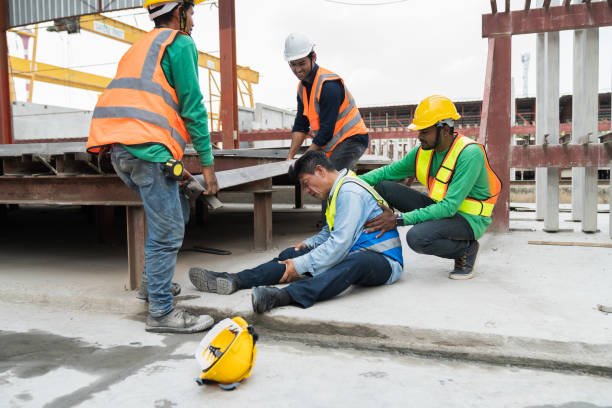
Workplace accidents can happen in any industry, from construction sites and warehouses to offices and retail environments. While many people associate workers' compensation claims with back injuries or fractures, dental injuries are also common and can have significant long-term effects on oral health, appearance, and quality of life.
Understanding your rights and the treatment options available under workers' compensation can help ensure you receive the care you need following a workplace accident.
What Is a Workplace Dental Injury?
A workplace dental injury is any damage to the teeth, gums, jaw, or surrounding oral structures that occurs while performing work-related duties.
Common workplace dental injuries include:
Chipped or fractured teeth
Knocked-out teeth (avulsed teeth)
Cracked teeth
Jaw injuries
Soft tissue injuries to the gums or lips
Dental trauma caused by slips, trips, and falls
Facial injuries involving the mouth and teeth
These injuries can occur suddenly during accidents or as a result of workplace incidents involving equipment, tools, vehicles, or physical impact.
Can Workers' Compensation Cover Dental Treatment?
In many cases, workers' compensation may cover dental treatment if the injury occurred during the course of employment and is directly related to a workplace incident.
Coverage may include:
Emergency dental care
Dental examinations and imaging
Tooth extractions
Root canal treatment
Dental crowns
Dental bridges
Dental implants
Oral surgery
Ongoing rehabilitation and follow-up care
The exact coverage depends on the circumstances of the injury and the applicable workers' compensation legislation.
Common Workplace Accidents That Cause Dental Injuries
Slips, Trips and Falls
Falls remain one of the leading causes of workplace injuries and can result in significant dental trauma.
Struck by Objects
Tools, machinery components, building materials, and falling objects can cause damage to teeth and facial structures.
Vehicle Accidents
Work-related motor vehicle accidents may lead to broken teeth, jaw injuries, and facial trauma.
Sporting and Physical Activities
Employees participating in work-sponsored activities or physically demanding roles may experience accidental dental injuries.
Workplace Violence
Physical altercations or assaults in the workplace can result in serious oral injuries requiring immediate treatment.
What Should You Do After a Dental Injury at Work?
Seek Immediate Treatment
Prompt dental treatment can improve the chances of saving damaged or knocked-out teeth.
Report the Incident
Notify your employer as soon as possible and ensure the incident is documented.
Gather Evidence
Keep records including:
Incident reports
Medical and dental records
X-rays and scans
Photographs of injuries
Treatment plans and invoices
Follow Your Dentist's Recommendations
Completing the recommended treatment plan may be important for both recovery and claim management.
Dental Treatments Commonly Covered by Workers' Compensation
Emergency Dental Care
Immediate treatment may be required to relieve pain, control bleeding, and stabilise damaged teeth.
Dental Crowns
Crowns may be recommended when a tooth has been fractured or weakened following trauma.
Dental Bridges
If a tooth cannot be saved, a dental bridge may be used to restore function and appearance.
Dental Implants
Dental implants are often considered the gold standard for replacing missing teeth after workplace accidents.
Oral Surgery
Severe injuries involving teeth, gums, or jaw structures may require surgical treatment.
Can Workers' Compensation Cover Dental Implants?
In many cases, dental implants may be approved when they are considered a reasonable and necessary treatment for restoring function after a workplace injury.
Factors that may influence approval include:
Severity of the injury
Loss of natural teeth
Long-term treatment needs
Clinical recommendations from dental professionals
Workers' compensation guidelines and regulations
Each case is assessed individually.
Long-Term Effects of Untreated Dental Injuries
Ignoring a workplace dental injury can lead to:
Chronic pain
Infection
Difficulty chewing
Speech issues
Jawbone loss
Further tooth damage
Reduced confidence and self-esteem
Early intervention can often improve treatment outcomes and reduce future complications.
Why Early Assessment Matters
Even minor dental injuries may worsen over time. Cracks, fractures, and trauma to tooth roots are not always immediately visible.
A comprehensive dental assessment allows dentists to:
Identify hidden damage
Develop a treatment plan
Document injuries for workers' compensation claims
Improve long-term treatment outcomes
Frequently Asked Questions
Does workers' compensation cover broken teeth?
In many situations, workers' compensation may cover treatment if the injury occurred during work-related activities.
Can I claim a dental implant after a workplace accident?
If the implant is considered necessary to restore function and replace a tooth lost due to a workplace injury, it may be included as part of the treatment plan.
What if symptoms appear later?
Some dental injuries are not immediately apparent. It is important to seek assessment as soon as symptoms develop and notify the relevant parties.
How long does a workers' compensation dental claim take?
Timeframes vary depending on the injury, required treatment, and claim approval process.
Conclusion
Dental injuries sustained at work can have lasting consequences if left untreated. Workers' compensation may help cover the cost of necessary dental care, including emergency treatment, crowns, bridges, implants, and rehabilitation.
If you have suffered a dental injury at work, seeking prompt professional assessment can help protect both your oral health and your workers' compensation claim while supporting a successful recovery.