Nervous About Visiting the Dentist?
You're not alone. Dental anxiety affects millions of people and is one of the most common reasons individuals delay or avoid dental treatment. Unfortunately, postponing dental care can often lead to more serious oral health problems that require more extensive treatment.
Dental sedation offers a safe and effective solution for patients who experience anxiety, fear, or discomfort during dental procedures. Sedation dentistry can help you feel relaxed, comfortable, and confident about receiving the care you need.
What Is Dental Sedation?
Dental sedation involves the use of medications to help patients relax during dental treatment. Depending on the type of sedation used and the procedure being performed, patients may feel calm, drowsy, or have little memory of the treatment afterward.
Sedation dentistry is carefully administered and monitored by trained dental professionals to ensure your safety and comfort throughout your appointment.
Who Can Benefit From Dental Sedation?
Dental sedation may be suitable for patients who:
Experience dental anxiety or fear
Have had previous traumatic dental experiences
Have a strong gag reflex
Need lengthy or complex dental procedures
Have difficulty sitting still for long periods
Have sensitive teeth or difficulty becoming numb
Avoid dental treatment due to nervousness
Have special needs or certain medical conditions
Require multiple procedures in one appointment
Types of Dental Sedation
Nitrous Oxide Sedation (Happy Gas)
Nitrous oxide, commonly known as "happy gas" or "laughing gas," is inhaled through a small mask placed over the nose.
Benefits:
Helps you feel calm and relaxed
Takes effect quickly
Wears off rapidly after treatment
Allows most patients to drive themselves home
Suitable for both adults and children
Oral Sedation
Oral sedation involves taking prescribed medication before your appointment to help reduce anxiety.
Benefits:
Creates a deeper sense of relaxation
Helps anxious patients feel more comfortable
May reduce memory of the procedure
Suitable for longer treatments
Patients receiving oral sedation generally require someone to drive them home afterward.
Intravenous (IV) Sedation
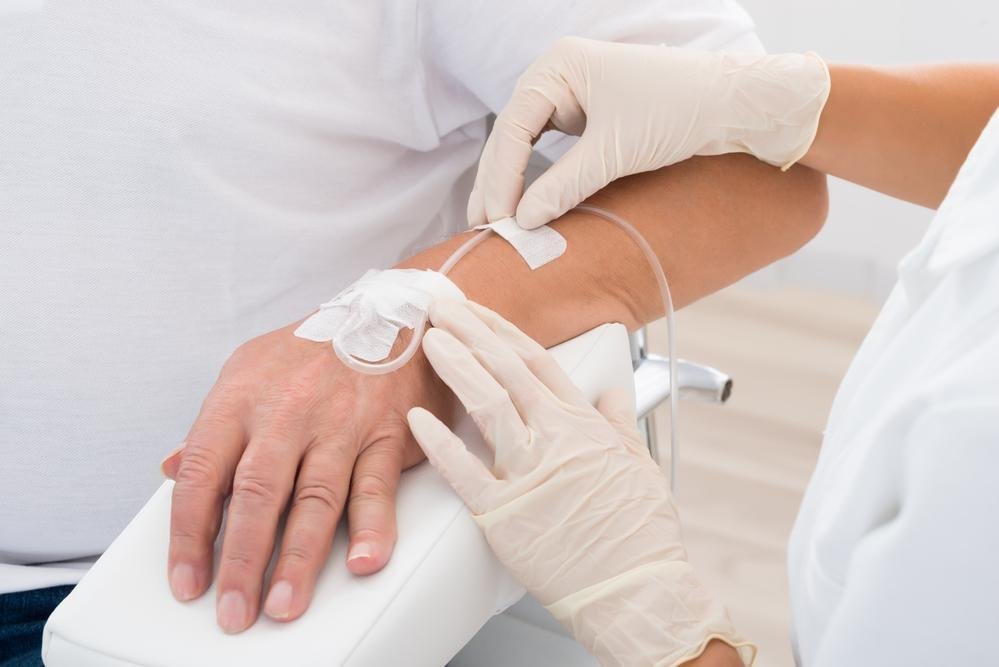
IV sedation is administered through a vein and provides a deeper level of relaxation while still allowing patients to respond to instructions.
Benefits:
Deep state of relaxation
Rapid onset of action
Ideal for complex or lengthy procedures
Often results in little memory of treatment
Excellent option for severe dental anxiety
Patients require an escort home after IV sedation.
What Does Dental Sedation Feel Like?
The experience varies depending on the type of sedation used.
Many patients report feeling:
Relaxed and calm
Sleepy or drowsy
Less aware of sights and sounds
Comfortable during treatment
Little recollection of the procedure afterward
Most people are pleasantly surprised by how easy and stress-free their appointment feels.
Is Dental Sedation Safe?
Yes. Dental sedation is considered safe when administered by appropriately trained dental professionals.
Before recommending sedation, your dentist will review:
Your medical history
Current medications
Allergies
Previous experiences with sedation
Overall health and treatment requirements
Throughout treatment, your vital signs are closely monitored to ensure your safety and comfort.
Procedures Commonly Performed With Dental Sedation
Sedation dentistry can be used for a wide variety of treatments, including:
Dental implants
Wisdom tooth removal
Root canal treatment
Tooth extractions
Multiple fillings
Cosmetic dentistry procedures
Deep cleaning and periodontal treatment
Full-mouth rehabilitation
Benefits of Dental Sedation
Reduces Dental Anxiety
Sedation helps nervous patients feel calm and more in control.
Makes Long Procedures Easier
Complex treatments can often be completed comfortably in fewer visits.
Minimises Gag Reflex
Patients with a strong gag reflex frequently tolerate treatment better with sedation.
Improves Comfort
Sedation can make dental procedures feel significantly more manageable.
Encourages Regular Dental Care
Many patients who previously avoided the dentist are able to receive the treatment they need.
Preparing for Dental Sedation
Depending on the type of sedation you receive, your dentist may provide instructions such as:
Avoid eating or drinking for a specified period
Arrange transportation home
Wear comfortable clothing
Continue or pause certain medications as advised
Follow all pre-operative instructions carefully
Recovery After Dental Sedation
Recovery varies depending on the type of sedation used.
Nitrous oxide generally wears off quickly, while oral and IV sedation may cause drowsiness for several hours.
Following your appointment, you may be advised to:
Rest for the remainder of the day
Avoid driving or operating machinery
Drink plenty of fluids
Follow your dentist's post-treatment instructions
Overcoming Dental Fear Starts With a Conversation
Dental anxiety should never prevent you from receiving the care you need. Modern dental sedation techniques allow patients to undergo treatment comfortably and safely, often transforming their experience at the dentist.
If fear or anxiety has been keeping you from achieving a healthy smile, our team can discuss the sedation options available and create a personalised treatment plan that helps you feel relaxed and confident during your dental visits.