
Can a Tongue Tie Affect Jaw Health?
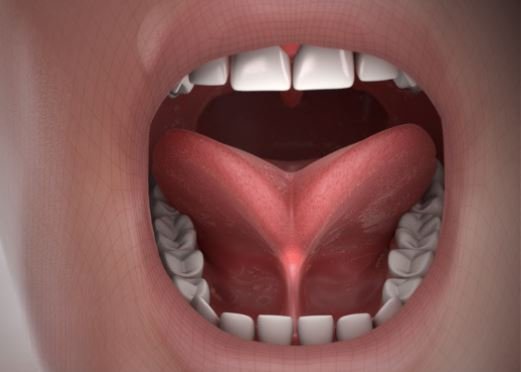
An often overlooked oral condition in adults is tongue tie, medically known as ankyloglossia. While commonly diagnosed in infants, many people reach adulthood without ever realising they have a restricted tongue function.
In recent years, dental and airway-focused practitioners have begun exploring a possible connection between untreated adult tongue tie and temporomandibular joint disorder (TMJ disorder). Although research is still evolving, clinical observations suggest that restricted tongue movement may contribute to compensatory patterns in the jaw, face, and neck muscles.
Understanding this potential relationship is important for patients experiencing chronic jaw pain, headaches, or muscle tension that has not responded to conventional TMJ treatments.
What Is Adult Tongue Tie (Ankyloglossia)?
Ankyloglossia is a condition where the band of tissue connecting the tongue to the floor of the mouth is shorter, thicker, or tighter than normal. This restriction can limit tongue movement and function.
While often diagnosed in childhood, mild or moderate cases may go unnoticed until adulthood.
Common Signs of Adult Tongue Tie
Difficulty lifting or protruding the tongue
Tightness under the tongue
Speech difficulties or fatigue when speaking
Trouble licking lips or sweeping food from teeth
Restricted tongue range of motion
Jaw or facial tension during speech or chewing
Snoring or breathing difficulties in some cases
Compensatory mouth or neck movements
Many adults are surprised to learn that lifelong tension patterns may be linked to an untreated tongue tie.
Understanding TMJ Disorder
TMJ disorder affects the joints and muscles that control jaw movement. It can cause pain, dysfunction, and a wide range of symptoms affecting daily activities such as eating and speaking.
Common TMJ Symptoms Include:
Jaw pain or tightness
Clicking or popping sounds in the jaw
Headaches or migraines
Ear pain or pressure
Facial muscle fatigue
Jaw locking or limited opening
Teeth grinding and clenching (bruxism)
Neck and shoulder tension
TMJ disorder is often multifactorial, meaning it can be influenced by posture, stress, bite alignment, muscle function, and airway patterns.
The Possible Connection Between Tongue Tie and TMJ Disorder
Although not all cases of TMJ disorder are related to tongue tie, there is a growing clinical interest in how restricted tongue mobility may influence jaw mechanics and muscle balance.
1. Compensatory Jaw Overuse
When the tongue cannot rest properly against the palate or move freely, the jaw and surrounding muscles may compensate. This can lead to:
Increased jaw muscle activity
Overuse of the masseter muscles
Chronic clenching or bruxism patterns
Over time, this may contribute to TMJ strain.
2. Improper Tongue Posture
A healthy tongue posture rests gently against the roof of the mouth. In tongue-tied individuals, the tongue may sit low in the mouth, which can affect:
Jaw alignment at rest
Facial muscle development
Oral airway space
Bite stability
These factors may place additional stress on the temporomandibular joints.
3. Airway and Breathing Influence
Restricted tongue function can sometimes contribute to mouth breathing or altered airway patterns, especially during sleep. This may lead to:
Nighttime clenching
Poor sleep quality
Increased muscle tension
Morning jaw stiffness or headaches
Airway-related strain is increasingly recognised as a contributing factor in TMJ symptoms.
4. Muscle Imbalance in the Face and Neck
The tongue is deeply integrated with muscles of the jaw, neck, and throat. When tongue mobility is restricted, the body may develop compensatory muscle patterns such as:
Tight neck muscles
Forward head posture
Uneven jaw loading
Facial asymmetry over time
These imbalances can place additional stress on the TMJ.
Symptoms That May Suggest Both Conditions Are Present
Patients with both untreated tongue tie and TMJ disorder may experience:
Chronic jaw tension despite treatment
Recurrent teeth grinding or clenching
Neck stiffness alongside jaw pain
Difficulty achieving a relaxed jaw posture
Speech fatigue or tongue restriction sensations
Persistent headaches or facial pain
Limited improvement with night guards alone
If TMJ symptoms persist despite standard treatment, evaluating tongue function may be helpful.
Diagnosis and Assessment
A comprehensive assessment may involve:
Tongue mobility evaluation (range of motion tests)
Oral function and speech assessment
Bite and jaw alignment examination
TMJ joint and muscle palpation
Airway and breathing evaluation
Review of posture and muscle tension patterns
Dentists may also collaborate with myofunctional therapists, ENT specialists, or speech pathologists for a multidisciplinary approach.
Treatment Options
For Tongue Tie
Treatment may include:
Myofunctional therapy (tongue and oral muscle training)
Frenectomy (minor surgical release procedure)
Post-release rehabilitation exercises
For TMJ Disorder
Treatment options may include:
Custom night guards
Physiotherapy and jaw exercises
Stress management strategies
Botox therapy for muscle relaxation
Bite stabilization treatments
In some cases, addressing tongue restriction may improve TMJ-related muscle imbalance, though results vary between individuals.
Why Early Evaluation Matters
Untreated tongue tie and TMJ disorder can both contribute to long-term muscular compensation patterns. Early diagnosis allows for more conservative and effective management, potentially reducing chronic pain and improving oral function.
Takeaway
The relationship between adult tongue tie and TMJ disorder is complex and still being studied, but emerging clinical insights suggest that tongue restriction may contribute to jaw dysfunction in some patients.
If you experience persistent TMJ symptoms that have not improved with standard care, a comprehensive functional assessment—including tongue mobility—may provide additional answers.
A tailored treatment plan can help restore balance to the jaw, tongue, and surrounding muscles, improving both comfort and function.