
Don’t Ignore Tooth Pain — It Could Mean Infection
Severe toothache, sensitivity to hot or cold, or swelling around a tooth can be signs of deep infection. When decay or trauma reaches the inner part of the tooth, called the pulp, a simple filling is no longer enough.
In these cases, root canal treatment becomes essential to save the tooth and prevent the infection from spreading.
What Is Root Canal Treatment?
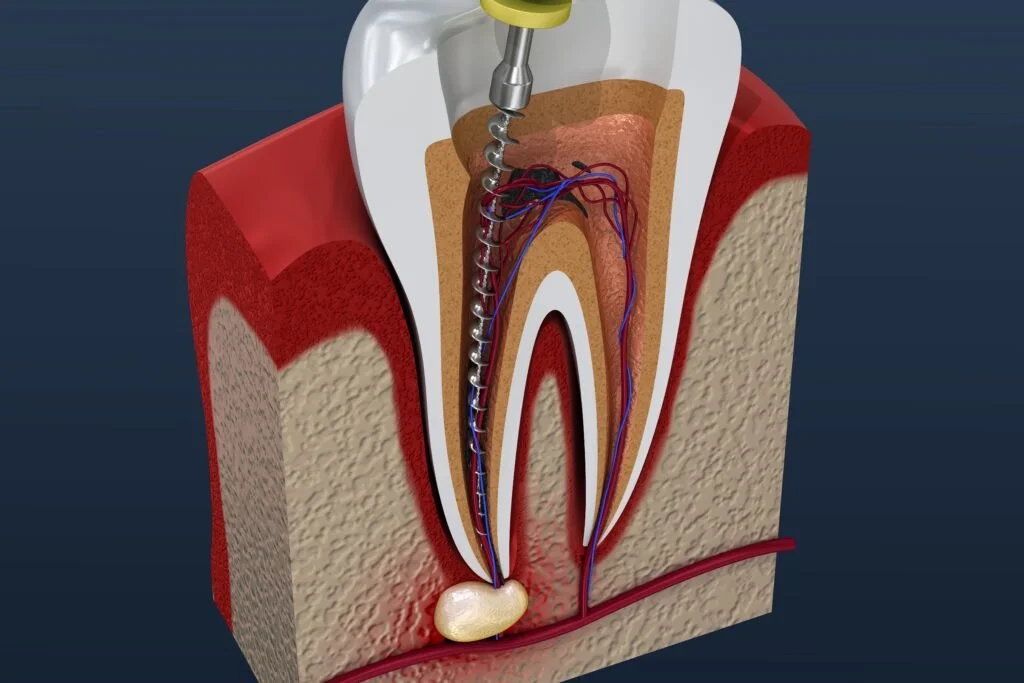
Root canal treatment is a dental procedure used to treat infection or inflammation inside the tooth.
Inside each tooth is a soft tissue called the pulp, which contains nerves and blood vessels. When this becomes infected, it can cause severe pain and lead to tooth loss if untreated.
Root canal treatment involves:
Removing infected pulp
Cleaning and disinfecting the inside of the tooth
Filling and sealing the space
Restoring the tooth with a crown or filling
Why Root Canal Treatment Is Important
1. Saves Your Natural Tooth
The biggest benefit of root canal treatment is that it allows you to keep your natural tooth instead of extracting it.
Preserving natural teeth helps maintain:
Proper chewing function
Natural bite alignment
Jawbone structure
2. Stops Infection from Spreading
Untreated tooth infections can spread beyond the tooth to surrounding tissues and even into the bloodstream.
This may lead to:
Dental abscesses
Facial swelling
Bone loss around the tooth
More serious systemic infections
3. Relieves Severe Tooth Pain
Infected tooth pulp can cause intense, persistent pain.
Root canal treatment removes the infected nerve tissue, which typically provides rapid relief from:
Constant throbbing pain
Sensitivity to temperature
Pain when biting or chewing
4. Prevents Tooth Loss
Without treatment, an infected tooth often becomes too damaged to save and must be removed.
Root canal therapy significantly increases the chances of long-term tooth survival.
5. Restores Normal Function
After treatment and restoration, the tooth can function normally again, allowing you to:
Chew comfortably
Speak clearly
Maintain a natural smile
What Causes the Need for a Root Canal?
A root canal is usually needed when the tooth pulp becomes infected or inflamed due to:
Deep tooth decay
Repeated dental procedures on the same tooth
Cracked or broken teeth
Dental trauma or injury
Untreated cavities
Advanced gum disease affecting the root
One common underlying issue is untreated infection of the tooth nerve, often associated with severe decay or bacterial invasion.
Common Signs You May Need a Root Canal
You should see a dentist if you notice:
Severe tooth pain
Prolonged sensitivity to hot or cold
Pain when biting or chewing
Swollen or tender gums
Darkening or discolouration of a tooth
Pimple-like swelling on the gums
Facial swelling in severe cases
Some patients may not feel pain at all, even when infection is present, which is why regular dental check-ups are important.
Is Root Canal Treatment Painful?
Modern root canal treatment is generally no more uncomfortable than having a filling.
With local anaesthetic and modern techniques, most patients report:
Minimal discomfort during the procedure
Relief from pain afterwards
Quick recovery with mild tenderness
Root Canal vs Tooth Extraction
Root Canal Treatment
Preserves your natural tooth
Maintains jawbone and bite alignment
Restores normal function
Long-lasting solution when properly restored
Tooth Extraction
Removes the infected tooth completely
May require replacement (implant or bridge)
Can lead to bone loss if not replaced
Whenever possible, saving the natural tooth is the preferred option.
What Happens After a Root Canal?
After treatment, the tooth is usually restored with a filling or dental crown to strengthen it.
Proper aftercare includes:
Good oral hygiene (brushing and flossing)
Avoiding hard foods on the treated tooth initially
Regular dental check-ups
Crown placement when recommended
How Long Does a Root Canal Last?
With proper care, a root canal-treated tooth can last many years, often a lifetime. The longevity depends on:
Quality of restoration (especially the crown)
Oral hygiene habits
Regular dental visits
Preventing the Need for a Root Canal
You can reduce your risk by:
Brushing twice daily with fluoride toothpaste
Flossing daily
Attending regular dental check-ups
Treating cavities early
Wearing a mouthguard if you grind your teeth
Avoiding trauma to teeth
Takeaway
Root canal treatment is a highly effective way to save an infected or damaged tooth. It relieves pain, prevents infection from spreading, and restores normal function—helping you keep your natural smile for years to come.
If you're experiencing persistent tooth pain or sensitivity, early diagnosis can make all the difference in saving your tooth.