Why Teeth Grinding Is More Than Just a Dental Habit
Teeth grinding, also known as bruxism, is often dismissed as a minor habit. However, persistent grinding or clenching can be a sign of deeper issues involving stress, sleep quality, muscle function, and jaw joint health.
Over time, untreated bruxism can contribute to temporomandibular joint (TMJ) disorder, chronic facial pain, headaches, and even neck and shoulder muscle aches.
Understanding what teeth grinding is “telling you” about your health can help prevent long-term damage and improve overall wellbeing.
What Is Teeth Grinding (Bruxism)?
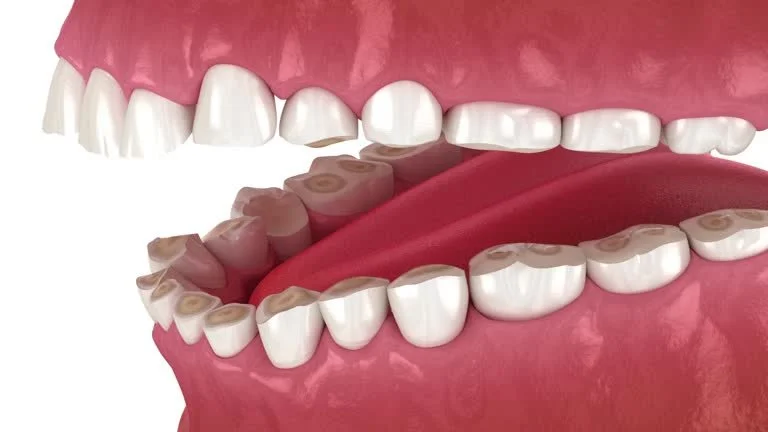
Bruxism is a condition where a person unconsciously clenches or grinds their teeth, often during sleep (sleep bruxism) or periods of stress (awake bruxism).
It places excessive force on the teeth, jaw muscles, and temporomandibular joints.
Common Signs and Symptoms of Teeth Grinding
Many people are unaware they grind their teeth until symptoms appear.
Dental and Jaw Symptoms
Worn, flattened, or chipped teeth
Tooth sensitivity
Jaw pain or tightness
Clicking or popping in the jaw
Limited jaw movement
Tight or tired jaw muscles
Head and Facial Symptoms
Frequent headaches or migraines
Facial muscle soreness
Pain around the temples
Ear pain or pressure (without infection)
Sleep-Related Symptoms
Disrupted sleep or poor sleep quality
Waking with jaw tightness
Partner noticing grinding sounds at night
Morning headaches
What Teeth Grinding Says About Your Health
Teeth grinding is often a symptom of underlying physical or psychological stressors rather than an isolated condition.
1. Stress and Emotional Tension
One of the most common causes of bruxism is stress. Emotional tension can manifest physically through jaw clenching, especially during sleep.
Over time, this constant muscle activation leads to fatigue and pain.
2. Sleep Quality Issues
Bruxism is closely linked to sleep disturbances such as:
Sleep fragmentation
Light or unrefreshing sleep
Possible sleep apnea in some cases
Poor sleep can worsen muscle recovery, leading to chronic fatigue and pain.
3. Jaw Muscle Overload and TMJ Strain
Excessive grinding places continuous pressure on the jaw muscles and joints, which can contribute to TMJ disorder.
This may result in:
Joint inflammation
Muscle tightness
Reduced jaw mobility
Chronic pain patterns
4. Nervous System Hyperactivity
Bruxism is often associated with increased nervous system activity, particularly during stress or anxiety. This can cause the jaw muscles to remain “switched on” even during rest.
The Link Between Teeth Grinding, TMJ Disorder, and Chronic Muscle Aches
1. Overworked Jaw Muscles
The masseter, temporalis, and pterygoid muscles are heavily involved in chewing and clenching. When overused, they can become:
Tight and fatigued
Painful to touch
Prone to spasms
This muscle overload can extend beyond the jaw.
2. Referred Pain Into the Neck and Shoulders
Jaw muscle tension often spreads to nearby muscle groups, leading to:
Neck stiffness
Shoulder tightness
Upper back discomfort
Postural strain
The jaw, neck, and shoulders are part of a connected muscular system, so dysfunction in one area can affect others.
3. TMJ Joint Stress and Inflammation
Continuous grinding places excessive load on the temporomandibular joint, potentially leading to:
Joint inflammation
Disc displacement
Clicking or locking
Chronic TMJ pain
4. Headaches and Facial Pain Cycle
Bruxism can trigger a cycle of muscle tension and headaches:
Grinding tightens jaw muscles
Tight muscles compress surrounding nerves
Pain signals increase tension further
Headaches and facial pain become chronic
Long-Term Effects of Untreated Teeth Grinding
If left untreated, chronic bruxism may lead to:
Severe TMJ disorder
Worn or fractured teeth
Gum recession
Bite changes (malocclusion)
Persistent headaches or migraines
Chronic facial and neck pain
Sleep disruption
Jaw joint degeneration in severe cases
What Causes Teeth Grinding?
Bruxism is usually multifactorial, meaning several factors may contribute:
Stress and anxiety
Sleep disorders (including sleep apnea)
Misaligned bite
Stimulants like caffeine or alcohol
Certain medications
Habitual clenching during focus or concentration
Airway or breathing issues during sleep
Treatment Options for Teeth Grinding and TMJ Symptoms
1. Custom Night Guards
Protects teeth from damage and reduces joint stress during sleep.
2. Stress Management
Techniques such as mindfulness, exercise, and relaxation therapy can reduce clenching triggers.
3. Physiotherapy and Jaw Exercises
Helps restore muscle balance and reduce tension.
4. Botox Therapy for Jaw Muscles
Botox can relax overactive jaw muscles and reduce grinding force.
5. Sleep Assessment
If sleep disorders are suspected, further evaluation may be recommended.
6. Bite and Dental Assessment
A dentist may assess whether bite alignment contributes to grinding patterns.
When to See a Dentist
You should seek professional advice if you experience:
Frequent jaw pain or tightness
Morning headaches
Worn or sensitive teeth
Clicking or locking jaw
Chronic neck and shoulder pain
Signs of night grinding
Early treatment can prevent long-term damage and reduce chronic pain patterns.
Takeaway
Teeth grinding is often more than a dental habit—it can be a sign of stress, sleep disruption, muscle imbalance, or TMJ dysfunction. When left untreated, it may contribute to chronic pain affecting the jaw, face, neck, and shoulders.
Addressing bruxism early can protect your teeth, improve sleep quality, and reduce long-term musculoskeletal strain.
If you're experiencing symptoms of grinding or jaw pain, a comprehensive dental assessment can help identify the cause and guide effective treatment.