Many people finish orthodontic treatment feeling pleased with their new smile. Years later, however, some patients begin to notice symptoms they have never experienced before—such as jaw clicking, jaw pain, facial discomfort, headaches, or difficulty opening their mouth.
For some patients, the symptoms develop gradually. At first, there may only be an occasional click when opening or closing the mouth. Over time, the clicking may become more noticeable, followed by jaw soreness, muscle tension, or persistent discomfort.
This can understandably leave patients asking:
“Why is my jaw clicking now?”
“Why am I experiencing jaw pain when I never had it before?”
“Could my previous orthodontic treatment be relevant?”
These are reasonable questions. However, every patient is different, and jaw symptoms can have multiple contributing factors. A thorough assessment is important before drawing conclusions about the cause.
When Jaw Clicking Appears Years Later
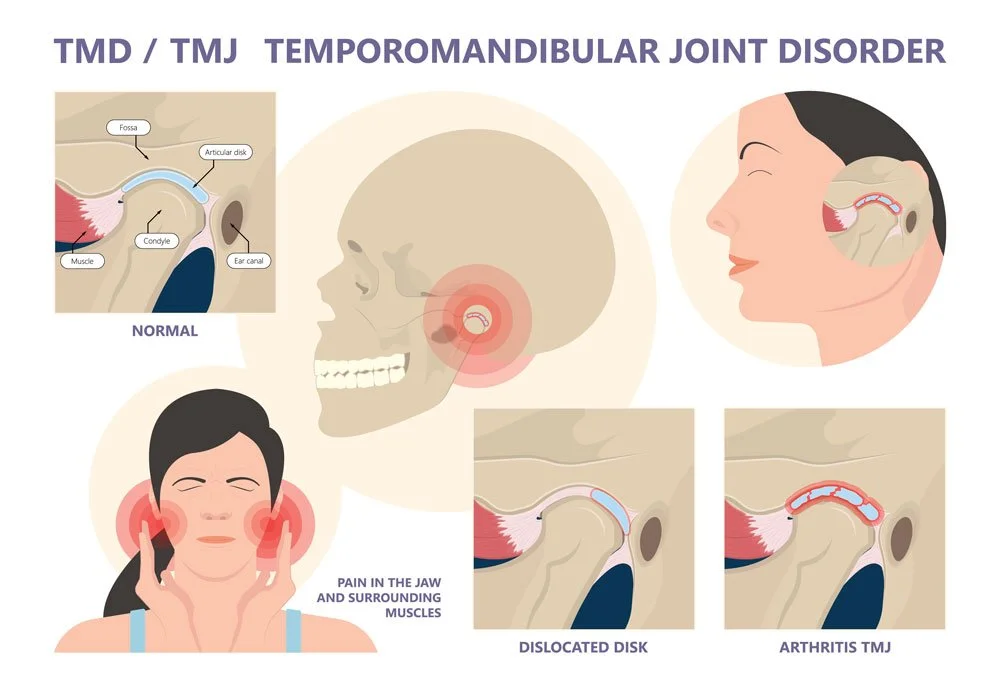
Jaw clicking is one of the most commonly noticed symptoms associated with the temporomandibular joints, also known as the TMJs.
The TMJs are the joints located on either side of the face that allow the jaw to open, close, move forward, and move from side to side. They work together with the jaw muscles, teeth, ligaments, and surrounding structures.
Some patients notice clicking when:
Opening or closing their mouth
Chewing
Yawning
Eating harder foods
Moving the jaw from side to side
For some people, clicking may occur without pain. For others, clicking may occur together with jaw soreness, facial pain, headaches, restricted jaw movement, or a feeling that the bite has changed.
When symptoms develop years after braces, patients often naturally look back at their orthodontic history and wonder whether there may be a connection.
“I Never Had This Before”
One of the most concerning experiences for patients is developing jaw symptoms that they do not remember having before orthodontic treatment.
A patient may remember having orthodontic treatment years earlier and then, much later, begin experiencing:
Jaw clicking or popping
Pain around the jaw joint
Facial muscle pain
Headaches
Ear pressure or discomfort
Jaw stiffness
Difficulty opening the mouth comfortably
Pain when chewing
A feeling that the bite no longer feels the same
It is important to take these symptoms seriously—not because they automatically prove that braces caused the problem, but because new or worsening symptoms deserve proper assessment.
The timing of symptoms can be an important part of a patient's history. However, the relationship between orthodontic treatment, the bite, the jaw joints, muscles, and other factors can be complex.
Can Braces Cause TMJ Problems?
This is one of the most common questions patients ask.
The answer is not always straightforward. TMJ symptoms can have multiple possible contributing factors, and the presence of previous orthodontic treatment does not automatically mean that orthodontic treatment caused a patient's current symptoms.
Factors that may be relevant can include:
Changes in the bite
Jaw clenching or teeth grinding
Stress and muscle tension
Changes in the jaw joints over time
Previous trauma
Muscle dysfunction
Dental changes
Individual anatomy and joint structure
Other medical or dental factors
For this reason, it is important not to make assumptions based solely on the fact that a patient previously had braces.
At the same time, patients should not feel that their concerns are being dismissed simply because their orthodontic treatment occurred years ago.
A patient's history—including when symptoms began, how they have progressed, and what changes they have noticed—can be valuable information during an assessment.
Why Symptoms May Appear Years Later
Many patients are surprised that symptoms can appear long after their braces have been removed.
The jaw is not an isolated system. The teeth, bite, jaw joints, chewing muscles, and surrounding structures work together every day.
Over time, a number of factors may influence how the jaw functions. A patient may also develop habits such as clenching or grinding, experience increased stress, or undergo natural changes in the teeth and jaw joints.
Sometimes, symptoms develop gradually and are initially easy to ignore.
A patient may first notice a small click. Months or years later, they may begin to experience soreness or stiffness. Eventually, they may develop more persistent discomfort.
This is why early evaluation can be helpful when symptoms are new, changing, or becoming more frequent.
When Should You Seek an Evaluation?
You should consider seeking professional evaluation if you experience:
Persistent or worsening jaw pain
Pain when chewing
Frequent or painful jaw clicking
Jaw locking or catching
Difficulty opening your mouth
Facial pain or muscle tenderness
Headaches associated with jaw tension
A noticeable change in your bite
Ear-related discomfort with no obvious ear cause
Symptoms that are affecting your daily life
If you have a history of orthodontic treatment and are now experiencing new jaw symptoms, it can be helpful to provide the clinician with as much information as possible about your dental and orthodontic history.
Why a TMJ Specialist Assessment Matters
TMJ symptoms can be complex. Jaw pain may involve the joint, muscles, teeth, bite, or a combination of factors.
A TMJ-focused assessment can help evaluate:
The movement of the jaw
Jaw opening and movement patterns
Joint sounds such as clicking or popping
Muscle tenderness and tension
The patient's bite and dental history
The progression of symptoms
Whether imaging or further investigations may be appropriate
The goal is not simply to identify a clicking sound. A proper assessment should consider the patient as a whole and try to understand the pattern of symptoms.
Your Symptoms Deserve to Be Heard
If you developed jaw pain or clicking years after braces, it is understandable to wonder whether the two may be connected.
The answer cannot be determined simply by looking at a patient's history or assuming that orthodontic treatment was or was not responsible. Each patient requires an individual assessment.
What is important is that new and persistent symptoms should not be ignored.
If your jaw is painful, clicking, locking, or affecting your ability to eat and function comfortably, consider seeking an evaluation from a clinician experienced in assessing TMJ and jaw-related conditions.
Your symptoms are real. Your history matters. And understanding what may be contributing to your discomfort is an important first step toward appropriate care.
If you are experiencing jaw pain or clicking years after braces, a TMJ-focused evaluation may help you better understand your symptoms and explore appropriate treatment options.