If you experience jaw pain, clicking, headaches, facial tension or difficulty opening your mouth, you may be wondering:
What is the best treatment for TMJ disorder?
The answer depends on the underlying cause of your symptoms.
TMJ disorder, also known as temporomandibular disorder (TMD), can affect the jaw joints, chewing muscles or both. Because there are many possible causes of jaw pain, there is no single treatment that is suitable for every patient.
The best treatment is usually the one that addresses the factors contributing to your individual symptoms.
What Is TMJ Disorder?
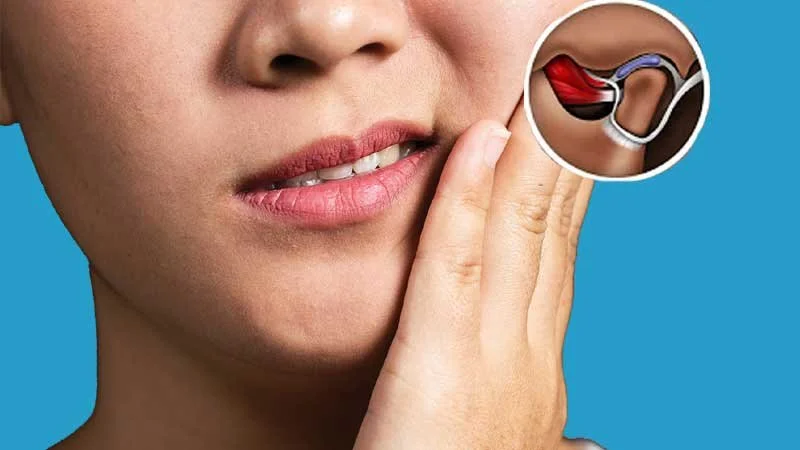
The temporomandibular joints, or TMJs, are the joints that connect your lower jaw to your skull.
These joints allow you to:
Open and close your mouth
Chew
Speak
Yawn
Move your jaw from side to side
TMJ disorder can affect the joints, the surrounding muscles or the way the jaw functions.
Common symptoms include:
Jaw pain
Jaw clicking or popping
Headaches
Facial pain
Ear pain
Tinnitus
Jaw stiffness
Difficulty opening the mouth
Jaw locking
Pain when chewing
Teeth grinding or clenching
What Causes TMJ Disorder?
There is often more than one contributing factor.
Possible causes and contributing factors include:
Teeth Grinding and Clenching
Bruxism can place excessive pressure on the jaw muscles and joints.
Some people grind their teeth during sleep, while others clench during the day without realising it.
Over time, excessive muscle activity may contribute to jaw pain, headaches and tooth wear.
Stress and Muscle Tension
Stress can contribute to increased muscle tension and clenching.
Some people notice that their jaw symptoms become worse during periods of stress, poor sleep or emotional tension.
Jaw Joint Problems
The structure and function of the jaw joint can contribute to symptoms such as:
Clicking
Popping
Pain
Limited movement
Locking
The cause of a clicking or painful jaw needs to be assessed individually.
Bite and Occlusion
The way the upper and lower teeth come together may influence the forces placed on the teeth, jaw muscles and joints.
An assessment of the bite may be part of a comprehensive TMJ evaluation.
Trauma
An injury to the jaw, face or head may contribute to TMJ symptoms.
Symptoms may develop immediately after an injury or become noticeable later.
Airway and Breathing Factors
Some patients with jaw symptoms may also experience breathing or sleep-related problems.
Snoring, mouth breathing and sleep-disordered breathing may be relevant factors in some patients and may require further assessment.
What Is the Best Treatment for TMJ Disorder?
There is no single “best” treatment for every patient.
Treatment should be based on:
Your symptoms
The cause of your jaw problem
The condition of your jaw joints
Your jaw muscles
Your bite
Your teeth
Your habits
Your sleep and breathing patterns
Your overall treatment goals
A comprehensive assessment is often the first step in determining the most appropriate treatment.
1. TMJ Assessment and Diagnosis
Before deciding on treatment, it is important to understand what may be causing your symptoms.
A TMJ assessment may include:
Discussion of your symptoms
Medical and dental history
Assessment of jaw movement
Examination of the jaw joints
Examination of the jaw muscles
Assessment of your bite
Evaluation of teeth grinding and clenching
Dental imaging where clinically indicated
In some cases, further imaging such as CBCT or MRI may be recommended depending on the symptoms and clinical findings.
2. Custom TMJ Splint Therapy
A custom dental splint may be recommended for selected patients with TMJ symptoms, teeth grinding or excessive jaw muscle activity.
A splint may be designed to:
Protect the teeth
Reduce excessive forces
Support a more stable jaw position
Help manage clenching and grinding
Assist with jaw joint decompression in selected cases
The type of appliance and the recommended wearing schedule depend on the patient's individual condition.
A TMJ appliance should be carefully assessed and adjusted as necessary.
3. Myofunctional Therapy
Myofunctional therapy may be recommended for selected patients as part of a broader treatment plan.
It may focus on areas such as:
Tongue posture
Breathing
Swallowing
Oral muscle function
Jaw muscle coordination
The goal is to address relevant functional factors that may contribute to symptoms.
4. Managing Teeth Grinding and Clenching
If bruxism is contributing to your TMJ symptoms, treatment may involve strategies to reduce the effects of excessive clenching and grinding.
This may include:
A custom dental appliance
Behavioural awareness
Stress management
Sleep assessment
Muscle treatment
Addressing contributing dental or functional factors
The most appropriate approach depends on the individual patient.
5. Botox for TMJ and Jaw Muscle Tension
Botox may be considered for selected patients who experience excessive activity or tension in certain jaw muscles.
Treatment may help reduce muscle activity in appropriate cases and may be considered for patients experiencing:
Jaw muscle tension
Clenching
Facial muscle pain
Masseter muscle overactivity
Botox is not suitable for every patient and does not treat every cause of TMJ disorder.
A proper assessment is required to determine whether it may be appropriate.
6. Physiotherapy and Muscle Treatment
Some patients with TMJ symptoms may benefit from physiotherapy or treatment directed at the muscles of the jaw, face, neck and surrounding areas.
This may be particularly relevant when symptoms are associated with:
Neck tension
Postural problems
Muscle tightness
Limited jaw movement
A coordinated approach may be recommended where appropriate.
7. Assessing Airway and Sleep Factors
Some patients with TMJ symptoms also experience:
Snoring
Mouth breathing
Poor sleep
Daytime fatigue
Sleep-disordered breathing
If these symptoms are present, further assessment may be appropriate.
Depending on the individual situation, this may involve collaboration with other healthcare professionals, including medical or sleep specialists.
8. Restorative Dental Treatment
In some cases, damaged or severely worn teeth may contribute to problems with chewing function and bite.
Restorative dental treatment may be considered where appropriate.
Depending on the condition of the teeth, treatment may include:
Composite restorations
Crowns
Other restorative procedures
Any restorative treatment should be carefully planned as part of the overall dental and jaw assessment.
Can TMJ Disorder Be Cured?
The answer depends on the cause and severity of the condition.
Some patients experience significant improvement with appropriate treatment and management.
For others, TMJ disorder may require ongoing management.
Treatment goals may include:
Reducing pain
Improving jaw movement
Reducing excessive muscle tension
Protecting the teeth
Improving jaw function
Addressing contributing factors
The earlier contributing factors are identified, the more effectively an appropriate treatment plan can be developed.
Is Surgery Always Needed for TMJ Disorder?
No.
Many patients with TMJ symptoms are initially managed with non-surgical approaches.
Surgery may be considered in selected cases involving specific structural or joint problems.
The appropriate treatment depends on the individual diagnosis.
How Long Does TMJ Treatment Take?
The treatment timeline varies significantly between patients.
It may depend on:
The cause of the symptoms
How long the problem has been present
The severity of the condition
The response to treatment
The type of treatment required
Some patients may notice improvement relatively quickly, while others require a longer-term treatment approach.
When Should I See a TMJ Dentist?
You should consider an assessment if you experience:
Persistent jaw pain
Jaw clicking or popping with pain
Frequent headaches
Facial pain
Ear pain or tinnitus
Jaw locking
Difficulty opening your mouth
Pain when chewing
Significant teeth grinding
Worn or damaged teeth
Persistent symptoms should not be ignored.
Frequently Asked Questions
What is the best treatment for TMJ disorder?
There is no single treatment that is best for every patient. The most appropriate treatment depends on the cause of the symptoms and may involve splint therapy, muscle treatment, myofunctional therapy, managing bruxism, Botox or other approaches.
Can TMJ disorder go away by itself?
Some mild symptoms may improve, but persistent or worsening pain should be assessed to identify possible contributing factors.
Can a dental splint help TMJ pain?
A custom dental splint may help selected patients by protecting the teeth and managing forces associated with clenching and grinding. The appropriate appliance depends on the individual patient.
Can Botox help TMJ disorder?
Botox may be considered for selected patients with excessive jaw muscle activity or tension. It is not suitable for every cause of TMJ disorder.
Can TMJ cause headaches?
Jaw muscle tension and TMJ problems may contribute to headaches in some patients. However, headaches can have many different causes.
Can TMJ cause ear pain or tinnitus?
Some patients with jaw joint or muscle problems may experience ear-related symptoms. Other possible causes should also be considered and assessed.
Do I need surgery for TMJ disorder?
Not necessarily. Many patients are initially managed with non-surgical treatment options. The appropriate treatment depends on the underlying cause.
TMJ Treatment in Sydney
If you are experiencing jaw pain, headaches, clicking, facial pain or teeth grinding, the most appropriate treatment depends on understanding the underlying causes of your symptoms.
At Pain Free Dentist Sydney, we provide personalised TMJ assessments for patients experiencing jaw joint and muscle problems.
Depending on your individual needs, treatment may involve custom splint therapy, assessment of the bite, myofunctional therapy, management of teeth grinding, Botox for selected cases of muscle overactivity and assessment of relevant airway or breathing factors.
If you are experiencing TMJ symptoms and would like to understand your treatment options, contact us to arrange an assessment.
📞 Call Pain Free Dentist Sydney on 9558 8988.
Serving patients in Dulwich Hill, Hurlstone Park and Sydney's Inner West.