Introduction
Many people notice a clicking, popping or cracking sound when opening or closing their mouth. Sometimes jaw clicking is harmless, but in other cases it can be an early sign of a temporomandibular joint disorder (TMD).
What causes jaw clicking?
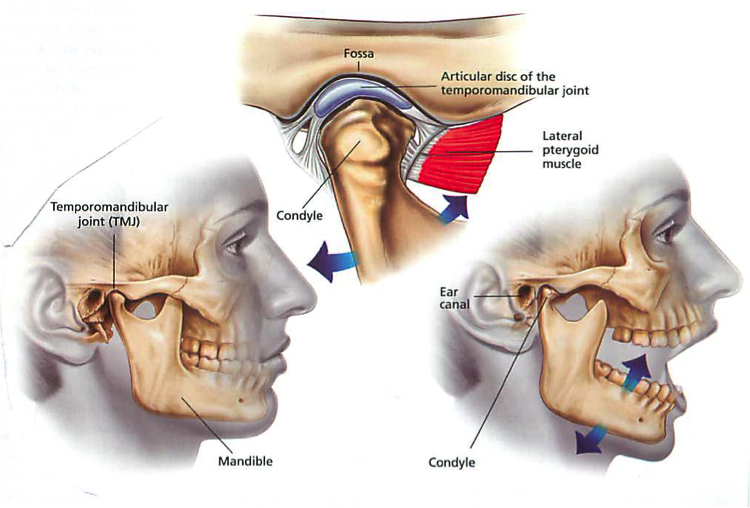
Displacement of the articular disc inside the jaw joint
Teeth grinding and clenching
Jaw muscle tension
Trauma or injury
Bite and occlusion problems
Airway and breathing problems
Missing teeth
Arthritis or inflammation
Excessive chewing or wide mouth opening
Is jaw clicking normal?
Explain that occasional clicking without pain or restricted movement may not require treatment. However, persistent or worsening symptoms should be assessed.
When should I see a dentist?
Patients should seek assessment if jaw clicking is associated with:
Jaw pain
Headaches
Ear pain or tinnitus
Difficulty opening the mouth
Jaw locking
Facial pain
Teeth grinding
Changes in the bite
Neck or shoulder tension
Can TMJ cause headaches and ear pain?
Explain how the jaw muscles and TMJ are closely connected to surrounding facial, head and neck structures.
Can jaw clicking go away on its own?
Sometimes symptoms settle, but persistent clicking may indicate an underlying functional problem. Early assessment can help identify contributing factors before symptoms become more severe.
How is jaw clicking diagnosed?
A TMJ assessment may include:
Medical and dental history
Evaluation of jaw movement
Muscle examination
Assessment of the bite
Evaluation of teeth grinding
Imaging where clinically indicated
How is jaw clicking treated?
Treatment depends on the cause and may include:
Behavioural and lifestyle changes
Jaw physiotherapy
Myofunctional therapy
Management of teeth grinding
A custom dental splint
Treatment of the bite and occlusion
Botox for selected cases of muscle overactivity
Assessment of airway and breathing factors
Frequently Asked Questions
Is jaw clicking serious?
Not always. Clicking without pain may be harmless, but clicking associated with pain, locking or restricted movement should be assessed.
Can stress cause jaw clicking?
Stress can contribute to clenching and teeth grinding, which may place additional strain on the jaw joints and muscles.
Can a dentist fix a clicking jaw?
A dentist experienced in TMJ disorders can assess the possible cause and recommend appropriate treatment.
Can Botox help jaw clicking?
Botox may help selected patients where excessive muscle activity contributes to jaw tension, clenching or pain. It is not suitable for every cause of jaw clicking.
Should I stop chewing gum if my jaw clicks?
Reducing excessive chewing may help reduce strain on the jaw, particularly if symptoms are painful or worsening.
Can jaw clicking cause tinnitus?
In some patients, jaw joint and muscle problems may be associated with ear-related symptoms such as ear pain, fullness or tinnitus. Other causes should also be properly assessed.