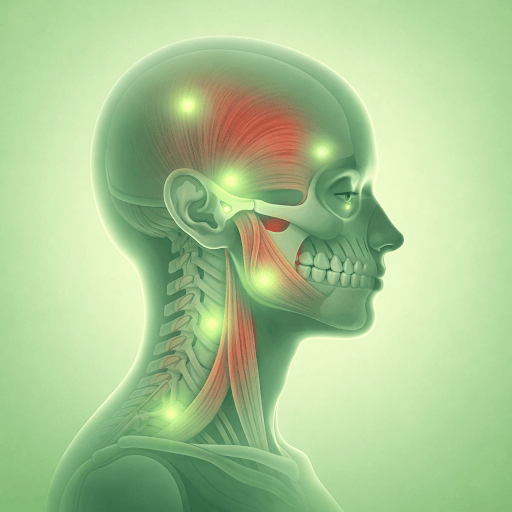
If you've been experiencing persistent jaw pain, clicking sounds when you chew, or headaches that seem to have no clear cause, you may be dealing with a temporomandibular disorder (TMD). This common condition affects the jaw joint and surrounding muscles, and understanding it is the first step toward finding relief.
The temporomandibular joint (TMJ) acts like a sliding hinge, connecting your jawbone to your skull on each side of your face. When problems develop with these joints or the muscles that control jaw movement, it can affect everything from eating and speaking to sleeping and quality of life.
What Are TMJ Disorders?
TMJ disorders—often referred to simply as TMD—are a group of musculoskeletal and neuromuscular conditions affecting the jaw joint, chewing muscles, and surrounding nerves and ligaments. These conditions are more common than many people realize, affecting approximately 5% to 12% of the general population, with peak prevalence among adults aged 20 to 40 years.
The condition is particularly common among women, especially those in their early 20s and between ages 40 and 50. Nearly half of all people experience some form of jaw dysfunction at some point during their lives.
Common Symptoms of TMJ Disorders
TMJ disorders can present with a wide range of symptoms that sometimes seem unrelated to the jaw itself. Common signs include:
Pain or tenderness in the jaw, especially when eating
Aching pain in and around the ear
Difficulty chewing or pain while chewing
Aching facial pain
Clicking, popping, or grating sounds when opening your mouth or chewing (if pain accompanies these sounds, treatment is usually needed)
Locking of the joint, making it hard to open or close your mouth completely
Headaches, particularly in the temporal region
Neck and shoulder pain
Tinnitus (ringing in the ears)
Some people also experience tooth pain that occurs alongside jaw tenderness, or a feeling that their bite is "off" or uneven. Symptoms often worsen during periods of stress or anxiety.
What Causes Jaw Problems?
The exact cause of TMJ disorders is often difficult to determine, as most cases involve multiple contributing factors. Common causes and contributing factors include:
Muscle-Related Causes
The most common form of TMJ disorder involves muscle tension and fatigue, known as temporomandibular myofascial pain syndrome. This can result from:
Bruxism (teeth clenching or grinding), which can occur during sleep or while awake
Parafunctional habits such as persistent gum chewing, nail biting, or chewing on pens
Stress and anxiety, which often lead to increased muscle tension
Joint-Related Causes
Problems within the joint itself can include:
Internal joint derangement—when the disc inside the joint shifts out of its normal position, often causing clicking sounds or locking
Arthritis—including osteoarthritis (wear and tear), rheumatoid arthritis, or traumatic arthritis from injury
Injury or trauma to the jaw, head, or neck—including whiplash injuries that cause referred pain
Other Contributing Factors
Poor posture, particularly holding your head forward while using computers, can strain the muscles of the face and neck. Sometimes, systemic conditions like fibromyalgia, chronic fatigue syndrome, or migraine occur alongside TMJ disorders.
When to Seek Professional Help
You should consult a healthcare provider if you experience:
Constant pain or tenderness in your jaw that occurs suddenly or during jaw movements
Difficulty opening or closing your jaw completely
Symptoms that significantly interfere with eating, speaking, or daily activities
Healthcare professionals typically diagnose TMJ disorders through a combination of symptom discussion and physical examination, including listening to and feeling your jaw during movement and pressing on areas around your jaw to locate pain.
Treatment Approaches for TMJ Disorders
The good news is that most TMJ symptoms improve with conservative treatment. Current clinical guidelines strongly recommend starting with non-invasive, reversible therapies before considering more aggressive interventions.
Conservative Treatments (First-Line Options)
Self-Management and Lifestyle Changes:
Apply heat or cold packs to the affected area (15-20 minutes several times daily)
Eat soft foods and cut food into small pieces
Avoid chewing gum and sticky or chewy foods
Practice good resting jaw posture—teeth slightly apart, tongue gently resting on the palate
Avoid clenching your jaw or grinding your teeth when awake
Use gentle jaw stretching exercises
Non-Pharmacological Therapies:
Physical therapy—exercises to stretch and strengthen jaw muscles, often combined with massage
Oral splints or mouth guards—custom-fitted devices from a dentist that can reduce damage from bruxism
Behavioral therapy and counseling—to help identify and change habits that worsen symptoms
Medications (for short-term use):
Over-the-counter pain relievers and anti-inflammatories
Muscle relaxants for temporary relief
Low-dose tricyclic antidepressants to help control bruxism and improve sleep
Evidence suggests that non-pharmacological and combined conservative approaches provide more sustained improvements than medications alone, making them the preferred first-line treatment.
When Conservative Treatment Isn't Enough
For persistent symptoms that don't respond to conservative measures, additional options may include:
Arthrocentesis—a minimally invasive procedure that flushes fluid through the joint to remove inflammatory byproducts and debris
Injections—corticosteroid injections or, in some cases, botulinum toxin type A (Botox) may help
TMJ arthroscopy—a less invasive surgical procedure that can treat various joint issues
Open-joint surgery—considered only as a last resort when structural problems require repair or replacement
Research shows that combining approaches—such as arthrocentesis for immediate improvement with biological therapies like platelet-rich plasma (PRP) for longer-term pain relief—can be optimal for refractory cases.
Living with TMJ Disorders
For many people, TMJ symptoms improve within 6 to 12 months, even without aggressive treatment. The key to managing the condition effectively is consistency with self-care measures and early intervention.
Most patients benefit from a "supported self-management" approach—doing the right things at home every day to manage symptoms and prevent flare-ups. Being consistent with heat or cold therapy, massage, exercises, and dietary adjustments can make a significant difference over time.
Conclusion
TMJ disorders can significantly impact daily life, but they are generally manageable with the right approach. Starting with conservative, non-invasive treatments—including lifestyle modifications, physical therapy, and stress management—is recommended for most patients. If you're experiencing persistent jaw pain or related symptoms, consult with a healthcare professional who can help develop an appropriate treatment plan tailored to your specific situation.