If you wake up with jaw pain, headaches, or a partner who tells you that you snore heavily and stop breathing at night, these two problems may not be a coincidence. Research shows a significant two-way relationship between TMJ (temporomandibular joint) dysfunction and sleep apnea — one condition often makes the other worse. At Pain Free Dentist Sydney in the Inner West, we help patients identify and treat these hidden connections to improve both their oral health and their sleep quality.
The Overlooked Link Between TMJ Dysfunction and Sleep Apnea
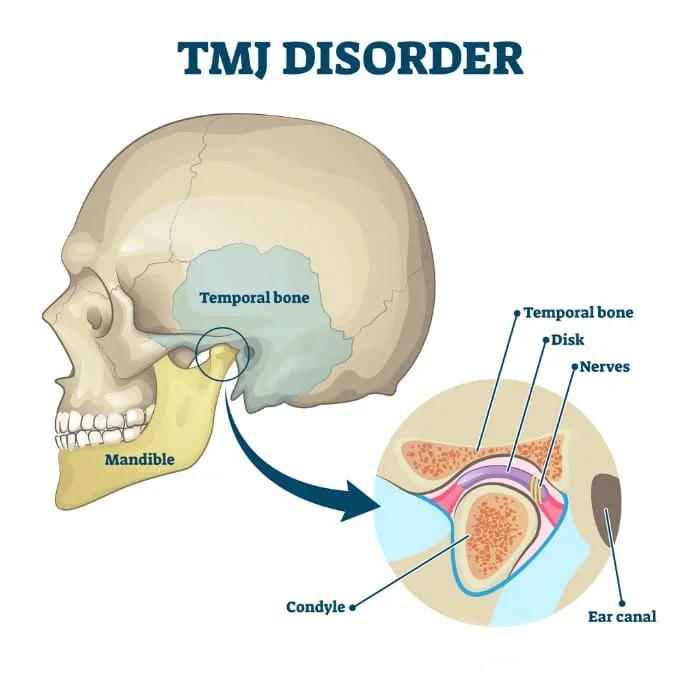
Your TMJ is the joint that connects your jaw to your skull. It controls chewing, speaking, and yawning. When this joint or the muscles around it don't function properly, you may experience jaw pain, clicking or popping, limited jaw movement, headaches, and ear discomfort.
Obstructive sleep apnea (OSA) is a serious condition where your breathing repeatedly stops during sleep. Recent research has revealed a concerning connection between the two.
A 2024 Mendelian randomization study published in Nature and Science of Sleep found that obstructive sleep apnea likely increases the risk of developing TMJ disorders (OR=1.241). In other words, people with sleep apnea are significantly more likely to develop TMJ problems than the general population.
This finding is supported by clinical research. A 2025 study further revealed that the mechanism linking sleep apnea and TMJ disorders may involve underdevelopment of the upper jaw (maxilla) . The study found that patients with unilateral anterior disc displacement (a form of TMJ disorder) had significantly narrower maxillary width and a higher prevalence of chronic nasal obstruction (39.1% vs 10.2%).
This means: a narrow upper jaw can simultaneously block the nasal airway and create an unstable bite — triggering breathing pauses at night while overloading the TMJ during the day.
Why TMJ Problems May Signal Sleep Apnea
In our Inner West Sydney practice, we often see patients who come in for jaw pain or worn teeth, only to discover an undiagnosed sleep breathing problem during their consultation.
Here are warning signs to watch for:
Nighttime grinding and clenching: Many sleep apnea patients grind their teeth at night (bruxism). When the airway becomes blocked, the body tries to move the jaw forward to open the airway — this compensatory action often shows up as grinding or clenching.
Morning jaw pain and headaches: If you wake up with a sore jaw or a headache near your temples, this could be a sign of nighttime airway obstruction and compensatory jaw movement.
Scalloped tongue edges: A tongue with indentations along the sides (scalloped edges) is a sign of the tongue repeatedly pressing against the teeth during sleep. It's often associated with airway problems and a low tongue posture.
Mouth breathing and dry mouth: Sleep apnea patients often breathe through their mouth at night because their nasal airway is blocked. This leads to morning dry mouth, sore throat, and long-term changes to oral bacteria balance and tooth health.
Who Should Be Especially Concerned About This Connection
If you have both TMJ symptoms and sleep problems, we recommend a professional evaluation — especially if you:
Grind or clench your teeth: Grinding is not only a trigger for TMJ problems, but may also be your body's compensatory response to sleep apnea
Breathe through your mouth or snore long-term: A blocked nasal airway forces the jaw into an abnormal position, increasing TMJ strain
Have been diagnosed with sleep apnea: Research shows OSA patients have a significantly higher risk of developing TMJ disorders
Have a tongue tie: A restricted tongue affects TMJ health and airway patency at the same time
Next Steps for Inner West Sydney Patients
The connection between TMJ problems and sleep apnea means that treating only one condition often fails to deliver the best results. If you've been struggling with jaw pain, headaches, or poor sleep quality, a comprehensive dental assessment may be more helpful than seeing multiple practitioners separately.
Pain Free Dentist Sydney is located in the Inner West at The Garnet Building, Hurlstone Park (570 New Canterbury Road). Led by Dr. Lisa Chong, who has over 25 years of clinical experience, our practice specialises in TMJ therapy, dental solutions for sleep apnea, and comfortable care for anxious patients. Dr. Chong's team will assess your jaw joint, tongue posture, airway space, and sleep-related symptoms to help you understand how these seemingly separate issues may be connected.
If you're not sure whether your symptoms are related to TMJ or sleep breathing, start with these self-check questions:
Do you often wake up with jaw pain or difficulty opening your mouth?
Has your partner mentioned that you snore, stop breathing, or grind your teeth at night?
Do you often feel tired during the day, even after a full night's sleep?
Have you noticed that you tend to breathe through your mouth rather than your nose?
If you answered yes to any of these questions, a professional evaluation can help you untangle the connection behind your symptoms.
Book a consultation: Call (02) 9558 8988 or book online. When you make your appointment, let our team know about your jaw symptoms and sleep concerns so we can arrange a targeted, comprehensive assessment.
Pain Free Dentist Sydney
📍 The Garnet Building, Suite G1A / 570 New Canterbury Road, Hurlstone Park NSW 2193
📞 (02) 9558 8988
This article is for informational purposes only and does not constitute medical advice. Treatment plans should be determined after a professional evaluation.