Worn down teeth are a common sign of bruxism, which involves clenching, grinding or forceful jaw muscle activity. While many people associate bruxism simply with stress, the reasons behind tooth grinding can be more complex.
At Pain Free Dentist Sydney, we look beyond the visible tooth wear to understand why the teeth may be wearing down in the first place.
What Is Bruxism?
Bruxism is repeated or sustained activity of the jaw muscles that can involve:
Grinding the teeth
Clenching the teeth
Holding the jaw tightly
Repeated tooth contact
Jaw muscle activity during sleep
Bruxism can occur while you are awake or asleep.
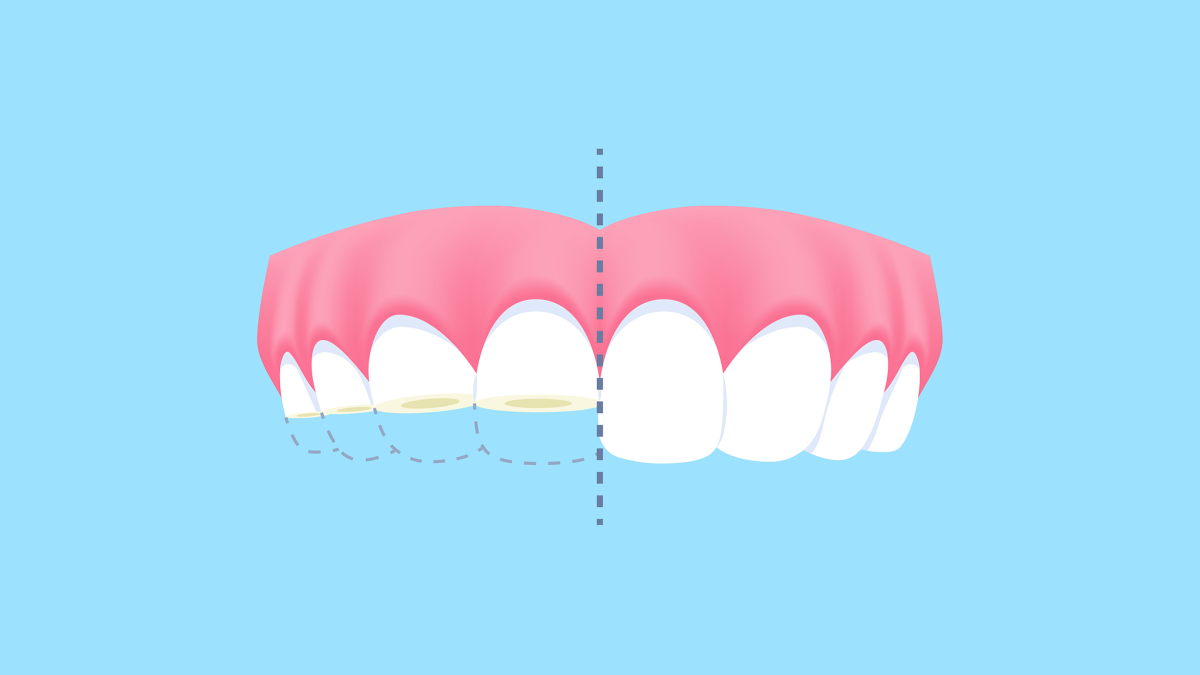
Over time, repeated forces can cause teeth to become shorter, flatter and more worn.
What Does Bruxism Do to Your Teeth?
When teeth repeatedly come into contact under significant force, the enamel can gradually wear down.
You may notice:
Flattened biting surfaces
Shorter front teeth
Chipped or fractured teeth
Cracks in teeth
Increased sensitivity
Worn-down cusps on back teeth
Changes in the appearance of your smile
Increased pressure on fillings, crowns or other dental work
In more advanced cases, significant tooth structure can be lost.
Why Does Bruxism Happen?
There is no single reason why everyone grinds or clenches their teeth.
Bruxism is considered a complex condition involving several possible factors.
1. Sleep-related factors
Sleep bruxism is associated with activity in the central nervous system and can occur around brief arousals during sleep.
Importantly, this means that simply telling someone to "stop grinding" may not address the underlying reason for their nighttime jaw activity.
Sleep disorders can also be relevant. Sleep-disordered breathing, including obstructive sleep apnoea, has been associated with sleep bruxism in some patients.
2. Stress and emotional factors
Stress, anxiety and emotional tension can contribute to increased jaw muscle activity, particularly during waking hours.
Some people unconsciously clench their teeth when concentrating, working, driving or feeling stressed.
However, stress is not necessarily the only explanation for sleep bruxism.
3. Airway and breathing factors
Breathing during sleep can be an important consideration when assessing significant nighttime bruxism.
People with snoring or obstructive sleep apnoea may experience repeated arousals and changes in jaw and tongue muscle activity during sleep.
This does not mean that airway problems are the cause of every case of bruxism. However, when severe tooth wear occurs alongside snoring, poor sleep, mouth breathing or other sleep symptoms, it may be appropriate to investigate further.
4. Dental and jaw factors
The way the teeth come together and the condition of the jaw and chewing muscles can also influence symptoms.
Missing teeth, heavily worn teeth, changes in the bite or reduced posterior tooth support may affect how forces are distributed.
However, it is important to understand that a particular "bad bite" should not automatically be assumed to be the cause of bruxism.
Bruxism is multifactorial, and the relationship between tooth contact and grinding is more complicated than simply having teeth that are "out of alignment."
Why Do Teeth Become Shorter?
Healthy enamel is extremely hard, but it is not indestructible.
Imagine repeatedly rubbing two hard surfaces together thousands of times. Over years, even small amounts of wear can accumulate.
With bruxism, repeated tooth contact can gradually flatten the natural anatomy of the teeth.
For example, front teeth may become noticeably shorter, while the cusps of the back teeth may become flattened.
As the teeth continue to wear, the underlying dentine may become exposed. This can contribute to sensitivity and can make the teeth more vulnerable to further wear.
Is Tooth Wear Always Caused by Bruxism?
No.
This is an important distinction.
Teeth can become worn for several different reasons, including:
Bruxism
Acid erosion
Abrasion
Tooth-to-tooth wear
Certain dietary habits
Acid reflux
Some medical conditions
Age-related changes
Sometimes several factors occur together.
For example, acid erosion can soften enamel, potentially making teeth more vulnerable to mechanical wear.
This is why identifying the pattern and cause of tooth wear is important before deciding on treatment.
What Happens If Worn Teeth Are Left Untreated?
Not every worn tooth requires immediate restorative treatment.
However, progressive tooth wear can eventually result in:
Sensitivity
Further loss of enamel
Dentine exposure
Chipping or fractures
Changes in the bite
Difficulty chewing
Aesthetic concerns
More complicated restorative treatment in the future
Early assessment can help determine whether the wear is stable or continuing to progress.
Can Worn Teeth Be Repaired?
Depending on the amount of tooth structure remaining, treatment may include monitoring, preventive measures, a night splint, composite restorations or other restorative options.
The appropriate treatment depends on the individual patient.
One important consideration is that simply rebuilding worn teeth without addressing ongoing excessive forces may not provide a long-term solution.
For some patients, treatment may therefore involve managing bruxism and protecting the teeth before or alongside restorative dentistry.
What About a Splint?
A dental splint or occlusal appliance may be recommended for some patients with bruxism.
A splint can provide a protective surface between the teeth and may help manage the forces placed on the teeth and dental restorations.
However, splints are not a cure for the underlying causes of bruxism.
The design of the appliance should be appropriate for the patient's teeth, jaw, symptoms and clinical circumstances.
Why We Look Beyond the Teeth
At Pain Free Dentist Sydney, we believe that significant tooth wear deserves more than simply asking, "How can we rebuild these teeth?"
We also want to understand:
Why are these teeth wearing down?
That may involve considering the patient's:
Bruxism and clenching patterns
Jaw muscles and TMJs
Sleep quality
Snoring or suspected sleep-disordered breathing
Tongue function and oral posture
Breathing habits
Existing tooth wear
Bite and dental history
Previous dental treatment
Not every patient will have the same contributing factors, and not every patient requires the same treatment.
Protecting Your Teeth From Further Wear
If you notice that your teeth are becoming shorter or flatter, don't wait until significant tooth structure has been lost.
An assessment can determine the pattern and severity of the wear and whether it appears to be active.
Depending on the findings, your dentist may recommend monitoring, preventive measures, a protective splint or restorative treatment.
Worn Down Teeth and Bruxism Treatment in Sydney
If you are concerned about worn teeth, teeth grinding, clenching, jaw pain or changes in your bite, contact Pain Free Dentist Sydney for an assessment.
Phone: 02 9558 8988
Email: info@painfreedentistsydney.com.au
Website: painfreedentistsydney.com.au
Hurlstone Park, Sydney