Introduction
In our fast-paced, demanding modern world, stress has become an almost universal experience. We are all familiar with the physical manifestations of stress: tense shoulders, a racing heart, a churning stomach. But many people do not realize the profound impact stress can have on their dental health. One of the most common and destructive ways stress affects the mouth is through a condition called bruxism, the habitual grinding or clenching of teeth. Often occurring unconsciously during sleep, bruxism can cause significant damage to teeth, trigger chronic jaw pain, and lead to a condition called temporomandibular disorder (TMD). Understanding the link between stress and bruxism is the first step in breaking the cycle of pain and protecting your smile.
Understanding Bruxism: The Unconscious Habit
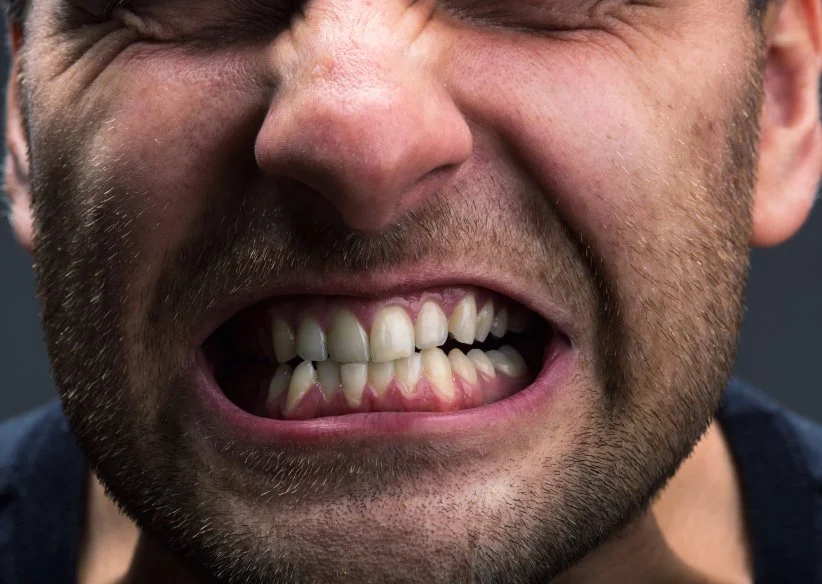
Bruxism is the medical term for the grinding, gnashing, or clenching of teeth. It can occur during the day (awake bruxism) or at night (sleep bruxism). Daytime bruxism is often a response to stress, anxiety, or concentration. People may unconsciously clench their jaw when they are focused on a task, feeling frustrated, or managing a high-pressure situation. Nighttime bruxism, however, is a sleep-related movement disorder that is more difficult to control. It is often triggered by an arousal response during sleep, which is linked to stress and anxiety.
The jaw muscles are among the most powerful muscles in the human body. When you clench or grind your teeth, you can exert up to 250 pounds of pressure per square inch. This is significantly more force than you would use during normal chewing. Over time, this immense pressure can wear down the enamel of your teeth, cause them to crack or chip, and strain the temporomandibular joints (the joints that connect your jaw to your skull). The cumulative effect of chronic grinding is a cascade of dental problems.
The Vicious Cycle of Stress and Jaw Pain
Stress causes you to grind your teeth, which leads to jaw pain. The jaw pain, in turn, causes more stress. This is the vicious cycle of bruxism. The pain is not limited to the teeth and jaw. Bruxism can cause dull, persistent headaches that originate in the temples. It can cause earaches or a feeling of fullness in the ears, even though there is no ear infection. It can cause sore, stiff neck and shoulder muscles. Many people with bruxism experience difficulty sleeping, as the constant muscle activity disrupts their sleep cycle.
The symptoms of bruxism are not always obvious. You may wake up with a dull headache or a sore jaw. You may notice that your teeth look shorter or flatter than they used to. You may see small chips or fractures in your teeth. Your partner may hear you grinding your teeth at night. If you suspect you are grinding your teeth, it is important to discuss it with your dentist, as early intervention can prevent significant damage.
The Impact on Your Teeth and Jaw
The long-term effects of untreated bruxism can be devastating. The constant grinding wears down the chewing surfaces of your teeth, flattening the cusps. This can shorten the teeth, making them look aged and unattractive. The enamel can become so worn that the inner, darker dentin is exposed. Teeth become more sensitive to temperature and pressure.
Bruxism also causes micro-fractures in the teeth. Over time, these fractures can grow and cause a tooth to crack completely. Cracked teeth may require crowns, root canals, or extraction. The pressure can also damage existing fillings and crowns, causing them to loosen or fall out.
The jaw joints are also severely affected. Temporomandibular disorder (TMD) is a condition characterized by pain and dysfunction in the jaw joint. Symptoms include clicking, popping, or grating sounds when you open and close your mouth; pain in the jaw joint; and difficulty opening your mouth wide. In severe cases, the jaw can become locked in an open or closed position.
Protecting Your Teeth: The Nightguard Solution
The most common and effective treatment for bruxism is a custom-fitted nightguard. This is a dental appliance, similar to a sports mouthguard, that fits over your teeth. It does not stop you from grinding, but it creates a physical barrier between your upper and lower teeth. It absorbs the force of the grinding, preventing your teeth from grinding against each other. This protects the enamel, prevents fractures, and reduces the strain on the jaw joints.
It is crucial to have a custom-fitted nightguard made by your dentist. Over-the-counter boil-and-bite mouthguards are not designed for bruxism. They are often too soft and do not provide adequate protection. A custom nightguard is made from a hard or hard-soft material that is precisely fitted to your bite. It ensures even distribution of force and does not shift during the night. While the upfront cost is higher, a custom nightguard is much more effective and will last much longer than a generic one.
Stress Management and Behavioral Changes
While a nightguard protects your teeth, it does not address the root cause of the problem: stress. To truly break the cycle of bruxism, you need to incorporate stress management techniques into your daily life. Regular exercise is one of the most effective ways to reduce overall stress. Physical activity lowers cortisol levels, releases endorphins, and promotes relaxation.
Cognitive behavioral therapy (CBT) can be highly effective for bruxism. CBT helps you identify the thoughts and behaviors that trigger your stress response. A therapist can teach you coping strategies to manage your anxiety and prevent the physical manifestations of stress. Mindfulness and meditation are also valuable tools. Practicing mindfulness helps you become more aware of your body, so you can recognize when you are clenching your jaw during the day.
If you suffer from daytime clenching, you can use biofeedback techniques. Place a small sticker or reminder on your computer monitor or phone that says "relax jaw." When you see the reminder, consciously unclench your jaw and relax your facial muscles. Throughout the day, keep your lips closed but your teeth slightly apart. Do not let your upper and lower teeth touch unless you are chewing or swallowing. This resting position alleviates tension in the jaw muscles.
Lifestyle Adjustments
Certain lifestyle habits can exacerbate bruxism. Alcohol and caffeine consumption, particularly in the evening, can worsen sleep bruxism. Both substances disrupt sleep patterns and can increase muscle activity during sleep. Try to limit or eliminate caffeine after noon and avoid alcohol in the hours before bed. Nicotine is also a stimulant that can contribute to teeth grinding.
Applying a warm, moist compress to your jaw muscles before bed can help relax them. Soak a washcloth in warm water, wring it out, and place it over your jaw for 15 to 20 minutes. Gentle massage of the jaw, neck, and shoulder muscles can also relieve tension. Ensure you are getting adequate sleep; fatigue is a known trigger for bruxism.
When to See a Specialist
If your jaw pain is severe or you are experiencing symptoms of TMD, you may be referred to a specialist. A dentist who specializes in TMD can perform a thorough evaluation, which may include imaging of the jaw joint. They can provide more advanced treatment options, such as physical therapy, trigger point injections, or, in rare cases, surgery. However, for most people, a combination of a nightguard and lifestyle changes is sufficient to manage bruxism effectively.
Conclusion
Stress is an inescapable part of modern life, but its impact on your dental health does not have to be inevitable. Bruxism is a common and treatable condition. By recognizing the signs—morning headaches, a sore jaw, worn teeth—and taking proactive steps, you can protect your teeth and relieve your pain. A custom nightguard is your first line of defense, but real healing also comes from addressing the underlying stress. Incorporate relaxation techniques, exercise, and stress-reducing habits into your routine. Your jaw, your teeth, and your overall health will thank you.
Book online at https://painfreedentistsydney.com.au/
Call us at 9558 8988
Email us at info@painfreedentistsydney.com.au