Introduction
The six-month dental checkup is so ingrained in our culture that it feels almost like a law of nature. But have you ever stopped to wonder why exactly we are told to visit the dentist twice a year? Is it truly necessary, or is it just a convenient standard that dentists use to fill their schedules? The answer lies in the biology of plaque, the progression of dental disease, and the unique characteristics of your individual mouth. While the six-month rule is a good baseline for many people, the reality is that the optimal frequency of dental visits depends on a variety of factors, including your oral hygiene habits, your risk for cavities and gum disease, and your overall health. Understanding these factors will help you determine whether you should stick to the twice-yearly schedule or whether you need more or less frequent visits.
The Biology of Plaque and Tartar
To understand why dental checkups are scheduled at six-month intervals, you need to understand the lifecycle of plaque. Dental plaque is a sticky, colorless biofilm of bacteria that constantly forms on your teeth. Within 24 to 48 hours of not brushing, this plaque can begin to harden into calculus, also known as tartar. However, the process of calcification is not instantaneous. It typically takes about 10 days to two weeks for plaque to fully mineralize into tartar. Once it becomes tartar, it is too hard to be removed by brushing and flossing; it requires a dental professional with specialized instruments to scrape it off.
Tartar is porous and rough, providing an ideal surface for even more plaque to accumulate. The six-month interval is based on the idea that within that timeframe, most people will have developed a significant amount of tartar that needs professional removal. Additionally, gum disease (gingivitis) typically takes several months to progress from mild inflammation to more advanced periodontitis. By visiting twice a year, your dentist can catch early signs of gum disease before they cause irreversible damage. The six-month schedule is also aligned with insurance coverage, which typically pays for two cleanings and exams per year, making it a practical standard.
The Importance of the Examination and Oral Cancer Screening
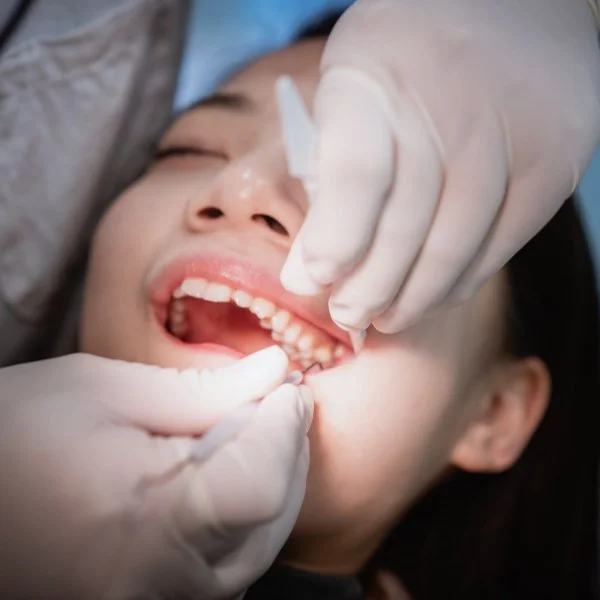
While the cleaning is an important part of your dental visit, it is only half the story. The examination your dentist performs is equally crucial. Your dentist will check for cavities, inspect old fillings and crowns for cracks or leaks, and evaluate the health of your gums by measuring the depth of the pockets around your teeth. These pockets are spaces between the tooth and gum, and when they become deeper than three millimeters, they indicate gum disease. Your dentist will also check your bite and look for signs of teeth grinding or jaw issues.
Perhaps the most critical part of the examination is the oral cancer screening. The dentist will palpate your neck, check your lymph nodes, and examine the soft tissues of your mouth, including your tongue, cheeks, palate, and floor of the mouth, for any unusual lumps, sores, or discolored patches. Oral cancer is a serious disease that can be life-threatening if not caught early. However, when detected in its early stages, it is highly treatable. Regular oral cancer screenings are your best defense. X-rays are also a vital part of the checkup. Bitewing X-rays, typically taken once a year, allow the dentist to see between your teeth where cavities often form. These cavities are invisible to the naked eye and can grow quite large before they cause pain.
When You Might Need More Frequent Visits
While every six months is a good rule of thumb, many people would benefit from more frequent visits. If you have a history of gum disease, you are likely at higher risk for recurrence. Once you have had periodontitis, your gums and bone are more susceptible to future breakdown, even with good home care. In such cases, your dentist may recommend visits every three to four months for what is called periodontal maintenance. These visits involve deeper cleanings below the gumline to keep the bacteria in check.
Other risk factors that may necessitate more frequent visits include smoking or tobacco use, which impairs blood flow to the gums and masks the signs of disease. Diabetes, especially if poorly controlled, impairs your body's ability to fight infection and can accelerate gum disease progression. Pregnancy hormones can cause exaggerated responses to plaque, leading to pregnancy gingivitis, which requires careful monitoring. Patients with a history of many cavities, or those with dry mouth caused by medications, may also need more frequent fluoride treatments and checkups to prevent rapid decay.
When You Might Need Less Frequent Visits
On the other end of the spectrum, some people may be able to get away with less frequent visits. If you have excellent oral hygiene—brushing twice a day with proper technique, flossing daily, and using an antimicrobial mouthwash—you may have very little tartar buildup. If you have no history of cavities and have healthy gums with shallow pockets, your dentist might suggest that once-a-year visits are sufficient. However, even in these cases, the oral cancer screening and X-rays remain crucial. It is important to note that the decision to extend the interval between visits should always be made in consultation with your dentist. They have the clinical expertise to assess your risk factors and make a personalized recommendation.
The Consequences of Skipping Visits
The most significant risk of skipping your dental checkup is that problems go undetected until they become painful and expensive. A small cavity that costs a few hundred dollars to fill can progress into a root canal costing thousands of dollars. Mild gingivitis that is reversible with a simple cleaning can progress into periodontitis, which is a chronic condition requiring ongoing maintenance and potentially surgery. Gum disease is also linked to systemic health conditions, including cardiovascular disease, stroke, and poor diabetes control.
Furthermore, many dental issues are not painful in their early stages. You may have a cracked filling or a developing cavity and feel absolutely nothing. By the time you feel pain, the decay has reached the nerve, and the treatment will be more complex and invasive. Regular visits are an investment in prevention, which is always less costly and less stressful than restorative or emergency treatment.
Conclusion
The six-month dental checkup is not a universal rule, but it is a very good starting point for most people. It is based on the biology of plaque formation and the need for regular professional examination to catch problems early. However, the optimal frequency of your visits depends on your individual risk factors, your oral hygiene habits, and your overall health. Some people need to go more frequently, some less. The best way to determine your ideal schedule is to have an honest conversation with your dentist. They can assess your risk profile and recommend a personalized plan that will keep your smile healthy without unnecessary visits. Remember, the goal is not just to check a box; it is to maintain a healthy mouth that supports your overall wellbeing.
Book online at https://painfreedentistsydney.com.au/
Call us at 9558 8988
Email us at info@painfreedentistsydney.com.au