
Few medical procedures in the modern era have been as unjustly maligned as the root canal. It has become a cultural shorthand for the ultimate unpleasant experience, a punchline in jokes, and a source of genuine, gut-wrenching dread for countless patients. If you were to ask someone on the street about root canals, you would likely hear horror stories about excruciating pain and torturous lengthy procedures. Yet, the reality of a root canal today could not be further from this terrifying picture. Modern dentistry, with its advanced anesthetics, sophisticated instruments, and deep understanding of dental nerve physiology, has transformed the root canal into a routine, often painless procedure that provides immense relief. It is time to separate fact from fiction and debunk the myths that keep so many people from seeking the treatment they desperately need.
Myth 1: Root Canals Are Extremely Painful
This is the most persistent and damaging myth surrounding root canal therapy. The truth is that root canals are performed to relieve pain, not cause it. The severe, throbbing toothache that necessitates a root canal is caused by an infection or inflammation of the dental pulp—the nerve and blood vessel tissue inside the tooth. This inflammation creates pressure inside the hard, unyielding walls of the tooth, leading to intense pain. During a root canal procedure, the dentist removes this infected, painful tissue, thereby eliminating the source of the pain.
The actual procedure is performed under local anesthesia, just like a routine filling. Your dentist will use a powerful numbing agent to ensure you feel no pain during the procedure. You may feel pressure, vibration, and some movement as the dentist uses tiny files to clean out the canals, but you should not feel any sharp pain. If you do, you can ask for more anesthetic. Modern anesthetics are highly effective, and multiple injections can be used to ensure complete numbness. Most patients report that the procedure itself is no more uncomfortable than getting a deep filling.
Myth 2: You Can Just Extract the Tooth Instead
When faced with the prospect of a root canal, many patients ask, "Why can't I just pull the tooth?" While extraction is always an option, it is far from an ideal solution. Saving your natural tooth is almost always preferable to extracting it. When you extract a tooth and do not replace it, the adjacent teeth will begin to drift into the gap. This can cause bite problems, difficulty chewing, and shifting of the teeth. The bone that supported the missing tooth will also begin to resorb, leading to changes in your facial structure, giving you a prematurely aged appearance.
To replace an extracted tooth, you would need to consider an implant, a bridge, or a partial denture, all of which have their own costs, complexities, and maintenance requirements. A root canal allows you to keep your natural tooth, which is stronger, less expensive to maintain in the long run, and provides the best chewing function. In dentistry, we aim to preserve natural teeth whenever possible. A root canal is not just an alternative to extraction; it is a treatment designed to save a tooth that would otherwise be lost.
Myth 3: The Procedure Takes Multiple Long Visits
In the past, root canals were indeed lengthy, multi-visit affairs. However, advances in technology and techniques have streamlined the process significantly. Many root canal treatments can now be completed in a single one- to two-hour visit. The complexity of the case determines the number of visits. A simple tooth with straight, easily accessible canals may be completed in one visit. A molar with multiple, curved, or calcified canals may require two visits to ensure the canals are thoroughly cleaned and sealed.
During your first visit, the dentist removes the infected pulp, cleans and shapes the canals, and places a medication inside. On the second visit, the canals are sealed with a biocompatible material. Whether it is one visit or two, the total time invested is far less than the weeks or months of intermittent pain you would endure by avoiding the procedure.
Myth 4: Root Canals Cause Illness
A discredited theory from the early 20th century claimed that root canals could trap bacteria inside the tooth and lead to systemic diseases such as arthritis, heart disease, and kidney problems. This theory, known as the "focal infection theory," has been thoroughly debunked by decades of scientific research. There is no valid scientific evidence linking root canal treatment to systemic diseases. In fact, the opposite is true. Root canal treatment eliminates a chronic infection in your mouth, which reduces the overall inflammatory burden on your body. Untreated dental infections can actually contribute to systemic inflammation, which is linked to conditions like cardiovascular disease. A root canal is a safe and effective procedure that removes infection and promotes health.
Myth 5: It's Better to Wait Until It Hurts
Many people think they can wait until a tooth hurts to see a dentist. This is a dangerous misconception. Dental decay and nerve damage do not always cause pain in their early stages. You can have a deep cavity that is slowly approaching the nerve and feel absolutely nothing. By the time the nerve becomes inflamed enough to cause pain, the infection is often severe. The longer you wait, the more complex the treatment may become. Furthermore, if a tooth becomes acutely abscessed, the infection can spread into the surrounding bone and soft tissue. Treating an emergency abscess is more difficult than treating a tooth with mild, chronic inflammation. Don't wait for pain; regular X-rays and checkups can detect problems before they become painful.
Myth 6: The Crown Is the Only Important Part
Some patients believe that once the root canal is done, the tooth is "dead" and no longer requires care. This is also a myth. While the nerve is indeed removed, the tooth still has ligaments and surrounding bone. The crown, which is placed after the root canal, is essential for the long-term success of the treatment. Root canal-treated teeth are more brittle because they have lost their blood supply and nerve. Without a crown, the tooth is prone to fracture. A properly fitting crown covers the cusps and protects the tooth from the forces of chewing. Without a crown, you risk cracking the tooth, which can lead to extraction.
The Root Canal Procedure: What to Expect
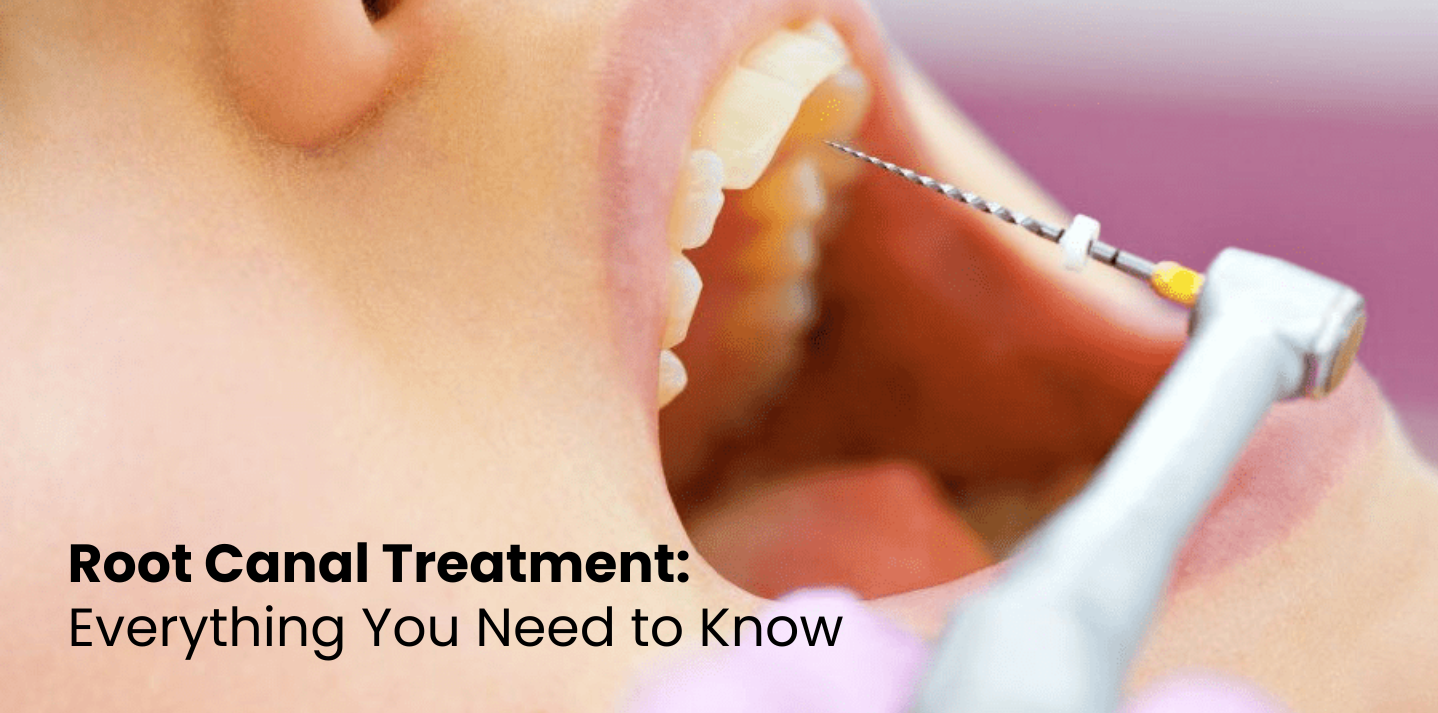
Knowing what to expect can ease your anxiety. Your dentist will begin by taking X-rays to assess the shape of the canals and the condition of the surrounding bone. After applying local anesthetic, the dentist will place a small rubber dam around the tooth to isolate it and keep it clean and dry. A small opening is then made in the top of the tooth to access the pulp chamber. Using tiny, flexible files, the dentist removes the infected pulp, cleans the canals, and shapes them for filling. The canals are irrigated with an antiseptic solution to kill any remaining bacteria. The cleaned and shaped canals are then filled with a biocompatible material, usually gutta-percha, and sealed with an adhesive cement. In most cases, a temporary filling is placed, and you will need a follow-up appointment for a permanent crown.
Post-Procedure Care and Recovery
After the procedure, it is normal to experience some tenderness or mild soreness for a few days. This is the result of the body's inflammatory response to the procedure, not a sign of a problem. Over-the-counter pain relievers such as ibuprofen or paracetamol are usually sufficient to manage any discomfort. You should avoid chewing on the affected side until the permanent crown is placed to prevent fracturing the tooth. Maintain your regular oral hygiene routine, but be gentle around the treated area. Your dentist will schedule follow-up appointments to ensure the tooth is healing properly and to fit you for a crown.
Conclusion
The root canal is perhaps the most misunderstood procedure in dentistry. The pain you fear is the pain of the infection, not the procedure itself. Modern root canals are comfortable, efficient, and effective treatments that allow you to keep your natural teeth and avoid the complications of extraction. If you have been told you need a root canal or are experiencing persistent tooth pain, do not let fear and misinformation delay your treatment. The temporary discomfort of the procedure is nothing compared to the long-term benefits of saving your tooth and eliminating infection.
Book online at https://painfreedentistsydney.com.au/
Call us at 9558 8988
Email us at info@painfreedentistsydney.com.au