Introduction
You may have noticed it one day while brushing: your teeth suddenly look longer than they used to. Or perhaps you felt a notch at the gumline or experienced a sharp twinge of cold sensitivity. These are all signs of gum recession, a condition where the gum tissue pulls away from the teeth, exposing the roots. Gum recession is a common dental problem that affects people of all ages, although it becomes more prevalent as we age. The question on everyone's mind is: can receding gums grow back? The short answer is no. Gum tissue does not regenerate on its own. Once the gums have receded, the lost tissue is gone permanently. However, this does not mean you are powerless. Understanding the causes of recession is the key to stopping it in its tracks and preventing further damage, and there are effective treatments available to restore the appearance and health of your smile.
Understanding Gum Recession
To understand why gums recede, you need to understand the anatomy of the attachment. The gum tissue, or gingiva, surrounds the teeth like a collar. A healthy gum collar is firmly attached to the underlying bone and is snug against the tooth surface. Above the attachment is the "free gum" margin, which is the thin edge you see at the gumline. When the free gum margin moves downward, away from the crown of the tooth and toward the root, it is called recession. The gums do not "grow back" because the specialized cells that form the attachment are destroyed and cannot be regenerated. Once the bone and tissue are gone, they are gone.
The Primary Culprit: Aggressive Brushing
The most common cause of gum recession, especially in otherwise healthy individuals, is aggressive tooth brushing. If you use a hard or medium-bristled toothbrush and scrub your teeth vigorously back and forth, you are not only wearing down the enamel at the gumline, you are also traumatizing the gum tissue itself. Over time, the repeated trauma causes the gums to pull away. The recession is often visible as a V-shaped notch at the gumline. This is called an abfraction lesion, and it is a classic sign of over-brushing. The solution is simple: switch to a soft-bristled toothbrush. Hold your brush like a pencil to reduce the pressure you apply. Brush in small, circular motions at a 45-degree angle toward the gumline, using gentle, sweeping strokes. Do not saw back and forth.
Periodontal Disease: The Silent Destroyer
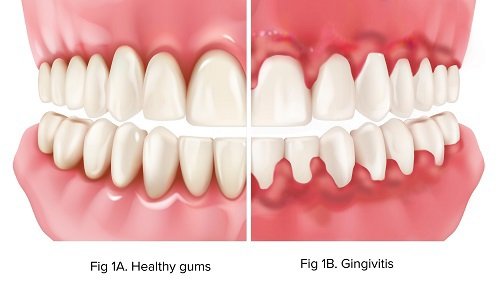
Gum disease is another major cause of recession. Periodontal disease is a chronic bacterial infection that destroys the gum tissue and the bone that supports the teeth. The bacteria release toxins that break down the connective tissue and cause the bone to resorb. As the bone is lost, the gums follow, resulting in recession. Unlike recession caused by aggressive brushing, which typically creates a V-shaped notch, recession caused by gum disease is often generalized, affecting multiple teeth. The gums may appear swollen, red, and may bleed, although in some cases, there may be no symptoms at all. Professional treatment is essential to halt the progression of the disease and prevent further recession.
Other Contributing Factors
Several other factors can contribute to gum recession. Genetics play a role; some people are born with thin, fragile gum tissue that is more susceptible to recession. Tooth grinding and clenching (bruxism) place excessive force on the teeth, which can cause the gums to recede around the affected teeth. Orthodontic treatment, especially if teeth are moved too rapidly or outside the bone, can cause recession. Tongue or lip piercings can rub against the gums and cause localized recession. Trauma to the mouth can also cause gum tissue to recede. Hormonal changes, particularly in women during pregnancy or menopause, can make the gums more sensitive and more likely to recede.
The Dangers of Receding Gums
Receding gums are not just a cosmetic issue. The root of the tooth is covered by a thin, yellowish layer called cementum, which is much softer and less protective than enamel. When the roots are exposed, they are vulnerable to erosion and decay. Root decay is a serious problem that can quickly destroy the structure of the tooth and often requires complex restorative treatment. Exposed roots are also highly sensitive to temperature changes, touch, and air. The sensitivity can be so severe that it interferes with eating and drinking. As the recession progresses, the tooth can become loose and, in severe cases, may fall out.
Treatment Options: What Can Be Done?
While the gum tissue itself cannot grow back, there are several treatment options available to address recession and its effects. The treatment depends on the severity of the recession and the underlying cause. For mild recession caused by aggressive brushing, the primary treatment is changing your brushing habits. A desensitizing toothpaste can help manage the sensitivity.
For moderate to severe recession, a gum graft (gingival graft) is often recommended. This is a surgical procedure where your dentist or periodontist takes a piece of tissue from the roof of your mouth (the palate) and transplants it to the area of recession. The graft is stitched in place to cover the exposed root. Over time, the grafted tissue heals and becomes part of the gum. This procedure reduces sensitivity, prevents further recession, protects the root from decay, and improves the aesthetics of the smile. The recovery typically involves a soft food diet and gentle care of the surgical site.
Non-Surgical Alternatives
For patients who are not candidates for surgery or who have less severe recession, a technique called pinhole surgical technique (PST) is a minimally invasive alternative. This technique involves making a small pinhole in the gum tissue and using special instruments to gently loosen the gum tissue and slide it down to cover the exposed root. This is a relatively new technique that offers faster recovery and less post-operative discomfort.
Another option is to use a composite resin filling material to cover the exposed root. The dentist carefully shapes the resin to blend in with the tooth structure. This covers the root, protects it from decay, and reduces sensitivity. However, this is a cosmetic fix and does not address the underlying issue of the receded tissue.
Prevention is the Best Medicine
Because receding gums cannot grow back on their own, prevention is paramount. The most important preventive measure is proper brushing technique. Use a soft-bristled brush. Brush gently, using short, back-and-forth strokes at a 45-degree angle to the gumline. Floss daily. Avoid chewing on hard objects like ice or pens. If you grind your teeth at night, wear a nightguard. See your dentist regularly for checkups and professional cleanings. Your dentist can measure the pockets around your teeth and monitor for signs of recession and gum disease. Early detection and intervention can prevent minor recession from becoming a major problem.
Conclusion
Gum recession is a common and irreversible condition, but it is not a hopeless one. While the lost tissue cannot grow back, you can stop the progression of the recession and take steps to protect your teeth from the consequences of exposure. By adopting gentle brushing techniques, treating gum disease, and using appropriate dental appliances, you can preserve your smile. If recession is already present, talk to your dentist about surgical and non-surgical options to restore the health and appearance of your gums. Do not ignore the signs of recession; early action is the key to long-term health.
Book online at https://painfreedentistsydney.com.au/
Call us at 9558 8988
Email us at info@painfreedentistsydney.com.au