Introduction
Pregnancy is a time of profound change for a woman's body. As your body adapts to nurture a growing baby, every system is affected, including your oral health. Many pregnant women are surprised to learn that their gums are more sensitive, their teeth may feel different, and they may be at an increased risk for certain dental problems. The old wives' tale that "you lose a tooth for every child" is a myth, but it persists because pregnancy does place unique stresses on the oral cavity. The good news is that with proper care and professional guidance, you can maintain a healthy mouth and a healthy smile throughout your pregnancy, benefiting both you and your baby.
Pregnancy Gingivitis: The Hormonal Effect
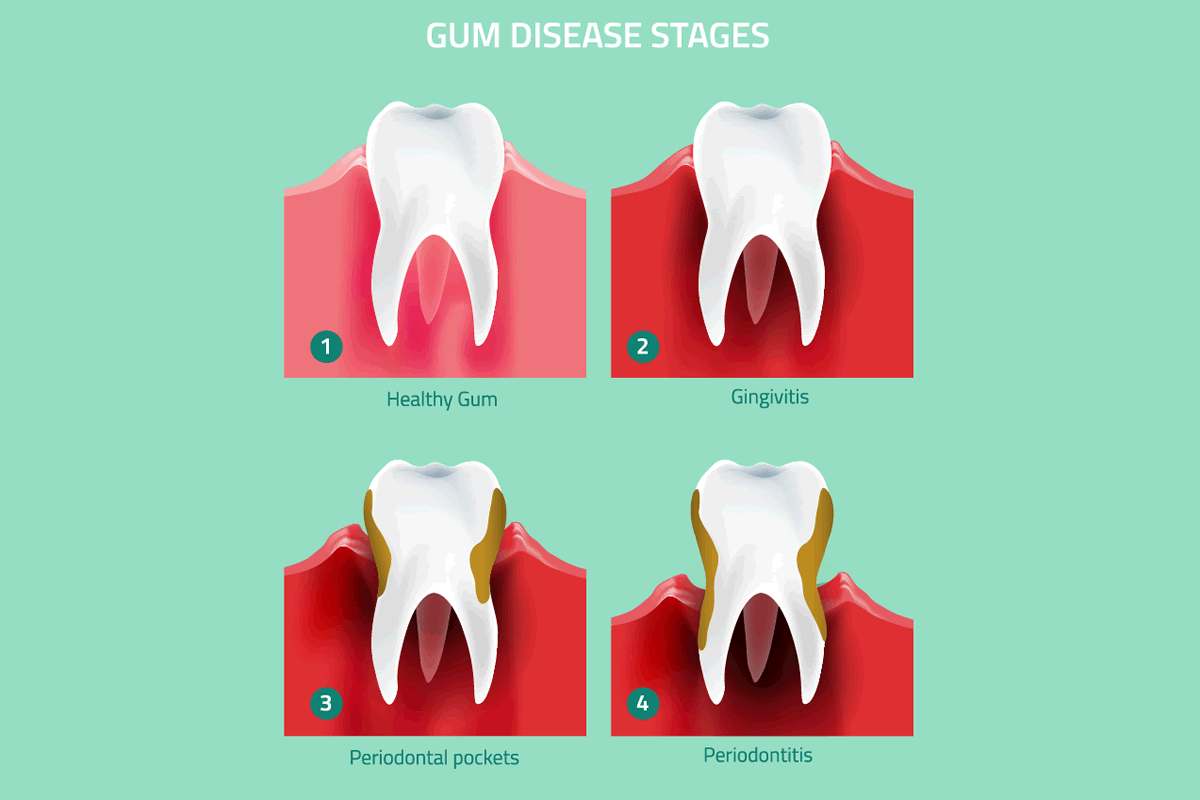
The most common dental condition associated with pregnancy is pregnancy gingivitis. The hormonal changes that occur during pregnancy, particularly the increase in estrogen and progesterone, cause your gums to become more sensitive to the plaque bacteria that are normally present in your mouth. The gums become inflamed, swollen, red, and they bleed easily when you brush or floss. Some women also develop "pregnancy tumors" or pyogenic granulomas, which are benign, often painless growths of gum tissue. These typically appear in the second trimester and usually resolve after the baby is born.
The key to preventing and managing pregnancy gingivitis is meticulous oral hygiene. You may need to brush and floss more frequently, and you may need to use a softer toothbrush to avoid irritating the tender tissues. An antimicrobial mouthwash can also be helpful. If you experience significant bleeding or swelling, see your dentist. A professional cleaning can remove the plaque and tartar that is causing the inflammation.
Morning Sickness and Tooth Erosion
Severe morning sickness, which can affect up to 80% of pregnant women, poses a significant risk to your teeth. When you vomit, stomach acid coats your teeth. Stomach acid has a very low pH and is highly erosive. It can soften and dissolve the enamel, making your teeth vulnerable to erosion, decay, and sensitivity. The risk is even higher if you vomit multiple times a day.
The most important thing to know is what not to do. After you vomit, do not brush your teeth immediately. Your enamel is soft and weakened by the acid, and brushing will literally scrub away the softened enamel. Instead, rinse your mouth vigorously with a mixture of a teaspoon of baking soda dissolved in a cup of warm water. The baking soda neutralizes the acid. Alternatively, you can rinse with plain water or a fluoride mouthwash. Wait at least 30 minutes before brushing to allow your saliva to remineralize the enamel. You can also apply a small amount of fluoride toothpaste to your finger and rub it over your teeth to provide a protective barrier.
Gum Disease and Preterm Birth
There is a growing body of evidence linking untreated gum disease (periodontitis) during pregnancy to adverse pregnancy outcomes, including preterm birth and low birth weight. The theory is that the bacteria from gum disease can enter the bloodstream and travel to the placenta, triggering an inflammatory response. This inflammation can lead to the release of prostaglandins and tumor necrosis factor, which can induce premature labor.
The link is not entirely clear, and more research is needed, but the evidence is strong enough that the American Dental Association and the American College of Obstetricians and Gynecologists recommend that all pregnant women receive a dental examination and treatment as needed. Treating gum disease during pregnancy is safe and may help reduce the risk of preterm labor. Do not put off dental treatment because you are pregnant. Routine cleanings and even some restorative treatments are perfectly safe during pregnancy.
X-Rays and Anesthesia: Are They Safe?
Many pregnant women worry about the safety of dental X-rays and local anesthesia. Dental X-rays are safe during pregnancy. A lead apron and thyroid collar are used to protect your abdomen and neck. The radiation exposure from a dental X-ray is extremely low, even lower than the radiation you are exposed to from the sun. It is far safer to have an X-ray to diagnose a problem than to leave an infection untreated.
Local anesthesia (the numbing shot) is also safe during pregnancy. Lidocaine, the most commonly used local anesthetic, does not cross the placenta in significant amounts. It is metabolized quickly and is not harmful to the developing baby. If you need dental treatment, it is generally safest to have it in the second trimester, after the baby's organs have developed. However, if you have an infection or an emergency, treatment can be provided at any stage of pregnancy.
Calcium and Your Baby's Teeth
There is a persistent myth that the baby "steals" calcium from the mother's teeth. This is false. The calcium your baby needs for bone and tooth development comes from the diet, specifically from the mother's intake and metabolism, not from the teeth. Your teeth are not a reservoir of calcium that can be depleted. However, it is still important to get adequate calcium during pregnancy, as it is essential for the baby's development. Good sources of calcium include dairy products, fortified plant milks, canned fish with bones, tofu, and leafy green vegetables. If you are not getting enough dietary calcium, your body will draw it from your bones, not your teeth.
The Importance of the Second Trimester Visit
If you are pregnant and have not seen a dentist, schedule an appointment for your second trimester (between weeks 13 and 27). This is generally considered the safest and most comfortable time for routine dental care. It is safe to sit in the dental chair (you can recline slightly to avoid pressure on your back), and the baby's organs are fully formed, reducing any theoretical risk. If you have morning sickness, it may be improving by the second trimester. During the visit, your dentist can perform a comprehensive exam and cleaning, and address any problems that may have arisen.
Postpartum Dental Care
After the baby is born, continue to prioritize your oral health. Many women neglect their own health in the hectic postpartum period, but this is a mistake. If you experienced pregnancy gingivitis, it should resolve after you give birth. However, if you developed periodontal disease, the condition may persist. Continue to brush, floss, and see your dentist for regular checkups. If you are breastfeeding, you can continue to take any prescribed medications.
Conclusion
Pregnancy is a time of change, and your mouth is no exception. By understanding the risks—pregnancy gingivitis, acid erosion, and the potential link between gum disease and preterm birth—you can take proactive steps to protect your health and your baby's health. Do not skip your dental visit. Routine care is safe, essential, and can help you maintain a beautiful, healthy smile for years to come.
Book online at https://painfreedentistsydney.com.au/
Call us at 9558 8988
Email us at info@painfreedentistsydney.com.au