Introduction
That pink tinge in the sink after you spit out your toothpaste might seem like a minor inconvenience, but it is actually one of the most significant warning signs your mouth can give you. Bleeding gums are not normal, and they are certainly not something you should simply accept as a part of life. Many people mistakenly believe that if their gums bleed, they should brush more gently or avoid flossing altogether. In reality, the exact opposite is true. Bleeding gums are your body's way of signaling that inflammation is present, and if left unaddressed, this inflammation can progress into a much more serious condition that threatens the very foundation of your teeth.
The Root Cause: Plaque and Inflammation
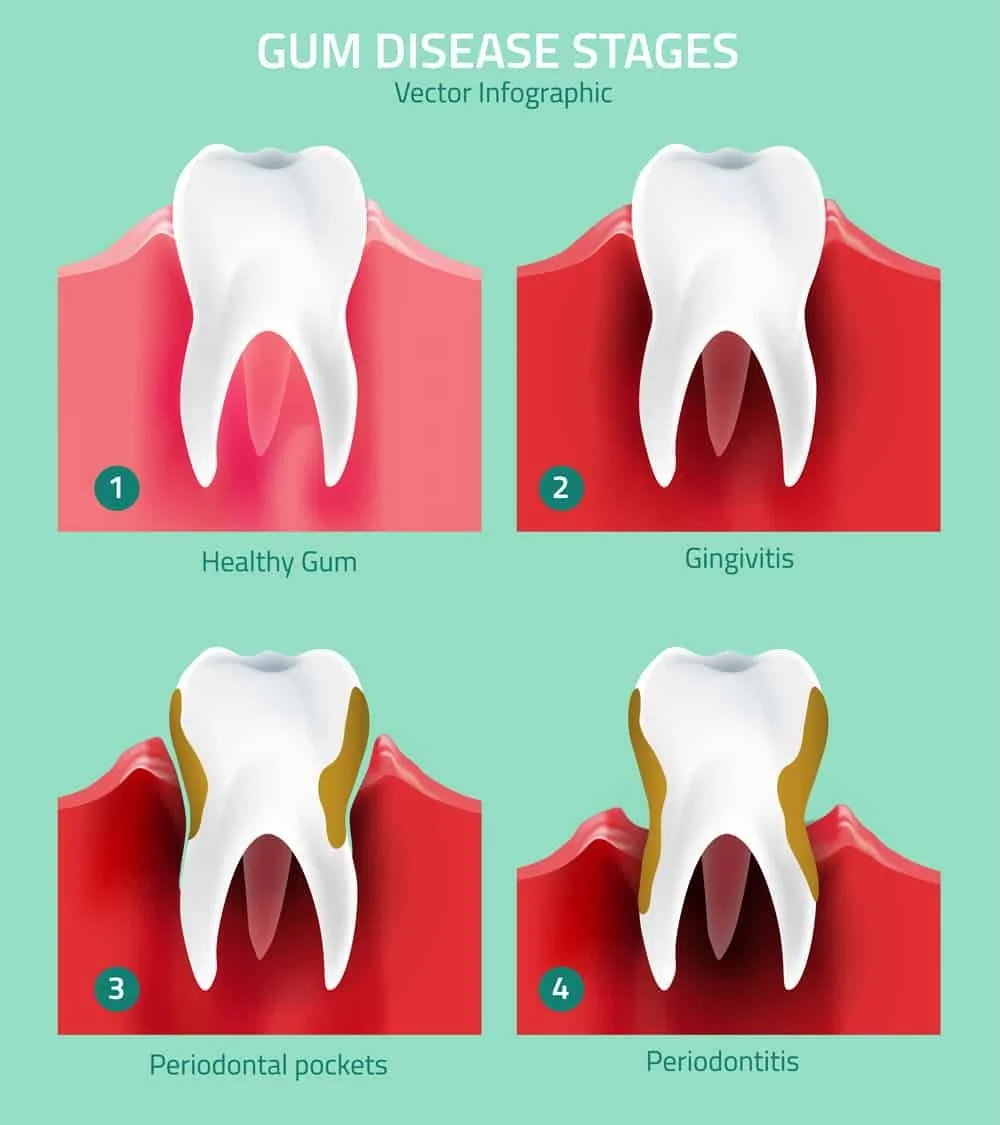
To understand why your gums bleed, you need to understand what is happening at a microscopic level inside your mouth. Your mouth is home to hundreds of different species of bacteria. These bacteria, combined with food particles and saliva, constantly form a sticky, colorless film on your teeth called dental plaque. When plaque accumulates along the gumline and between teeth, the bacteria produce toxins that irritate the delicate gum tissue. Your body's immune system responds to this irritation by sending increased blood flow to the area, which causes the gums to become red, swollen, and tender. This condition is known as gingivitis, and bleeding during brushing or flossing is its hallmark symptom.
The irony is that many people react to bleeding by avoiding the very areas that bleed. They brush more softly or skip flossing entirely because it hurts or looks alarming. However, this only allows the plaque to harden into a rough, porous substance called calculus or tartar. Once plaque hardens into tartar, it cannot be removed by brushing or flossing alone; it requires a professional dental cleaning. The tartar acts as a perfect breeding ground for even more bacteria, accelerating the cycle of inflammation and bleeding.
From Gingivitis to Periodontitis: The Slippery Slope
If gingivitis is left untreated, the inflammation can spread deeper below the gumline. The bacteria and the toxins they produce begin to break down the connective tissue and bone that hold your teeth in place. The gums begin to pull away from the teeth, forming spaces called periodontal pockets. These pockets trap even more food and bacteria, becoming difficult to clean and leading to further bone loss. This advanced stage of gum disease is called periodontitis, and unlike gingivitis, it is not reversible. The bone that has been lost does not grow back on its own. Eventually, the teeth become loose and may even fall out or require extraction.
It is important to note that periodontitis is not always painful. Many people are surprised to learn that they have severe gum disease because they experience no toothache at all. This is why regular dental checkups and X-rays are vital—they allow your dentist to measure the depth of the pockets around your teeth and monitor bone levels over time. Catching gum disease in its early gingivitis stage means you can reverse it completely with improved home care and professional cleanings. Catching it in the periodontitis stage means you are managing a chronic condition for the rest of your life.
When Bleeding Gums Signal Something Else
While poor oral hygiene is the most common cause of bleeding gums, it is not the only one. There are several other factors that can contribute to or exacerbate gum bleeding. Hormonal changes during pregnancy, puberty, or menopause can increase gum sensitivity and make bleeding more likely. Certain medications, particularly blood thinners, can make your gums bleed more easily. Vitamin C and vitamin K deficiencies can also affect gum health, as these vitamins are essential for tissue repair and blood clotting.
More seriously, bleeding gums can be an early warning sign of systemic health conditions. Diabetes, for example, impairs your body's ability to fight infection and can make you more susceptible to gum disease. Leukemia and other blood disorders can cause gum bleeding. Furthermore, the relationship between gum disease and heart disease has been well-documented; the inflammation from gum disease appears to contribute to the inflammation that damages blood vessels. If your gums bleed persistently despite good oral hygiene, it is worth discussing with your dentist and possibly your physician to rule out underlying health issues.
Solutions: How to Stop the Bleeding
The good news is that stopping bleeding gums is often remarkably simple and effective. The first and most important step is to improve your daily oral hygiene routine. Commit to brushing twice a day for a full two minutes each time, using a soft-bristled toothbrush and fluoride toothpaste. Pay special attention to the gumline, angling the bristles at a 45-degree angle so they gently sweep beneath the gum tissue.
Flossing is absolutely non-negotiable. Many people find that when they start flossing regularly, their gums bleed more at first. This is normal. The bleeding is caused by the inflammation in response to the bacteria that are suddenly being disturbed. If you keep flossing every day, the inflammation will subside, and the bleeding will stop within about a week or two. Flossing is the only way to remove plaque from between teeth where your brush cannot reach. Consider using interdental brushes or a water flosser if traditional floss is difficult for you to use.
Using an antimicrobial mouthwash can also help reduce the bacterial load in your mouth, but it should never replace brushing and flossing. Some mouthwashes contain alcohol, which can dry out your mouth and exacerbate irritation, so look for alcohol-free options. If you smoke or use tobacco products, quitting is one of the best things you can do for your gums, as smoking dramatically impairs blood flow to the gums and masks the signs of disease.
When to See a Dentist
If you have been flossing and brushing diligently for two weeks and your gums are still bleeding, it is time to see a dentist. You may have tartar buildup that requires a professional cleaning to remove. If the tartar is below the gumline, you may need a more intensive deep-cleaning procedure called scaling and root planing, where the dentist or hygienist numbs the area and scrapes the roots of your teeth to remove bacteria and smooth the surface so the gums can reattach.
Do not delay seeking professional help. The longer gum disease goes untreated, the more damage it causes. By the time you are in pain or notice your teeth shifting, significant bone loss has already occurred. Your gums are the foundation of your smile, and they deserve the same attention and care you give to your teeth.
Conclusion
Bleeding gums are a clear signal that something is wrong. They are the earliest warning sign of gum disease, and they give you a valuable opportunity to intervene before permanent damage occurs. By improving your brushing and flossing habits, addressing lifestyle factors, and visiting your dentist regularly, you can stop the bleeding and restore your gums to health. Remember, your oral health is a window to your overall health, and paying attention to what your gums are telling you is one of the most important things you can do for your wellbeing.
Book online at https://painfreedentistsydney.com.au/
Call us at 9558 8988
Email us at info@painfreedentistsydney.com.au