Introduction
Many patients breathe a sigh of relief after their dental implant procedure is complete and the final crown is placed. They believe the hard part is over. However, the reality is quite different: the journey of implant care truly begins once the restoration is placed. Some patients mistakenly believe that because dental implants cannot develop tooth decay, they require less attention than natural teeth . This is a dangerous misconception. While the implant itself is artificial, the gum tissue and bone that support it are very much alive and susceptible to disease . Without diligent care and maintenance, even the most expertly placed implant can fail. Understanding the unique care requirements of dental implants is essential for protecting your investment and ensuring your smile lasts a lifetime.
Peri-Implantitis: The Silent Threat
The most significant threat to the longevity of your dental implant is a condition called peri-implantitis . Peri-implantitis is an inflammatory disease that affects the tissues surrounding the implant . It begins when plaque accumulates around the implant, leading to inflammation of the gum tissue (peri-implant mucositis). If left untreated, this inflammation can progress and spread to the bone supporting the implant . The bone begins to resorb, and the implant can eventually become loose and fall out .
A milder form of this condition, peri-implant mucositis, is more common. Studies have reported rates as high as 53% for zirconia implants . Peri-implantitis, the more severe form, has been reported in 1.8% to 7% of titanium implants and 0% to 6.7% of zirconia implants in various studies . While these rates may seem low, they represent a real and avoidable risk for implant patients. The key takeaway is that inflammation around an implant is not a trivial issue; it is a warning sign that requires immediate attention.
Why Implants Are Vulnerable
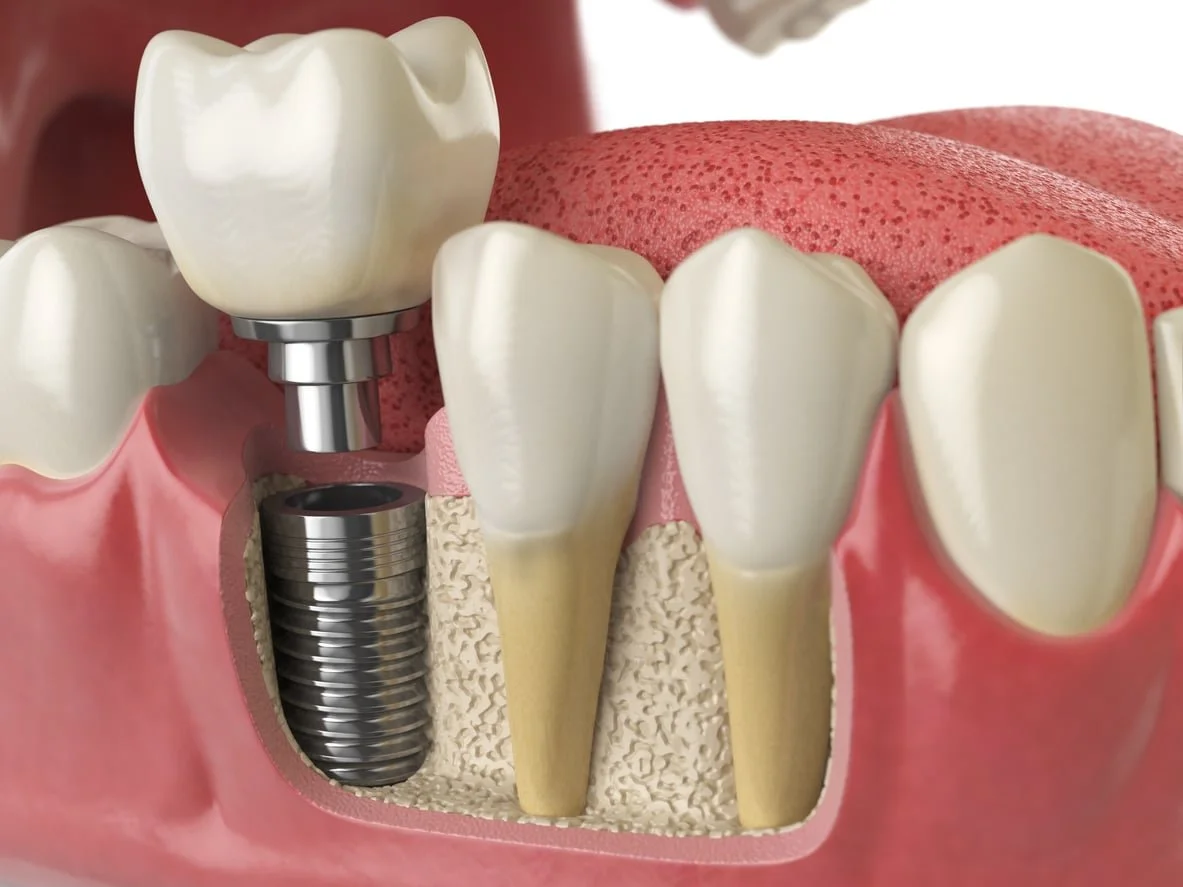
Understanding why implants are vulnerable to disease requires understanding the anatomy of the attachment. Natural teeth have a periodontal ligament, a soft tissue structure that connects the tooth root to the bone and provides a biological seal. Implants do not have this ligament. They are fused directly to the bone through osseointegration . The seal between the implant and the gum tissue is less robust than that of a natural tooth. This makes the area around an implant more susceptible to bacterial invasion if not kept meticulously clean .
Furthermore, the implant and its supporting crown or bridge can have microscopic gaps where bacteria can accumulate. Excess cement used to secure the crown is another common culprit. Cement that is not completely removed can become a breeding ground for bacteria, leading to inflammation and infection . The risk of peri-implant disease is higher in patients who smoke, have uncontrolled diabetes, or have a history of severe gum disease .
Daily Care: Brushing, Flossing, and Beyond
The cornerstone of implant care is meticulous daily cleaning. Patients should brush thoroughly at least twice a day, paying special attention to the gumline around the implant . A soft-bristled toothbrush is recommended to avoid scratching the implant surface. Cleaning between the teeth and around the implant restoration is equally important .
The specific tools used will depend on the type of restoration. For a single-tooth implant, the cleaning method is similar to that for a natural tooth. Regular floss can be used, but special cleaning aids are often needed. Interdental brushes, which are small, cone-shaped brushes that fit between teeth, are highly effective for cleaning around implants . Superfloss, which has a stiff end for threading under bridges, is essential for cleaning implant-supported bridges . Water flossers (oral irrigators) can also be very effective for flushing out food debris and bacteria from hard-to-reach areas.
For patients with implant-supported dentures that are removable, the implant abutments must be cleaned circumferentially with a small, single-tuft toothbrush. The denture itself should be cleaned daily with a soft brush and a mild cleaning agent, just like a conventional denture, and stored in water overnight .
Professional Maintenance: The Hygienist's Role
Daily care alone is not sufficient. Regular professional cleanings and examinations are essential for the long-term success of your implant . Your dentist or hygienist has specialized instruments to clean around implants without scratching the surface. Dental implants are typically made of titanium, and scratching the surface can create crevices where bacteria can hide. Hygienists use implant-safe scalers, which are often made of plastic or titanium to avoid scratching the implant surface .
During these professional visits, your dentist will measure the pockets around the implant to check for signs of gum disease. They will also assess the stability of the implant and the condition of the restoration. X-rays may be taken periodically to monitor the bone levels around the implant. Catching a problem early, such as detecting a small amount of bone loss, allows for intervention before it becomes a major issue .
Recognizing the Warning Signs
Patients need to be vigilant and aware of warning signs. Bleeding, swelling, tenderness, or persistent bad breath around an implant should never be ignored . Similarly, if the implant tooth feels loose or moves, you should contact your dentist immediately . Pain that steadily worsens rather than improving, or increasing swelling a few days after surgery, may indicate complications . If you notice any changes, seek professional advice promptly. The earlier a problem is identified, the easier it is to treat .
Lifestyle Factors
Certain lifestyle factors can significantly affect implant success. Smoking is particularly harmful. Smoking reduces blood flow to the gums, impairs healing, and increases the risk of bone loss around the implant . Patients who smoke are at a significantly higher risk of implant failure and peri-implantitis . Alcohol consumption during the initial healing phase can interfere with clot formation and medications. Patients should refrain from alcohol after surgery . Quitting smoking is one of the most important steps an implant patient can take to ensure the longevity of their restoration.
Conclusion
Dental implants are a significant investment in your oral health and quality of life. They offer a permanent, functional, and aesthetic solution for missing teeth. However, the success of that investment depends entirely on the care it receives afterward. An implant is not a "set it and forget it" solution. It requires diligent daily brushing, interdental cleaning, and regular professional maintenance . By understanding the risks of peri-implantitis and adopting a proactive approach to care, you can protect your implant and ensure it remains a healthy and beautiful part of your smile for decades to come.
Book online at https://painfreedentistsydney.com.au/
Call us at 9558 8988
Email us at info@painfreedentistsydney.com.au