



I Have Jaw Pain on One Side, Can This Be TMJ?

Temporomandibular joint disorders (TMJ) often develop symmetrically, in both jaw joints at the same time. However, it is possible for people to develop the disorder and experience symptoms on just one side of the head. However, as the condition progresses, it will likely spread to affect the other joint as well.
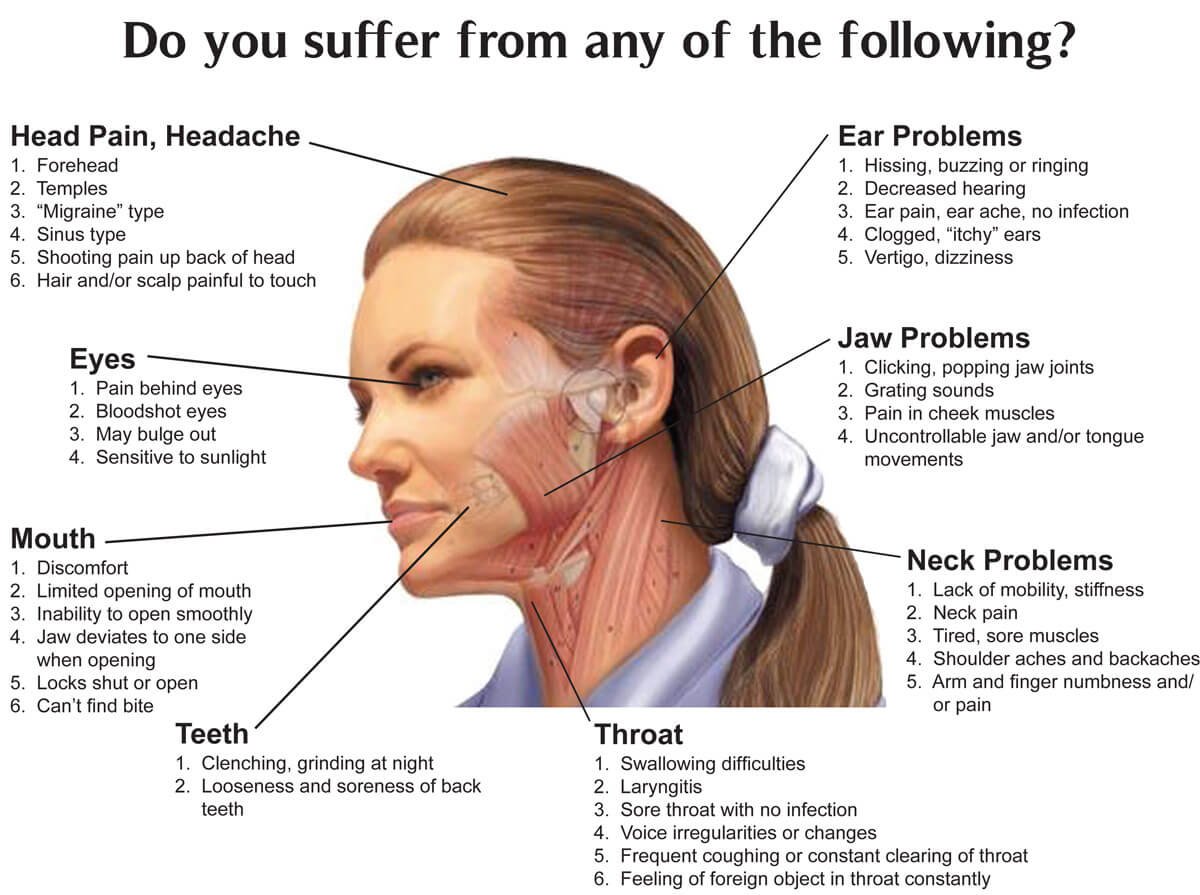
Symptoms of TMJ

Why TMJ Might Develop on Just One Side

The temporomandibular joints are supposed to work as a matched pair, balancing forces in a way that maintains healthy function over the long term. It’s also possible that they can become unbalanced, leading to dysfunction on just one side of the face.
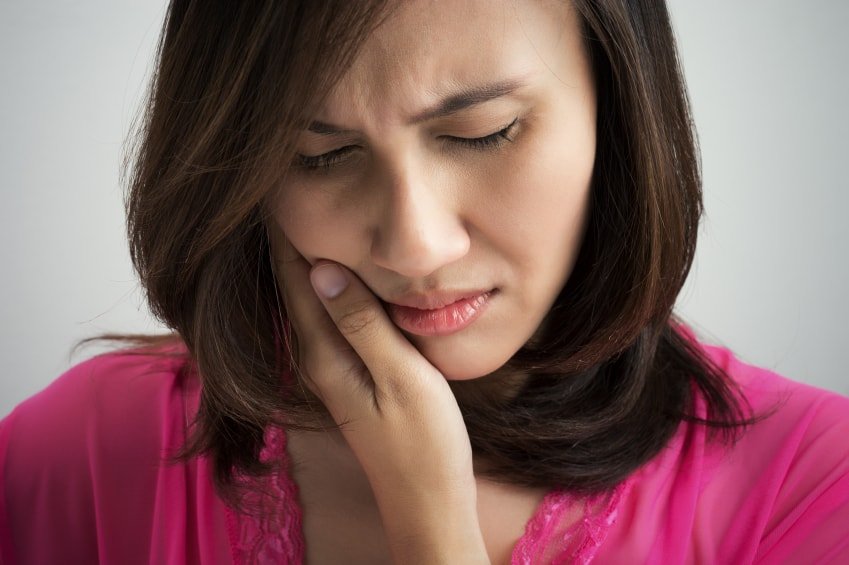
Jaw Pain

Usually, trauma is the cause of imbalance. If you experience a blow to one side of the face, you might experience damage to the jaw joint, which can cause dysfunction. Of course, sometimes this isn’t the side that starts to show symptoms. After you start to experience jaw pain on one side, it’s not uncommon to favor that side. You might consciously chew on the other side of your mouth, which can lead to jaw damage and muscle soreness there.

Another reason for the imbalance in jaw joint damage is simply that you might strongly favor one side of your jaw over the other. Similar to handedness, some people have a tendency to chew mostly on one side of their mouth, which can stress the jaw joint, leading to dysfunction. With a habit like gum chewing, it’s possible to do a lot of damage to your jaw joint when favoring one side over the other. Unconscious clenching and grinding (bruxism) can also be governed by your tendency to favor one side over the other, and because you might clench with 50 times the force or more than you normally chew with, damage can escalate quickly.

Jaw joint damage might be more directly linked to handedness, too. If you are strongly right-handed, for example, you might be more likely to put objects into your mouth on the right side, and biting down on these pens, pencils, fingernails, and other objects can damage your jaw joint (not to mention your teeth!).

Symptoms Will Likely Spread

So, yes, it is possible to develop TMJ on just one side of the face. However, the condition probably won’t stay isolated like that. After all, the two joints do work together, and what affects the one will affect the other, though often in an inverse way. If you are compressing one jaw joint, you might be expanding the other. This causes stress, too, though it might not be obvious at first.

When you bite, chew, and grind on one side of the mouth, you can cause the teeth to wear down there much faster than on the other side. This can cause your jaw to tilt visibly, creating an uneven facial appearance. Not only that, but eventually the stretching force will lead to dysfunction in the decompressed joint.

You might also spread dysfunction in the same way you developed it on the first side: by compensating. If one jaw joint is causing  you pain such as headaches, you can switch over to the other side to avoid the pain. This might work, but over time both joints can develop TMJ symptoms.

Correct Problems Before Symptoms Spread

Fortunately, TMJ is treatable. And if you’re experiencing symptoms on just one side of your face, treatment can head off the spread of those symptoms.

If you are looking for treatment of TMJ in the Sydney area, please call 02 9558 8988 today for an appointment with Dr Chong in Hurlstone Park or email us at info@painfreedentistsydney.com.au

Everything You Need to Know About TMJ Dysfunction/Disorder

What is TMJ

TMJ is an abbreviation for Temporo-Mandibular Joint which is the jaw joint or the connecting joint between your jaw and skull. You can find the TMJ by placing your fingers just in front of your ears and opening and closing your mouth. A TMJ disorder may affect one or both joints, often causing pain and limited jaw function.

Symptoms for TMJ Dysfunction may include:

  • Jaw locking

  • Jaw clicking or grating

  • Difficulty chewing

  • Headaches

  • Earaches

  • Chirodontic issues (face, neck, or back pains)

  • Clenching and grinding of teeth (bruxism)

  • Toothache

  • Muscle spasms

  • Misaligned bite

Possible Causes for TMJ Dysfunction

  • Missing teeth

  • Grinding or clenching of teeth (bruxism), which may as a result of stress

  • Emotional or physical stress and tension in the jaw muscles

  • Injuries such as TMJ fractures or dislocations

  • Degenerative diseases such as osteoarthritis and rheumatoid arthritis

  • Wrongly shaped dental fillings, crowns, and bridges.

When to See a TMJ Specialist

Medical attention is highly recommended when pain and/or tenderness is persistent in your jaw.

Call us now at 02 9558 8988 or email us at info@painfreedentistsydney.com.au to have your TMJ consultation done today!

POTENTIAL CAUSES OF JAW PAIN ON ONE SIDE

Temporomandibular joint disorders (TMJ) often develop symmetrically, in both jaw joints at the same time. However, it is possible for people to develop the disorder and experience symptoms on just one side of the head. However, as the condition progresses, it will likely spread to affect the other joint as well.

There are several causes affecting one-sided jaw pain:

Jaw Trauma

A broken jaw

Jaw trauma can be classified into two types: a broken/fractured jaw or a dislocated jaw.

A broken jaw is a break (fracture) in the jaw bone. A dislocated jaw means the lower part of the jaw has moved out of its normal position at one or both joints where the jaw bone connects to the skull (temporomandibular joints).

A broken or dislocated jaw usually heals after treatment. Nonetheless, patients may develop complications such as the jaw can dislocate out of its usual position, causing teeth crowding (misalignment), swelling or infection of the face and jaw, difficulty eating, difficulty talking, as well as TMJ dysfunctions (ongoing jaw and face pain).

Dental Issues:

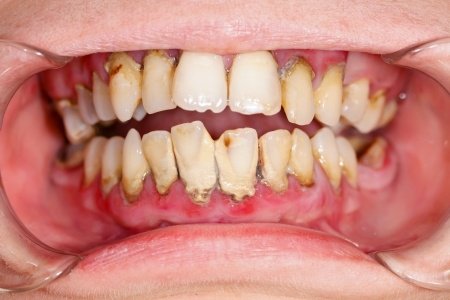
Dental problems can often seem like jaw problems. In particular, a visibly damaged tooth will certainly cause cavities, which can result in jaw pain when the tooth deteriorates to a point where the tooth root becomes infected. This infection can spread to tissues in the jawbone which can cause severe pain if left untreated.

To look out for tooth infections that can cause jaw pain, visible signs you can find are damaged or discolored teeth/enamel, sores on your gums, discharge from the tooth and/or gums, and bad breath.

Tooth infections

Adults with growing wisdom teeth can experience jaw pain if they shift their teeth’ alignment or cause unwanted pressure in the jaw. If you are between ages 17 to 25 years, you can feel the wisdom tooth pushing through the very back part of your gums, causing gum and jaw pain.


Sinusitis:

Sinusitis, or commonly called sinus infection, is a medical condition in which the cavities around the nasal passages become inflamed. Acute sinusitis can often be caused by the common cold, a viral infection, which usually resolves on its own. Chronic sinusitis may last up to eight weeks. Both acute and chronic sinusitis require medical treatments such as pain medications, nasal decongestants, and nasal rinses however, chronic sinusitis may require antibiotics in addition as well. Some symptoms can include a stuffy (congested) nose, which can prevent the drainage of your nose’s mucus, headaches and/or facial pains.

Healthy sinus vs. Sinusitis

Your jaw area can become inflamed and in pain when you are suffering from sinus infection. This is likely to happen due to the pressure on your sinus cavity spreading to other areas of your face.

Chronic sinusitis has symptoms that can overlap with TMJ dysfunction, such as:

  • Headaches

  • Facial pain or pressure

  • Jaw pain

  • Toothache

  • Neck pain

  • Ear pain or tinnitus

  • Dizziness or vertigo

Want to solve your jaw pain issues? Call us now at 02 9558 8988 or email us at info@painfreedentistsydney.com.au to organise a consultation today!