Teeth Whitening For The Perfect Smile

Why does my teeth turn yellow?

Teeth can turn yellow for several reasons, and it's often a result of a combination of factors. Here are some common reasons why teeth may become discolored:

  1. Staining from food and beverages: Consuming certain foods and drinks, such as coffee, tea, red wine, berries, and certain spices, can stain the enamel of your teeth over time.

  2. Tobacco use: Smoking or using other forms of tobacco can lead to yellowing of teeth. Nicotine and tar, present in tobacco products, can contribute to discoloration.

  3. Poor oral hygiene: Inadequate brushing and flossing can lead to the buildup of plaque and tartar on teeth, which can cause them to appear yellow. Good oral hygiene practices help prevent this.

  4. Aging: As people age, the enamel on their teeth naturally wears down, revealing the yellowish dentin underneath. This can make teeth look more yellow over time.

  5. Genetics: Some people may have naturally thicker or more translucent enamel, which can affect the appearance of their teeth. Genetics can play a role in tooth color.

  6. Medications: Certain medications, such as tetracycline antibiotics, can cause tooth discoloration when taken during tooth development in childhood.

  7. Dental trauma: Injury to the teeth can cause them to darken or turn yellow, especially if the trauma affects the blood supply to the tooth.

  8. Fluorosis: Excessive fluoride intake during tooth development, usually in childhood, can lead to fluorosis, causing discoloration and pitting of the enamel.

  9. Medical conditions: Some medical conditions, such as certain metabolic disorders or jaundice, can affect tooth color.

  10. Poor diet: A diet lacking in essential nutrients, particularly calcium, can contribute to tooth discoloration.

What does whitening do to my teeth?

Tooth whitening, also known as teeth bleaching, is a cosmetic dental procedure designed to lighten the color of your teeth. The process involves the use of bleaching agents, typically hydrogen peroxide or carbamide peroxide, to break down and remove stains on the tooth enamel. Here's what tooth whitening does to your teeth:

  1. Removes Stains: Tooth whitening primarily targets extrinsic stains on the enamel surface. These stains can result from the consumption of pigmented food and drinks, smoking, or other external factors. The bleaching agents penetrate the enamel and break down the molecules responsible for staining, making the teeth appear whiter.

  2. Lightens Intrinsic Stains: In addition to extrinsic stains, tooth whitening can also have some effect on intrinsic stains, which are stains that occur within the tooth structure. However, the effectiveness of whitening on intrinsic stains may vary, and severe intrinsic discoloration may require other cosmetic dentistry procedures like veneers.

  3. Brightens the Overall Appearance: Tooth whitening can enhance the overall brightness of your smile by improving the shade of your teeth. It is a non-invasive way to achieve a more aesthetically pleasing smile.

It's important to note that tooth whitening procedures have some limitations and may not be suitable for everyone. For instance:

  • Not Effective on Restorations: Whitening agents typically do not work on dental restorations like crowns, bridges, or fillings. If you have such restorations, they may need to be replaced to match the newly whitened natural teeth.

  • Temporary Results: The effects of tooth whitening are not permanent, and the teeth may gradually re-stain over time, especially if you continue to consume staining substances.

  • Sensitivity: Some individuals may experience tooth sensitivity during or after the whitening process. This is usually temporary and can be managed with desensitizing toothpaste or other strategies.

  • Gum Irritation: Whitening agents can irritate the gums, so it's important to follow the instructions provided by your dentist and use any recommended protective measures.

Before undergoing any tooth whitening procedure, it's advisable to consult with a dentist. They can assess your oral health, determine the cause of discoloration, and recommend the most appropriate whitening method for your specific situation. Additionally, professional supervision helps ensure safety and effectiveness in achieving the desired results.

How can I whiten my teeth ?

At Pain Free Dentist Sydney, our experts offer in-chair whitening treatment as well as take-home whitening kits for your convenience. Book an appointment today to see if you’re suitable for whitening treatment! Call us at 02 9558 8988 or email info@painfreedentistsydney.com.au today

I have bad breath, what do I do?

What is bad breath?

Bad breath is an oral health problem that is typically caused by bacteria in the mouth.

How do I get rid of bad breath?

Causes of Bad Breath

  • Poor oral health care - Without correct and regular brushing and flossing, as well as regular dental cleans, food remains in the mouth and creates a breeding ground for bacteria. Food that collects on the teeth, gums, and tongue may rot and cause an unpleasant odor and taste in the mouth.

  • Gum disease - bacteria and plaque build-up around the gumline can cause inflammation and exacerbation of gum disease

  • Smoking - tobacco products allow host for bacteria and also puts a higher risk for gum disease, bad breath and loss of taste

  • Underlying health conditions

How do I get rid of bad breath?

  • Brush and floss your teeth at least twice a day.

  • Visit your dentist on a regular basis for check-ups and cleans to find problems such as gum disease and infections

  • Brush your tongue, cheeks, and the roof of your mouth. Most bad breath bacteria live on the tongue making it very important to clean the tongue.

  • If you use dentures, remove them at night and clean them before putting them back in.

  • If you smoke, quit. This will improve your breath and health.

I want to get a check-up and clean done

Great! At Pain Free Dentist Sydney, we can provide these services for you, especially for patients with fear of pain or anxiety.

Call 02 9558 8988 or email info@painfreedentistsydney.com.au to make a booking today!

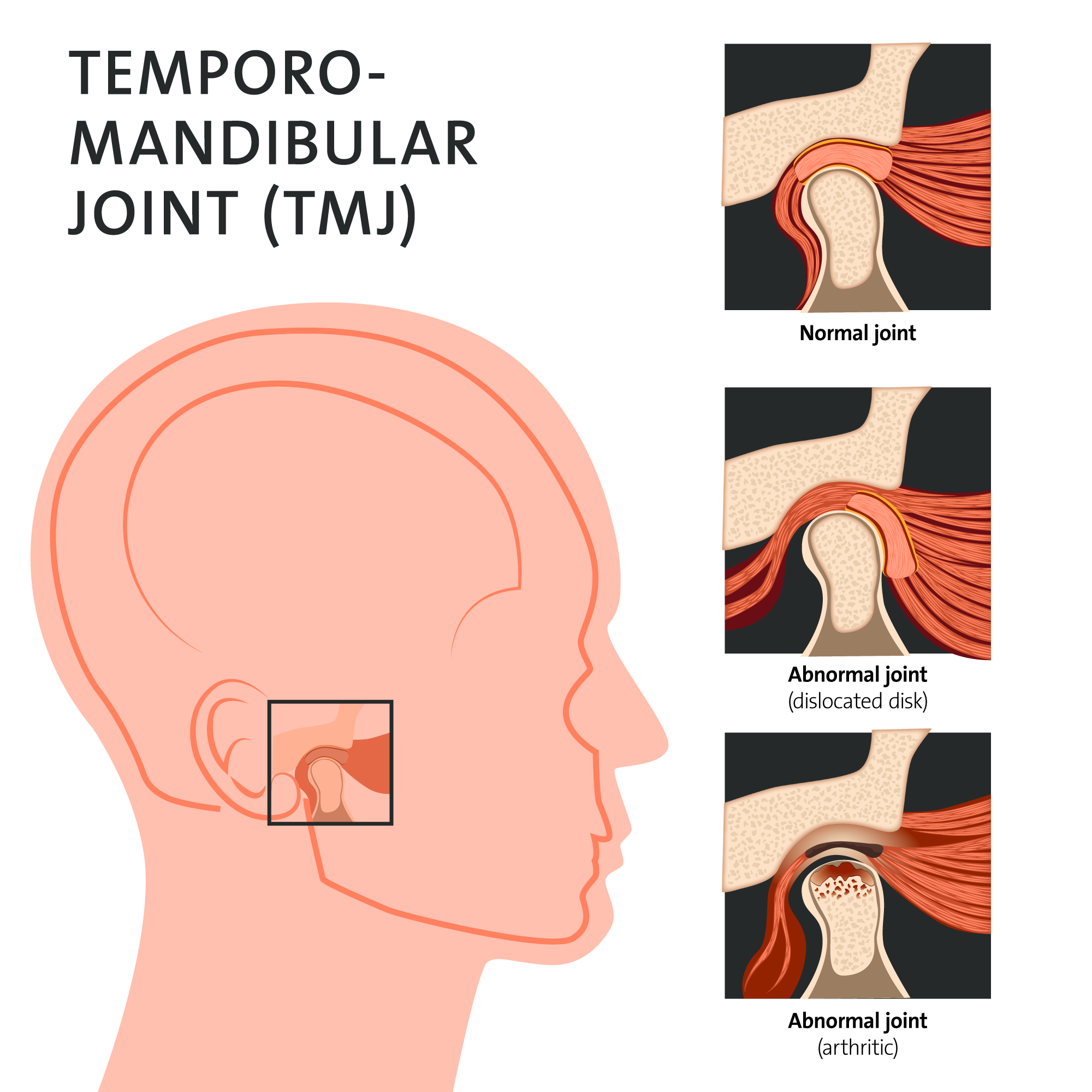
Your Guide to TMJ/TMD

What is TMJ?

TMD otherwise known as Temperomandibular Disorder is when the Temperomandibular Joint (TMJ) and its surrounding muscles and ligaments are not functioning as they should be.

The exact cause of TMJ disorders is not known, but issues with the joint can arise from:

  • injury to jaw, the joint itself or a heavy blow leading to whiplash affecting muscles of head and neck

  • grinding and clenching teeth - puts a lot of pressure on the TMJ

  • arthritis in the joint

  • stress causing you to tighten facial muscle and jaw to clench teeth

  • orthodontics

TMJ Introduction

Why do I clench my teeth?

Clenching or bruxism can occur for a variety of reasons, some being:

  1. Sleep-disordered breathing - if you have sleep apnea or UARS you tend to not have enough oxygen during sleep, so your body tends to move the mandible (or lower jaw) forward in your sleep to expand airways and increase oxygen intake

  2. Stress - during stressful times, the body tends to exert more force on the teeth and jaw by clenching

  3. Side effect of SSRI medications - anti-depressants and medications like lexapro have a common side effect of increasing the amount of clenching

  4. Stability - clenching the jaw is another way of bringing a sense of ‘stability’ to the body. Postural issues play a role in TMD, so if one shoulder is higher than the other or one hip is higher, the jaw clenches as a way of stabilising itself, which leads to TMJ disorders.

  5. Hypermobility - if you have Ehler-Danlos Syndrome, you may be more hypermobile and have overly relaxed joints. This can cause your temperomandibular joint to dislocate and click/pop

  6. Trauma - whiplash from accidents or injury to head and neck region can cause neck strain which can lead to TMJ dysfunction, TMD.

How do I know if I have TMD/TMJ?

If you have the following symptoms, you may have TMD:

  • Pain or tenderness in face, neck, shoulder, jaw joint, when you speak or eat

  • Having problems opening mouth wide

  • Jaw that gets constantly ‘stuck’ or locked

  • Clicking and popping sounds when you open mouth

  • trouble chewing or uncomfortable teeth resting position

  • vertigo, headaches or migraines

  • dizziness, earaches, ear ringing

  • tired jaw

  • nausea

  • family history of TMJ

  • pain in either jaw joint

  • loss of hearing

  • pain in, around or behind eyes

  • blurry vision

  • hearing grating noises

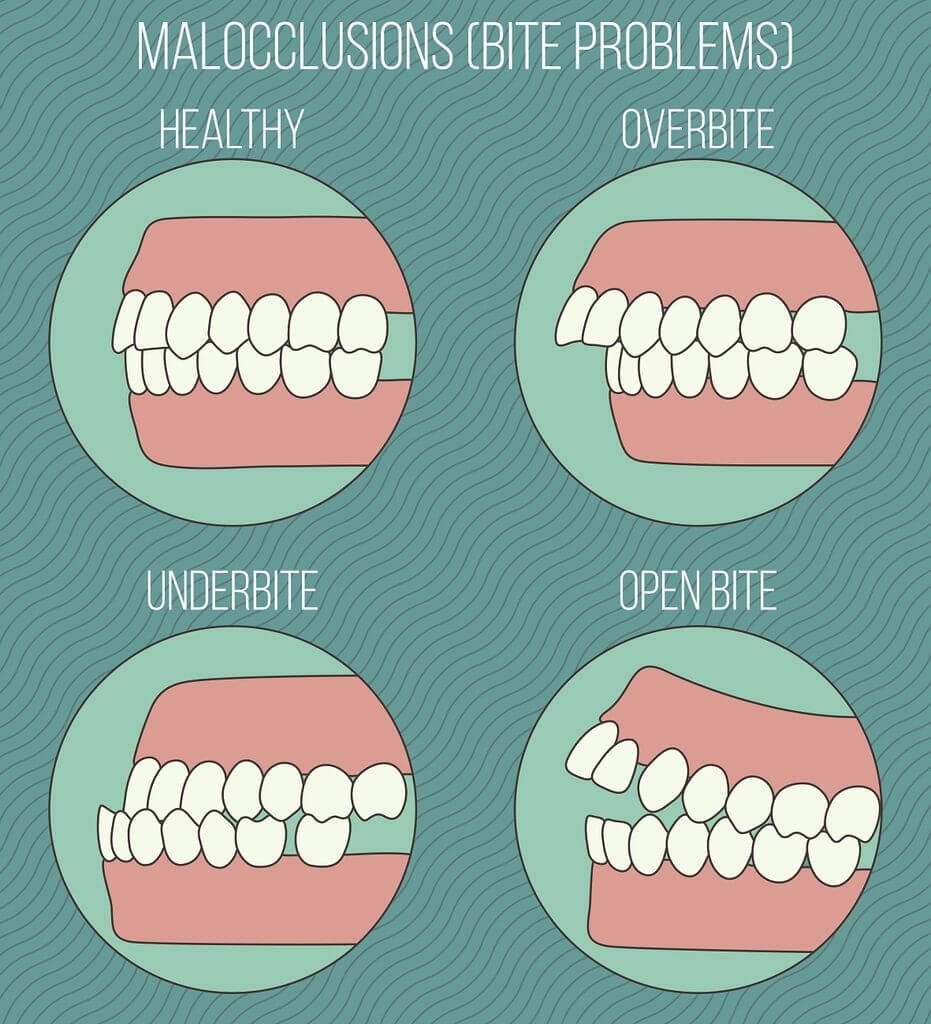
For reference, this is the correct position for your teeth to be in:

Malocclusions (Bite Problems)

Can you treat TMD/TMJ?

TMJ treatment varies from person to person.

Here at Pain Free Dentist Sydney, Dr Lisa Chong specialises in treating TMJ in a 3-dimensional manner to ensure there is the least possible pain present. While others may focus on reducing the pressure on the teeth from clenching, Dr Lisa aims to guide your jaw back to its correct, original position.

Think you have TMJ or want to consult about it? Call us at 02 9558 8988 or email info@painfreedentistsydney.com.au to book your consultation today.