



Lip fillers Sydney - All your need to know about dermal lip fillers

What are lip fillers made of?

Lip fillers are comprised of biocompatible and temporary materials that would break down after a few months post-injection. The most commonly used ingredient for lip filers is hyaluronic acid (HA), a natural substance found in the body. HA attracts water, which helps to hydrate and volumise the lips. Additionally, due to its ability to be dissolved with an enzyme called hyaluronidase, HA is a popular and safe choice among clients.
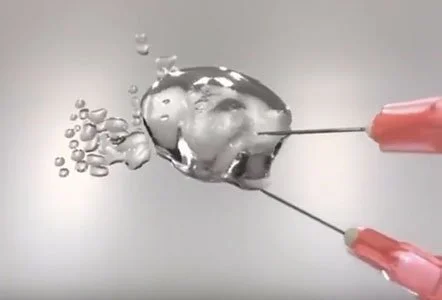
Dissolvable HA found in skin and connective tissue of the body

Another ingredient is Poly-L-Lactic-Acid (PLLA), a biodegradable synthetic substance that allows skin cells to stimulate collagen production. PLLA fillers are not used directly on the lips but rather, can enhance the surrounding areas and indirectly augment lip appearance over time.

In certain cases where patients prefer a more pronounced effect on their lips, calcium hydroxylapatite (CaHA) can be used. CaHA is a mineral-like compound naturally found in human bones, which has the effect of stimulating natural collagen, offering longer-lasting results than HA. Hence, it’s typically used in thicker formulations and mainly for deeper lines and wrinkles.

Each ingredient would either add more volume directly or act as a collagen stimulator to enhance the lip appearance. It is best to consult a qualified health practitioner to avoid complications or side effects from different types of fillers.

Risks and Considerations

While complications are rare, lip fillers can lead to temporary side effects such as swelling, bruising, or discomfort. In some cases, fillers may migrate or form lumps, which in this case patients can choose to get them dissolved and rebook their appointment.
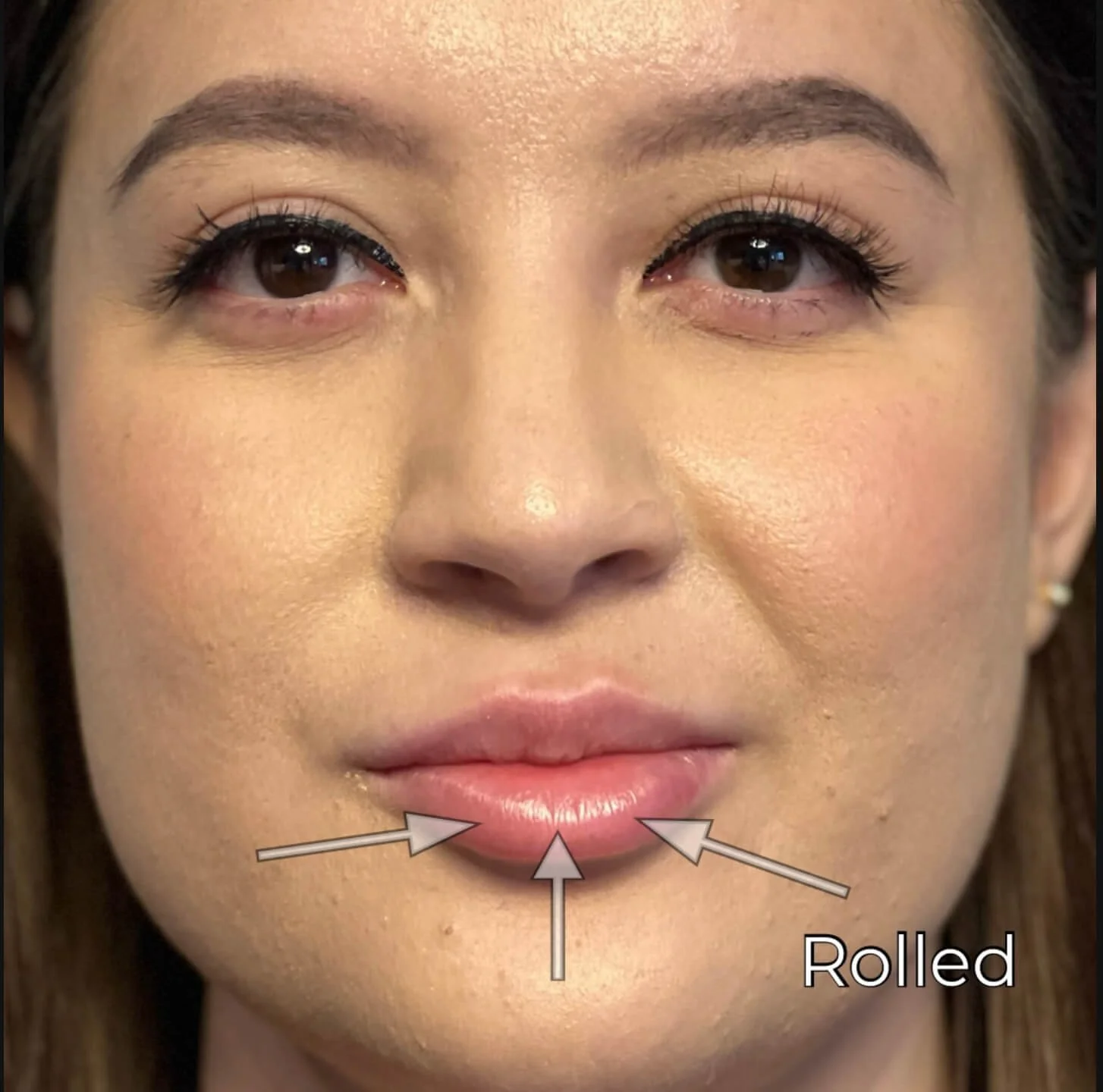
Lip fillers can potentially migrate, however this can be fixed via enzyme hyaluronidase treatment. However, migrating cases are rare.

Similarly, individuals allergic to certain substances, including components of lip fillers like lidocaine, should avoid treatment. Pregnant or breastfeeding individuals are also advised against undergoing lip filler procedures.

What to expect in your visit?

Lip filler results can be seen immediately; however, it is important to understand that your lips will be swollen, and your lasting results will appear as the swelling goes away. During your procedure, a qualified doctor will observe the shape of your lip and outline how much injecting volume is required. This can also be combined with additional mapping of the desired lip shape and side effects discussions. In your subsequent (complementary) injectables consultation, your doctor will sit down with you to discuss your lip goals and develop a personalised treatment plan for you.

Pre + Post Treatment Care

What should you do before treatment?

For about a week before the treatment, you should avoid cosmetic microneedling, chemical peels and all forms of sun exposure.

A day before your visit, you should avoid any over-the-counter blood-thinning medications or multivitamins that can cause any bruising side effects. Ensure to not take alcohol or smoke before your visit.

What should you do AFTER treatment?

After treatment, we will be providing you with a numbing gel/cream or ice pack if required. Alcohol or oral painkillers should be avoided because of their thinning properties.

You should avoid sleeping with your face to the pillows to prevent lip migration and/or alter in shape.

Should I massage my lips post-treatment?

Your doctor will advise you on how to massage your lips and how often to massage. Sometimes you may be asked not to massage them at all. It is important to follow your doctor’s recommendations as they will be tailored specifically to you and your treatment. If you are unsure when you get home, do not hesitate to phone your doctor or email the practice.

Where to get lip fillers?

At Pain Free Dentist Sydney, we offer hyaluronic acid fillers for facial areas. Dr. Chong, a beauty enthusiast, has over 30 years of expertise in cosmetic dentistry and can perform filler procedures under fully safe conditions.

If you wish to consult about your dental or any cosmetic concerns, please do not hesitate to contact us at 9558 8988. Alternatively, you can reach us via our email info@painfreedentistsydney.com.au.

All you need to know about PDO threads for natural face lift

Polydioxanone (PDO) threads are biodegradable cosmetic threads mainly used to lift the skin and encourage collagen production.

Different types of PDO threads

Each patient has unique cosmetic concerns such as sagging skin, volume loss, wrinkles, and hyperpigmentation in the wrinkled areas. Hence, a qualified health practitioner can identify your specific needs and give you the correct PDO thread type.

There are many types of PDO threads, such as:

  • PDO mono threads: also called smooth threads, are types of sutures that boost collagen production to provide more volume to the wrinkled area

  • PDO cog threads: are composed of barbed threads shaped like a fish hook that can attach to the dermis of your skin, providing an instant mini-lift

  • PDO screw threads: comprised of one or two intertwined threads to lift small refined areas such as under the lateral eyebrow, corners of the nose and mouth as well as the chin

There are newer types of threads such as PCA and PLA, which last longer in the body and provide more collagen production. However, PDO threads are better at repositioning and rejuvenating the skin tissues, while PCA and PLA are better at lifting the sagging part of your skin.

The PDO process outline

Before Treatment:

  • Consultation: Commencing with a consultation led by a qualified practitioner, this stage involves outlining your objectives and assessing suitability for PDO thread treatment.

  • Medical History: Detailed inquiries into medical history, encompassing underlying health conditions and current medications, ensure procedural safety.

  • Treatment Plan: Tailored to individual needs, the treatment plan outlines targeted areas, thread quantities, and expected outcomes.

  • Preparation: On treatment day, arriving with a clean face is typically advised. The treatment area undergoes cleansing, with the potential application of local anesthesia or numbing cream for comfort. Please ensure to avoid the sun as much as possible and minimise taking over-the-counter blood thinners.

During the Procedure:

  • Thread Insertion: PDO threads are delicately inserted beneath the skin via thin needles or cannulas, strategically placed to lift and tighten targeted areas.

  • Duration: Procedures typically span 30 minutes to an hour, contingent upon treatment extent and required thread quantity.

After PDO Threads:

  • Immediate Results: Initial improvement in skin tightness and lift may be observed immediately, with full results unfolding over subsequent weeks as collagen production initiates.

  • Recovery: Minimally invasive, PDO thread treatment allows swift resumption of daily activities. Possible temporary side effects like swelling or bruising can be managed with cold compresses and pain relief.

  • Long-term Results: The longevity of PDO thread effects varies, with results lasting from months to over a year. Maintenance treatments may be advised for sustained outcomes.

Image before and immediately after PDO face lift.


Botox treatments - Is It the only solution for TMJ treatment?

Temporomandibular Joint Disorder (TMJ) is a multifaceted condition that demands careful consideration and personalized treatment. In the pursuit of relief from TMJ-related issues like pain, sleep apnea, teeth grinding, and neck pain, Botulinum Toxin (BOTOX) often emerges as a temporary solution. However, it is vital to delve into the scientific aspects of Botox and recognize its limitations in the context of comprehensive TMJ treatment.

The Limitations of Botulinum Toxin for TMJ Issues:

1. Transient Nature of Clostridium botulinum Neurotoxin:

Botulinum toxin, derived from the bacterium Clostridium botulinum, functions by inhibiting the release of acetylcholine, a neurotransmitter responsible for muscle contraction. However, the temporary nature of this inhibition means that the relief provided by Botox is short-lived, requiring recurrent injections for sustained effects. In general, Botox lasts 3-4 months. There will certainly be patients in which it lasts longer, in that 4-6 month range, or shorter, in that 2-month range. It is common for first-timers to notice that it may not last as long initially but may last longer after the second treatment. If you have underlying issues unrelated to muscles, this treatment is ineffective.

2. Symptom Alleviation without Addressing Etiology:

BOTOX is renowned for its ability to mitigate muscle-related symptoms of TMJ, such as spasms and pain. Yet, it fails to address the root cause of the disorder, which often involves structural issues, joint inflammation, or dental abnormalities. Merely alleviating symptoms without targeting the underlying etiology may not yield a durable resolution. At Pain Free Dentist Sydney, we look into the root cause of your issues and resolve them. TMJ dysfunction aetiology could be airway obstruction, narrow palate, tongue tie, low tongue position, breathing through the mouth and not through the nose, sleep apnoea, sleep disorders, teeth grinding, nocturnal teeth grinding or daytime teeth grinding issues have different approaches, teeth alignment, orthodontics, jaw alignment where anatomical difference in jaw length from RHS and LHS, Asymmetrical face and profile is a clue to detecting skeletal discrepancies.

3. Narrow Scope of Treatment:

While Botox may prove efficacious in managing certain aspects of TMJ symptoms, its application is limited to muscle-related concerns. Structural anomalies, joint inflammation, or malocclusion may remain unaddressed, necessitating a more comprehensive treatment approach. Is there a migraine component, pain component, trigeminal neuralgia, or Eagles syndrome? Or other osteoarthritis. Is there a degenerative component to the joint? Many questions lead to further investigations with relevant TMJ x-rays, CT scans, and MRI scans whichever can provide the answers to chronic complex issues.


Where we come in:

We acknowledge the intricate nature of TMJ and adopt a scientific approach that transcends the transient effects of Botulinum Toxin. Our commitment lies in providing personalized, evidence-based treatments designed to tackle the diverse facets of TMJ for enduring relief.

1. Rigorous Scientific Evaluation:

Our experienced team conducts an in-depth evaluation, encompassing dental and jaw structure, muscular imbalances, and bite alignment. This thorough assessment forms the basis for tailored treatments that delve into the scientific intricacies of each patient's TMJ condition.

2. Individualized Treatment Protocols:

In response to our evaluation, we design personalized treatment plans that may involve orthodontic interventions, bite adjustments, splint therapy, or targeted physical therapy. Unlike Botox, our scientifically grounded treatments aim to address the fundamental causes of TMJ, fostering sustainable relief and improved jaw function.

3. Patient-Centric Care:

Understanding the apprehensions of patients facing TMJ treatment, our dental clinic prioritizes a patient-centric, scientifically grounded approach. We emphasize open communication, providing support to alleviate the concerns of even the most nervous patients. Our goal is to create a scientific, comfortable, and stress-free environment for every individual seeking TMJ care.