The Connection Between TMJ Disorders and Jaw Misalignment

Temporomandibular joint (TMJ) disorders are a common cause of facial pain, jaw discomfort, and other related symptoms. A significant factor contributing to TMJ dysfunction is jaw misalignment, which can affect the function of the TMJ and surrounding muscles. This blog explores the relationship between TMJ disorders and jaw misalignment, as well as how misalignment contributes to TMJ dysfunction and pain.

What is TMJ Disorder?

TMJ disorder refers to a range of conditions affecting the temporomandibular joint, which connects the lower jaw (mandible) to the skull. This joint allows for jaw movements, such as opening, closing, and chewing. When the TMJ becomes misaligned or strained, it can result in symptoms like:

  • Jaw pain and tenderness

  • Headaches

  • Clicking or popping sounds

  • Difficulty chewing

  • Neck and shoulder pain

Several factors contribute to TMJ disorders, including injury, arthritis, and jaw misalignment, which is one of the leading causes of dysfunction.

The Impact of Jaw Misalignment on TMJ Function

Jaw misalignment, also known as malocclusion, occurs when the upper and lower teeth do not align correctly when the mouth is closed. This misalignment can place stress on the TMJ, resulting in inflammation, pain, and limited jaw movement. There are several types of jaw misalignment, including overbite, underbite, and crossbite, which can disrupt the normal functioning of the TMJ.

A study by Ferreira et al. (2018) in the Journal of Clinical Orthodontics found that individuals with malocclusion were at a significantly higher risk for developing TMJ disorders. The study highlighted that the misalignment of the jaw caused abnormal pressure on the TMJ, which led to pain and dysfunction. This pressure can lead to the gradual wear of the cartilage, ligament, and muscles surrounding the TMJ, contributing to long-term issues.

How Misalignment Affects the TMJ

Jaw misalignment disrupts the balance between the upper and lower jaws. This misalignment forces the TMJ to function inefficiently, which may lead to the following:

1. Abnormal Jaw Movements

When the jaw is misaligned, it may move in ways that the TMJ is not designed to handle. This abnormal movement can lead to stress on the joint and surrounding muscles, causing inflammation and pain.

2. Increased Muscle Tension

The muscles around the TMJ, such as the masseter and temporalis muscles, play a crucial role in jaw function. When the jaw is misaligned, these muscles are forced to work harder to compensate for the imbalance, resulting in muscle tension, headaches, and facial pain.

3. Joint Dysfunction

When jaw misalignment leads to altered bite patterns, the TMJ may not function properly. This can cause difficulty in opening and closing the mouth and lead to the development of jaw clicking, popping, or locking.

The Role of Orthodontics in Treating TMJ and Jaw Misalignment

Orthodontic treatment is a common approach for addressing jaw misalignment. By realigning the teeth and jaw, orthodontics can alleviate stress on the TMJ and prevent further dysfunction. A systematic review by Ayoub et al. (2017) in Orthodontics & Craniofacial Research discussed the positive effects of orthodontic treatment on reducing TMJ symptoms related to jaw misalignment. The review found that proper alignment of the teeth and jaw improved TMJ function and reduced pain in the long term.

Additionally, dental appliances such as night guards or splints can help alleviate pressure on the TMJ, especially for those who grind their teeth (bruxism), which is often associated with jaw misalignment. These devices work by redistributing the pressure across the teeth and jaw, helping to alleviate strain on the TMJ.

Surgical Options for Severe Cases

In some cases, jaw misalignment may be so severe that orthodontics alone cannot correct the issue. For individuals with significant skeletal malocclusion, surgical intervention may be necessary. Corrective jaw surgery, known as orthognathic surgery, can realign the jaw and improve the function of the TMJ.

A study by Liang et al. (2020) published in the Journal of Craniofacial Surgery showed that orthognathic surgery significantly improved TMJ function and reduced symptoms in patients with severe jaw misalignment. While surgery is considered a last resort, it can be life-changing for individuals suffering from chronic TMJ dysfunction due to jaw misalignment.

Conclusion

TMJ disorders are often linked to jaw misalignment, and misaligned jaws can place significant strain on the temporomandibular joint, leading to pain, discomfort, and limited jaw movement. By addressing jaw misalignment through orthodontic treatment, dental appliances, or in severe cases, corrective surgery, patients can find relief from TMJ symptoms and improve their overall quality of life. If you're experiencing TMJ symptoms or suspect jaw misalignment, consult with a healthcare professional to determine the most appropriate treatment for your condition.

For personalized care and effective treatment solutions, contact Pain Free Dentist Sydney at 9558 8988 or email us at info@painfreedentistsydney.com.au.

References

  • Ayoub, M. A., et al. "Effect of Orthodontic Treatment on Temporomandibular Joint Dysfunction." Orthodontics & Craniofacial Research, vol. 20, no. 2, 2017, pp. 60-64.

  • Ferreira, E. A., et al. "The Relationship Between Malocclusion and Temporomandibular Disorders: A Cross-Sectional Study." Journal of Clinical Orthodontics, vol. 52, no. 9, 2018, pp. 564-570.

  • Liang, F., et al. "Orthognathic Surgery and Temporomandibular Joint Dysfunction: A Comprehensive Review." Journal of Craniofacial Surgery, vol. 31, no. 4, 2020, pp. 1005-1010.

TMJ Disorders and Orthodontics: Setting Your Jaw (And Life) Back On Track

Temporomandibular joint (TMJ) disorders are a common yet often misunderstood cause of jaw pain, headaches, and muscle tension. An important factor contributing to TMJ dysfunction is jaw misalignment, which can be addressed by orthodontics. This blog will explore the relationship between TMJ disorders and orthodontic treatment, as well as the ways orthodontics can help alleviate symptoms associated with TMJ dysfunction.

Understanding TMJ Disorders

The temporomandibular joint connects the lower jaw (mandible) to the skull and allows for essential jaw movements, such as speaking, chewing, and swallowing. When this joint becomes damaged or misaligned, it can lead to a condition known as temporomandibular disorder (TMD). TMD is characterized by pain, discomfort, or dysfunction in the jaw and surrounding muscles, and can manifest as:

  • Pain or tenderness in the jaw

  • Headaches

  • Ear pain

  • Jaw clicking or popping

  • Difficulty chewing or opening the mouth

  • Neck and shoulder pain

The cause of TMJ disorders is multifactorial and can include trauma, arthritis, muscle overuse, or misalignment of the jaw. Misaligned teeth and jaw can place undue pressure on the TMJ, leading to pain and discomfort.

The Link Between Orthodontics and TMJ Disorders

Orthodontics is the branch of dentistry concerned with diagnosing, preventing, and treating misaligned teeth and jaws. The alignment of the teeth and jaw plays a significant role in TMJ function, as a misaligned bite can place excessive strain on the temporomandibular joint. Research has shown a strong correlation between malocclusion (misaligned teeth) and the development of TMJ disorders.

A study published by Camparis et al. (2009) in the Journal of Oral Rehabilitation found that individuals with malocclusion were more likely to develop TMD than those with well-aligned teeth and jaws. Malocclusion can alter the bite, leading to uneven pressure on the TMJ, which in turn causes inflammation and discomfort.

The relationship between TMJ disorders and malocclusion is further highlighted in a study by Ferreira et al. (2018) in the Journal of Clinical Orthodontics. The study observed that patients with misaligned teeth often developed abnormal jaw movements, which placed strain on the TMJ, leading to pain and dysfunction.

How Orthodontics Can Help with TMJ Disorders

Orthodontic treatment can provide relief for many TMJ disorder patients by realigning the teeth and jaw, thereby reducing stress on the TMJ. The goal of orthodontics in treating TMJ disorders is to achieve a balanced bite that functions properly and reduces the risk of joint damage.

1. Correcting Malocclusion

Orthodontic treatments such as braces, clear aligners, or retainers are designed to correct malocclusion. By realigning the teeth, orthodontics can help achieve an even bite that allows the TMJ to function properly. A balanced bite reduces the strain on the joint and helps prevent long-term damage.

A systematic review by Shiau et al. (2015) published in The Angle Orthodontist demonstrated that orthodontic treatments, such as fixed appliances, significantly improved TMJ symptoms in patients with malocclusion. The study concluded that properly aligned teeth reduce the risk of TMJ dysfunction and related symptoms.

2. Reducing Muscle Tension

One of the key issues in TMJ disorders is muscle tension. When the jaw is misaligned, the muscles responsible for chewing and other jaw functions work harder to compensate for the imbalance. This overactivity can lead to headaches, facial pain, and neck discomfort. Orthodontic treatment helps align the teeth and jaw, which in turn relieves muscle tension by reducing the need for compensation.

A study by Kopp et al. (2012) in Journal of Orofacial Pain found that orthodontic correction of jaw misalignment can reduce muscle tension in patients suffering from TMJ disorders. The researchers reported a significant reduction in facial and jaw muscle pain following orthodontic treatment.

3. Minimizing Jaw Clicking and Popping

Jaw clicking and popping are common symptoms of TMJ disorders. These sounds typically occur when the TMJ is not functioning smoothly, often due to misalignment. By aligning the teeth and jaw, orthodontics can correct the bite, which in turn minimizes the abnormal movement of the TMJ that causes clicking and popping.

A study by Laskin et al. (2013) published in The Journal of Prosthetic Dentistry demonstrated that correcting malocclusion with orthodontic treatment can significantly reduce or eliminate jaw clicking and popping, leading to improved function and comfort.

4. Addressing Bruxism (Teeth Grinding)

Teeth grinding (bruxism) is often linked to TMJ disorders and is commonly exacerbated by misalignment. Bruxism places excessive pressure on the TMJ, contributing to pain and discomfort. Orthodontic treatments, such as clear aligners or braces, can help realign the teeth, reducing the urge to grind and minimizing strain on the temporomandibular joint.

A study by Lima et al. (2017) in the Journal of Clinical Dentistry showed that orthodontic treatment significantly reduced bruxism in patients with malocclusion. By realigning the teeth, the study found that the pressure on the TMJ decreased, leading to a reduction in grinding and associated symptoms.

Conclusion

TMJ disorders and jaw misalignment are closely linked, and orthodontics plays an essential role in treating these conditions. By realigning the teeth and jaw, orthodontic treatments can alleviate the strain on the TMJ, reduce muscle tension, and minimize symptoms such as jaw pain, clicking, and headaches. If you are experiencing TMJ symptoms or suspect malocclusion, consult with an orthodontist to determine the best course of treatment for your condition.

For personalized care and effective treatment solutions, contact Pain Free Dentist Sydney at 9558 8988 or email us at info@painfreedentistsydney.com.au.

References

  • Camparis, C. M., et al. "The Relationship Between Malocclusion and Temporomandibular Disorders." Journal of Oral Rehabilitation, vol. 36, no. 7, 2009, pp. 481-487.

  • Ferreira, E. A., et al. "The Relationship Between Malocclusion and Temporomandibular Disorders: A Cross-Sectional Study." Journal of Clinical Orthodontics, vol. 52, no. 9, 2018, pp. 564-570.

  • Kopp, S. K., et al. "The Effect of Orthodontic Treatment on Temporomandibular Joint Dysfunction and Jaw Muscle Tension." Journal of Orofacial Pain, vol. 26, no. 4, 2012, pp. 318-325.

  • Laskin, D. M., et al. "Orthodontics and Temporomandibular Disorders: Review and Update." The Journal of Prosthetic Dentistry, vol. 110, no. 4, 2013, pp. 322-326.

  • Lima, D. M., et al. "Impact of Orthodontic Treatment on Bruxism and Temporomandibular Joint Disorders: A Clinical Study." Journal of Clinical Dentistry, vol. 28, no. 1, 2017, pp. 23-27.

  • Shiau, Y. Y., et al. "Orthodontic Treatment and Its Effect on Temporomandibular Disorder Symptoms: A Systematic Review." The Angle Orthodontist, vol. 85, no. 5, 2015, pp. 903-912.

A Look Into Root Canal Treatment

Root canal treatment (RCT) is a common dental procedure used to save a tooth that has been damaged or infected. Despite its reputation for being a painful and dreaded procedure, advances in dental technology and techniques have made it much more comfortable and effective. This blog will delve into the importance of root canal treatment, the process, and the latest studies that have shaped our understanding of this essential dental treatment.

What Is Root Canal Treatment?

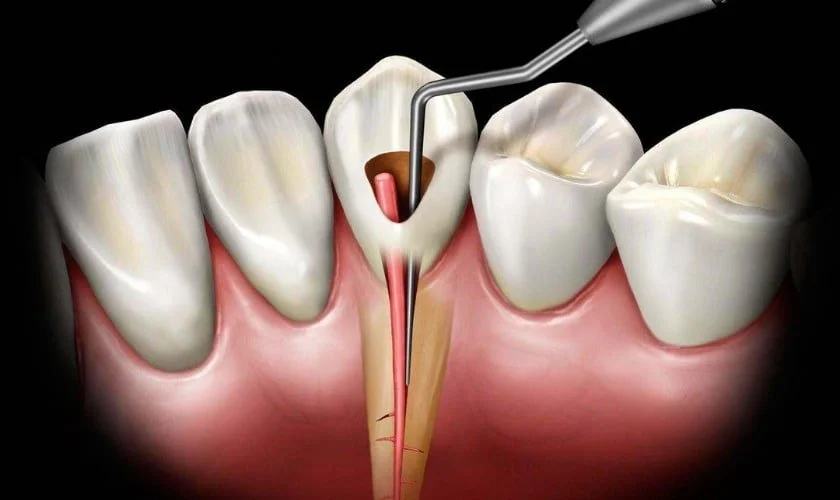
Root canal treatment is performed when the pulp inside a tooth, which contains nerves and blood vessels, becomes infected or damaged. The infection may occur due to deep decay, a crack in the tooth, or injury. Left untreated, the infection can spread to the surrounding bone and tissues, causing severe pain and even tooth loss.

During the procedure, the dentist or endodontist (a specialist in root canal treatments) removes the infected pulp, cleans and disinfects the root canal, and then fills and seals the space. In many cases, the tooth is then restored with a crown to provide additional protection.

When Is Root Canal Treatment Necessary?

Root canal treatment is necessary when the pulp becomes infected or inflamed. Common causes for this condition include:

  • Deep tooth decay: Bacteria can enter the pulp through a cavity, leading to infection.

  • Tooth trauma or cracks: A tooth that has been cracked or broken can expose the pulp, allowing bacteria to invade.

  • Repetitive dental procedures: Multiple fillings or treatments on the same tooth can weaken the tooth and its pulp.

The main symptoms of an infected tooth are severe tooth pain, swelling, sensitivity to hot or cold temperatures, and tenderness in the surrounding gums. A dentist can diagnose the need for root canal treatment based on X-rays and clinical examination.

The Root Canal Procedure: What to Expect

The root canal procedure is typically completed in one or two visits to the dentist, depending on the severity of the infection and the complexity of the tooth. Here is an overview of what happens during the treatment:

  1. Anesthesia: Local anesthesia is administered to numb the area around the infected tooth, ensuring the patient is comfortable throughout the procedure.

  2. Access opening: The dentist creates a small opening in the crown of the tooth to access the pulp chamber.

  3. Pulp removal: The infected or damaged pulp is carefully removed from the root canal system.

  4. Cleaning and shaping: The dentist cleans the root canals and shapes them to prepare for the filling.

  5. Filling: The cleaned root canals are filled with a biocompatible material, usually gutta-percha, to seal the space.

  6. Restoration: Finally, the tooth is sealed, and a crown may be placed to restore its shape and function.

Studies on Root Canal Treatment Success Rates

Root canal treatments have long been considered a reliable and effective procedure. However, like any medical treatment, success is not always guaranteed. Several studies have assessed the success rates of root canal treatments and explored factors that can influence the outcome.

1. Long-Term Success of Root Canal Treatment

A study by Ng et al. (2011) in The International Endodontic Journal evaluated the long-term success of root canal treatments. The researchers analyzed over 5,000 treated teeth and found a success rate of approximately 85-97%. Factors contributing to the success included the severity of the initial infection, the presence of a crown, and the experience of the treating dentist.

In this study, teeth that had been treated with crowns showed a significantly higher success rate compared to those without crowns, highlighting the importance of restoring the tooth after root canal therapy to prevent reinfection and further damage.

2. The Role of Technology in Root Canal Success

Advances in dental technology have significantly improved the success of root canal treatments. The use of digital radiography, for instance, allows for more precise measurements and better visualization of the tooth’s anatomy, aiding in more effective treatment planning. A study by Kakehashi et al. (2018) in Journal of Endodontics found that digital radiography enhances the detection of hidden canals and allows for more thorough cleaning and sealing of the root canal system, improving the chances of a successful outcome.

The advent of operating microscopes also allows dentists to see fine details within the root canal system that were previously impossible to detect with the naked eye. Studies have shown that these tools significantly increase the success rate of root canal treatments by improving the accuracy of canal cleaning and the ability to locate additional branches within the root canal.

3. The Importance of Post-Treatment Care

Post-treatment care is essential for the long-term success of a root canal. After the procedure, patients may experience mild discomfort or tenderness, which is normal and typically resolves within a few days. However, failure to follow post-treatment instructions, such as avoiding chewing on the treated tooth until it is fully restored, can lead to complications, including re-infection or damage to the treated tooth.

A study published by Siqueira et al. (2014) in International Endodontic Journal emphasized that proper sealing and restoration of the treated tooth are critical for preventing bacterial contamination and ensuring a successful outcome. The study found that patients who received a crown or other restoration promptly after the root canal were less likely to experience failure or reinfection.

Alternative Treatments to Root Canal Therapy

While root canal treatment is highly effective, there are alternative treatments for severely infected or damaged teeth. In cases where the tooth cannot be saved, extraction may be necessary. After extraction, the missing tooth can be replaced with a dental implant, bridge, or partial denture. However, saving the tooth through a root canal remains the preferred option due to the many benefits of preserving the natural tooth structure.

Conclusion

Root canal treatment remains one of the most successful and widely used dental procedures for saving damaged or infected teeth. With advancements in technology and techniques, the success rates of root canal treatments continue to improve. If you are experiencing symptoms of an infected tooth, consult with your dentist to determine if root canal treatment is right for you. Proper treatment and post-procedure care can help you maintain a healthy, pain-free smile for many years to come.

For personalized care and effective treatment solutions, contact Pain Free Dentist Sydney at 9558 8988 or email us at info@painfreedentistsydney.com.au.

References

  • Kakehashi, S., et al. "The Use of Digital Radiography in Endodontics." Journal of Endodontics, vol. 44, no. 10, 2018, pp. 1532-1537.

  • Ng, Y. L., et al. "A Long-Term Study of the Success of Root Canal Therapy: A 5-Year Follow-Up." The International Endodontic Journal, vol. 44, no. 12, 2011, pp. 1084-1090.

  • Siqueira, J. F., et al. "The Role of Post-Endodontic Care in the Success of Root Canal Treatment." International Endodontic Journal, vol. 47, no. 9, 2014, pp. 839-846.