Understanding Dental Implants
Dental implants have revolutionized modern dentistry, offering a permanent solution for missing teeth. Whether you have lost teeth due to decay, trauma, or gum disease, dental implants restore both functionality and aesthetics. If you’re searching for dental implants in Sydney, it’s essential to understand the procedure, costs, and why our clinic, Pain Free Dentist Sydney, is the ideal choice for your implant journey.
What is a Dental Implant?
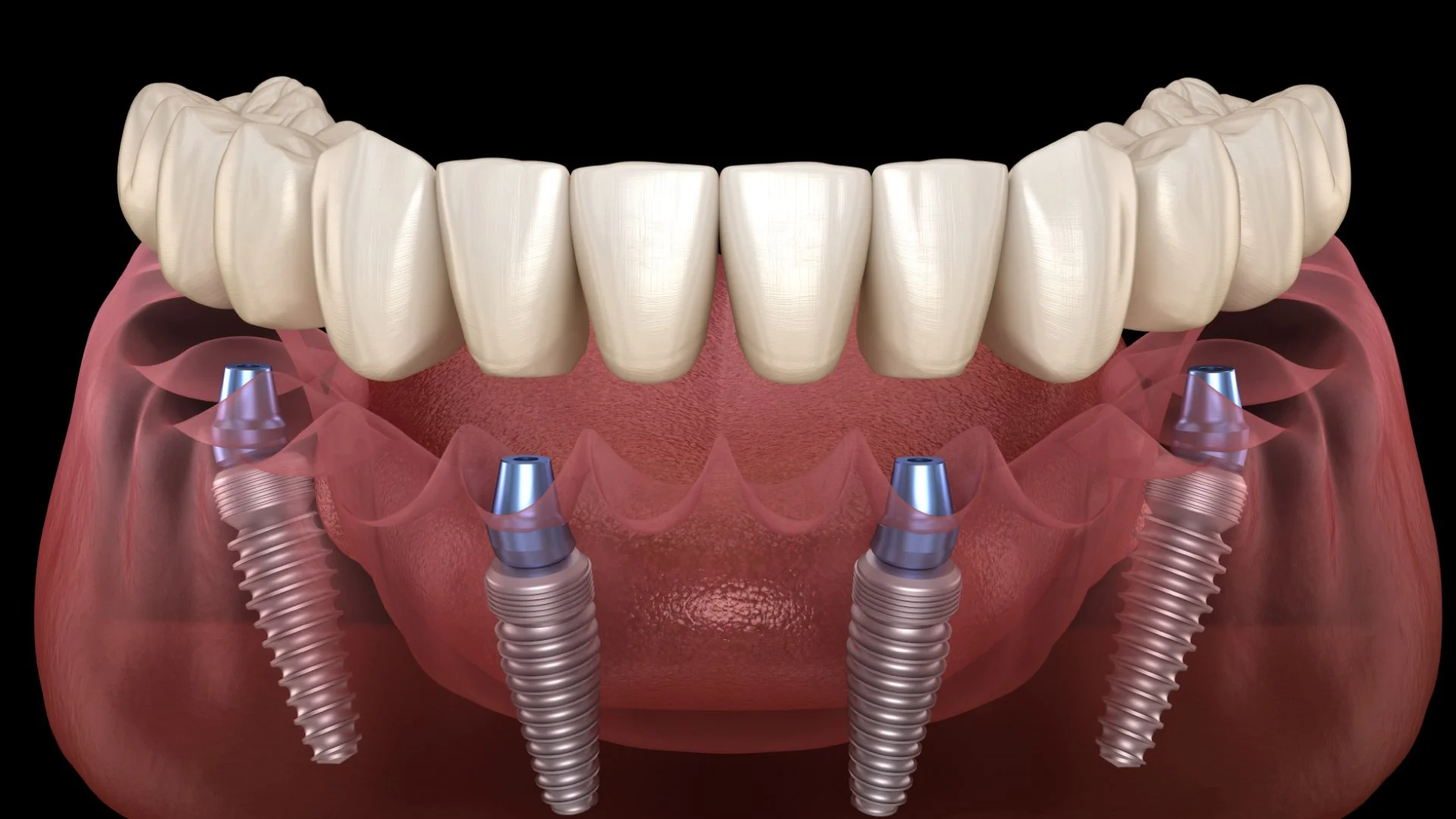
A dental implant is a titanium post surgically inserted into the jawbone to replace a missing tooth’s root. Over time, the implant integrates with the bone (osseointegration), providing a stable foundation for a prosthetic crown. Research has shown that dental implants have a success rate of over 95%, making them one of the most reliable tooth replacement options (Misch & Perel, 2017).
The Dental Implant Procedure
The dental implant procedure is a multi-step process that ensures long-term success. The key stages include:
Initial Consultation and Assessment
A thorough examination, including digital X-rays or a CBCT scan, to assess bone density and oral health.
Treatment planning, where your dentist will discuss the best approach for your specific case.
Surgical Placement of the Implant
The implant is placed into the jawbone using a minimally invasive keyhole technique, which reduces trauma, speeds up healing, and minimizes discomfort.
This method is supported by research indicating that flapless implant placement reduces post-operative swelling and pain while improving healing time (Tettamanti et al., 2016).
Healing and Osseointegration
Abutment and Crown Placement
How Much Do Dental Implants Cost?
When considering dental implants cost, several factors influence the final price:
The number of implants needed
Bone grafting requirements (if necessary)
The type of implant and prosthetic materials used
On average, a single dental implant in Sydney starts at around $5,500. While this may seem like a significant investment, research shows that dental implants provide long-term cost-effectiveness compared to traditional bridges and dentures, which require replacements over time (Zitzmann & Hagmann, 2013).
Why Choose Pain Free Dentist Sydney for Dental Implants?
Choosing the right clinic for your dental implants near me search is crucial for a comfortable and successful procedure. At Pain Free Dentist Sydney, we prioritize patient comfort and cutting-edge technology.
1. IV Sedation for a Painless Experience
We understand that dental procedures can cause anxiety. Our clinic offers IV sedation, ensuring a pain-free and stress-free implant procedure. Studies indicate that IV sedation significantly improves patient comfort and reduces procedural anxiety (Malamed, 2017).
2. Keyhole Implant Surgery for Faster Recovery
Our clinic specializes in minimally invasive keyhole implant placement, reducing trauma to the surrounding tissues. This technique has been shown to decrease healing time and post-surgical discomfort compared to conventional flap-based surgery (Stacchi et al., 2020).
3. Advanced Technology and Expertise
Our team is highly experienced in implant dentistry, using the latest digital technology for precision-guided implant placement. Studies highlight that computer-guided implant surgery improves accuracy and reduces complications (Jung et al., 2009).
4. Long-Term Success and Support
We provide ongoing care and follow-up to ensure long-term implant success. Regular maintenance is crucial for implant longevity, as research shows that patients with good oral hygiene and regular check-ups have a 10-year implant survival rate of over 90% (Pjetursson et al., 2014).
Conclusion
Dental implants are superior for replacing missing teeth, offering durability, aesthetics, and improved oral health. If you are considering dental implants in Sydney, Pain Free Dentist Sydney is your trusted provider, offering IV sedation and keyhole surgery for a comfortable and effective experience.
Book a consultation with us today at 9558 8988 or info@painfreedentistsydney.com.au and take the first step toward restoring your smile with the latest in implant dentistry.
References
Jung, R. E., Schneider, D., Ganeles, J., et al. (2009). Computer-guided implant surgery: accuracy and clinical advantages. International Journal of Oral and Maxillofacial Implants, 24(Suppl), 124-130.
Malamed, S. F. (2017). Sedation: A Guide to Patient Management. Elsevier Health Sciences.
Misch, C. E., & Perel, M. L. (2017). Dental Implant Prosthetics. Elsevier Health Sciences.
Pjetursson, B. E., Thoma, D., Jung, R., et al. (2014). A systematic review of the survival and complication rates of implant-supported fixed dental prostheses (FDPs) after a mean follow-up of at least 5 years. Clinical Oral Implants Research, 25(1), 185-202.
Stacchi, C., Berton, F., Perinetti, G., et al. (2020). Flapless versus flapped implant surgery: a systematic review and meta-analysis. Journal of Clinical Periodontology, 47(5), 564-581.
Tettamanti, L., Andrisani, C., Bassi, M. A., et al. (2016). Minimally invasive dental implant surgery: a review of the literature and proposal of a new classification. Journal of Oral and Maxillofacial Surgery, 74(7), 1286-1294.
Zitzmann, N. U., & Hagmann, E. (2013). Cost-effectiveness of implant therapy compared with conventional dentures. International Journal of Oral & Maxillofacial Implants, 28(4), 1220-1230.