Cavities: What You Need to Know About Tooth Decay and How to Prevent It

Cavities, also known as tooth decay, are one of the most common dental issues people face, and if left untreated, they can lead to significant damage and even tooth loss. Understanding the causes, symptoms, treatments, and prevention methods for cavities is essential to maintaining a healthy smile.

In this blog post, we’ll explore what cavities are, how they form, and the steps you can take to prevent them from developing.

What Are Cavities?

A cavity is a hole in the tooth that forms when tooth enamel is damaged by acid-producing bacteria. These bacteria feed on sugars and carbohydrates left on your teeth, producing acids that erode the enamel over time. As the enamel wears away, it exposes the softer, more sensitive layers of the tooth, leading to pain, infection, and further tooth damage if untreated.

What Causes Cavities?

Cavities develop when several factors combine, including poor oral hygiene and diet. Here are the main contributors:

1. Poor Oral Hygiene

When plaque (a sticky film of bacteria) builds up on your teeth due to inadequate brushing and flossing, it can lead to the formation of cavities. Plaque produces acids that attack the tooth enamel.

2. Diet High in Sugars and Carbohydrates

Eating sugary foods and drinks frequently can provide food for the bacteria in your mouth. These bacteria break down sugars, producing acids that erode tooth enamel. Carbonated beverages, candies, and starchy foods are common culprits.

3. Dry Mouth

Saliva helps wash away food particles and neutralizes acids in the mouth. If you suffer from dry mouth (due to medications, health conditions, or dehydration), your mouth may not produce enough saliva to protect your teeth from cavity-causing acids.

4. Lack of Fluoride

Fluoride is a natural mineral that helps to strengthen enamel and prevent tooth decay. If you don't use fluoride toothpaste or drink fluoridated water, you may be more prone to cavities.

5. Poor Dental Restorations

Old or damaged fillings, crowns, or other dental restorations may develop cracks or gaps, making it easier for bacteria to invade and cause cavities.

How to Identify Cavities: Symptoms to Watch For

Cavities often develop without noticeable symptoms in their early stages. However, as the decay progresses, you may experience the following signs:

  • Tooth Pain: Pain when chewing or biting down, especially when consuming hot, cold, or sweet foods and drinks.

  • Tooth Sensitivity: Sensitivity to temperature changes or acidic foods.

  • Visible Holes or Pits: Dark spots or holes on the surface of your teeth.

  • Bad Breath: Persistent bad breath or an unpleasant taste in the mouth, which can indicate bacterial buildup.

  • Discoloration: Brown, black, or white stains on the tooth surface.

If you notice any of these symptoms, it’s important to visit your dentist for an evaluation and treatment.

How Are Cavities Treated?

The treatment for cavities depends on the severity of the decay. Common treatments include:

1. Fillings

If the cavity is small, your dentist will clean out the decayed area and fill the hole with a material such as composite resin, amalgam, or porcelain. Fillings restore the tooth’s shape and prevent further damage.

2. Crowns

If the cavity is large or the tooth is significantly weakened, a dental crown may be required to cover the tooth and restore its function. Crowns are made from durable materials like porcelain or metal.

3. Root Canal

When the decay reaches the inner pulp of the tooth (the soft tissue containing nerves and blood vessels), a root canal may be necessary. This procedure removes the infected pulp and seals the tooth to prevent further infection.

4. Tooth Extraction

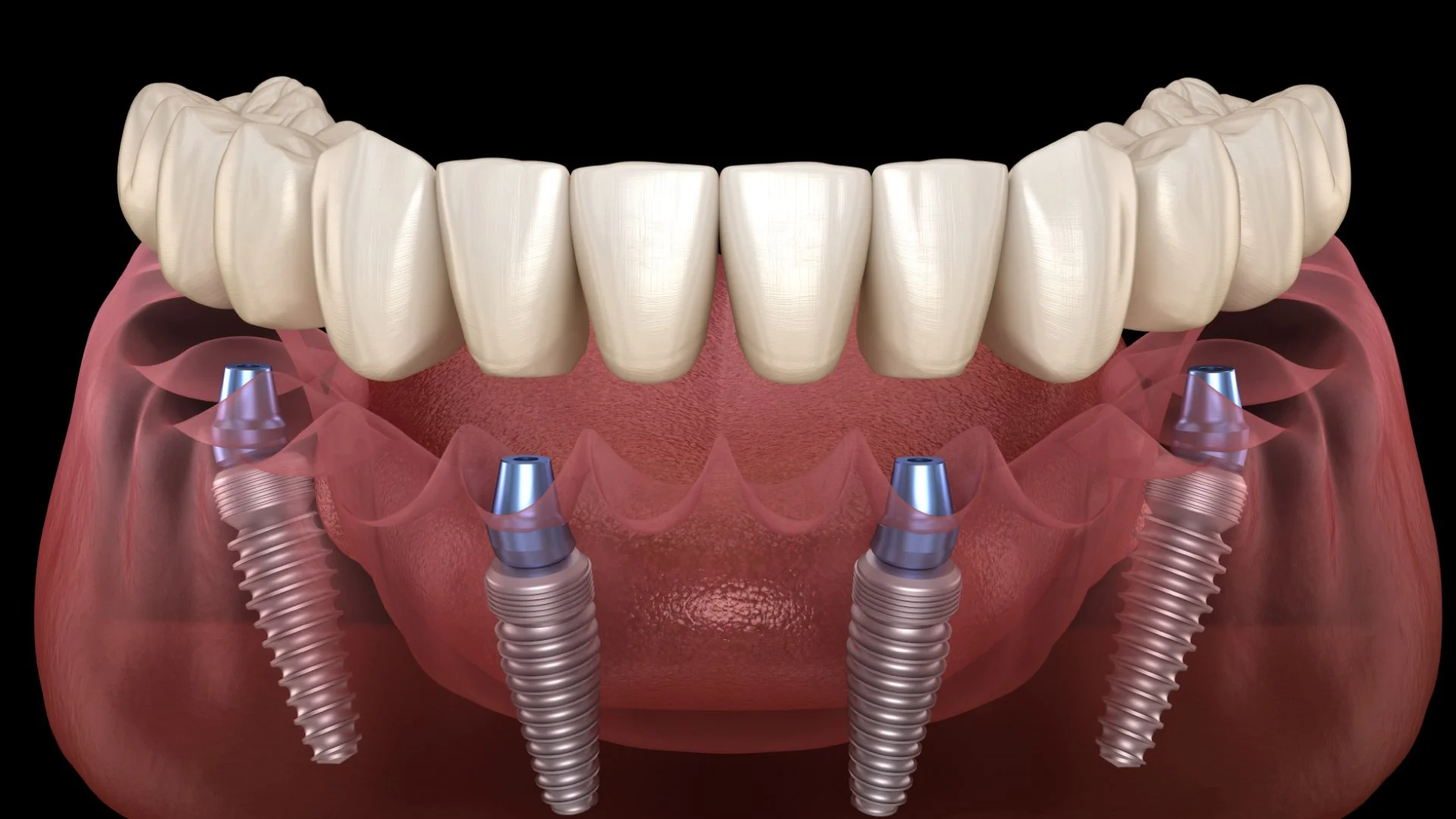
If the tooth is too damaged or infected to be saved, extraction may be required. Your dentist may then discuss options for replacing the missing tooth, such as a dental implant, bridge, or denture.

Preventing Cavities: Tips for a Healthier Smile

Preventing cavities is much easier than treating them, and it all starts with good oral hygiene and healthy habits. Here are some essential tips for avoiding cavities:

1. Brush and Floss Regularly

Brush your teeth at least twice a day with fluoride toothpaste and floss daily to remove plaque and food particles from between your teeth. Make sure to brush for at least two minutes and reach all areas, including the gumline.

2. Limit Sugary Foods and Drinks

Cut back on sugary and starchy foods, as these feed the bacteria that cause cavities. Instead, opt for healthier snacks like fruits, vegetables, and nuts. Drink plenty of water to rinse your mouth after meals.

3. Use Fluoride Products

Using fluoride toothpaste and mouthwash helps strengthen tooth enamel and prevent cavities. If you live in an area without fluoridated water, consider using a fluoride supplement or mouth rinse.

4. Visit Your Dentist Regularly

Regular dental check-ups (usually every six months) are essential for detecting cavities early and preventing them from progressing. Your dentist can also perform professional cleanings to remove plaque buildup.

5. Consider Dental Sealants

Dental sealants are thin coatings applied to the chewing surfaces of your back teeth to protect them from decay. They are especially beneficial for children and teenagers who are more prone to cavities.

6. Drink Water with Fluoride

Fluoridated water helps to remineralize tooth enamel and prevent cavities. If your local water supply doesn't contain fluoride, talk to your dentist about alternative options.

When to See a Dentist

If you experience any of the symptoms mentioned above, it’s important to visit your dentist as soon as possible. Early treatment can prevent further damage and help you avoid more invasive procedures down the line.

Conclusion

Cavities are a common dental issue, but they can be prevented and treated with proper care. By maintaining good oral hygiene, limiting sugary foods, and visiting your dentist regularly, you can keep your teeth healthy and avoid the pain and cost of treating cavities.

If you’re concerned about cavities or need a dental check-up, contact us today to schedule an appointment. Let us help you keep your smile healthy and strong for years to come!

For inquiries or to schedule an appointment, please reach out to us at 9558 8988 or email us at info@painfreedentistsydney.com.au.

You can also enjoy hassle-free booking directly through our website!

We invite you to visit our clinic at Shop G01A, 570 New Canterbury Road, Hurlstone Park, NSW 2193. We look forward to welcoming you!

Tooth Sensitivity: Causes, Treatment, and Prevention

Are you experiencing sharp pain or discomfort when eating ice cream, drinking hot beverages, or brushing your teeth? You could be dealing with tooth sensitivity, a common condition that affects millions of people worldwide.

In this blog, we’ll explain what causes tooth sensitivity, how it’s treated, and what you can do to prevent it in the future.

What Is Tooth Sensitivity?

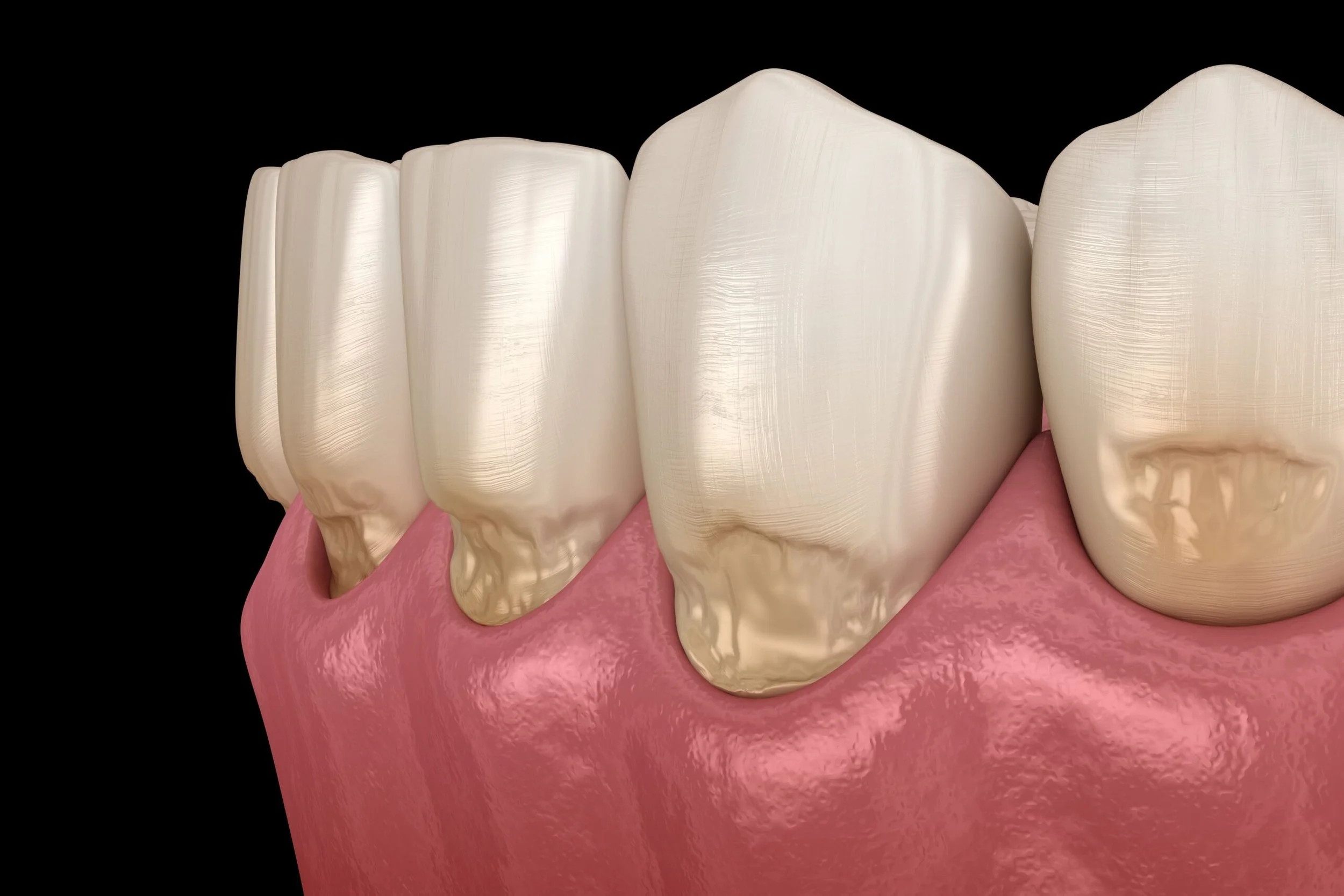
Tooth sensitivity (also known as dentin hypersensitivity) occurs when the underlying layer of your teeth, known as the dentin, becomes exposed. This happens when the protective layer of enamel or the gum tissue around your teeth wears down. When dentin is exposed, the nerves inside the tooth become more sensitive to stimuli like hot, cold, sweet, or acidic foods and drinks, causing discomfort or pain.

Common Causes of Tooth Sensitivity

There are several factors that can contribute to tooth sensitivity:

1. Worn Enamel

Enamel is the hard, protective outer layer of your teeth. Over time, it can wear down due to:

  • Brushing too hard with a hard-bristled toothbrush

  • Acidic foods and drinks (like citrus fruits, soda, and wine)

  • Teeth grinding (bruxism), which can wear down enamel

2. Gum Recession

When the gums pull back from the teeth, the sensitive roots are exposed. This can happen due to:

  • Gum disease (gingivitis and periodontitis)

  • Brushing too aggressively or using a hard-bristled toothbrush

  • Aging, as gums naturally recede with time

3. Tooth Decay or Cavities

Cavities can cause tooth sensitivity because they break through the enamel and expose the softer parts of the tooth. If you’re feeling pain when biting or chewing, you may have a cavity that needs treatment.

4. Recent Dental Procedures

If you've recently had dental work, such as a filling or teeth cleaning, you may experience some temporary sensitivity. This is common but should subside after a few days.

5. Cracked Teeth or Fillings

A cracked tooth or filling exposes the dentin and nerves, leading to pain when the tooth is stimulated.

6. Acidic Foods and Drinks

Frequent consumption of acidic foods and beverages like citrus fruits, coffee, wine, or soda can erode tooth enamel, leading to sensitivity.

How to Treat Tooth Sensitivity

1. Use Desensitizing Toothpaste

Specialized desensitizing toothpaste contains compounds that help block the transmission of pain signals from the surface of the tooth to the nerve. Regular use can help alleviate sensitivity over time.

2. Switch to a Softer Toothbrush

Use a soft-bristled toothbrush to prevent further damage to your gums and enamel. Brush gently to avoid wearing down the enamel and receding your gums.

3. Fluoride Treatments

Fluoride can help strengthen enamel and reduce pain. Your dentist may apply a fluoride gel or varnish to the affected areas of your teeth to improve protection and reduce sensitivity.

4. Dental Sealants

If you have sensitive teeth due to enamel erosion, your dentist may apply a dental sealant to the affected areas to protect the tooth surface from stimuli.

5. Dental Bonding or Crowns

If the sensitivity is caused by a crack or large cavity, your dentist might suggest dental bonding or placing a crown to cover the affected tooth and protect it from pain.

6. Root Canal Treatment

In severe cases, a root canal may be necessary if the sensitivity is caused by infection or inflammation of the pulp (nerve) inside the tooth.

How to Prevent Tooth Sensitivity

1. Brush Properly

Use a soft-bristled toothbrush and brush gently in small circles. Avoid aggressive scrubbing, which can wear down enamel and irritate your gums.

2. Limit Acidic Foods and Drinks

While it’s okay to indulge in acidic foods and beverages occasionally, try to limit their consumption. Rinse your mouth with water after consuming them to reduce their effects on your teeth.

3. Use a Mouthguard

If you grind your teeth at night, a custom night guard can protect your teeth from further damage and sensitivity.

4. Maintain Good Oral Hygiene

Brush twice a day, floss daily, and visit your dentist regularly for check-ups and cleanings. Keeping your teeth and gums healthy helps prevent conditions that contribute to sensitivity, like gum disease or cavities.

5. Stay Hydrated

Dry mouth can contribute to tooth sensitivity. Drink plenty of water to keep your mouth hydrated and promote saliva production, which helps protect enamel.

When to See a Dentist for Tooth Sensitivity

While tooth sensitivity is common, it can also be a sign of underlying dental problems. If you experience:

  • Severe or constant pain

  • Pain when chewing or touching a specific tooth

  • Bleeding or swollen gums

  • Tooth decay or cavities

It’s important to schedule an appointment with your dentist to get an accurate diagnosis and appropriate treatment.

Final Thoughts

Tooth sensitivity can be annoying and uncomfortable, but it’s treatable. By identifying the causes and implementing proper care, you can manage and even eliminate the discomfort. With the right treatment plan and habits, you can protect your teeth from further damage and enjoy a pain-free smile again.

If you’re struggling with tooth sensitivity or have concerns about your oral health, book a consultation with us today! We can help identify the cause and provide personalized treatment options.

For inquiries or to schedule an appointment, please reach out to us at 9558 8988 or email us at info@painfreedentistsydney.com.au.

You can also enjoy hassle-free booking directly through our website!

We invite you to visit our clinic at Shop G01A, 570 New Canterbury Road, Hurlstone Park, NSW 2193. We look forward to welcoming you!

Root Canal Treatment: What to Expect, Cost, and Recovery

Root Canal Treatment: What to Expect, Cost, and Recovery

If you've been told you need a root canal, you might be feeling nervous — but don’t worry. Modern root canal treatment is safe, effective, and relatively pain-free. It’s one of the best ways to save a badly damaged or infected tooth and avoid extraction.

In this guide, we’ll explain what a root canal is, signs you might need one, what the procedure involves, recovery tips, and costs in Australia.

What Is a Root Canal Treatment?

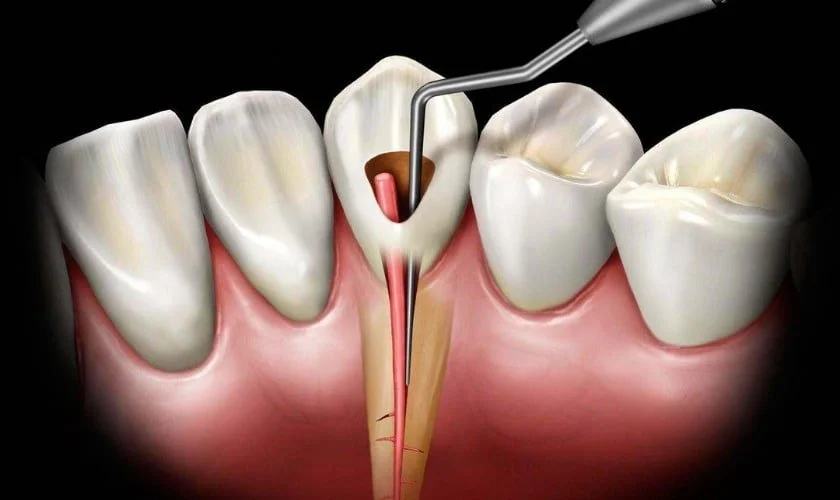
A root canal is a dental procedure that removes infected or inflamed pulp (the soft tissue inside your tooth) and replaces it with a filling to seal and protect the tooth.
It allows you to keep your natural tooth, avoid infection spreading, and eliminate pain caused by deep decay or trauma.

Signs You Might Need a Root Canal

You may need root canal therapy if you experience:

  • Persistent toothache or throbbing pain

  • Sensitivity to hot or cold that lingers

  • Swollen gums near the affected tooth

  • Discolouration or darkening of the tooth

  • A pimple or abscess on the gum

  • Pain when chewing or touching the tooth

Your dentist will confirm the diagnosis using X-rays and clinical tests.

Step-by-Step: How a Root Canal Is Done

1. Numbing the Area

Your dentist will administer local anaesthetic to ensure you're completely comfortable.

2. Removing the Infected Pulp

A small hole is made in the tooth to remove the infected pulp and clean out the root canals.

3. Disinfection and Shaping

The canals are cleaned, shaped, and disinfected to eliminate bacteria.

4. Filling the Root Canals

The empty canals are filled with a special material called gutta-percha, then sealed.

5. Final Restoration

A crown or filling is placed to restore the tooth’s strength and function.

Does a Root Canal Hurt?

Contrary to popular belief, a root canal doesn’t cause pain — it actually relieves it.
With modern technology and local anaesthetic, the procedure feels similar to getting a deep filling. You may feel mild soreness afterwards, which can be managed with over-the-counter pain relief.

Root Canal Recovery Tips

  • Avoid chewing on the treated tooth until your final crown is placed

  • Brush and floss gently around the area

  • Take any prescribed medication as directed

  • Mild discomfort is normal for a few days, but contact your dentist if pain worsens

How Long Does a Root Canal Last?

With proper care, a tooth treated with a root canal can last 10–15 years or longer, especially if it's restored with a crown.

How Much Does a Root Canal Cost in Australia?

The cost of a root canal depends on how many canals are treated and whether a crown is needed.
In Australia, the average price is from $1,500 to $5,000. Dental health insurance may cover part of the cost, depending on your policy.

Root Canal vs Extraction: Which Is Better?

Whenever possible, it’s better to save your natural tooth. A root canal allows you to keep your original tooth structure, maintain your bite, and avoid shifting of nearby teeth.
Tooth extraction may seem cheaper short term, but replacing a lost tooth with an implant or bridge can cost much more long term.

Final Thoughts

Root canal treatment is a proven, safe, and highly effective way to save an infected or damaged tooth.
It stops pain, prevents infection, and helps you keep your natural smile for years to come.

If you're experiencing tooth pain or think you might need a root canal, book a consultation today and let’s get you out of pain and back to smiling confidently!

For inquiries or to schedule an appointment, please reach out to us at 9558 8988 or email us at info@painfreedentistsydney.com.au.

You can also enjoy hassle-free booking directly through our website!

We invite you to visit our clinic at Shop G01A, 570 New Canterbury Road, Hurlstone Park, NSW 2193. We look forward to welcoming you!