Workers’ Compensation and Dental Injuries: What You Need to Know

If you’ve suffered a dental injury at work, you might be wondering whether your treatment is covered under Workers’ Compensation. The good news? In many cases, workplace-related dental trauma is eligible for compensation. Whether you've chipped a tooth on the job or experienced jaw pain from a work-related accident, it's important to know your rights—and find a dentist who understands the process.

Common Work-Related Dental Injuries

While most people associate work injuries with backs and wrists, dental trauma can happen too. Some of the most common examples include:

  • Chipped or cracked teeth from a fall or accident

  • Tooth loss due to blunt force trauma

  • Jaw pain or temporomandibular joint (TMJ) issues after an accident

  • Soft tissue injuries to the lips, gums, or tongue

  • Dental pain caused by repetitive stress or equipment use (especially in certain trades)

Is Dental Treatment Covered by Workers' Comp?

Yes—if the injury is directly related to your employment and reported properly, Workers’ Compensation may cover your dental care. This includes:

  • Emergency dental treatment

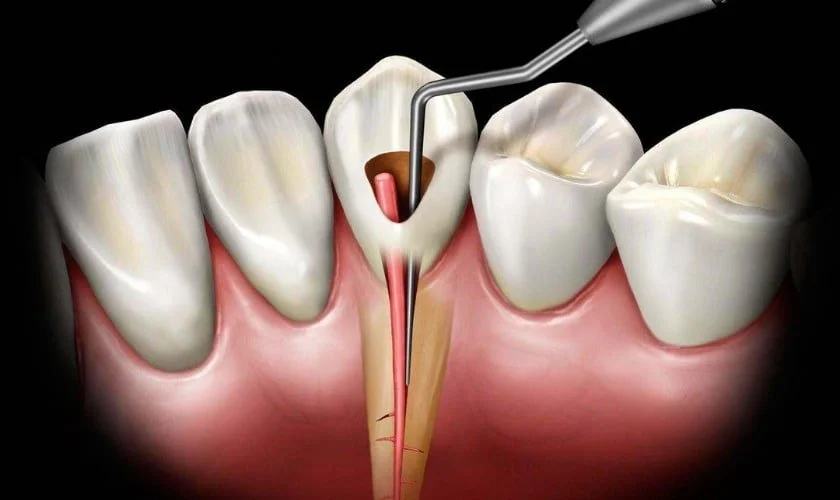
  • Tooth extractions or root canals

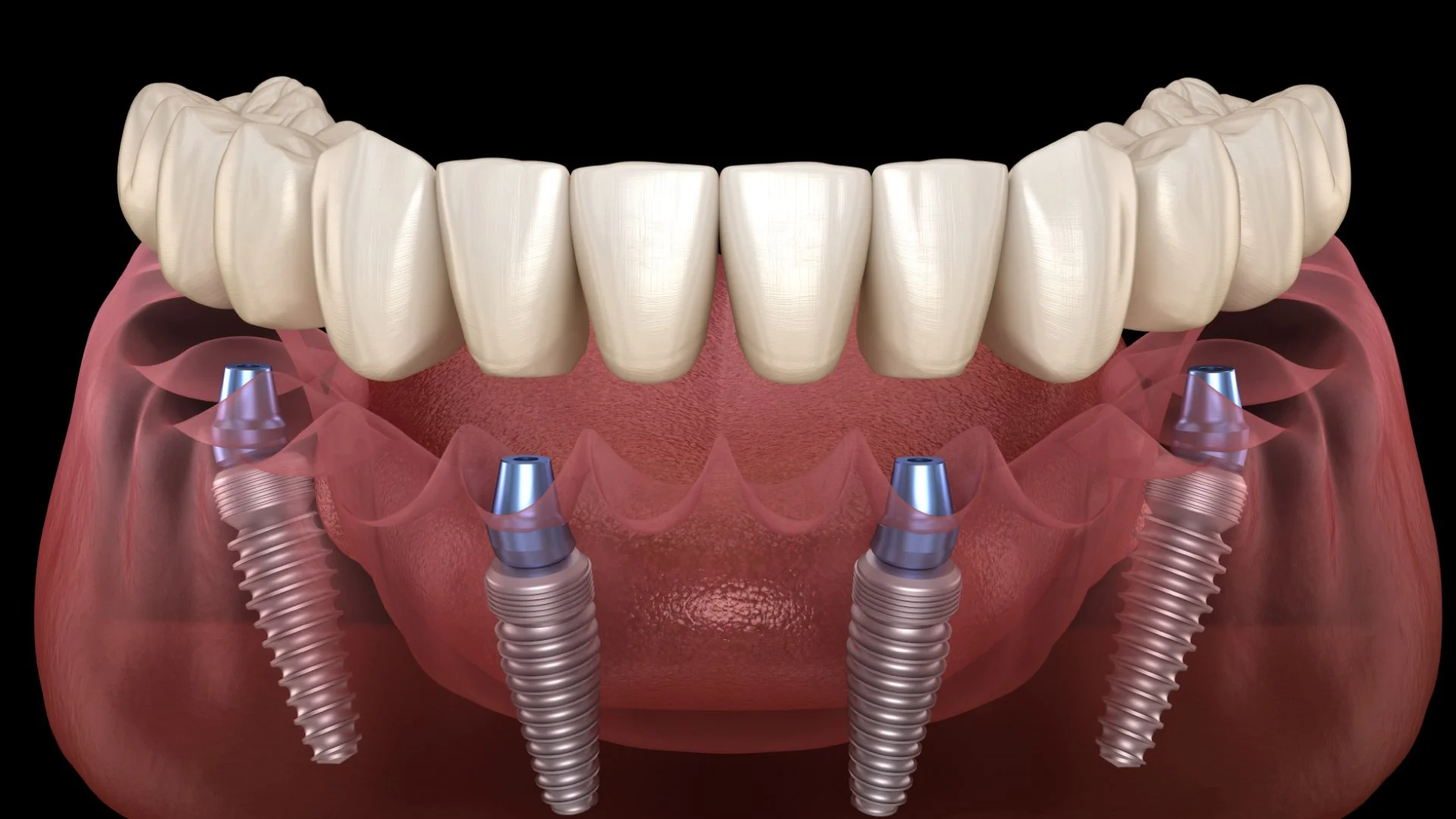
  • Crowns, bridges, or dental implants for damaged or missing teeth

  • TMJ assessments and splint therapy (if related to the injury)

  • Ongoing dental care to restore function and comfort

Steps to Take After a Dental Injury at Work

  1. Report the injury immediately to your supervisor or HR.

  2. Seek prompt evaluation, especially if you're in pain or bleeding.

  3. Ask your case manager or insurer if you're eligible to choose your own dentist.

  4. Choose a dental clinic that accepts Workers' Compensation cases and is familiar with the process.

Why Choose Our Dental Clinic for Workers' Compensation Cases?

At our clinic, we offer:
✅ Experience with workers’ comp dental claims
✅ Detailed documentation and reports for insurance purposes
✅ Coordination with your GP, physiotherapist, or case manager
✅ A holistic approach to trauma—addressing both dental and jaw/TMJ issues
Emergency dental care appointments available

Whether you're a tradesperson, healthcare worker, or office staff member, work-related dental injuries shouldn't be ignored. Prompt treatment can prevent long-term damage, and our team is here to support you every step of the way.

Searching for a "Dental Clinic for Workers’ Compensation Near Me"?

We’re ready to help. Contact us today to schedule your consultation, and let us help you recover quickly and safely.

For inquiries or to schedule an appointment, please reach out to us at 9558 8988 or email us at info@painfreedentistsydney.com.au.

You can also enjoy hassle-free booking directly through our website!

We invite you to visit our clinic at Shop G01A, 570 New Canterbury Road, Hurlstone Park, NSW 2193. We look forward to welcoming you!

Worn-Out Dentition: Causes, Effects & Modern Solutions

What Is Worn Dentition?

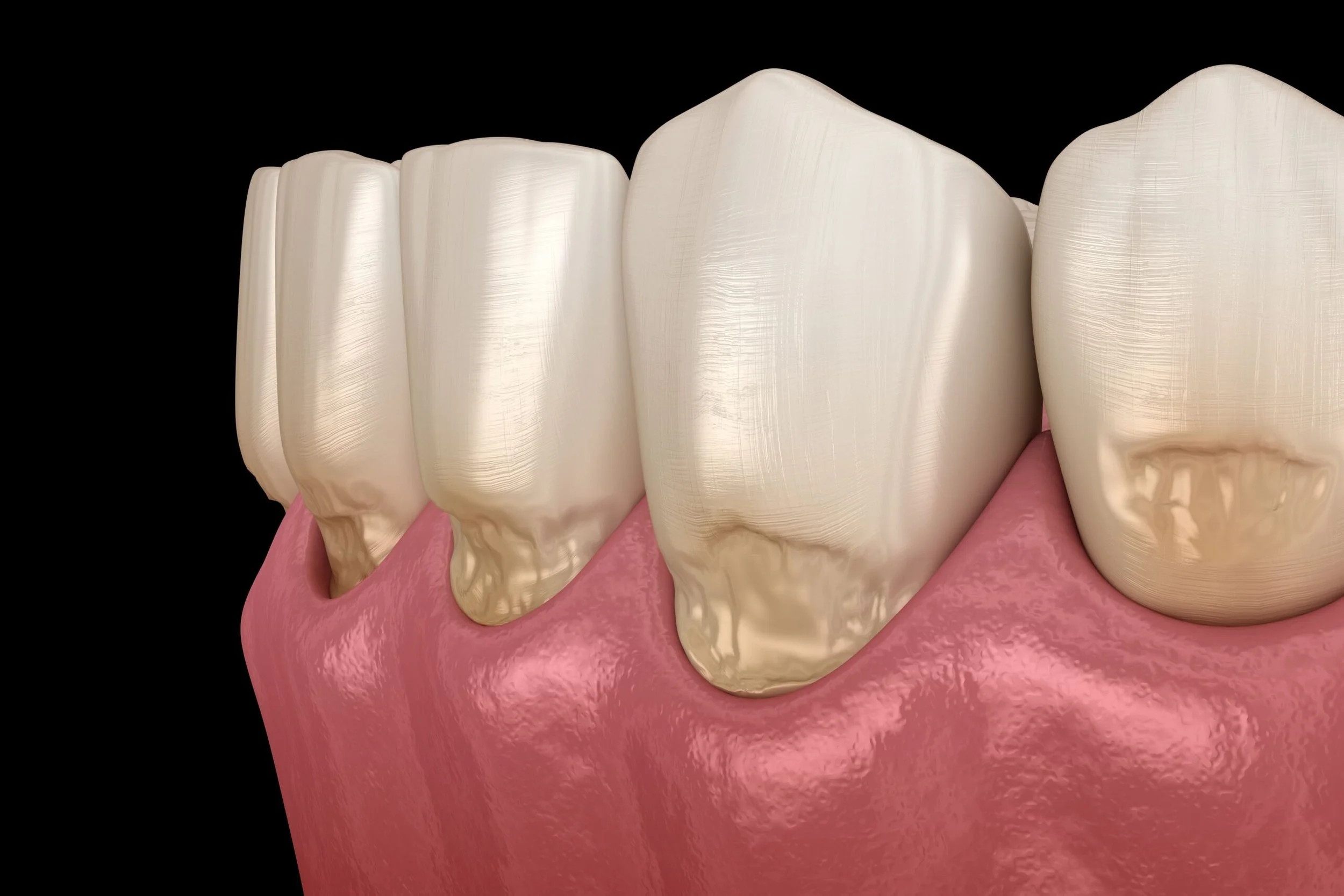
Worn dentition refers to the gradual loss of tooth structure due to chronic wear. It often results from teeth grinding (bruxism), misaligned bites, acid erosion, or even age-related factors. While some wear is natural over time, excessive tooth wear can lead to serious complications affecting your bite, appearance, and jaw function.

Common Causes of Worn Teeth

  • Bruxism (Teeth Grinding): A leading cause of worn teeth, especially during sleep.

  • Acid Erosion: Frequent exposure to acidic foods or reflux can thin enamel.

  • Malocclusion: Misaligned teeth or bite issues can create uneven pressure.

  • Aging: Years of chewing gradually wear down enamel and dentin.

Effects of Worn-Out Dentition

Worn dentition can impact your oral and overall health in the following ways:

1. Tooth Sensitivity and Pain

As enamel wears down, the inner dentin layer is exposed, leading to tooth sensitivity and discomfort when eating or drinking.

2. Bite Imbalance and TMJ Disorder

Worn teeth can disrupt the harmony of your bite, potentially causing TMJ (temporomandibular joint) disorder, jaw clicking, or chronic jaw pain.

3. Facial Aesthetics

Loss of tooth height affects facial support, often leading to premature aging, sunken cheeks, or a collapsed bite.

4. Difficulty Chewing

Severe wear can compromise tooth structure, making it hard to chew or digest food properly.

How to Treat Worn Dentition

Early intervention is key to preventing further damage. Treatment options include:

Dental Splint Therapy

A custom dental splint or nightguard helps protect against further bruxism-related damage and can relieve pressure on the jaw joint.

Bite Correction

For patients with bite misalignment, bite reconstruction or orthotic appliances can restore functional balance.

Composite Build-Ups and Crowns

Worn teeth can be rebuilt with composite resin or ceramic crowns to restore height and function.

TMJ Therapy

If jaw symptoms are present, a TMJ specialist may recommend Botox for muscle relaxation or work alongside a TMJ physiotherapist.

Lifestyle and Dietary Modifications

Reducing acidic food and managing stress are essential to control grinding and prevent erosion.

When to See a Dentist

If you’re experiencing:

  • Flat, short, or chipped teeth

  • Morning jaw pain or headaches

  • Increased tooth sensitivity

  • Clicking or popping sounds in your jaw

  • Changes in facial appearance

…it’s time to consult a dentist experienced in treating worn dentition and TMJ disorders.

Final Thoughts

Worn-out dentition is not just a cosmetic issue—it’s a functional problem that can affect your entire jaw system. Timely diagnosis and a customized treatment plan can restore your bite, improve facial harmony, and prevent long-term damage.

If you're looking for expert care in bruxism treatment, TMJ therapy, or bite correction, our clinic offers tailored solutions to restore your smile and function.

How Does Baby Tongue Tie Affect Your Child’s Health? What Every Parent Should Know

How Does Baby Tongue Tie Affect Your Child’s Health? What Every Parent Should Know

Many parents are surprised to learn that a small, tight band under the tongue—called a tongue tie—can affect so much more than just breastfeeding. From tummy troubles and fussiness to sleep and oral development, tongue ties can have a ripple effect on your baby’s overall health. At our clinic, we’re here to help you uncover the cause and support your baby’s wellbeing, starting from the very first latch.