Dental IV Sedation: A Calm, Comfortable Solution for Anxious Patients

What Is Dental IV Sedation?

If the thought of going to the dentist makes you nervous, you’re not alone. Millions of patients suffer from dental anxiety, which can delay essential treatment. Fortunately, dental IV sedation offers a safe and effective way to receive care without fear, stress, or discomfort.

How Does IV Sedation Work?

IV sedation dentistry, also known as sleep dentistry, involves administering sedative medication directly into your bloodstream, allowing you to feel calm and relaxed during treatment. You remain conscious and responsive, but you may not remember much of the procedure—making it ideal for longer or more complex dental work.

Who Is IV Sedation For?

This type of conscious sedation dentistry is perfect for patients who:

  • Experience moderate to severe dental anxiety

  • Need multiple or lengthy dental procedures

  • Have a strong gag reflex

  • Struggle with numbing agents or local anesthetics

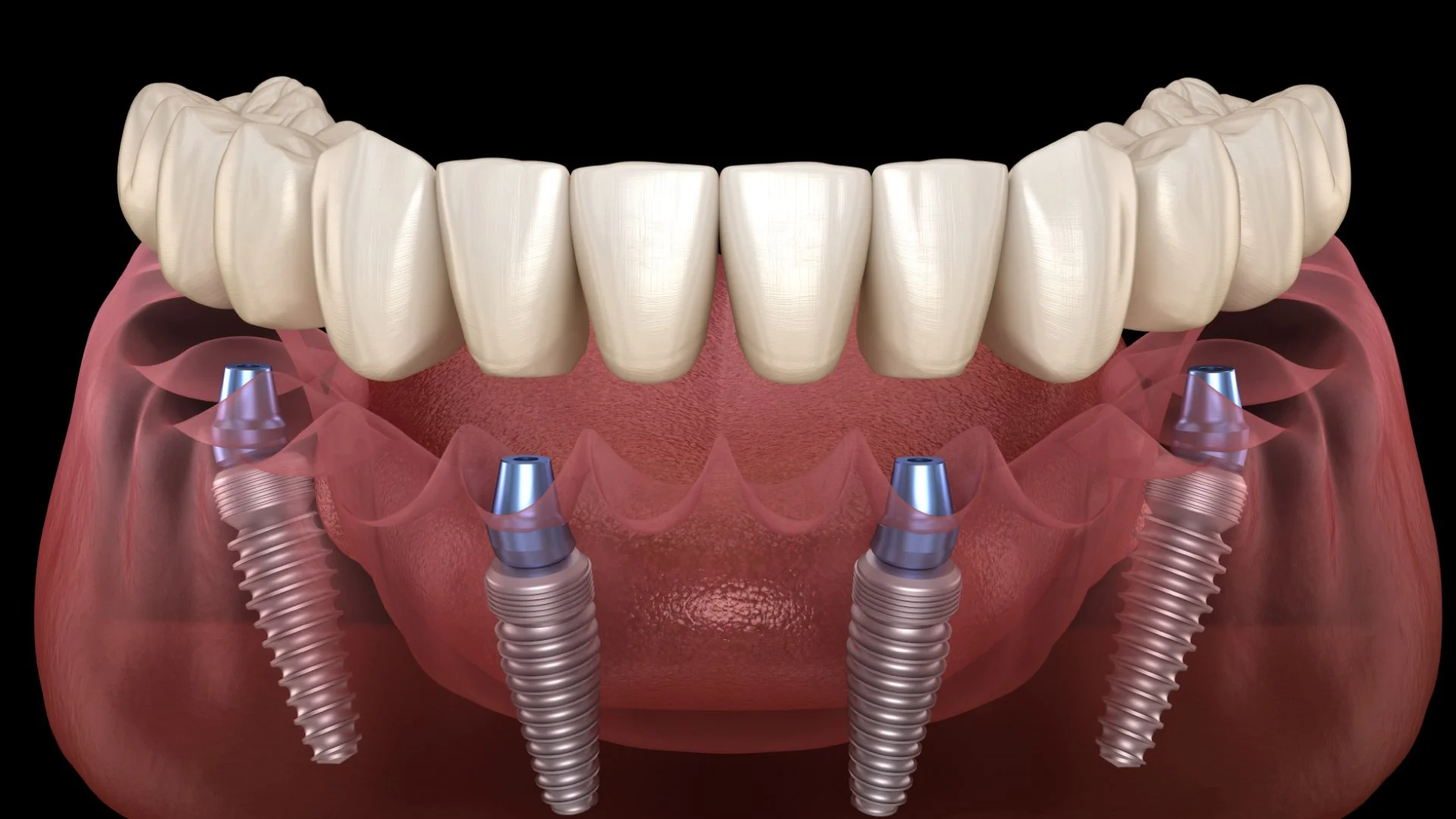
  • Are undergoing surgical procedures like wisdom teeth removal or dental implants

Benefits of IV Sedation Dentistry:

  • Deep relaxation during treatment

  • Reduced memory of the procedure

  • Faster and more efficient appointments

  • Enhanced comfort for longer treatments

  • Custom sedation level adjusted in real time

Whether you’re having a filling, extraction, or full-mouth work, pain-free dental treatment is possible with IV sedation.

Is IV Sedation Safe?

Yes! IV sedation is administered by a trained professional who monitors your heart rate, breathing, and oxygen levels throughout the procedure. It's a proven method used in both hospitals and dental clinics, especially for sedation for wisdom teeth removal.

Before and After IV Sedation: What to Expect

Before treatment:

  • You’ll receive instructions on fasting and medications

  • Arrange for someone to drive you home

After treatment:

  • You may feel drowsy for a few hours

  • You’ll need to rest and avoid making important decisions that day

Looking for an IV Sedation Dentist Near You?

We understand that dental treatment can be overwhelming for some patients. Our experienced team offers sedation dentistry for anxious patients, ensuring a gentle, stress-free experience.

Book Your Consultation Today

Ready for comfortable dental care without fear or pain? Contact us to discuss your dental sedation options and find out if IV sedation for dental procedures is right for you.

Why Root Canal Treatment Is the Best Way to Save a Severely Damaged Tooth

When a Filling Isn’t Enough: Why You Might Need a Root Canal

Have you been told your tooth can't be saved with a regular filling? When a cavity becomes too deep or a tooth is badly damaged, root canal treatment is often the best way to save a damaged tooth and avoid extraction.

What Is Root Canal Treatment?

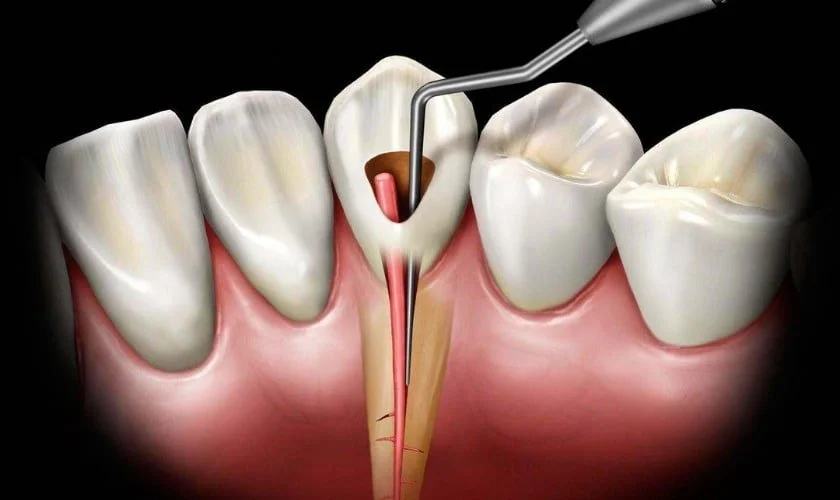
Root canal therapy is a procedure that removes the infected or inflamed pulp inside a tooth. Once cleaned and sealed, the tooth is protected with a crown—allowing you to keep your natural tooth structure while eliminating pain and infection.

Why Choose a Root Canal Over Extraction?

Many patients assume removing a badly damaged tooth is the easiest option—but saving your natural tooth has long-term benefits:

  • Maintains jawbone integrity

  • Prevents neighboring teeth from shifting

  • Preserves your bite and smile alignment

  • Often less expensive long-term than replacing a missing tooth

If you're looking for an alternative to tooth extraction, endodontic treatment is your best bet.

Signs You May Need a Root Canal Instead of a Filling:

  • Persistent toothache

  • Sensitivity to hot or cold

  • Swelling or tenderness in gums

  • Deep decay reaching the tooth nerve

  • Cracks or trauma that expose the pulp

When the tooth infection reaches the nerve, a simple tooth filling won’t stop the pain—or the spread of infection. That’s when root canal therapy becomes essential.

Root Canal vs. Filling: What’s the Difference?

  • Tooth filling: Used for minor to moderate decay; preserves the outer tooth

  • Root canal: Needed when decay or damage affects the tooth’s nerve and inner tissue

A root canal is not more painful—it’s the relief from the pain caused by an infected tooth.

Is Root Canal Treatment Painful?

Modern root canal treatment is quick and comfortable. With local anesthesia and advanced technology, most patients say the procedure feels no worse than getting a regular filling.

Find a Root Canal Dentist Near You

If you’re experiencing dental pain or have been told you need a root canal, don’t delay treatment. The longer an infection lingers, the higher the risk of losing the tooth entirely. Our experienced team provides gentle, effective care to help you keep your smile intact.

Book a Consultation Today

Looking for a trusted root canal dentist near me? We’re here to help you preserve your natural teeth and eliminate pain with expert endodontic treatment.

Gum Grafting: Restore Your Receding Gums and Protect Your Smile

Introduction: What is Gum Grafting?

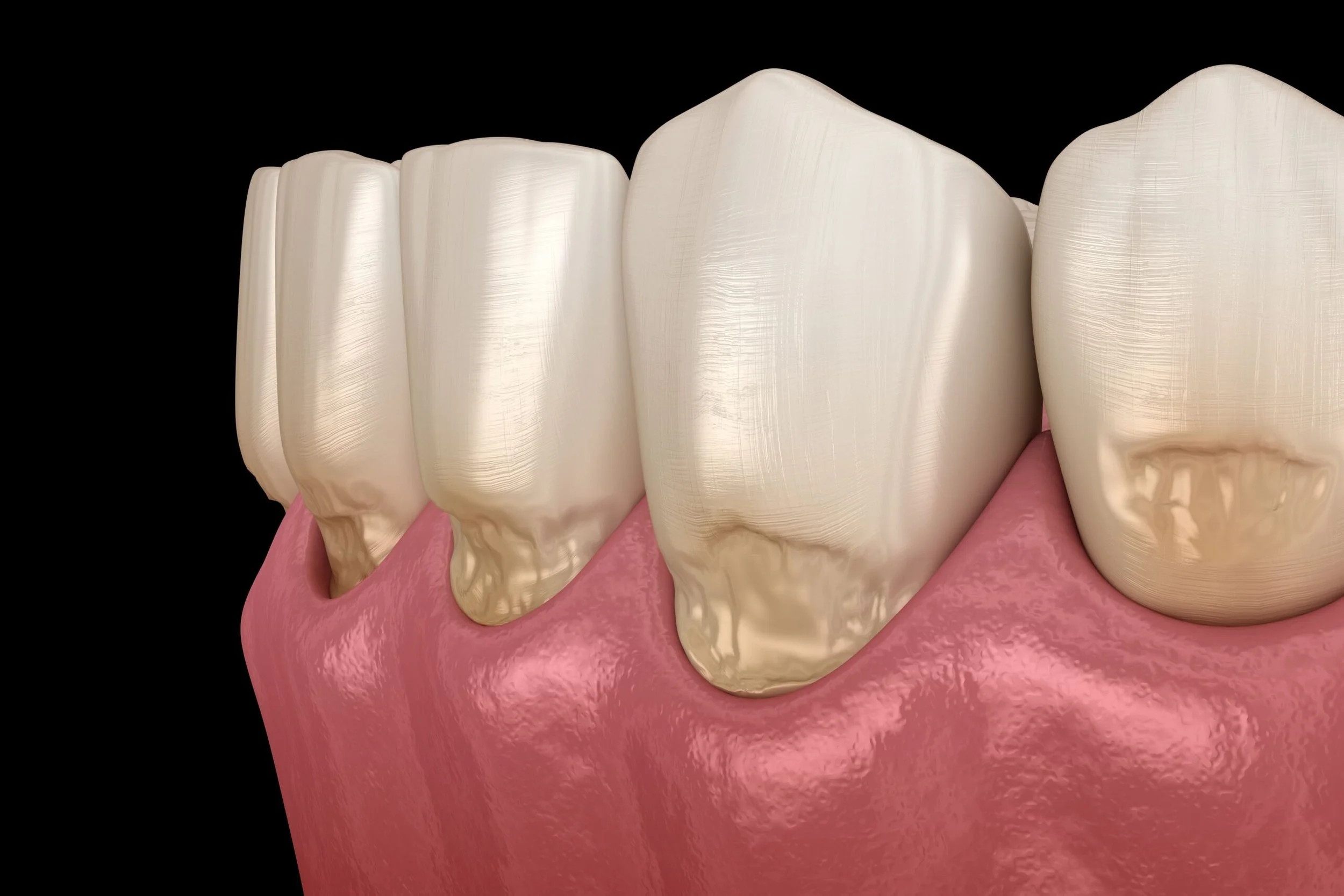
Do you notice your teeth looking longer or your gums pulling away? This could be a sign of gum recession, a condition where the gum tissue wears away and exposes the roots of your teeth. If left untreated, it can lead to tooth sensitivity, decay, and even tooth loss. Gum grafting is a proven periodontal treatment that restores your gum line and protects your smile.

Why Do Gums Recede?

Common causes of gum recession include:

  • Aggressive brushing

  • Gum disease (periodontitis)

  • Genetics

  • Teeth grinding or clenching

  • Poor oral hygiene

  • Orthodontic treatment

How Does Gum Grafting Work?

Gum graft surgery involves taking tissue—usually from the roof of your mouth or a donor source—and placing it over the area of recession. This helps:

  • Cover exposed roots

  • Improve gum health

  • Enhance the appearance of your smile

  • Prevent further gum recession

Types of Gum Grafts:

  • Connective Tissue Graft (most common)

  • Free Gingival Graft

  • Pedicle Graft
    Your periodontist or gum graft specialist will recommend the best option based on your needs.

What to Expect: Gum Graft Recovery

After gum graft surgery, it’s normal to experience mild swelling or sensitivity. Your dentist will provide specific aftercare instructions, such as:

  • Avoiding hot or crunchy foods

  • Using a special mouth rinse

  • Managing pain with over-the-counter medication
    Most patients return to normal activities within a week.

Benefits of Gum Grafting:

  • Stops further gum recession

  • Protects tooth roots

  • Reduces tooth sensitivity

  • Enhances aesthetics for a fuller smile

  • Long-term periodontal health benefits

Is Gum Grafting Right for You?

If you're noticing gum recession or have been told you need receding gums treatment, book a consultation with our experienced team. We offer advanced cosmetic gum surgery solutions tailored to your oral health needs.

Why Choose Us for Your Gum Graft?

Looking for a gum graft specialist near me? Our clinic provides gentle care, expert periodontal support, and detailed aftercare to ensure the best results.

Book Your Consultation Today

Restore your gums and regain confidence in your smile. Contact us to schedule your appointment and learn more about dental surgery for gum recession.