Thinking About Dental Implants? Here's What You Need to Know

Losing a tooth—whether from injury, decay, or gum disease—can feel overwhelming. But the good news is, you don’t have to live with gaps in your smile. Dental implants are one of the best long-term solutions for replacing missing teeth—and they feel just like the real thing.

Here’s what most people are searching for when it comes to dental implants, all answered in one place.

🦷 What is a dental implant?

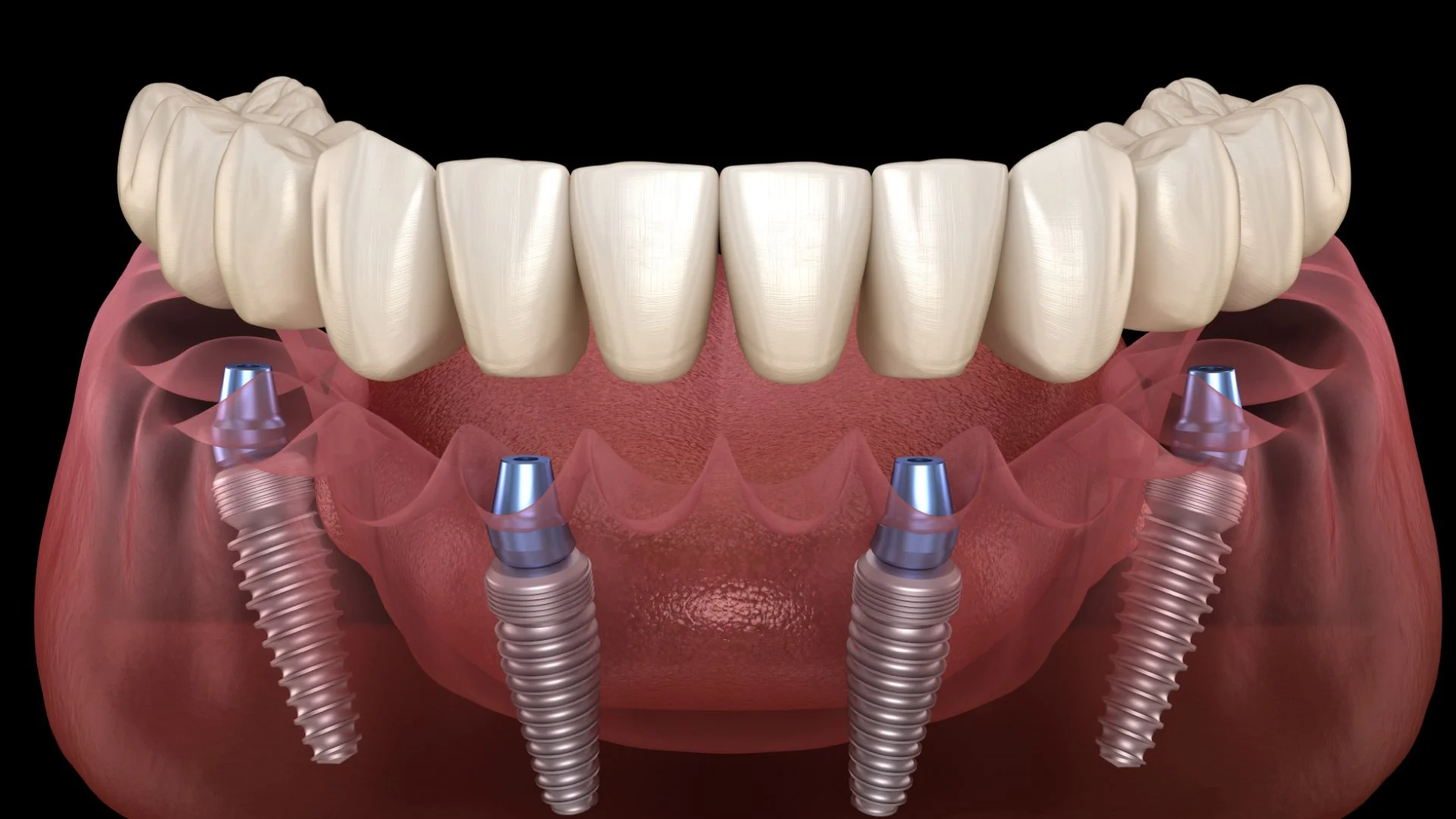
A dental implant is a small titanium post that’s placed into your jawbone where the missing tooth used to be. It acts like an artificial root. Once it heals and bonds to the bone, we attach a crown (the visible part) to restore your smile—strong, natural, and beautiful.

Why choose implants over dentures or bridges?

Dental implants are:

  • Permanent and fixed (they don’t move like dentures)

  • Strong enough to bite and chew like normal

  • Designed to prevent bone loss in your jaw

  • Easy to clean and maintain—just brush and floss as usual

  • The closest thing to your original tooth

They don’t rely on neighbouring teeth like a dental bridge does, which means less interference with healthy teeth.

Am I a candidate for dental implants?

Most healthy adults are suitable. You’ll need:

  • Healthy gums

  • Enough bone in your jaw to support the implant

  • No ongoing gum infections

  • Good general health for healing

If you’re unsure, don’t worry—we’ll assess your suitability with a simple scan and chat through your options.

Does the implant procedure hurt?

Not at all. The area is completely numbed, and most patients say it’s easier than having a tooth pulled. You might feel a little pressure but not pain. Afterward, you might experience mild swelling or discomfort for a day or two, but we’ll give you all the aftercare instructions you need.

How long does the process take?

It’s not done in a single day, but it’s worth the wait. Here’s a general timeline:

  • Step 1: Implant is placed in the jaw (takes 30–60 minutes)

  • Step 2: Healing phase (3–6 months)

  • Step 3: Crown is attached once healing is complete

Some cases may need bone grafting beforehand, especially if there’s been bone loss, but we’ll walk you through it.

How long do implants last?

With proper care, dental implants can last 20 years or more, even a lifetime. They don’t decay, but the gums and bone around them still need looking after. Regular dental visits and good oral hygiene are key.

What do implants cost?

Costs vary depending on how many implants you need and whether any additional procedures (like bone grafting) are required. At our clinic, we’ll provide a full breakdown and treatment plan before you start—no surprises.

Payment plans may also be available to make treatment more manageable.

What if I’ve been missing a tooth for a long time?

Even if your tooth has been missing for years, you may still be a candidate. We’ll assess the bone levels and talk about options like bone grafts or zygomatic implants if needed. You’d be surprised how many cases can still be treated.

Are dental implants safe?

Yes—dental implants are one of the most researched and successful procedures in dentistry, with high long-term success rates. Titanium is biocompatible, meaning your body accepts it well, and the healing process is generally smooth.

Final Word

If you're ready to smile, eat, and talk with confidence again, dental implants might be the answer. They’re strong, natural-looking, and a long-term solution that helps you avoid the problems of missing teeth.

We’re here to guide you through every step—gently, honestly, and without pressure.

Book a Consultation

Let’s talk about whether dental implants are right for you. You’ll get all the information, a clear plan, and expert care every step of the way.

📍 G1a, 570 New Canterbury Road, Hurlstone Park NSW
📞 (02) 9558 8988
📧 info@painfreedentistsydney.com.au

Root Canal Treatment: Everything You’re Searching For (Answered!)

If you've been told you need a root canal, you're probably feeling a little nervous and have a hundred questions. Don’t worry—we’re here to explain everything in plain English. Root canals are more common (and far less scary) than most people think.

Here are the top questions people search about root canal treatment—with answers to help you feel informed and confident.

🦷 What is a root canal?

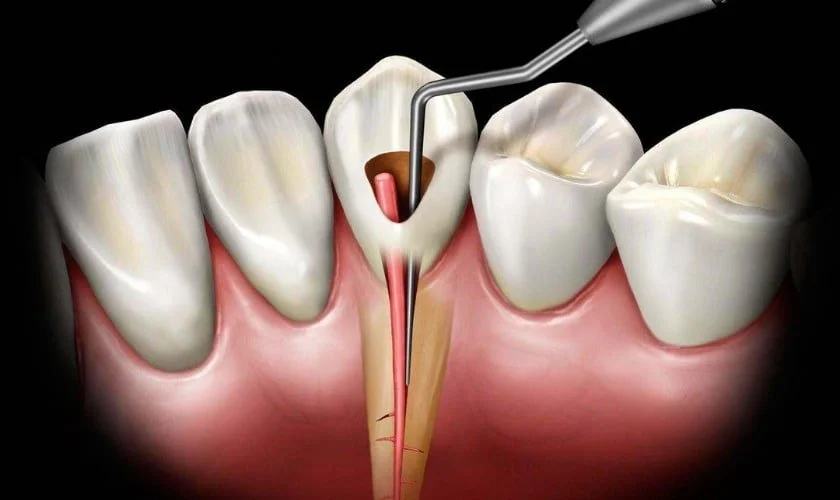
A root canal is a dental procedure that removes infected or inflamed tissue (called pulp) from inside your tooth. The area is cleaned, sealed, and restored—usually with a crown—to save the tooth and stop the pain.

How do I know if I need one?

You might need a root canal if you have:

  • Persistent toothache, especially when chewing

  • Sensitivity to hot or cold that lingers

  • Swelling or tenderness in the gums

  • A darkened or discoloured tooth

  • A pimple-like bump on the gum

If you're experiencing any of these, it's worth getting checked by your dentist.

Does it hurt?

This is the #1 fear—but the truth is, a root canal doesn't hurt. With modern anaesthesia, the procedure feels similar to getting a filling. Most patients are relieved that the pain stops after treatment.

How long does it take?

Most root canal treatments take 1 to 2 visits. Each session can last 30 minutes to 2 hours depending on the tooth and how complex the root system is.

Is it better than just pulling the tooth out?

Yes! Whenever possible, saving your natural tooth is the best option. Extracting a tooth can lead to other issues—like shifting teeth, bite changes, and needing implants or bridges, which can be more costly and time-consuming.

Will my tooth be weak afterwards?

Once the pulp is removed, the tooth can become more brittle. That’s why most root canals are followed by a crown to protect and strengthen the tooth for long-term use.

Is a root canal permanent?

When done properly and followed by a good restoration, root canals are highly successful and can last a lifetime. Proper oral care and regular checkups are key.

Can a root canal fail?

It’s rare, but yes—it can happen. If bacteria remain or re-enter the canal, a retreatment or minor surgery (called an apicoectomy) may be needed. This is usually successful.

What can I eat after the treatment?

Stick to soft foods for the first few days—think mashed potatoes, soups, yoghurt, scrambled eggs. Avoid chewing on the treated side until your crown or final restoration is in place.

Can I have a root canal while pregnant?

Yes! Root canals are considered safe during pregnancy. Your dentist will use pregnancy-safe medications and take precautions with X-rays. Always let your dental team know if you’re expecting.

When should I call my dentist?

If you have tooth pain that won’t go away, swelling in the gums or face, or signs of infection, don’t delay. Early treatment means less pain, fewer complications, and better outcomes.

Final Word

Root canal therapy might sound intimidating, but it’s a straightforward, pain-relieving procedure that saves your natural tooth and prevents bigger problems down the track. Don’t put off treatment—let’s get you smiling again.

Need Help?

We’re here to answer all your questions and provide gentle, pain-free care.

📍 G1a, 570 New Canterbury Road, Hurlstone Park NSW
📞 (02) 9558 8988
📧 info@painfreedentistsydney.com.au

Let’s take care of your tooth before it becomes an emergency.

Don’t Be Afraid of the Paperwork — You Deserve Dental Care After a Work Injury

If you’ve had a dental injury at work, we know it can be overwhelming—pain, uncertainty, and yes… paperwork. But here’s the truth: you absolutely deserve treatment, and with a little preparation, we can help you access that care through workers compensation.

At Pain Free Dentist Sydney, we see many patients who’ve been hurt on the job and are unsure where to begin. We want you to know: don’t let the paperwork stop you—we’re here to guide you every step of the way.

If You’ve Been Injured at Work…

Whether you’ve chipped a tooth in a fall, developed jaw pain (TMJ), or lost a tooth due to trauma—these issues are serious, and you don’t have to suffer through them. Work-related dental injuries are legitimately covered under workers compensation, and treatment can be fully funded if your claim is approved.

What You Need to Make It Happen

Yes, there are a few documents needed—but it’s nothing you can’t handle, and we’re here to help. To get started, please bring:

Your personal details – name, date of birth, address
Claim number – issued by the insurer once the claim is lodged
Letter of approval – shows the insurer has agreed to fund dental treatment
Insurer’s contact details – case manager’s name, phone, and email
Referral letter from your GP – must be addressed to our clinic, confirming your dental issue is related to a work incident

These details allow us to treat you without delay and communicate directly with your insurer—so you don’t have to go back and forth.

Don’t Let Fear of Forms Delay Your Recovery

We understand paperwork can feel overwhelming, especially when you’re in pain. But we promise—once the claim is approved and everything’s in place, you’ll be so glad you did it. The sooner it’s done, the sooner you can get your teeth, bite, and comfort back.

We’ll also help by:

  • Confirming what’s still needed

  • Contacting your insurer for treatment plan approval

  • Handling billing directly with the insurance provider

We've Got You

At Pain Free Dentist Sydney, our goal is in our name—to provide gentle, effective care without stress. If you’ve been injured at work and need help getting your dental claim sorted, just reach out.

📍 G1a, 570 New Canterbury Road, Hurlstone Park NSW
📞 (02) 9558 8988
📧 info@painfreedentistsydney.com.au

You don’t have to do this alone. Let’s get your treatment organised—paperwork and all.