Dental Implants: The Modern Solution for Missing Teeth

Missing teeth can affect more than just your smile—they can impact your ability to eat, speak, and feel confident. Dental implants offer a permanent, reliable, and natural-looking solution for replacing one or more missing teeth. With today’s advanced techniques, dental implants have become the gold standard in restorative dentistry.

What Are Dental Implants?

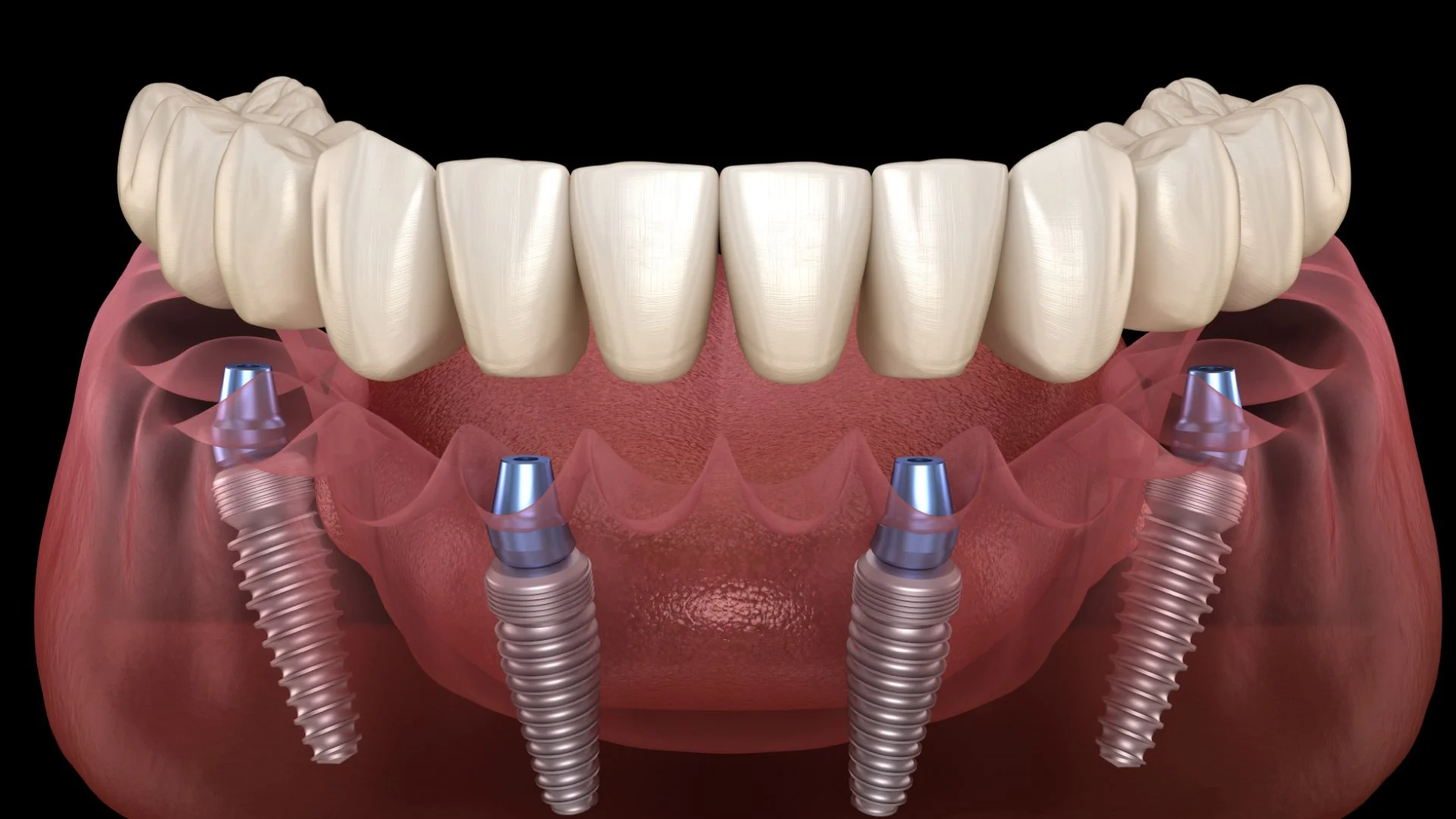
Dental implants are small titanium posts that are surgically placed into the jawbone to act as artificial tooth roots. Once the implant integrates with the bone (a process called osseointegration), it becomes a strong and stable foundation for a crown, bridge, or denture.

Each implant is custom-designed to match the shape and colour of your natural teeth, ensuring a seamless appearance.

Why Choose Dental Implants?

  • Long-lasting – With proper care, implants can last decades.

  • Natural look and feel – They look, feel, and function like real teeth.

  • Bone preservation – Implants stimulate the jawbone, preventing bone loss and facial sagging.

  • Improved oral health – Unlike bridges, implants don’t rely on adjacent teeth.

  • Secure and comfortable – No slipping or discomfort like traditional dentures.

Are You a Candidate?

Ideal candidates for dental implants are healthy individuals with sufficient bone density and healthy gums. If you have bone loss, grafting procedures may be recommended before implant placement. Smokers, diabetics, or patients with gum disease may need additional assessment and treatment to ensure implant success.

The Implant Process

  1. Consultation and Planning – A thorough dental and medical assessment is carried out.

  2. Implant Placement – The titanium post is surgically placed into the jawbone.

  3. Healing Period – Osseointegration usually takes 3 to 6 months.

  4. Restoration – Once healed, a custom crown or bridge is attached to complete the restoration.

Caring for Your Implants

Dental implants require the same care as natural teeth—regular brushing, flossing, and dental check-ups. Avoid smoking and follow your dentist’s advice to ensure long-term success.

Final Thoughts

Dental implants can dramatically improve your quality of life, restore your smile, and give you the confidence to eat, speak, and laugh without worry. With high success rates and long-term benefits, implants are a smart investment in your oral health. Consult your dentist today to see if dental implants are the right choice for you.

Ready to restore your smile?
At Pain Free Dentist Sydney, we offer gentle, expert dental implant solutions tailored to your needs. Book your consultation today and experience truly comfortable care from our friendly team.
📞 Call us on 02 9558 8988 or visit painfreedentistsydney.com.au

Teeth Whitening: Everything You Need to Know About Brighter Smiles

A dazzling, white smile is often seen as a sign of health, confidence, and youth. Teeth whitening is one of the most popular cosmetic dental procedures worldwide—and for good reason. It’s a simple, effective way to enhance your appearance and boost self-esteem. Whether you’re considering professional treatment or over-the-counter products, understanding the options, risks, and results of teeth whitening is essential.

What Causes Tooth Discoloration?

Before diving into whitening solutions, it helps to know what causes teeth to become stained or discoloured in the first place. Common causes include:

  • Foods and Drinks: Coffee, tea, red wine, dark berries, and soda can stain teeth over time.

  • Tobacco Use: Smoking or chewing tobacco can lead to yellow or brown stains.

  • Ageing: As we age, enamel thins and the yellowish dentin underneath becomes more visible.

  • Medications: Some antibiotics (like tetracycline) and chemotherapy can discolour teeth.

  • Poor Oral Hygiene: Plaque and tartar buildup can make teeth appear yellow or dull.

Types of Teeth Whitening

1. In-Office Whitening (Professional Bleaching)

Performed by a dentist, in-chair whitening delivers the fastest and most dramatic results. A high-concentration bleaching gel (usually hydrogen peroxide or carbamide peroxide) is applied to the teeth and activated with a special light or laser. This process typically takes 60–90 minutes and can lighten teeth by several shades in just one visit.

Pros:

  • Immediate results

  • Safe and monitored by professionals

  • Stronger whitening agents

Cons:

  • More expensive

  • Temporary sensitivity may occur

2. Take-Home Professional Kits

Custom trays are made by your dentist to fit your teeth perfectly. You’ll be given a whitening gel to use at home, usually for 30–60 minutes a day over 1–2 weeks.

Pros:

  • Gradual, natural-looking results

  • Less sensitivity than in-office treatments

  • More affordable than in-chair whitening

Cons:

  • Requires daily commitment

  • Results take longer to appear

3. Over-the-Counter (OTC) Products

These include whitening strips, gels, toothpastes, and LED light kits available in stores or online.

Pros:

  • Inexpensive and accessible

  • Easy to use at home

Cons:

  • Results are less predictable

  • Often weaker concentration of whitening agents

  • May cause gum irritation if not used properly

Is Teeth Whitening Safe?

Yes—when done correctly. Professional whitening supervised by a dentist is considered very safe. Over-the-counter products are also generally safe, but using them too often or incorrectly can cause enamel damage, gum irritation, or increased tooth sensitivity.

If you have dental crowns, veneers, or fillings, keep in mind that these materials won’t whiten like natural teeth. Always consult your dentist before starting any whitening treatment.

Managing Tooth Sensitivity

Sensitivity is a common side effect, especially with stronger bleaching agents. To minimise this:

  • Use a sensitivity toothpaste before and after treatment.

  • Avoid extremely hot or cold foods.

  • Space out whitening sessions to allow teeth to recover.

How Long Do Results Last?

Results vary depending on your lifestyle and oral hygiene habits. With proper care, professional whitening can last anywhere from 6 months to 3 years. To extend your results:

  • Avoid staining foods and drinks, or use a straw when drinking.

  • Rinse or brush after meals.

  • Don’t smoke or use tobacco products.

  • Maintain regular dental check-ups and cleanings.

Is Whitening Right for Everyone?

Teeth whitening may not be suitable if you:

  • Have untreated cavities or gum disease

  • Are pregnant or breastfeeding

  • Have severe enamel erosion

  • Have intrinsic stains (deep within the tooth)

A dental examination will help determine whether whitening is appropriate for you and what option is safest.

Conclusion

Teeth whitening is a safe and effective way to brighten your smile and improve your appearance when done correctly. Whether you opt for a professional in-chair treatment or an at-home whitening kit, consulting with a dental professional is the best first step. A whiter smile can significantly enhance your confidence—so long as it’s achieved with the right method and proper care.

Want a Whiter Smile?

📞 Call us today on (02) 9558 8988
📍 Pain Free Dentist Sydney – 570 New Canterbury Rd, Hurlstone Park NSW 2193
💻 Book Online — Mention “teeth whitening” in your notes

What is Deep Cleaning at the Dentist? (And Do You Really Need One?)

If your dentist has recommended a deep clean for your teeth and gums, you might be wondering — what exactly is it, and why isn’t a regular clean enough?

At Pain Free Dentist Sydney, we offer gentle deep cleaning treatments to stop the progression of gum disease and restore your oral health — without pain or stress.

🦷 What is a Deep Cleaning?

A deep cleaning, also called scaling and root planing, is a non-surgical treatment for gum disease (also known as periodontitis). It goes beyond a regular dental clean by removing bacteria and hardened plaque below the gumline — where standard cleanings can't reach.

It’s one of the most effective ways to treat gum disease in its early to moderate stages and prevent tooth loss or further damage.

🪥 Deep Cleaning vs Regular Cleaning: What’s the Difference?

Regular Clean (Scale & Polish)Deep Clean (Scaling & Root Planing)Removes plaque/tartar above the gumsRemoves plaque/tartar above and below the gumsSuitable for healthy gums or mild gingivitisUsed when gums show signs of infection, pockets, or bone lossUsually done in one visitOften done over 1–2 sessions with local numbing

If your gums are healthy, a standard clean every 6 months may be all you need. But if you have signs of gum disease, a deep clean may be the first step to healing.

🚩 Signs You Might Need a Deep Cleaning

  • Bleeding when brushing or flossing

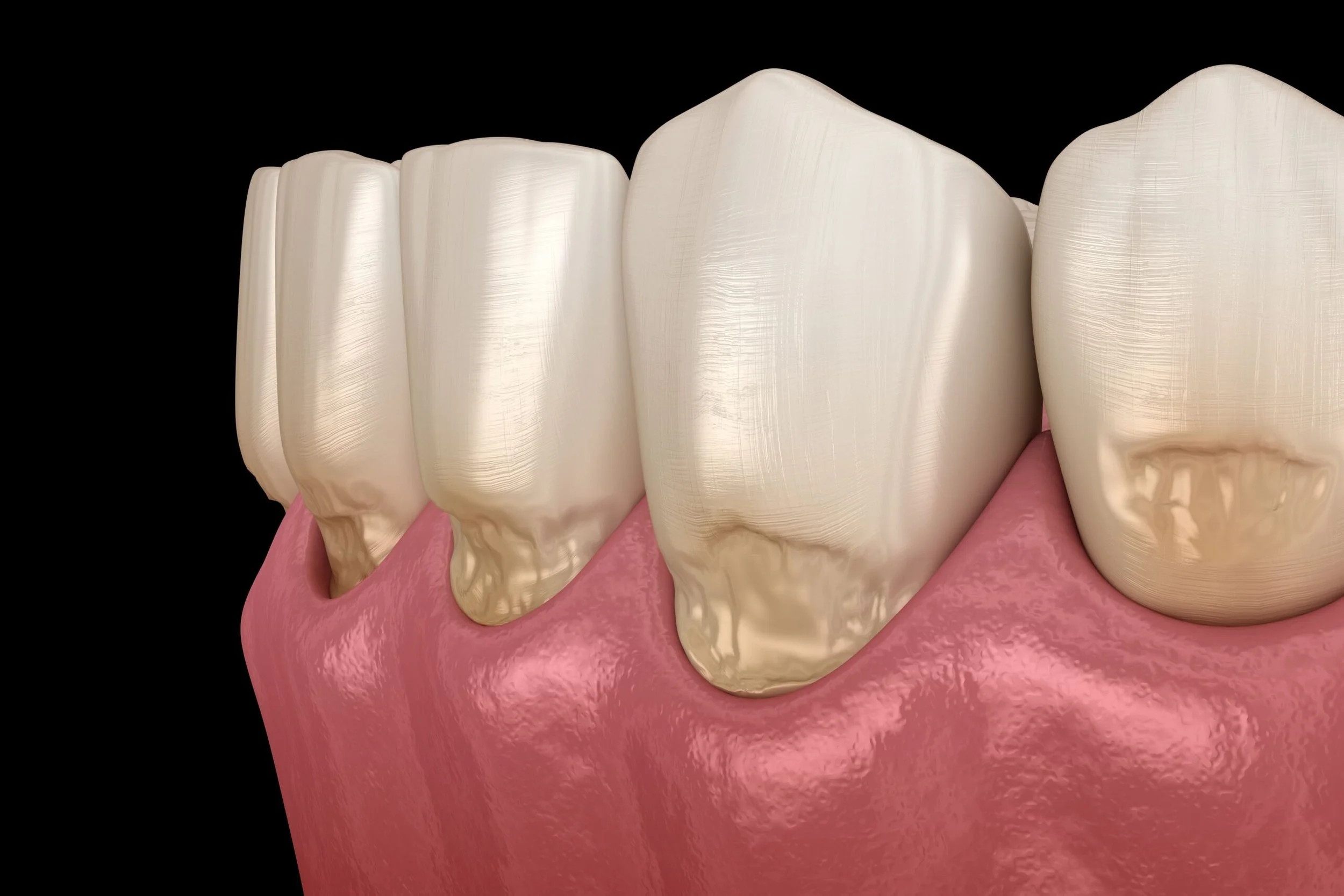
  • Red, swollen, or receding gums

  • Persistent bad breath

  • Tartar build-up under the gums

  • Loose teeth or gum “pockets” seen on X-rays or measurements

During your check-up, we measure your gum pockets — the spaces between the tooth and gum. Healthy gums have pockets of 1–3 mm. Pockets deeper than 4 mm may indicate the need for a deep clean.

🧠 Why Deep Cleaning Matters

When plaque and tartar sit below the gumline, they create a breeding ground for bacteria. This leads to chronic inflammation, gum detachment, and even bone loss. If left untreated, it can result in tooth loss and increase your risk for heart disease, diabetes complications, and more.

A deep cleaning:

  • Removes bacteria and toxins

  • Helps gums reattach to the teeth

  • Reduces bleeding and inflammation

  • Slows or stops gum disease progression

✅ What to Expect During Your Deep Cleaning

  1. Numbing – We gently numb the area so you feel comfortable and pain-free.

  2. Scaling – We remove plaque and tartar buildup from the tooth surface and beneath the gumline.

  3. Root Planing – We smooth the root surfaces to help gums reattach and make it harder for bacteria to stick.

  4. Aftercare – You may feel mild sensitivity for a day or two. We’ll give you home care tips and recommend a follow-up.

Depending on your case, treatment may be done in one session or divided into two appointments (e.g., left and right side of the mouth).

🗓 How Often Will I Need It?

After a deep clean, many patients go on a 3–4 monthly maintenance routine to keep bacteria from returning. Gum disease is a chronic condition, so regular follow-up is key to preventing recurrence.

📍 Book Your Gum Health Assessment Today

If you’ve been told you need a deep clean — don’t panic. It’s a safe, effective, and routine procedure that can help save your teeth and improve your overall health.

📞 Call us today on (02) 9558 8988
📍 Pain Free Dentist Sydney – 570 New Canterbury Rd, Hurlstone Park NSW 2193
💻 Book Online — Mention “gum health check” in your notes