
Pain-Free Root Canal Treatments: Top 10 FAQs

1. What is a Root Canal Treatment (RCT)?

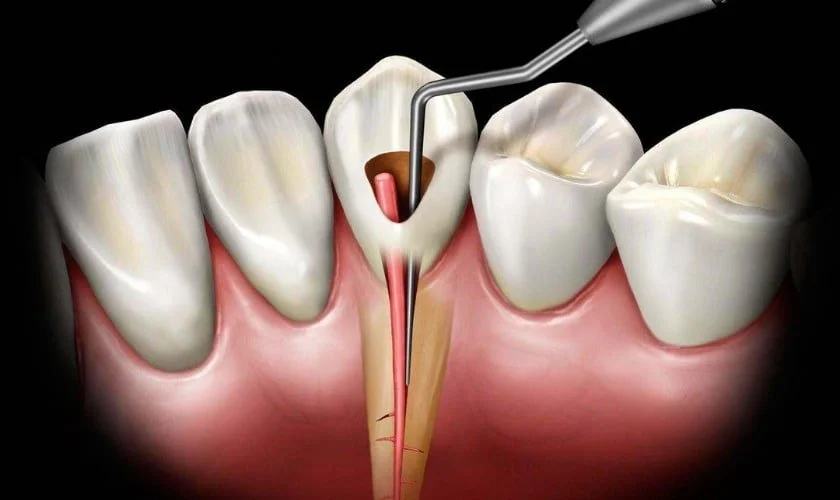
A root canal is a dental procedure—also called endodontic therapy—that removes infected or inflamed pulp (the soft tissue inside your tooth), cleans and seals the canals, and restores the tooth with a filling or crown. This treatment helps save a damaged tooth and prevent further infection.

2. Why is an RCT needed?

You may need a root canal if bacteria have entered the pulp—due to deep decay, cracks, failed fillings, or trauma—leading to infection. If left untreated, the infection can spread to bone, causing pain or abscess.

3. What happens during the procedure?

The dentist or endodontist starts by taking X-rays and numbing the area. The infected pulp is removed, the canals are cleaned, shaped, and filled with biocompatible material like gutta-percha. Sometimes, a crown is placed to restore structural strength.

4. Is it painful?

Thanks to modern anesthetics and techniques, a root canal isn’t more painful than a regular filling. You might feel some soreness or discomfort for a few days afterward, but pain is typically manageable and fleeting.

5. How long does the treatment take?

The procedure usually spans one or two visits. Each visit typically lasts around 90 minutes, though some clinics offer faster options like single-visit laser RCTs.

6. How long do treated teeth last?

With proper care and restoration, root canal-treated teeth can last a lifetime. Success is highly likely—over 90% in well-restored cases.

7. What are the risks or side effects?

Minor side effects may include temporary sensitivity, swelling, or mild discomfort. Persistent symptoms beyond a few days should be checked by your dentist. Rarely, retreatment may be necessary.

8. Will I need a crown afterward?

Often, yes. Restoring the tooth with a crown helps protect it from fracture and ensures long-term durability—especially for back teeth.

9. When should I see a dentist?

If you experience pain when chewing, prolonged sensitivity to hot or cold, gum swelling, or a pimple-like bump near the tooth root, consult your dentist promptly. Early treatment prevents complications like abscesses.

10. Is it safe and reliable?

Yes. Root canals are a safe, effective, and reliable way to save healthy teeth. Modern procedures and technology have made them highly predictable with long-lasting outcomes.

Why Choose Pain Free Dentist Sydney for Your Root Canal?

If you're in Sydney and looking for an RCT that’s comfortable, high-quality, and stress-free, Pain Free Dentist Sydney is a standout choice:

  • They specialize in gentle, stress-free, pain-free root canals, using modern anesthetics and sedation when needed.

  • Located in Dulwich Hill, they offer IV sedation and other sedation options, ideal for nervous patients.

  • Their blog emphasizes that root canals "don’t have to be scary" and highlights their "pain-free, routine" approach.

Final Thoughts

Root canal treatment today is far from the dreaded procedure of yesteryear. It’s safe, efficient, pain-managed, and can save your natural tooth for decades. If you're in Sydney, Pain Free Dentist Sydney offers compassionate care and modern sedation options to make your experience as smooth as possible.

Need Help?

At Pain Free Dentist Sydney, we offer gentle assessments and treatment for those with tooth pain.

Call us on (02) 9558 8988 or email us at info@painfreedentistsydney.com.au to book a consultation or learn more.
You can also book online at www.painfreedentistsydney.com.au!

Understanding Baby Tongue and Lip Tie: What Parents Need to Know

Tongue tie (ankyloglossia) and lip tie are common conditions in infants that can sometimes interfere with feeding, speech development, and oral function. Although they are often undiagnosed or misunderstood, early identification and management can significantly improve a baby’s ability to feed effectively and prevent complications later in life.

What Are Tongue Tie and Lip Tie?

  • Tongue Tie occurs when the thin band of tissue (called the lingual frenulum) that connects the underside of the tongue to the floor of the mouth is too short, tight, or thick. This can restrict the tongue’s range of motion.

  • Lip Tie happens when the tissue that connects the upper lip to the gum (labial frenulum) is too tight, limiting the movement of the upper lip.

These ties are congenital, meaning babies are born with them. They vary in severity and may or may not cause symptoms.

Signs and Symptoms

In Infants

  • Difficulty latching during breastfeeding

  • Clicking sounds while nursing

  • Gassiness, reflux-like symptoms, or colic

  • Poor weight gain or prolonged feeding sessions

  • Milk leaking from the corners of the mouth

  • Blistering on lips or a heart-shaped tongue

In Mothers

  • Nipple pain or damage

  • Incomplete breast drainage (leading to mastitis or blocked ducts)

  • Frustration or anxiety around feeding

Diagnosis

Tongue and lip ties are typically diagnosed through:

  • A physical examination by a paediatrician, lactation consultant, or pediatric dentist

  • A detailed history of feeding challenges

  • In some cases, using classification systems (e.g., Kotlow or Coryllos) to grade the severity

It's essential not only to look at the anatomy but also to assess function—how the restriction is affecting feeding, not just how it looks.

Potential Long-Term Impacts if Untreated

While not all tongue or lip ties require treatment, in cases where function is significantly impaired, leaving them untreated may lead to:

  • Speech delays or articulation issues

  • Poor oral hygiene due to restricted tongue mobility

  • Difficulty with chewing or swallowing

  • Orthodontic issues such as gaps between front teeth

  • Sleep-disordered breathing or airway development concerns

Treatment Options

1. Frenectomy

This is a minor surgical procedure to release the restrictive frenulum. It can be done using:

  • Laser

  • Scissors or scalpel

The procedure is quick and can be done in-office, often without the need for general anesthesia in young infants.

2. Post-Procedure Care

Stretching exercises are often recommended after a frenectomy to:

  • Prevent reattachment of the tissue

  • Encourage optimal healing

  • Support improved function

3. Feeding Support

  • Working with a lactation consultant is crucial both before and after the procedure to optimize latch and ensure successful breastfeeding.

  • Bodywork (e.g., chiropractic care, craniosacral therapy, or physiotherapy) may be advised to address muscle tension or compensations.

Do All Ties Need to Be Treated?

Not necessarily. Many babies have a visible tie but no symptoms. If feeding is going well, and there are no functional issues, treatment may not be required. A multidisciplinary approach—pediatric dentist, GP, lactation consultant—is best for assessing whether intervention is needed.

Final Thoughts

Early recognition of tongue and lip ties can make a significant difference in a baby’s feeding journey and overall development. If you're concerned your baby may have a tongue or lip tie, consult with a knowledgeable healthcare provider to evaluate and guide you on the best course of action.

Need Help?

At Pain Free Dentist Sydney, we offer gentle assessments and treatment for infants with tongue and lip ties using traditional scissors cut.

Call us on (02) 9558 8988 or email us at info@painfreedentistsydney.com.au to book a consultation or learn more.
You can also book online at www.painfreedentistsydney.com.au!

Discover the Life-Changing Benefits of All-on-4 Dental Implants at Pain Free Dentist Sydney

If you're struggling with missing teeth, ill-fitting dentures, or the daily discomfort of chewing and smiling, All-on-4 dental implants could be the transformative solution you've been searching for. At Pain Free Dentist Sydney, we specialise in advanced, comfortable, and long-lasting dental solutions that restore not just your teeth—but your confidence and quality of life.

What Are All-on-4 Dental Implants?

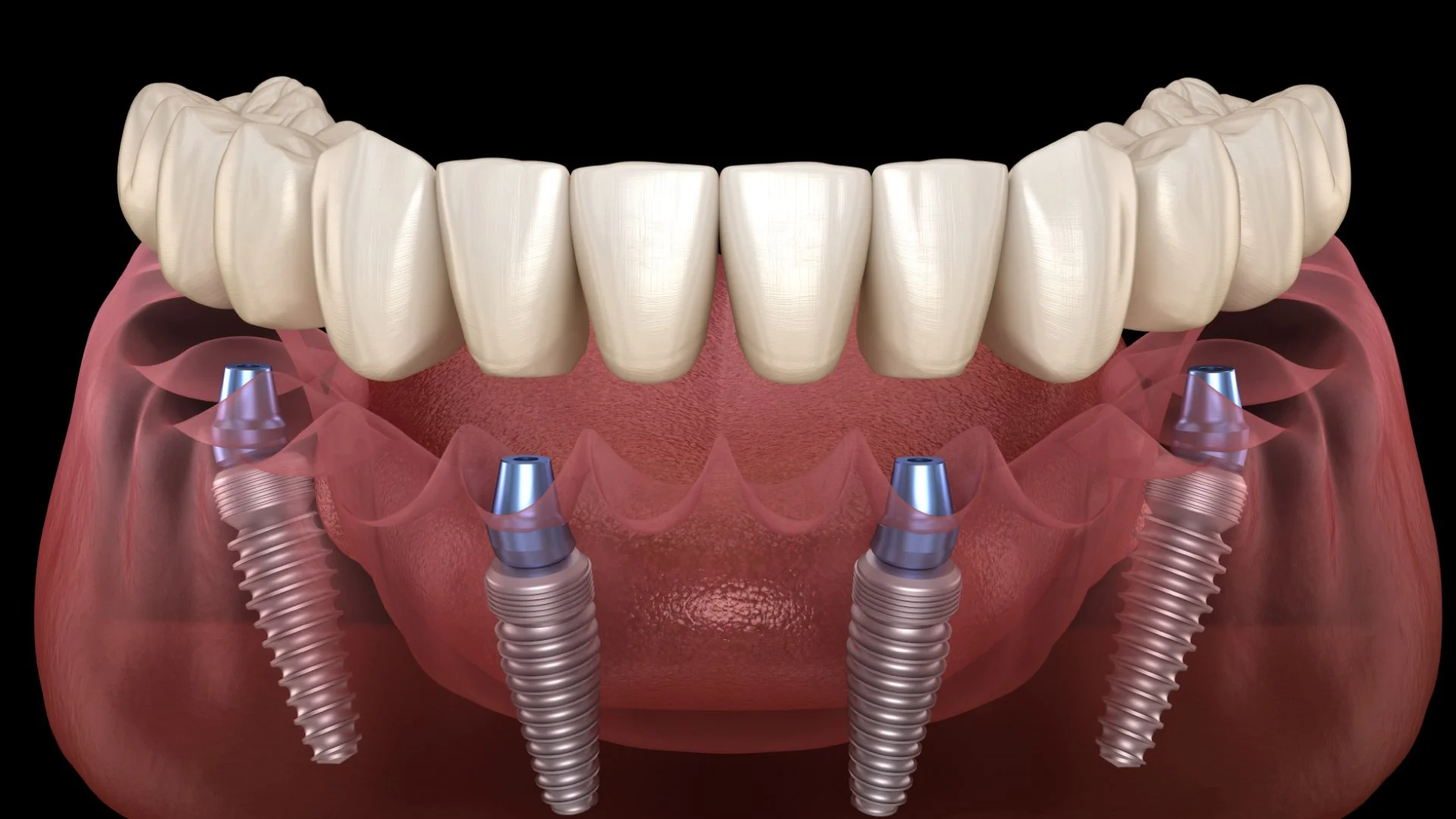
All-on-4 is an innovative technique that allows a full arch of teeth to be supported by just four strategically placed dental implants. Unlike traditional implants that may require one post per tooth, All-on-4 uses fewer implants, reducing surgery time, cost, and recovery.

This technique is ideal for patients who:

  • Are missing most or all of their teeth

  • Have loose or ill-fitting dentures

  • Have experienced bone loss in the jaw

  • Want a fixed, natural-looking smile

Why Choose All-on-4?

Immediate Results
Most patients walk out with a fully functional set of teeth on the same day.

Cost-Effective
Fewer implants and shorter treatment time make All-on-4 more affordable than full mouth reconstruction with individual implants.

Bone Graft Often Unnecessary
Even with bone loss, All-on-4 placement often avoids the need for bone grafting.

Permanent & Natural-Looking
These aren't removable dentures—they're fixed teeth that feel and function just like your natural ones.

Our Process at Pain Free Dentist Sydney

  1. Comprehensive Consultation
    We begin with 3D imaging, a detailed oral health exam, and a personalised treatment plan.

  2. Surgical Placement
    Our experienced team, led by Dr Lee San Chong, uses guided surgery for precision implant placement.

  3. Same-Day Smile
    You’ll receive a temporary set of teeth on the day of surgery, with final prosthetics placed after healing.

  4. Ongoing Support
    We guide you through aftercare, hygiene, and long-term maintenance to ensure your new smile lasts a lifetime.

Why Choose Pain Free Dentist Sydney?

  • 🦷 Gentle, Modern Dentistry
    We’re renowned for pain-free techniques, sedation options, and compassionate care.

  • 💡 Advanced Technology
    We use the latest in digital imaging, guided implant surgery, and biocompatible materials.

  • Trusted Local Experts
    With decades of experience, our team delivers world-class care with a personal touch.

  • 📍 Convenient Inner West Location
    Located in Dulwich Hill, we’re easily accessible for patients from all across Sydney.

Ready to Reclaim Your Smile?

Whether you’ve been living with dentures, missing teeth, or just feel self-conscious about your smile, All-on-4 implants at Pain Free Dentist Sydney could change your life.

📞 Call us today on (02) 9558 8988
📧 Or email: info@painfreedentist.com.au
📍 Visit us at: 570 New Canterbury Rd, Hurlstone Park NSW 2193 or at www.painfreedentistsydney.com.au