
Medications and Your Dental Health: What You Should Know Before Your Appointment

💊 Why Your Dentist Cares About Your Medications

When your dentist asks about your medications, it’s not just small talk—it’s a key part of keeping you safe.

Prescriptions, over-the-counter drugs, and even vitamins can influence your dental health and how your body reacts during treatment. Sharing this information helps Pain Free Dentist Sydney provide safe, personalized care.

🦷 How Medications Can Affect Dental Care

Medications can impact your mouth in different ways. Here’s what your dentist looks out for:

1. Bleeding or Healing Changes

Some medications can cause extra bleeding or slower healing after dental work. Your dentist may use special dressings or schedule follow-ups to help you heal safely.

2. Dry Mouth (Xerostomia)

Many medications—like those for allergies, anxiety, depression, or blood pressure—reduce saliva flow. Less saliva increases cavity and gum disease risk.
💧 Tip: Drink plenty of water and ask your dentist about saliva substitutes or fluoride treatments.

3. Gum Overgrowth or Swelling

Certain heart and seizure medications can cause gums to swell. Regular cleanings and gentle brushing help keep gums healthy.

4. Taste Changes and Sensitivity

Antibiotics, antihistamines, and pain medications may temporarily affect taste or cause oral sensitivity.

5. Bone and Healing Concerns

Osteoporosis medications like Fosamax or Prolia can affect jawbone healing after extractions or implants. Always tell your dentist before surgery.

6. Immune or Hormonal Medications

Steroids, chemotherapy, or hormone therapy can reduce infection resistance. Your dentist may take extra precautions to protect your mouth.

🗣️ Communication = Safe Dental Care

Bring an updated list of:

  • Prescription medications

  • Over-the-counter drugs

  • Vitamins and supplements

  • Herbal products

This helps your Sydney dentist spot potential interactions early and coordinate care with your physician if needed.

😁 The Bottom Line

Medications don’t mean you have to skip the dentist. Open communication ensures every cleaning, filling, or treatment is safe, smooth, and stress-free.

📍 FAQs About Medications and Dental Visits

1. Can I have dental work while taking medication?
Yes! Most procedures are safe while on medication. Your dentist may take extra precautions as needed.

2. Should I stop my medication before a dental procedure?
Never stop prescribed medication without consulting your doctor. Your dentist and physician can create a safe plan.

3. What if I forget to tell my dentist about a medication?
Update your dentist as soon as possible—even during your visit. It’s always better to share than risk complications.

4. Can supplements or herbal products affect dental treatment?
Yes. Supplements like ginkgo, ginseng, or fish oil may increase bleeding risk. Include these on your medication list.

5. How can I protect my mouth if a medication causes dry mouth?
Stay hydrated, use saliva substitutes, chew sugar-free gum, and ask your dentist about fluoride varnish or prescription mouthrinses.


Pain Free Dentist Sydney
📞 Call 9558 8988 or book your appointment online today!

Teeth Whitening Trends in 2025: Safe, Effective, and Dentist-Approved Options

A bright, confident smile can completely transform how you feel about yourself. In 2025, teeth whitening is more popular than ever, and advances in both professional and at-home treatments mean achieving a dazzling smile has never been safer or more effective. At Pain Free Dentist Sydney, we see patients every day who want a whiter smile—but it’s not just about aesthetics. Whitening teeth safely is also about maintaining long-term dental health.

Why Teeth Become Discolored

Not all stains are the same, and understanding the cause of discoloration is crucial for safe whitening:

  • Diet and lifestyle: Coffee, tea, red wine, and dark foods can stain teeth over time. Smoking is a particularly strong contributor to stubborn yellow or brown stains.

  • Aging: As enamel naturally thins with age, the underlying dentin shows through, giving teeth a dull or yellow appearance.

  • Medications: Certain antibiotics and other medications can affect tooth color.

  • Dental health factors: Decay, enamel erosion, or previous dental restorations may influence how teeth respond to whitening treatments.

Identifying the source of discoloration helps dentists recommend the safest and most effective whitening solution.

Trend 1: In-Office Professional Whitening

In-office whitening remains the most effective method for fast and noticeable results. Modern techniques use professionally formulated bleaching agents, sometimes accelerated with light or laser systems.

Why it’s trending:

  • Immediate results: Some patients notice a 5–10 shade improvement in a single visit.

  • Customization: Your dentist can adjust strength and timing based on sensitivity, ensuring comfort.

  • Safety: In-office treatments are supervised, reducing the risk of enamel damage or gum irritation.

Pro Tip: Patients often combine in-office whitening with a take-home maintenance kit for long-lasting results.

Trend 2: Dentist-Prescribed Take-Home Whitening Kits

Take-home whitening kits allow patients to achieve professional-grade results at their own pace. Unlike over-the-counter products, dentist-prescribed kits are customized to your teeth and oral health.

How it works:

  • Custom trays are made to fit your teeth perfectly.

  • Professional-strength gel is provided with clear instructions.

  • Gradual whitening reduces sensitivity and gives predictable results.

This option is perfect for people who prefer convenience but still want professional oversight.

Trend 3: LED and Light-Accelerated Whitening Devices

LED and light-accelerated systems are becoming more common, both in clinics and at home. These devices enhance the effect of bleaching gels, speeding up whitening while being gentle on enamel.

Why they’re gaining popularity:

  • Shorter treatment sessions.

  • Enhanced whitening efficiency.

  • Less discomfort compared to older bleaching methods.

At Pain Free Dentist Sydney, we evaluate your teeth carefully before recommending LED-accelerated treatments to ensure the best results with minimal sensitivity.

Trend 4: Gentle, Natural Whitening Solutions

For those with sensitive teeth or mild discoloration, natural approaches are gaining traction:

  • Whitening toothpastes and rinses that remove surface stains.

  • Adjusting diet to reduce staining foods and drinks.

  • Avoiding habits like smoking that accelerate discoloration.

While these methods won’t produce dramatic results, they are excellent for maintenance and long-term enamel health.

Tips for Safe Whitening

Even the safest whitening treatments can cause problems if not done correctly. Keep these tips in mind:

  1. Consult a dentist first: Over-the-counter products may be too strong or ineffective.

  2. Avoid overuse: Excessive bleaching can weaken enamel.

  3. Follow instructions carefully: This is especially important for take-home kits or LED devices.

  4. Maintain oral hygiene: Brushing, flossing, and professional cleanings enhance and prolong results.

  5. Be realistic: Teeth whitening can improve appearance, but it cannot correct structural issues or stains caused by certain medications.

Why Professional Guidance Matters

Many people assume whitening is purely cosmetic, but improper techniques can damage teeth and gums. At Pain Free Dentist Sydney, we prioritize both aesthetics and safety, tailoring treatment plans to each patient’s needs, sensitivity, and lifestyle. Our goal is a smile that looks natural, feels comfortable, and lasts for years.

Book Your Teeth Whitening Consultation

Whether you want dramatic in-office results or a gentle, gradual whitening plan at home, we can help you achieve a brighter smile safely. Our team combines modern technology, professional expertise, and a pain-free approach to ensure your teeth look their best without compromising dental health.

📞 Call: 9558 8988
📧 Email: info@painfreedentistsydney.com.au
🌐 Visit: www.painfreedentistsydney.com.au

Take the first step toward a confident, radiant smile today.

How to Prevent Gum Disease Before It Starts — Dentist-Approved Tips

Gum disease is one of the most common oral health problems, yet it’s also one of the most preventable. At Pain Free Dentist Sydney, we see many patients who only discover they have gum disease once symptoms become advanced. The good news is that early prevention, proper oral hygiene, and regular dental visits can help you avoid this condition entirely.

Understanding Gum Disease

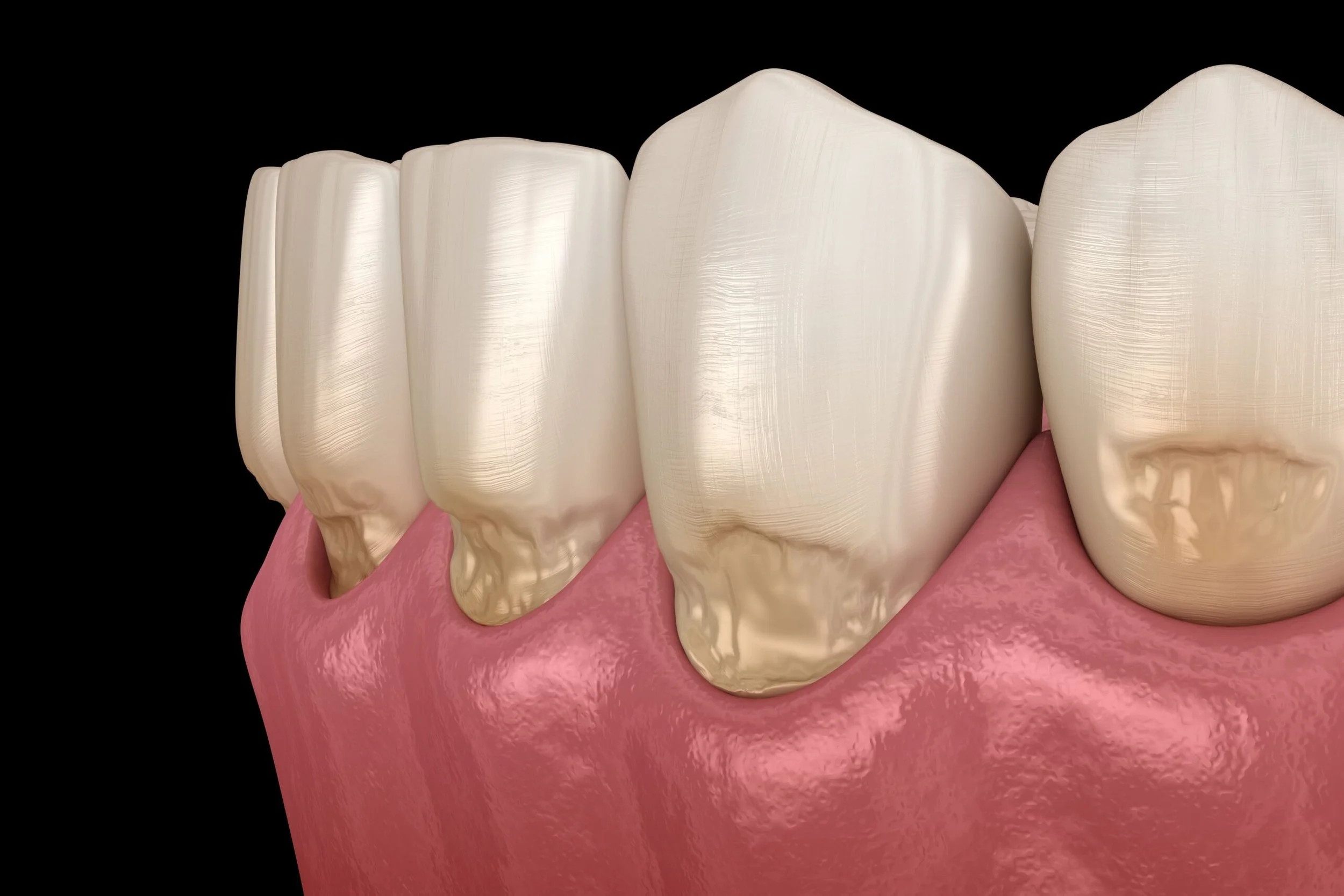
Gum disease, also known as periodontal disease, begins with inflammation of the gums caused by the buildup of plaque—a sticky film of bacteria that forms on the teeth. The earliest stage, called gingivitis, often presents as redness, swelling, or bleeding during brushing and flossing. If left untreated, it can progress to periodontitis, a more serious form that can damage the soft tissue and bone supporting your teeth.

At this stage, gum disease can lead to receding gums, loose teeth, and even tooth loss. Recognizing the early warning signs and taking preventive steps is essential for maintaining lifelong oral health.

The Importance of Prevention

Preventing gum disease is far easier—and far less costly—than treating it once it develops. Gum health plays a major role not just in your smile, but in your overall well-being. Studies have linked periodontal disease to systemic conditions such as heart disease, diabetes, and respiratory problems. By focusing on prevention, you protect both your mouth and your general health.

1. Maintain a Consistent Oral Hygiene Routine

The foundation of gum disease prevention is daily oral care. Brush your teeth at least twice a day using a soft-bristled toothbrush and fluoride toothpaste. Angle your brush at 45 degrees toward the gumline to remove plaque effectively. Don’t forget to clean your tongue, which can harbour bacteria.

Flossing once daily is equally important. It removes plaque and food particles that brushing alone can’t reach, especially between teeth and under the gumline.

Dentist’s Tip: If you find flossing difficult, consider interdental brushes or a water flosser for more comfortable cleaning.

2. Schedule Regular Dental Check-Ups

Even with excellent home care, professional dental visits are essential. At Pain Free Dentist Sydney, we recommend check-ups and cleanings every six months, or more often if you’re at higher risk for gum disease. Regular examinations allow your dentist to detect early signs of gingivitis and remove hardened tartar (calculus) that brushing cannot eliminate.

Professional cleanings also give your gums a chance to heal and help prevent bacteria from advancing deeper into the tissues.

3. Adopt a Healthy, Balanced Diet

What you eat affects your gum health. A diet rich in vitamins and minerals—particularly vitamin C, calcium, and antioxidants—helps strengthen gum tissue and boost your body’s ability to fight infection. Limit sugary foods and drinks, which promote plaque formation and bacterial growth.

Smart choices: Fresh fruits, leafy greens, nuts, and dairy products all support healthier gums.

4. Quit Smoking or Vaping

Tobacco use is one of the leading risk factors for gum disease. Smoking reduces blood flow to the gums, impairs healing, and makes it easier for bacteria to thrive. Even vaping can increase the risk of inflammation and infection.

If you smoke, quitting is one of the best things you can do for both your oral and overall health. Our dental team can guide you toward resources that support cessation.

5. Manage Health Conditions and Medications

Certain medical conditions—such as diabetes—can increase your susceptibility to gum disease by affecting blood sugar control and immune response. Some medications may also cause dry mouth, which reduces saliva flow and allows bacteria to multiply.

Inform your dentist about any medications or chronic conditions so we can tailor your preventive care plan accordingly.

6. Recognize Early Warning Signs

Don’t ignore symptoms like:

  • Bleeding when brushing or flossing

  • Swollen or tender gums

  • Persistent bad breath

  • Receding gumline

  • Loose or shifting teeth

If you notice any of these issues, book an appointment promptly. Early diagnosis makes treatment simpler and more effective.

Protect Your Smile with Pain-Free Preventive Care

At Pain Free Dentist Sydney, our experienced team takes a gentle, comprehensive approach to gum health. Whether you’re due for a routine cleaning or concerned about early gum disease, we’ll ensure your care is comfortable and effective.

Preventing gum disease is an investment in your smile’s future—and it starts with professional guidance and consistent care.

Book Your Appointment Today

📞 Call: 9558 8988
📧 Email: info@painfreedentistsydney.com.au
🌐 Visit: www.painfreedentistsydney.com.au

Protect your gums today for a healthier, brighter smile tomorrow.