Multiple Tooth Loss: Replacement Options for Better Quality of Life

Understanding Multiple Tooth Loss

Losing several teeth can significantly impact your ability to chew, speak, and smile confidently. Beyond aesthetics, tooth loss can lead to:

  • Shifting of remaining teeth

  • Bone loss in the jaw

  • Difficulty eating or speaking

  • Reduced self-esteem and confidence

Fortunately, modern dentistry offers several solutions to restore function and improve quality of life.

Replacement Options for Multiple Missing Teeth

1. Dental Implants

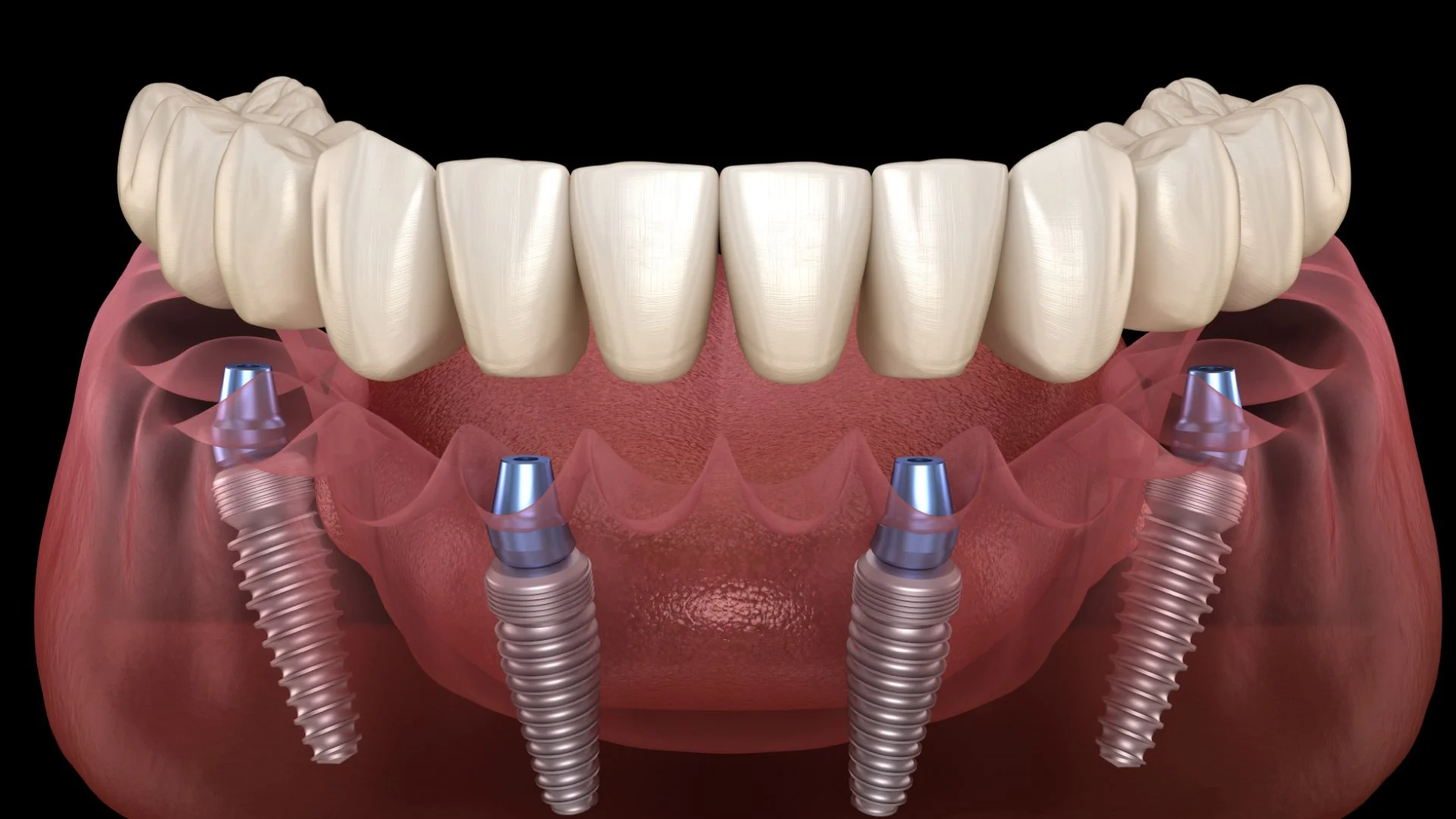
Dental implants are titanium posts surgically placed into the jawbone to replace missing teeth roots. They offer:

  • Permanent, stable tooth replacement

  • Preservation of jawbone density

  • Natural-looking and feeling teeth

  • High durability with proper care

Implants can replace individual teeth or anchor bridges and dentures for multiple missing teeth.

2. Implant-Supported Bridges

For patients missing several teeth in a row, implant-supported bridges are an excellent solution:

  • Anchored by dental implants for stability

  • Restores full chewing function

  • Looks and feels natural

  • Prevents teeth shifting

3. Dentures

Dentures remain a popular option for multiple tooth loss:

  • Affordable and removable

  • Can replace several or all teeth in an arch

  • Modern dentures look natural and restore function

  • Requires periodic adjustments and care

Implant-supported dentures provide additional stability and comfort compared to traditional removable dentures.

4. Partial Dentures

For patients with some natural teeth remaining, partial dentures can:

  • Fill gaps and improve chewing and speech

  • Prevent remaining teeth from shifting

  • Be removed for easy cleaning

  • Offer a cost-effective replacement solution

Benefits of Replacing Multiple Teeth

  • Improved chewing and digestion

  • Restored speech clarity

  • Enhanced appearance and confidence

  • Prevention of jawbone loss and teeth shifting

  • Better overall oral health

Who Should Consider Multiple Tooth Replacement?

If you are experiencing:

  • Multiple missing teeth

  • Difficulty chewing or speaking

  • Jawbone or bite changes

  • Reduced self-confidence due to missing teeth

A consultation at Pain Free Dentists Sydney can help determine the best solution tailored to your needs.

Contact Pain Free Dentists Sydney

Regain your smile, confidence, and quality of life today.

Call us at (02) 9558 8988, email info@painfreedentistsydney.com.au, or book online for a consultation.

Tongue Tie in Adults: Chronic Pain, Discomfort, and How Treatment Helps

What is Tongue Tie?

Tongue tie, medically known as ankyloglossia, is a condition where the tissue connecting the tongue to the floor of the mouth is unusually short or tight. While often detected in infants, many adults live with undiagnosed tongue tie, which can contribute to long-term health problems, including:

  • Chronic jaw, neck, and facial pain

  • Headaches or migraines

  • Difficulty swallowing or speaking

  • Poor oral posture and bite issues

How Tongue Tie Causes Chronic Pain

Adults with tongue tie may experience pain due to muscle tension and strain in the jaw, neck, and upper back. Key ways it contributes to chronic pain include:

  1. TMJ Strain: Restricted tongue movement can affect jaw alignment, leading to TMJ disorders.

  2. Neck and Shoulder Tension: Compensation for limited tongue mobility can create chronic muscle tension.

  3. Headaches and Migraines: Persistent jaw strain and poor oral posture often trigger frequent headaches.

  4. Digestive and Speech Issues: Difficulty swallowing or speaking properly can contribute to muscle fatigue and discomfort.

Symptoms of Tongue Tie in Adults

Common signs include:

  • Restricted tongue movement or inability to reach the roof of the mouth

  • Clicking or popping of the jaw

  • Chronic jaw, neck, or facial pain

  • Difficulty speaking, swallowing, or playing wind instruments

  • Sleep disturbances due to improper tongue posture

Treatment Options for Adult Tongue Tie

At Pain Free Dentists Sydney, we offer safe and effective tongue tie treatments designed to reduce chronic pain and restore tongue function, including:

  • Frenectomy (Laser Tongue Tie Release): A precise, minimally invasive laser procedure that releases the tight tissue, improving tongue mobility.

  • Myofunctional Therapy: Exercises to retrain tongue and oral muscles, reducing strain and improving posture.

  • Pain Management Support: Techniques to relieve jaw, neck, and facial tension during recovery.

Benefits of Treating Tongue Tie in Adults

  • Reduced chronic pain in the jaw, neck, and face

  • Improved TMJ function and bite alignment

  • Better speech, swallowing, and oral posture

  • Enhanced sleep quality and reduced snoring

  • Overall improvement in daily comfort and function

Who Should Consider Tongue Tie Treatment?

Treatment is ideal for adults experiencing:

  • Chronic jaw, neck, or facial pain

  • Frequent headaches or migraines

  • Difficulty speaking, swallowing, or maintaining oral posture

  • TMJ disorders or teeth grinding

  • Sleep issues caused by tongue posture

Contact Pain Free Dentists Sydney

If you suffer from chronic jaw, neck, or facial pain that could be related to tongue tie, take the first step toward relief.

Call us at (02) 9558 8988, email info@painfreedentistsydney.com.au, or book online to schedule a consultation.

TMJ Treatment for Sleep Apnea, Teeth Grinding, and Jaw Pain in Sydney

Understanding TMJ Disorders

The temporomandibular joint (TMJ) connects your jawbone to your skull and plays a key role in chewing, speaking, and sleeping. Dysfunction in this joint can lead to:

  • Jaw pain and stiffness

  • Teeth grinding (bruxism)

  • Sleep disturbances, including sleep apnea

  • Headaches and facial discomfort

If left untreated, TMJ disorders can significantly affect your quality of life.

How TMJ Disorders Affect Sleep and Teeth

  1. Sleep Apnea:
    TMJ dysfunction can contribute to airway obstruction during sleep, worsening snoring and sleep apnea symptoms. Treating the jaw joint can improve airway alignment and sleep quality.

  2. Teeth Grinding (Bruxism):
    Many patients grind or clench their teeth due to TMJ tension. This can cause tooth wear, jaw soreness, and headaches. Addressing the underlying TMJ dysfunction helps reduce bruxism naturally.

  3. Jaw Pain and Headaches:
    Chronic TMJ inflammation or misalignment can create persistent pain in the jaw, face, and neck, affecting daily activities and overall comfort.

TMJ Treatment Options

At Pain Free Dentists Sydney, we offer advanced TMJ therapies to target these conditions:

  • Laser Therapy (Gemini EVO Laser): Reduces inflammation, stimulates healing, and relieves jaw pain.

  • Custom Night Guards: Protect teeth from grinding and relieve jaw tension.

  • Physical Therapy and Jaw Exercises: Improve mobility and reduce muscle strain.

  • Bite Alignment Therapy: Corrects jaw misalignment to improve sleep and reduce bruxism.

Benefits of TMJ Treatment

  • Improved sleep quality for patients with sleep apnea.

  • Reduced teeth grinding and dental wear.

  • Long-term jaw pain relief and increased comfort.

  • Prevention of chronic headaches caused by TMJ dysfunction.

  • Enhanced overall oral health and bite function.

Who Should Consider TMJ Treatment?

Patients experiencing:

  • Chronic jaw pain or stiffness

  • Loud snoring or sleep apnea symptoms

  • Teeth grinding or worn teeth

  • Frequent headaches or facial discomfort

  • Difficulty chewing or opening/closing the jaw

TMJ therapy can be a first-line treatment or part of a comprehensive plan to improve oral health and sleep quality.

Contact Pain Free Dentists Sydney

If you suffer from sleep apnea, teeth grinding, or jaw pain, don’t wait—effective TMJ treatment can make a dramatic difference.

Call us at (02) 9558 8988, email info@painfreedentistsydney.com.au, or book online today to schedule your consultation.