Botox for TMJ Pain: Relief for Jaw Tension and Headaches

Introduction

TMJ (temporomandibular joint) disorder can cause jaw pain, headaches, teeth grinding, and difficulty chewing. Traditional treatments sometimes aren’t enough, leaving patients searching for effective relief. Botox for TMJ pain is emerging as a safe, non-surgical solution that relaxes jaw muscles and eases discomfort.

How Botox Helps with TMJ Pain

Botox works by temporarily relaxing overactive muscles in the jaw. By reducing tension in the masseter and temporalis muscles, Botox can:

  • Alleviate chronic jaw pain

  • Reduce teeth grinding (bruxism)

  • Prevent tension headaches

  • Improve jaw mobility

Unlike traditional pain medications, Botox targets the root muscular causes of TMJ symptoms rather than just masking them.

Who Can Benefit from Botox for TMJ

  • Patients with chronic jaw pain or stiffness

  • Those experiencing frequent headaches related to jaw tension

  • People who grind or clench their teeth at night

  • Patients who haven’t found relief from splints, therapy, or medication

The Procedure: What to Expect

  1. Consultation: The dentist evaluates jaw movement, pain points, and medical history.

  2. Injection: Small doses of Botox are injected into targeted jaw muscles.

  3. Recovery: Minimal downtime; some mild soreness may occur.

  4. Results: Pain relief usually begins within a few days, with effects lasting 3–6 months.

Benefits of Botox for TMJ Pain

  • Non-invasive and quick procedure

  • Minimal side effects

  • Reduces reliance on pain medications

  • Can be combined with other TMJ treatments for maximum relief

Safety Considerations

Botox is FDA-approved for medical use and considered safe for TMJ pain when administered by a trained professional. Patients should disclose all medications, medical conditions, and previous Botox treatments.

Conclusion

For patients suffering from chronic jaw pain, headaches, or teeth grinding, Botox offers an effective, non-surgical solution. By targeting the muscles responsible for tension and pain, it can restore comfort and improve quality of life.

Call to Action:
Schedule a consultation with a qualified dentist to see if Botox for TMJ pain is right for you. Relief could be just a few injections away.

Pain-Free Dentistry: How IV Sedation Makes Procedures Easy

Introduction

Dental anxiety is a common concern for many patients. Thankfully, IV sedation dentistry offers a safe and effective way to undergo dental procedures with minimal discomfort and anxiety. From complex extractions to root canals, IV sedation allows patients to remain relaxed and pain-free throughout their treatment.

What is IV Sedation in Dentistry?

IV sedation, also called intravenous sedation, involves administering sedative medication directly into a patient’s bloodstream. Unlike general anesthesia, patients remain conscious but deeply relaxed, often with little to no memory of the procedure.

Benefits of IV sedation include:

  • Reduced anxiety and fear

  • Pain-free procedures

  • Ability to perform multiple treatments in a single visit

  • Faster recovery than general anesthesia

Common Dental Procedures Performed Under IV Sedation

1. Tooth Extractions

Complex tooth extractions, including impacted wisdom teeth, often require IV sedation. Sedation helps manage pain and anxiety while allowing the dentist to work efficiently.

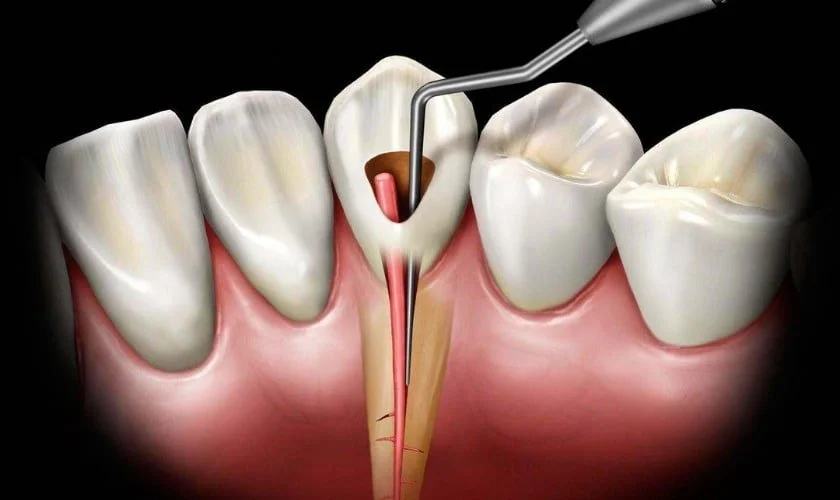
2. Root Canal Therapy

Root canals can be stressful for anxious patients. IV sedation allows the procedure to be completed comfortably, with minimal awareness of the treatment.

3. Dental Implants

Placing dental implants is a multi-step procedure that may cause discomfort. IV sedation ensures patients remain relaxed, making longer treatments more tolerable.

4. Periodontal Surgery

For gum surgeries, IV sedation reduces stress and allows for precise work without patient discomfort.

5. Extensive Restorative Work

Multiple crowns, bridges, or fillings can be done in a single visit under IV sedation, reducing the number of appointments needed.

What to Expect Before, During, and After IV Sedation

Before:

  • Pre-sedation evaluation and medical history review

  • Fasting as instructed by your dentist

During:

  • IV line placement for sedative administration

  • Continuous monitoring of vital signs

  • Relaxed awareness or light sleep

After:

  • Recovery period in the office

  • Temporary drowsiness; patients are advised not to drive

  • Follow post-procedure care instructions

Safety Considerations

IV sedation is generally safe for most patients. Dentists performing IV sedation are trained in advanced life support and monitor patients closely. Always disclose your medical history, medications, and allergies before treatment.

Conclusion

IV sedation is a game-changer for patients struggling with dental anxiety or needing extensive procedures. By combining safety, comfort, and efficiency, it allows patients to get the dental care they need without stress or fear.

Call to Action:
If dental anxiety has prevented you from getting treatment, talk to your dentist about IV sedation options and schedule a consultation today.

Baby Tongue Ties: The Hidden Link Between Feeding, Sleep, Colic, and Development

Many parents expect feeding their newborn to be instinctive and peaceful. But for some families, feeding becomes a stressful cycle of fussing, poor sleep, colic, and constant worry. Often, parents are told, “It’s just colic,” or “Some babies are bad sleepers.” Yet one commonly overlooked contributor is a tongue tie, also known medically as ankyloglossia.

Tongue ties don’t just affect feeding. They can influence sleep, digestion, nervous system regulation, development, and even how babies cope after birth. Understanding this connection can be transformative for families struggling to find answers.

What Is a Tongue Tie?

A tongue tie occurs when the lingual frenulum—the small band of tissue under the tongue—is unusually tight, thick, or restrictive. This limits the tongue’s mobility.

The tongue plays a crucial role in:

  • Breastfeeding and bottle feeding

  • Swallowing and digestion

  • Airway stability and breathing

  • Oral and facial development

  • Nervous system regulation

When tongue movement is restricted, these systems can be affected in subtle but significant ways.

Feeding Difficulties: Often the First Sign

Feeding is the most obvious area where tongue ties show up.

Babies with tongue ties may:

  • Struggle to latch deeply

  • Slip off the breast or bottle

  • Make clicking sounds while feeding

  • Feed frequently but seem unsatisfied

  • Take in excess air

  • Tire easily during feeds

For breastfeeding mothers, this can cause:

  • Painful nipples

  • Damage or cracking

  • Low milk supply (due to poor stimulation)

  • Mastitis or blocked ducts

For bottle-fed babies, symptoms can include prolonged feeding times, dribbling milk, or fussiness.

But feeding difficulties are only part of the picture.

The Link Between Tongue Tie and Colic

Many babies diagnosed with “colic” may actually be experiencing feeding-related discomfort caused by oral restrictions.

When the tongue cannot move properly, babies often swallow excess air during feeding. This can lead to:

  • Gas and bloating

  • Abdominal discomfort

  • Frequent crying spells

  • Arching the back

  • Difficulty settling

The digestive system of a newborn is immature, and inefficient feeding adds extra stress.

What looks like colic may actually be a mechanical feeding issue.

Sleep Disruption and Nervous System Stress

Sleep and feeding are deeply connected.

Babies with tongue ties often experience:

  • Frequent night waking

  • Short naps

  • Difficulty settling

  • Restless sleep

There are several reasons for this:

1. Hunger from inefficient feeding

If babies cannot transfer milk effectively, they wake more often to compensate.

2. Airway instability

The tongue helps maintain airway openness. Restriction may affect breathing efficiency, especially during sleep.

3. Nervous system activation

Struggling to feed is stressful. This can keep babies in a heightened state of alertness, making deep sleep harder.

Sleep disruption is not always a behavioral issue—it may be physiological.

The Connection to Traumatic or Difficult Birth

Birth is a significant physical event for babies.

Assisted or difficult births may include:

  • Forceps or vacuum delivery

  • Caesarean birth

  • Long or fast labor

  • Shoulder dystocia

  • Positioning challenges

These experiences can contribute to:

  • Tension in the neck, jaw, and tongue

  • Compensatory muscle patterns

  • Feeding coordination difficulties

Sometimes, tongue ties coexist with body tension and oral motor dysfunction, amplifying feeding and regulation challenges.

This is why many professionals recommend a whole-body approach, not just focusing on the frenulum itself.

Developmental and Long-Term Considerations

The tongue plays a central role in oral and facial development.

Untreated tongue ties may contribute to:

  • Delayed oral motor skills

  • Speech articulation challenges (later in childhood)

  • Mouth breathing

  • Poor oral posture

  • Narrow palate development

  • Feeding challenges with solids

Not every tongue tie causes long-term problems—but early identification allows families to make informed decisions.

Why Tongue Ties Are Sometimes Missed

Tongue ties vary widely in appearance and severity.

Some are obvious. Others are subtle and hidden.

Many babies are told:

  • “It’s normal.”

  • “They’ll grow out of it.”

  • “It’s just colic.”

  • “It’s reflux.”

  • “It’s a sleep issue.”

But these symptoms may share a common root.

Assessment requires looking not just at anatomy—but at function.

A Whole-Baby Perspective

Tongue ties are not just about a small piece of tissue. They can affect the baby’s entire system.

A comprehensive approach may involve:

  • Lactation support

  • Feeding assessment

  • Oral function evaluation

  • Bodywork (such as pediatric physiotherapy, osteopathy, or similar therapies)

  • Sleep and nervous system support

Every baby is unique, and care should be individualized.

Signs Parents May Notice

Parents often report:

  • Feeding struggles

  • Clicking sounds while feeding

  • Poor weight gain or very frequent feeding

  • Colic symptoms

  • Restless sleep

  • Difficulty settling

  • Preference for one side

  • Gassiness

Trusting parental instinct is important. Parents often sense when something isn’t right.

Hope and Support

For families experiencing feeding and sleep challenges, discovering a tongue tie can provide clarity.

With appropriate support, many babies experience:

  • Improved feeding

  • Better sleep

  • Reduced colic symptoms

  • Greater comfort and regulation

  • Improved parent confidence

Early support can make a profound difference—not just for feeding, but for the baby’s overall wellbeing.

Final Thoughts

Babies are not meant to struggle constantly with feeding, sleep, and discomfort. When they do, it is worth exploring underlying causes.

Tongue ties are one possible piece of the puzzle—often overlooked, yet deeply connected to feeding, sleep, digestion, nervous system regulation, and development.

Understanding the whole picture allows families to move from frustration and exhaustion toward clarity, support, and calmer early months.

If your baby is having any of the problems above, it is advised to visit a dentist for a tongue tie release consultation. Contact us at (02) 9558 8988 or visit www.painfreedentistsydney.com.au to book your appointment today!