Composite Build-Ups for TMJ Patients: Restoring Function and Comfort

What Is a Composite Build-Up?

A composite build-up is a restorative dental procedure where tooth-colored resin is applied to damaged, worn, or uneven teeth. For TMJ patients, it restores proper bite alignment, improves chewing function, and can reduce jaw muscle strain caused by uneven teeth.

Patients in Sydney often seek composite build-ups when bruxism or TMJ dysfunction has worn down teeth, leading to pain and functional issues.

Why TMJ Patients Benefit from Composite Build-Ups

  1. Bite Stabilization

  • Restores proper occlusion (how teeth meet)

  • Reduces overloading of jaw muscles

  • Can help relieve TMJ pain

  1. Protection Against Further Damage

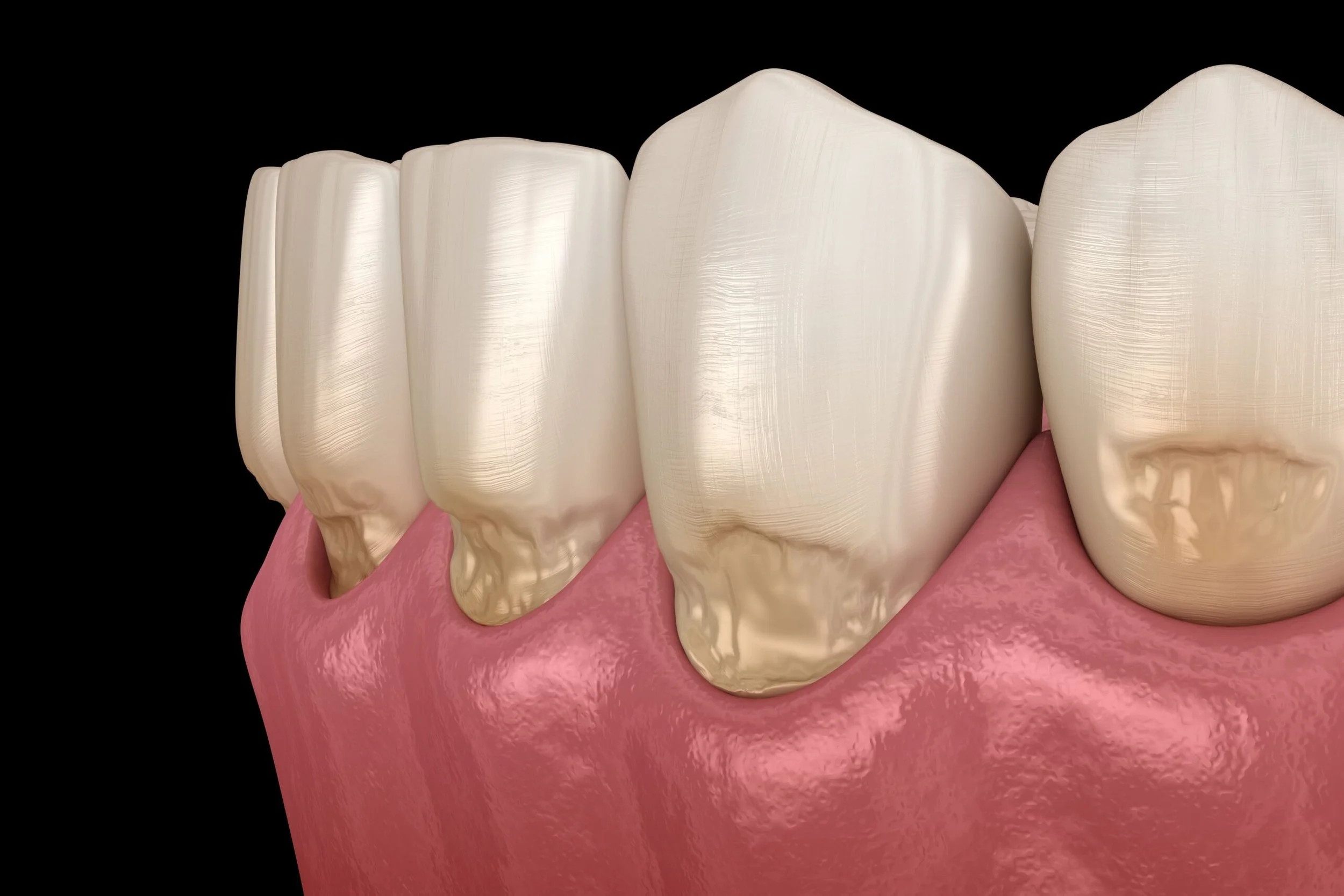
  • Worn teeth from clenching or grinding are reinforced

  • Prevents fractures, chips, and enamel loss

  1. Improved Chewing Function

  • Restores proper tooth height

  • Enhances comfort during eating

  • Reduces jaw fatigue

  1. Aesthetic Benefits

  • Composite is tooth-colored for a natural look

  • Can reshape worn or uneven teeth

The Procedure

  1. Assessment and Bite Analysis

  • Dentist evaluates TMJ function, bite alignment, and areas of tooth wear.

  1. Tooth Preparation

  • Minimal tooth removal is performed

  • Teeth are cleaned and prepared for bonding

  1. Composite Application

  • Tooth-colored resin is applied and sculpted to restore shape and height

  1. Curing and Polishing

  • Resin is hardened with a curing light

  • Surface is polished for smoothness and natural appearance

  1. Bite Adjustment

  • Final adjustments ensure proper occlusion

  • Reduces stress on jaw muscles and TMJ

Benefits of Composite Build-Ups for TMJ Patients

  • Non-invasive and conservative compared to crowns

  • Immediate improvement in bite and function

  • Can be combined with night guards, Botox, or PBM laser therapy

  • Helps prevent progression of TMJ-related dental issues

Maintenance Tips

  • Use a custom night guard if you grind or clench teeth

  • Practice good oral hygiene

  • Schedule regular dental check-ups

  • Follow up on TMJ therapy as recommended

Final Thoughts

Composite build-ups are a conservative, effective solution for TMJ patients experiencing tooth wear or bite issues. By restoring tooth structure, improving occlusion, and supporting jaw muscles, patients in Sydney can enjoy reduced pain, better function, and a natural smile.

Tongue-Tie and Chronic Muscle Tension: What Patients Need to Know

What Is Tongue-Tie?

Tongue-tie, or ankyloglossia, is a condition where the band of tissue under the tongue (lingual frenulum) is unusually short, tight, or thick. This restricts tongue movement and can lead to compensatory muscle tension in the jaw, neck, and surrounding areas.

Patients in Sydney often first notice tongue-tie due to speech difficulties, breastfeeding issues (in infants), or jaw discomfort later in life.

How Tongue-Tie Creates Muscle Tension

  1. Jaw Overcompensation

  • Restricted tongue movement forces the jaw muscles to work harder for chewing and swallowing

  • Can lead to TMJ tension, jaw pain, and teeth grinding

  1. Neck and Shoulder Strain

  • Tongue-tie affects posture and head position during swallowing or speech

  • Over time, this can cause chronic neck, shoulder, and upper back tension

  1. Postural Effects

  • Tongue position affects tongue posture, which influences head and neck alignment

  • Poor posture can contribute to headaches, fatigue, and even digestive issues

  1. Sleep and Breathing Impacts

  • Restricted tongue movement may cause mouth breathing, snoring, or sleep apnea

  • Chronic low-grade hypoxia during sleep can worsen muscle fatigue and tension

Signs and Symptoms of Tongue-Tie Related Muscle Tension

  • Jaw stiffness or clicking (TMJ)

  • Chronic neck, shoulder, or upper back tension

  • Headaches or migraines

  • Speech difficulties or lisps

  • Mouth breathing or snoring

  • Difficulty with certain foods or swallowing

Diagnosis and Assessment

  • Oral examination of tongue mobility

  • Evaluation of jaw function and bite alignment

  • Assessment of posture and head-neck alignment

  • Speech or swallowing consultation if needed

Treatment Options

1. Tongue-Tie Release (Frenectomy/Frenuloplasty)

  • Minor surgical procedure to release tight frenulum

  • Improves tongue mobility

  • Often combined with myofunctional therapy for best results

2. Myofunctional Therapy & Exercises

  • Strengthens tongue and jaw muscles

  • Improves posture, swallowing, and breathing

  • Reduces chronic muscle tension

3. Complementary TMJ and Postural Therapy

  • Night guards if bruxism is present

  • Physical therapy for neck, shoulder, and upper back muscles

  • Stress management to reduce jaw clenching

Daily Tips to Reduce Muscle Tension

  • Perform tongue and jaw stretches daily

  • Practice nasal breathing to reduce mouth breathing

  • Maintain good posture while sitting and sleeping

  • Seek early evaluation if you notice jaw or neck discomfort

Final Thoughts

Tongue-tie is more than a minor oral anomaly—it can create chronic muscle tension affecting the jaw, neck, shoulders, posture, and even sleep. Early assessment and treatment, combined with therapy, can improve function, reduce pain, and enhance overall quality of life. Patients in Sydney should consider a consultation with a dental or myofunctional specialist if they experience these issues.

TMJ and Its Connection to Your Whole Body: What Patients Need to Know

What Is TMJ?

TMJ (temporomandibular joint) connects your jaw to your skull, enabling chewing, speaking, and yawning. TMJ disorders (TMD) occur when the joint or surrounding muscles become strained or misaligned, causing pain, stiffness, and dysfunction.

How TMJ Affects the Whole Body

1. Jaw and Facial Pain

  • Chronic jaw pain, tenderness, or stiffness

  • Headaches or migraines

  • Earaches or ringing in the ears (tinnitus)

2. Neck, Shoulder, and Back Tension

  • Overworked jaw muscles can radiate pain to the neck, shoulders, and upper back

  • Postural issues caused by jaw misalignment may exacerbate tension and muscle fatigue

3. Sleep Disturbances

  • TMJ disorders are often linked to bruxism (teeth grinding)

  • Bruxism can disrupt sleep and contribute to obstructive sleep apnea

  • Poor sleep affects mood, focus, and overall energy levels

4. Digestive & Eating Difficulties

  • Painful chewing may limit diet variety, affecting nutrition

  • Chronic jaw tension can lead to swallowing difficulties

5. Mental Health Impact

  • Chronic TMJ pain contributes to stress, anxiety, and irritability

  • Sleep disruption further impacts mental well-being and cognitive function

Common Causes of TMJ Disorders

  • Jaw clenching and teeth grinding (bruxism)

  • Misaligned bite or narrow palate

  • Stress and muscle tension

  • Arthritis or inflammation in the jaw joint

  • Injury or trauma to the jaw

Treatment Options for TMJ Disorders

Non-Invasive Treatments

  • Night guards or splints to prevent teeth grinding

  • Jaw exercises and physiotherapy to relieve tension

  • Stress management and relaxation techniques

Minimally Invasive Treatments

  • Botox injections for overactive jaw muscles

  • PBM (low-level laser) therapy to reduce inflammation and pain

Surgical Options (Rare)

  • Arthroscopy or jaw joint repair for severe cases

  • Usually reserved for patients unresponsive to conservative treatments

Daily Tips for Maintaining TMJ Health

  • Avoid excessive chewing (gum, tough foods)

  • Practice good posture, especially while sitting or working

  • Reduce stress with mindfulness, meditation, or exercise

  • Visit a TMJ-specialist dentist early if symptoms appear

  • Use a night guard if recommended by your dentist

Final Thoughts

TMJ disorders are not just about jaw pain—they affect your head, neck, shoulders, sleep, mental health, and overall quality of life. Early recognition and treatment can prevent systemic complications. Patients in Sydney should consult a dental or TMJ specialist to protect both their oral and overall health.