Cracked Teeth from Bruxism: Causes, Symptoms, and Management

What Is Bruxism?

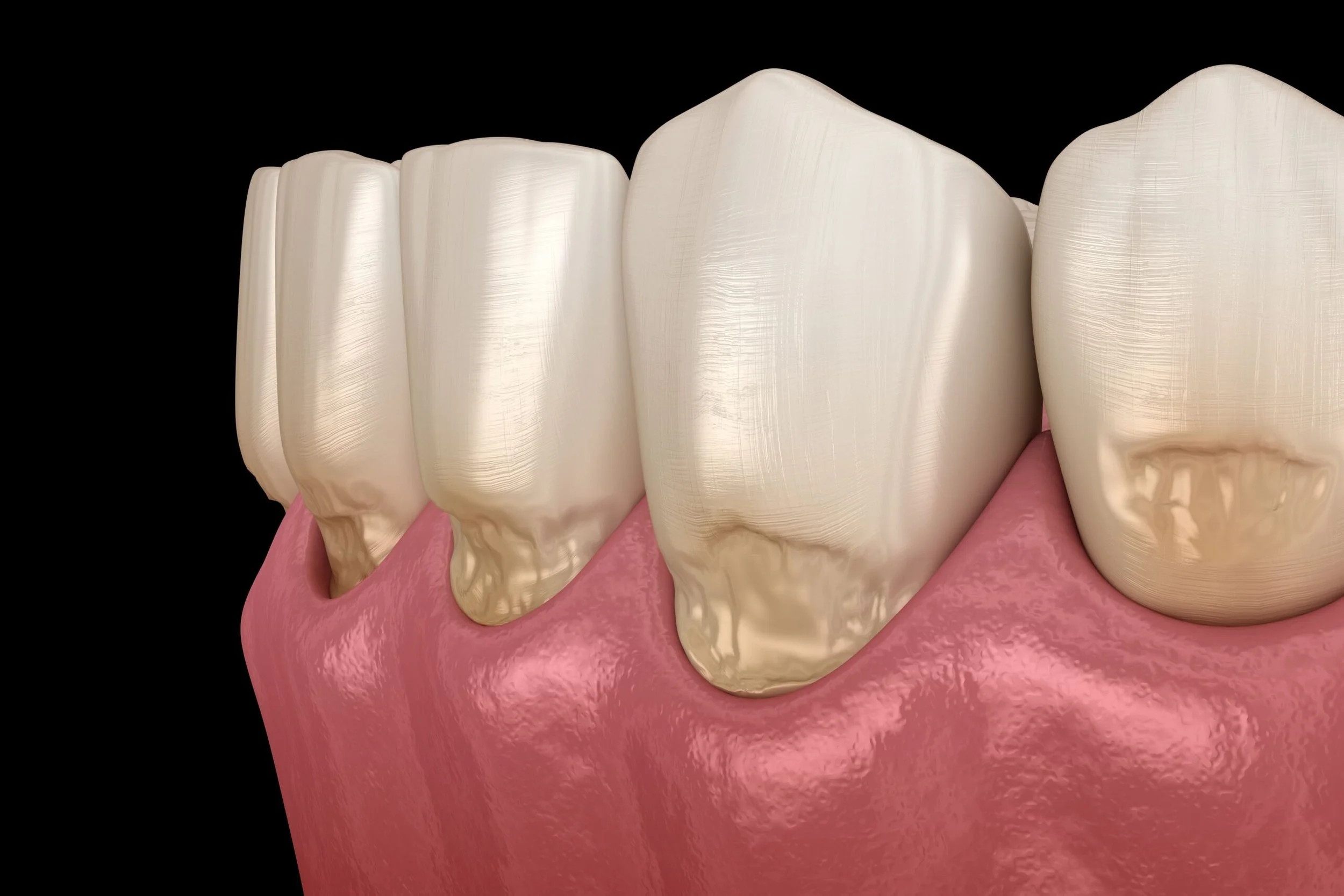
Bruxism is teeth grinding or clenching, often occurring during sleep (sleep bruxism) or while awake. Over time, excessive pressure on the teeth can lead to cracks, fractures, and worn enamel.

Patients in Sydney commonly notice tooth sensitivity, pain while chewing, or visible cracks, prompting urgent dental evaluation.

How Bruxism Causes Cracked Teeth

  • Excessive force: Constant grinding or clenching wears down enamel and weakens teeth

  • Misaligned bite: Uneven pressure concentrates stress on certain teeth

  • Nighttime grinding: Repetitive micro-trauma during sleep increases risk of cracks

  • Underlying TMJ issues: Muscle tension can worsen bite stress

Signs and Symptoms of Cracked Teeth

  • Pain when chewing or biting

  • Sensitivity to hot or cold foods/drinks

  • Visible lines or fractures in teeth

  • Occasional swelling or irritation of surrounding gums

  • Difficulty chewing on one side

Early detection is crucial to prevent tooth loss or infection.

Management and Treatment Options

1. Dental Bonding / Composite Build-Up

  • Restores minor cracks and worn areas

  • Reinforces tooth structure

  • Improves aesthetics and function

2. Crowns

  • Recommended for moderate to severe cracks

  • Protects the tooth from further damage

  • Restores proper bite and occlusion

3. Night Guards

  • Custom-fitted guards protect teeth from grinding

  • Reduces risk of future cracks

  • Relieves jaw tension and TMJ stress

4. Bite Adjustment

  • Minor reshaping of teeth to distribute forces evenly

  • Often combined with orthodontic or restorative treatment

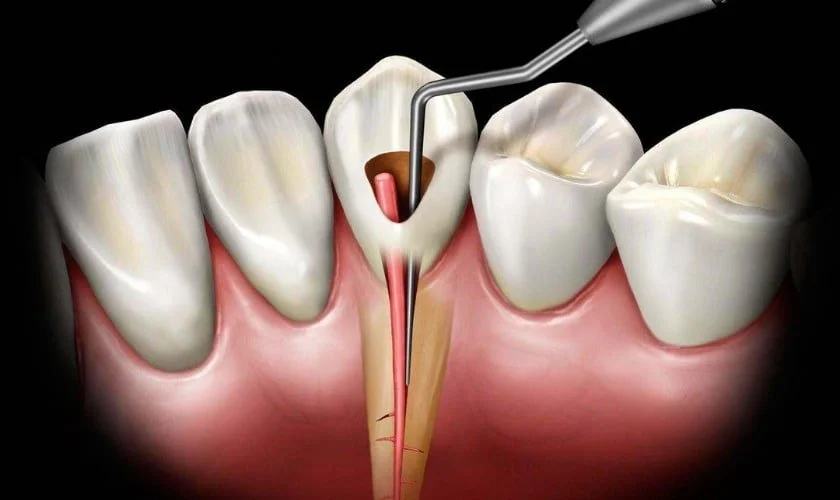
5. Root Canal Therapy

  • Needed if cracks extend into the pulp or cause infection

  • Saves the tooth while relieving pain

Preventing Future Cracks

  • Wear a custom night guard if you grind teeth

  • Manage stress and reduce jaw clenching

  • Avoid hard foods or chewing on non-food items

  • Regular dental check-ups for early detection

  • Address TMJ issues to reduce muscle tension

Final Thoughts

Cracked teeth from bruxism are preventable and manageable with early intervention. Restorative treatments like composite build-ups, crowns, and bite adjustments, combined with night guards and TMJ therapy, can relieve pain, restore function, and prevent future damage. Patients in Sydney should consult a dentist promptly if they notice cracks or tooth sensitivity.

Sleep Apnea and TMJ: Understanding the Connection

What Is Sleep Apnea?

Sleep apnea is a sleep disorder where breathing repeatedly stops and starts. Common symptoms include:

  • Loud snoring

  • Daytime fatigue

  • Morning headaches

  • Difficulty concentrating

When left untreated, sleep apnea can lead to cardiovascular issues, mood disorders, and poor overall health.

What Is TMJ Disorder?

TMJ (temporomandibular joint) disorder affects the jaw joint and surrounding muscles. Symptoms include:

  • Jaw pain, stiffness, or clicking

  • Headaches or facial pain

  • Teeth grinding (bruxism)

  • Difficulty opening or closing the mouth

How TMJ and Sleep Apnea Are Connected

  1. Jaw Position and Airway Restriction

  • Misaligned jaws from TMJ issues can reduce airway space, worsening sleep apnea.

  1. Bruxism Link

  • TMJ patients often grind or clench teeth, which is associated with micro-arousals during sleep and worsened apnea.

  1. Muscle Tension

  • TMJ-related muscle tension may interfere with proper jaw posture during sleep, reducing airway openness.

  1. Sleep Disruption

  • Pain and tension from TMJ can make it harder to stay asleep, compounding the effects of sleep apnea.

Treatment Options for Patients with Both Conditions

1. Oral Appliance Therapy

  • Custom devices reposition the jaw to open the airway while relieving TMJ strain

  • Can reduce both snoring and sleep apnea events

2. TMJ Therapy

  • Night guards for bruxism

  • Botox or PBM laser therapy to relax jaw muscles

  • Jaw exercises and physical therapy

3. Lifestyle Modifications

  • Weight management

  • Sleep position adjustments (side sleeping)

  • Stress reduction techniques

4. CPAP or Combined Approaches

  • Severe sleep apnea may still require CPAP

  • Often combined with TMJ management for optimal comfort and effectiveness

Tips for Patients

  • Address both TMJ and sleep apnea simultaneously for best results

  • Regular dental and sleep assessments are key

  • Early intervention can prevent worsening symptoms and systemic health issues

Final Thoughts

TMJ disorders and sleep apnea are interconnected conditions. Proper diagnosis and combined treatment—oral appliances, jaw therapy, and lifestyle adjustments—can relieve jaw pain, improve sleep quality, and enhance overall health. Patients in Sydney should consult a sleep dentist or TMJ specialist to evaluate both conditions together.

Composite Build-Ups for TMJ Patients: Restoring Function and Comfort

What Is a Composite Build-Up?

A composite build-up is a restorative dental procedure where tooth-colored resin is applied to damaged, worn, or uneven teeth. For TMJ patients, it restores proper bite alignment, improves chewing function, and can reduce jaw muscle strain caused by uneven teeth.

Patients in Sydney often seek composite build-ups when bruxism or TMJ dysfunction has worn down teeth, leading to pain and functional issues.

Why TMJ Patients Benefit from Composite Build-Ups

  1. Bite Stabilization

  • Restores proper occlusion (how teeth meet)

  • Reduces overloading of jaw muscles

  • Can help relieve TMJ pain

  1. Protection Against Further Damage

  • Worn teeth from clenching or grinding are reinforced

  • Prevents fractures, chips, and enamel loss

  1. Improved Chewing Function

  • Restores proper tooth height

  • Enhances comfort during eating

  • Reduces jaw fatigue

  1. Aesthetic Benefits

  • Composite is tooth-colored for a natural look

  • Can reshape worn or uneven teeth

The Procedure

  1. Assessment and Bite Analysis

  • Dentist evaluates TMJ function, bite alignment, and areas of tooth wear.

  1. Tooth Preparation

  • Minimal tooth removal is performed

  • Teeth are cleaned and prepared for bonding

  1. Composite Application

  • Tooth-colored resin is applied and sculpted to restore shape and height

  1. Curing and Polishing

  • Resin is hardened with a curing light

  • Surface is polished for smoothness and natural appearance

  1. Bite Adjustment

  • Final adjustments ensure proper occlusion

  • Reduces stress on jaw muscles and TMJ

Benefits of Composite Build-Ups for TMJ Patients

  • Non-invasive and conservative compared to crowns

  • Immediate improvement in bite and function

  • Can be combined with night guards, Botox, or PBM laser therapy

  • Helps prevent progression of TMJ-related dental issues

Maintenance Tips

  • Use a custom night guard if you grind or clench teeth

  • Practice good oral hygiene

  • Schedule regular dental check-ups

  • Follow up on TMJ therapy as recommended

Final Thoughts

Composite build-ups are a conservative, effective solution for TMJ patients experiencing tooth wear or bite issues. By restoring tooth structure, improving occlusion, and supporting jaw muscles, patients in Sydney can enjoy reduced pain, better function, and a natural smile.