Dental Implants vs Dentures: A Long-Term Solution for Comfort and Quality of Life

Introduction: Why More Patients Are Replacing Dentures with Dental Implants

For many people, dentures have long been the standard solution for missing teeth. However, modern dentistry has significantly advanced, and dental implants are now considered the gold standard for tooth replacement.

Patients increasingly search for:

  • “replace dentures with dental implants”

  • “dental implants vs dentures comfort”

  • “best long-term tooth replacement option”

This shift is driven by one key factor: quality of life improvement.

What Are Dental Implants?

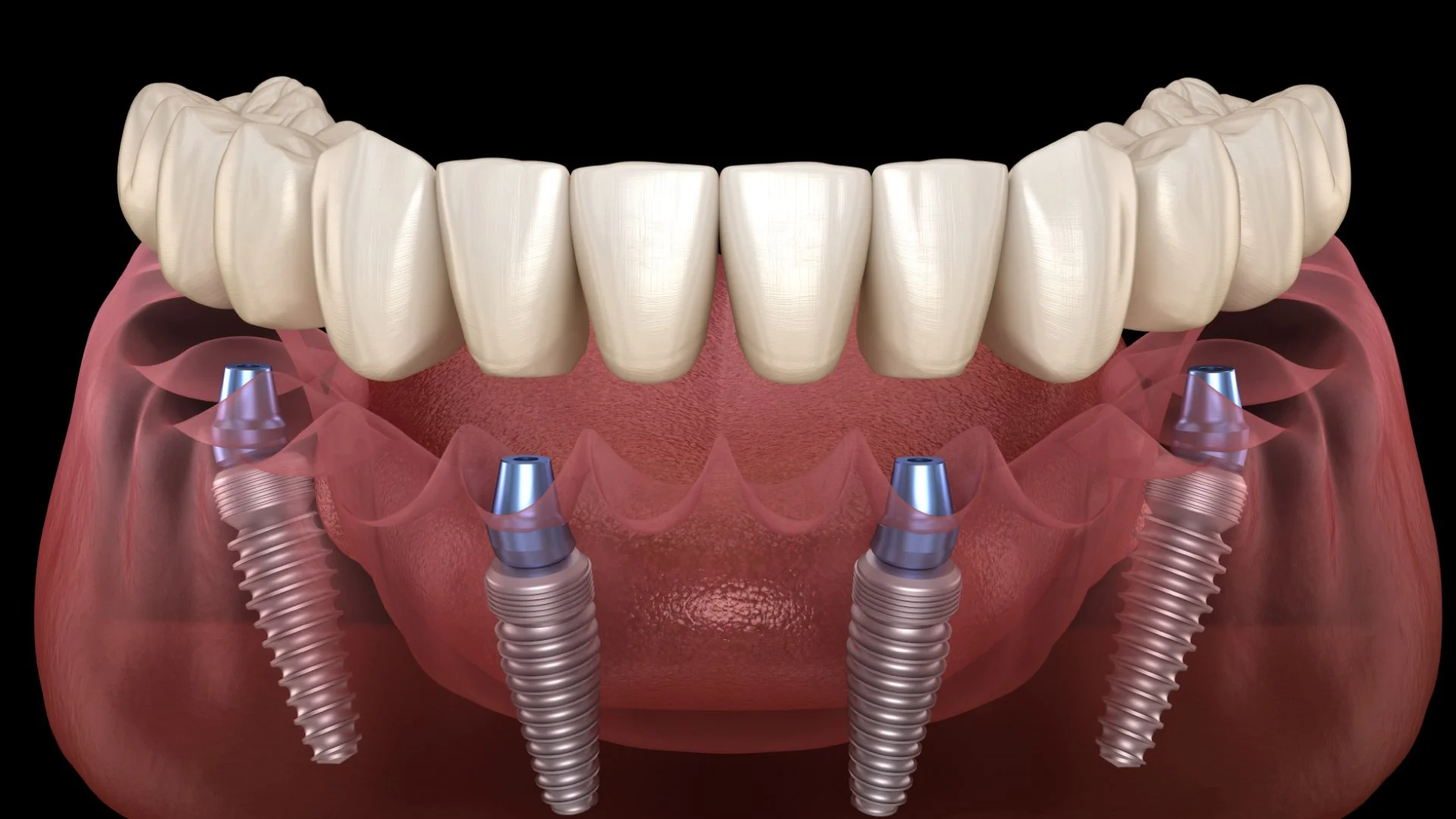
Dental implants are titanium or ceramic posts surgically placed into the jawbone to act as artificial tooth roots. A crown, bridge, or full-arch prosthesis is then attached.

Unlike dentures, implants:

  • Integrate with bone (osseointegration)

  • Do not rely on suction or adhesives

  • Function like natural teeth

Dentures vs Dental Implants: Key Differences

1. Comfort and Stability

Dentures can slip, click, or move during eating and speaking. This often causes discomfort and embarrassment.

Dental implants are fixed in place, providing:

  • Stable biting force

  • Natural feel

  • No movement during speech

2. Chewing Ability and Diet Freedom

Dentures typically reduce chewing efficiency, limiting foods like:

  • Steak

  • Nuts

  • Apples

  • Crunchy vegetables

With implants, patients can enjoy a near-natural chewing ability, improving nutrition and lifestyle.

3. Bone Health and Facial Structure

One of the biggest differences is bone preservation.

When teeth are lost:

  • The jawbone begins to shrink (bone resorption)

Dentures do not prevent this process.

Dental implants:

  • Stimulate the jawbone

  • Help maintain facial structure

  • Prevent premature aging appearance

4. Maintenance and Convenience

Dentures require:

  • Daily removal

  • Cleaning solutions

  • Adhesives in some cases

Dental implants are maintained like natural teeth:

  • Brushing

  • Flossing

  • Regular dental check-ups

5. Long-Term Value

While dentures may have a lower upfront cost, they often need:

  • Adjustments

  • Relines

  • Replacement every 5–10 years

Dental implants can last decades or even a lifetime with proper care, making them a strong long-term investment.

Full Arch Dental Implants: A Modern Alternative to Dentures

Patients with multiple missing teeth or full dentures may benefit from:

  • All-on-4 dental implants

  • Full arch implant bridges

These systems allow a full set of teeth to be fixed on just a few implants, often in a single procedure.

Benefits include:

  • Same-day smile restoration (in some cases)

  • No removable dentures

  • Immediate improvement in function and confidence

Quality of Life Improvements

Patients who switch from dentures to implants often report:

  • Increased confidence in social settings

  • Improved speech clarity

  • Ability to eat a wider variety of foods

  • Reduced anxiety about dentures slipping

  • Better overall satisfaction with daily life

This is why dental implants are often described as a life-changing treatment, not just a dental procedure.

Are You a Candidate for Dental Implants?

You may be suitable for dental implants if you:

  • Have one or more missing teeth

  • Currently wear dentures

  • Have adequate jawbone density (or are eligible for grafting)

  • Are in good general health

A dental professional will assess your bone structure and oral health before treatment planning.

Cost Considerations: Implants vs Dentures

While implants generally cost more upfront, they may reduce long-term expenses due to:

  • Fewer replacements

  • Lower maintenance needs

  • Improved oral health outcomes

Many patients see implants as a long-term investment in comfort and health.

Conclusion: A Better Long-Term Solution Than Dentures

For patients seeking improved comfort, stability, and quality of life, dental implants offer a superior alternative to traditional dentures.

They restore not only function, but also confidence and lifestyle freedom.

If you are currently struggling with dentures, it may be time to explore whether dental implants are the right long-term solution for you.

Smoking and Dental Wear: What Every Smoker Should Know

Smoking affects more than just your lungs and overall health — it can dramatically impact your teeth, gums, and smile. Many people notice stained teeth from smoking, but fewer realise that tobacco use can contribute to severe dental wear and tear, gum disease, tooth loss, bad breath, and even oral cancer.

At Pain Free Dentist Sydney in Dulwich Hill, we regularly help patients restore smiles damaged by smoking and prevent further deterioration through modern, gentle dental care.

How Does Smoking Damage Your Teeth?

Smoking exposes your mouth to nicotine, tar, toxins, and heat. Over time, these substances affect both the soft tissues and the hard structures of your teeth.

Common dental problems linked to smoking include:

  • Yellow or brown tooth staining

  • Tooth enamel wear

  • Gum recession

  • Increased plaque and tartar build-up

  • Bad breath (halitosis)

  • Delayed healing after dental treatment

  • Higher risk of tooth decay

  • Loose teeth and tooth loss

  • Increased risk of oral cancer

The longer and more frequently someone smokes, the greater the damage can become.

Can Smoking Cause Tooth Wear?

Yes. Smoking contributes to both direct and indirect tooth wear.

1. Dry Mouth

Smoking reduces saliva production. Saliva is essential because it neutralises acids and protects tooth enamel. A dry mouth increases the risk of enamel erosion and decay.

2. Teeth Grinding and Jaw Tension

Nicotine is a stimulant that may increase jaw clenching and teeth grinding (bruxism), especially during sleep. This can wear teeth down over time.

3. Acidic Environment

Smoking alters the balance of bacteria in the mouth and contributes to a more acidic oral environment, increasing enamel erosion.

4. Gum Disease

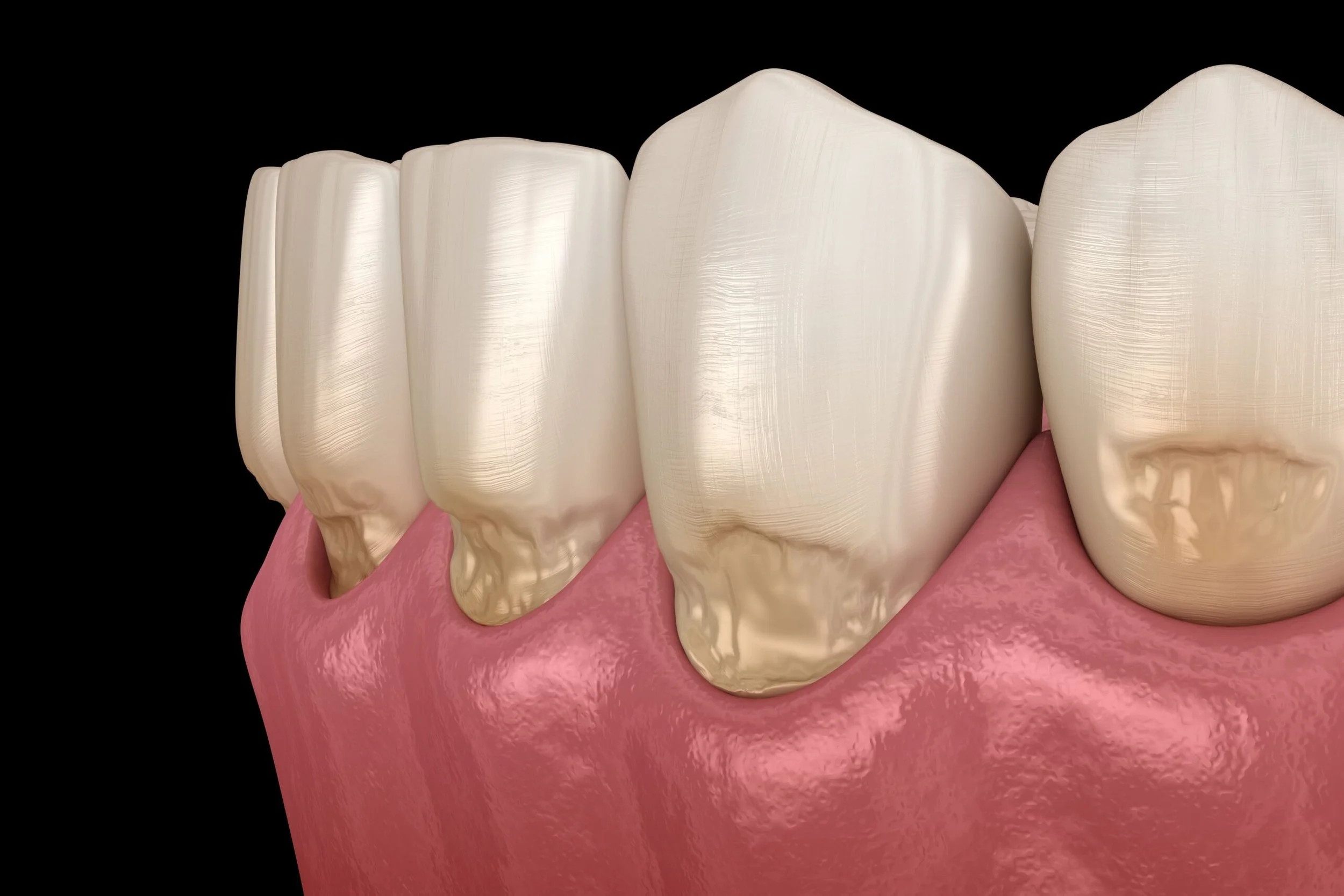
Smoking weakens gum tissue and reduces blood flow. Receding gums expose tooth roots, which are softer than enamel and more vulnerable to wear.

Frequently Asked Questions About Smoking and Dental Health

Does smoking permanently stain teeth?

Smoking stains can become deeply embedded into the enamel over time. Professional dental cleaning and teeth whitening may significantly improve staining, although severe discolouration sometimes requires veneers or cosmetic dental treatments.

Can quitting smoking improve dental health?

Absolutely. Quitting smoking improves blood circulation to the gums, reduces staining progression, lowers the risk of gum disease, and improves healing after dental procedures.

Why do smokers get gum disease more often?

Smoking weakens the immune system and reduces blood flow to the gums, making it harder for the body to fight infection. Smokers are significantly more likely to develop advanced gum disease.

Does vaping damage teeth too?

While vaping may expose users to fewer toxins than cigarettes, many vaping products still contain nicotine and chemicals that contribute to dry mouth, inflammation, enamel wear, and gum irritation.

Can smoking cause tooth loss?

Yes. Smoking is one of the leading risk factors for severe gum disease, which can eventually lead to loose teeth and tooth loss.

Is bad breath from smoking treatable?

Yes. Professional dental cleans, improved oral hygiene, quitting smoking, hydration, and treatment of gum disease can greatly improve chronic bad breath.

Can damaged smoker’s teeth be repaired?

In many cases, yes. Modern dentistry offers several treatment options including:

  • Professional cleans

  • Teeth whitening

  • Dental bonding

  • Crowns

  • Veneers

  • Dental implants

  • Gum treatment

  • Full smile rehabilitation

The best treatment depends on the extent of wear and damage.

Warning Signs You Should See a Dentist

Smokers should book a dental check-up if they notice:

  • Bleeding gums

  • Loose teeth

  • Persistent bad breath

  • Tooth sensitivity

  • Cracked or worn teeth

  • Mouth ulcers that do not heal

  • Pain when chewing

  • Receding gums

Early intervention can prevent more serious dental complications.

Tips to Reduce Dental Damage from Smoking

While quitting smoking is the best option for your oral and general health, the following steps can help minimise dental wear and tear:

  1. Brush twice daily with fluoride toothpaste

  2. Floss every day

  3. Drink plenty of water

  4. Attend regular dental cleans and check-ups

  5. Use a soft-bristled toothbrush

  6. Avoid brushing immediately after smoking

  7. Consider professional fluoride treatments

  8. Seek help to quit smoking

How Pain Free Dentist Sydney Can Help

At Pain Free Dentist Sydney, we understand that many patients feel anxious about dental treatment or embarrassed about smoking-related dental problems. Our friendly team provides compassionate, judgement-free care focused on restoring both oral health and confidence.

We offer:

  • General dental care

  • Cosmetic dentistry

  • Teeth whitening

  • Worn teeth repair

  • Gum disease treatment

  • Dental implants

  • Emergency dental care

  • TMJ and teeth grinding treatment

  • Gentle and pain-free dentistry

Whether you need a simple clean or a full smile makeover, we tailor treatment plans to your needs.

Book Your Appointment Today

If smoking has affected your teeth, gums, or smile, professional dental care can make a significant difference.

Find Pain Free Dentist Sydney at 570 New Canterbury Road, Dulwich Hill NSW 2193

Phone: (02) 9558 8988; Email: info@painfreedentistsydney.com.au;

Website: https://painfreedentistsydney.com.au/;

Our experienced team proudly serves patients throughout Sydney’s Inner West with modern, gentle, and personalised dental care.

Your smile deserves expert attention and it is never too late to start restoring your oral health.

Botox for TMJ: Effective Relief for Jaw Pain, Clenching, and Headaches

Temporomandibular Joint Disorder (TMJ or TMD) affects millions of people worldwide, causing symptoms such as jaw pain, headaches, teeth grinding, and difficulty chewing. While traditional treatments like mouthguards and physical therapy remain common, many patients are now turning to Botox for TMJ relief as an effective and minimally invasive treatment option.

In this article, we’ll explore how Botox works for TMJ, its benefits, procedure details, side effects, and why it has become a popular treatment for chronic jaw tension and discomfort.

What Is TMJ Disorder?

The temporomandibular joint (TMJ) connects your jawbone to your skull and helps you perform essential movements like speaking, chewing, and yawning. When this joint becomes inflamed or strained, it can lead to Temporomandibular Joint Disorder (TMD).

Common Symptoms of TMJ Include:

  • Jaw pain or tenderness

  • Clicking or popping sounds in the jaw

  • Chronic headaches or migraines

  • Teeth grinding (bruxism)

  • Facial pain

  • Difficulty opening or closing the mouth

  • Ear pain or pressure

TMJ symptoms can range from mild discomfort to severe chronic pain that impacts daily life.

What Is Botox for TMJ?

Botox is a purified protein derived from botulinum toxin that temporarily relaxes muscles. When injected into overactive jaw muscles, Botox reduces muscle tension and minimizes excessive clenching or grinding.

Botox for TMJ is commonly injected into:

  • Masseter muscles (jaw muscles)

  • Temporalis muscles

  • Forehead or neck muscles in some cases

By relaxing these muscles, Botox helps reduce pressure on the temporomandibular joint and relieves pain.

How Botox Helps TMJ Symptoms

Relieves Jaw Tension

Botox reduces excessive muscle contractions that contribute to jaw pain and stiffness.

Minimizes Teeth Grinding and Clenching

Patients who grind their teeth at night often experience reduced bruxism after Botox treatment.

Reduces Headaches and Facial Pain

TMJ-related tension headaches and migraines may improve significantly with muscle relaxation.

Improves Jaw Movement

Many patients notice improved comfort while chewing, speaking, and opening their mouths.

Non-Surgical Treatment Option

Botox offers a minimally invasive alternative to surgical TMJ procedures.

What to Expect During the Botox Procedure

Botox treatment for TMJ is quick and typically completed within 15–30 minutes.

The Procedure Includes:

  1. Consultation and evaluation

  2. Identification of overactive jaw muscles

  3. Small Botox injections into targeted areas

  4. Minimal downtime after treatment

Most patients can resume normal activities immediately after the appointment.

How Long Does Botox for TMJ Last?

Results usually begin appearing within a few days, with full effects noticeable after about 1–2 weeks.

Botox results generally last:

  • 3 to 6 months

Repeat treatments may be recommended to maintain long-term relief.

Benefits of Botox for TMJ

Quick and Convenient

Treatment sessions are fast and require little recovery time.

Minimally Invasive

No surgery or lengthy healing process is involved.

Effective Pain Relief

Many patients experience significant improvement in jaw pain and headaches.

Helps Prevent Tooth Damage

Reducing grinding and clenching can protect teeth from excessive wear.

Cosmetic Slimming Effect

Some patients notice a slimmer jawline due to relaxation of enlarged masseter muscles.

Are There Any Side Effects?

Botox for TMJ is generally safe when performed by a qualified professional. However, some temporary side effects may occur, including:

  • Mild swelling or bruising

  • Tenderness at injection sites

  • Temporary muscle weakness

  • Slight changes in chewing strength

Serious complications are rare when treatment is administered correctly.

Who Is a Good Candidate for Botox TMJ Treatment?

Botox may be suitable for individuals who:

  • Experience chronic jaw pain

  • Grind or clench their teeth

  • Have tension headaches related to TMJ

  • Have not found relief with traditional treatments

At Pain Free Dentist Sydney, we offer Botox for TMJ treatment and symptom managment. Reach out to us at 95588988 or email us at info@painfreedentistsydney.com.au