Professional Teeth Whitening in Hurlstone Park

A bright, confident smile can make a lasting impression. Whether you are preparing for a special event, improving your confidence at work, or simply wanting a fresher appearance, professional teeth whitening is one of the fastest and most effective cosmetic dental treatments available today.

For patients looking for comfortable, gentle, and modern dental care in Sydney’s Inner West, Pain Free Dentist Sydney - Dentist Dulwich Hill, Hurlstone Park NSW offers professional teeth whitening treatments designed to deliver safe and noticeable results.

Why Choose Professional Teeth Whitening?

Over time, teeth can become stained from coffee, tea, red wine, smoking, and everyday wear. While supermarket whitening kits may promise quick results, professional whitening treatments performed by experienced dentists are generally safer, more effective, and tailored to your individual needs.

Professional teeth whitening can help:

  • Remove deep stains and discoloration

  • Brighten your smile safely

  • Improve self-confidence

  • Deliver faster and longer-lasting results

  • Reduce sensitivity compared to some over-the-counter products

According to information published by Pain Free Dentist Sydney, their clinic uses modern cosmetic dentistry techniques and customised treatment plans to help patients achieve natural-looking white smiles comfortably.

Comfortable, Gentle Dentistry for Nervous Patients

Many people delay dental treatment because of anxiety or fear. Pain Free Dentist Sydney - Dentist Dulwich Hill, Hurlstone Park NSW focuses on creating a calm and supportive environment for patients who may feel nervous about dental procedures.

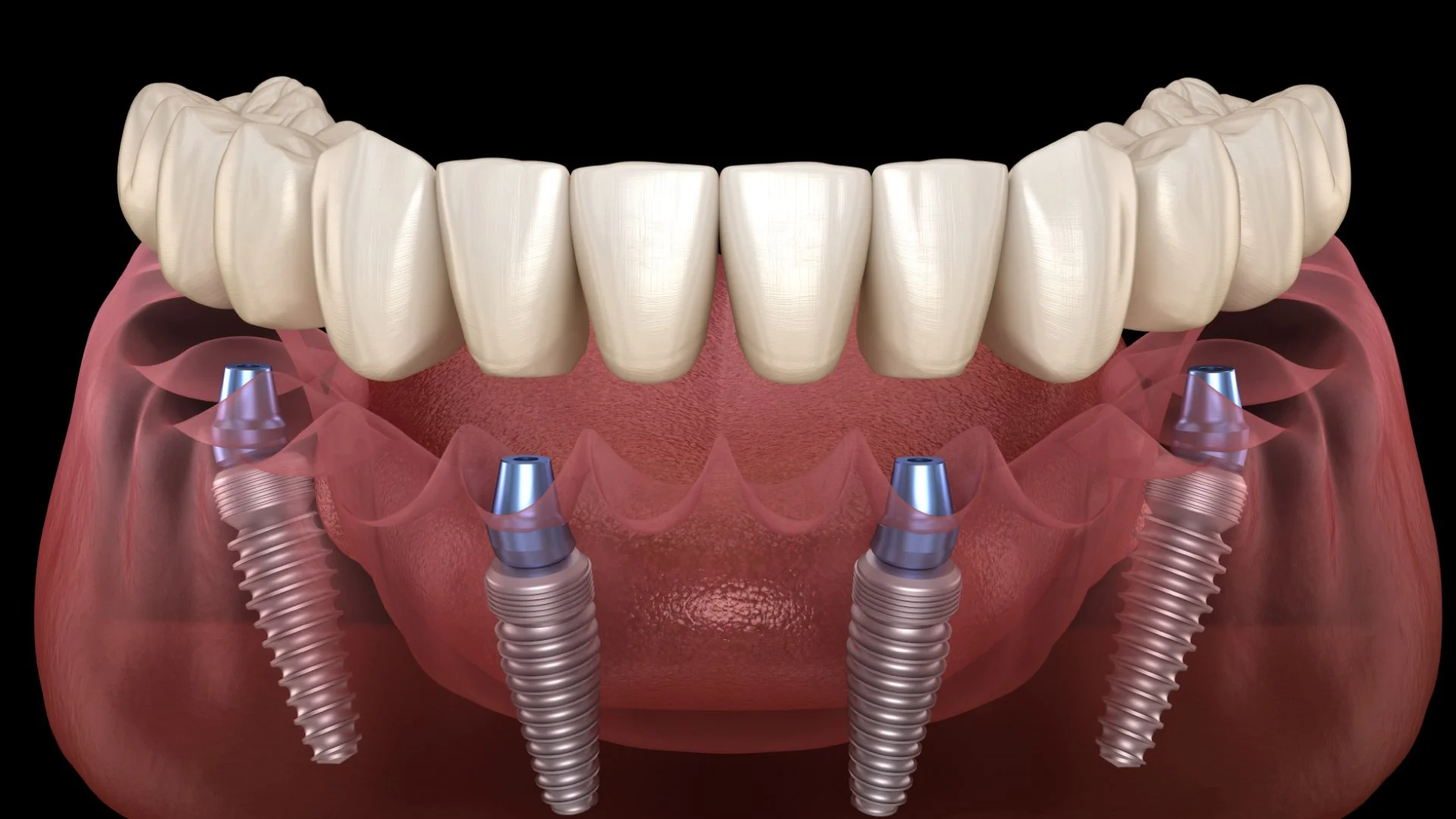
The clinic provides options including gentle dentistry approaches and sedation services designed to make appointments more relaxing and stress-free. Their team also offers cosmetic dentistry, TMJ treatment, dental implants, veneers, and emergency dental care.

Modern Cosmetic Dentistry in Sydney’s Inner West

Located in the heart of Hurlstone Park, the clinic serves patients from nearby suburbs including Dulwich Hill, Marrickville, Petersham, Ashfield, Summer Hill, Newtown, and further out! Patients can access modern cosmetic dentistry solutions in a convenient Inner West location with available parking nearby.

Services Available

  • Professional teeth whitening

  • Cosmetic dentistry

  • Veneers

  • Dental implants

  • General dental care

  • Emergency dentistry

  • TMJ treatment

  • Sedation dentistry

Contact Pain Free Dentist Sydney

Pain Free Dentist Sydney - Dentist Dulwich Hill, Hurlstone Park NSW

Address:
Suite G1A, 570 New Canterbury Road, Hurlstone Park NSW 2193, Australia

Phone:
(02) 9558 8988

Email:
info@painfreedentistsydney.com.au

Website: www.painfreedentistsydney.com.au

Patients looking for professional teeth whitening and gentle dental care in Sydney’s Inner West can contact us for consultation and discuss the best treatment options for their smile!

Sleep Apnea in Older Adults: Poor Sleep, Nerve Stress & Brain Health Risks

As we age, sleep quality often declines — but in many older adults, the real underlying issue is obstructive sleep apnea (OSA). This condition is far more than snoring or disrupted sleep. It can affect oxygen levels, nervous system function, and long-term brain health.

Increasing research shows that untreated sleep apnea in older people may be linked to cognitive decline, memory problems, and higher risk of conditions associated with early dementia.

What Is Sleep Apnea?

Sleep apnea is a sleep disorder where breathing repeatedly stops and starts during sleep due to partial or complete airway blockage.

The most common type is obstructive sleep apnea (OSA), where the muscles in the throat relax too much, narrowing or closing the airway.

Common signs include:

  • Loud snoring

  • Gasping or choking during sleep

  • Frequent waking during the night

  • Morning headaches

  • Dry mouth on waking

  • Daytime fatigue and brain fog

Many older adults are unaware they have it because symptoms occur during sleep.

Why Sleep Apnea Is Common in Older Adults

Sleep apnea becomes more common with age due to:

  • Reduced muscle tone in the airway

  • Changes in jaw and tongue position

  • Weight gain or changes in body composition

  • Medications affecting muscle relaxation

  • Natural decline in sleep quality

These changes make airway collapse more likely during sleep.

How Sleep Apnea Affects Oxygen and the Nervous System

When breathing repeatedly stops during sleep, oxygen levels drop. This creates stress on the body, especially the brain and nervous system.

Over time, this can lead to:

  • Reduced oxygen supply to the brain

  • Increased inflammation in the body

  • Activation of stress hormones during sleep

  • Interrupted deep sleep cycles (REM and slow-wave sleep)

Deep sleep is essential for memory consolidation and brain repair. When it is constantly disrupted, cognitive function can be affected.

Sleep Apnea and Nerve Stress

Chronic oxygen deprivation and sleep fragmentation can place ongoing stress on the nervous system.

This may contribute to:

  • Poor concentration and attention

  • Slower cognitive processing

  • Memory difficulties

  • Mood changes or irritability

  • Reduced brain resilience over time

While sleep apnea does not directly “cause” nerve damage in a single event, long-term untreated cases may place sustained stress on neurological function.

Sleep Apnea and Dementia Risk

Research has found a strong association between untreated sleep apnea and cognitive decline in older adults.

Possible links include:

  • Reduced oxygen supply to brain tissue over time

  • Sleep disruption affecting memory processing

  • Increased inflammation affecting brain health

  • Vascular strain contributing to reduced brain circulation

Studies suggest that chronic, untreated sleep apnea may increase the risk of developing cognitive impairment, including conditions associated with early dementia.

It is important to note that sleep apnea is a risk factor, not a direct cause of dementia — but managing it may help protect long-term brain health.

Signs Sleep Apnea May Be Affecting Brain Health

In older adults, sleep apnea may present as more than just snoring.

Warning signs include:

  • Forgetfulness or memory lapses

  • Difficulty concentrating

  • Daytime fatigue despite sleeping for long hours

  • Morning confusion or headaches

  • Mood changes or irritability

  • Poor sleep quality reported by a partner

These symptoms are often mistaken for normal aging.

Sleep Apnea, Teeth Grinding & Jaw Tension

Sleep apnea is often linked with bruxism (teeth grinding) and jaw clenching during sleep.

This may happen as the body tries to reopen the airway, leading to:

  • Jaw muscle strain

  • TMJ pain or stiffness

  • Worn teeth

  • Morning headaches

  • Facial tension

This connection is why dentists are increasingly involved in identifying sleep-related breathing disorders.

Why Sleep Quality Matters for Brain Health

Quality sleep is essential for:

  • Memory consolidation

  • Removal of brain waste products

  • Emotional regulation

  • Nerve system recovery

When sleep apnea disrupts these processes night after night, the brain does not get the restorative sleep it needs.

Over time, this can contribute to cognitive decline and reduced mental sharpness.

Treatment Options for Older Adults

Sleep Studies and Diagnosis

A formal sleep study helps confirm the severity of sleep apnea and guide treatment.

CPAP Therapy

A CPAP machine delivers continuous air pressure to keep the airway open during sleep. It is one of the most effective treatments for moderate to severe sleep apnea.

Dental Sleep Appliances

Custom oral devices can help reposition the jaw and tongue to improve airway flow during sleep, especially in mild to moderate cases.

Lifestyle and Sleep Position Changes

  • Sleeping on the side instead of the back

  • Maintaining healthy weight

  • Avoiding alcohol before bedtime

  • Improving sleep hygiene

These can help reduce symptoms in some patients.

When to Seek Help

Older adults should consider assessment if they experience:

  • Loud snoring or breathing pauses during sleep

  • Persistent daytime fatigue

  • Memory or concentration problems

  • Morning headaches

  • Unrefreshing sleep

Early diagnosis and treatment can significantly improve quality of life.

Conclusion

Sleep apnea in older adults is more than a sleep disorder — it can affect oxygen levels, nervous system function, and long-term brain health. Poor sleep quality and repeated oxygen interruptions may contribute to cognitive decline and are associated with increased risk factors linked to early dementia.

The good news is that sleep apnea is treatable. With proper diagnosis and management, patients can improve sleep quality, protect brain health, and enhance overall wellbeing.

Teeth Grinding (Bruxism): Causes, Symptoms, and Treatment Options

Teeth grinding, also known as bruxism, is a common condition where people clench or grind their teeth, often without realising it. It can happen during the day or while sleeping, and over time it can lead to tooth damage, jaw pain, headaches, and TMJ problems.

Many people only discover they grind their teeth when symptoms start affecting their comfort, sleep, or dental health.

What Is Teeth Grinding (Bruxism)?

Bruxism is the involuntary habit of grinding, clenching, or gnashing the teeth.

It is usually divided into two types:

  • Awake bruxism – clenching during the day, often linked to stress or concentration

  • Sleep bruxism – grinding during sleep, often unnoticed until symptoms appear

Sleep bruxism is particularly damaging because it can occur for long periods without awareness.

Common Signs and Symptoms of Teeth Grinding

Many people don’t realise they grind their teeth until symptoms develop, such as:

  • Jaw pain or tightness, especially in the morning

  • Headaches or temple pain

  • Worn, flattened, or chipped teeth

  • Tooth sensitivity

  • Clicking or sore jaw joints

  • Ear pain or pressure

  • Facial muscle fatigue

  • Disturbed sleep or waking tired

A partner may also notice grinding sounds during sleep.

What Causes Teeth Grinding?

There is rarely a single cause of bruxism. It is usually a combination of physical, psychological, and functional factors.

Stress and Anxiety

Stress is one of the most common triggers. Many people clench their jaw unconsciously during stressful situations or while sleeping.

Sleep Disorders

Teeth grinding is often linked to sleep disturbances, including sleep apnea, which can trigger jaw clenching during breathing interruptions.

Bite and Jaw Alignment

An uneven bite or jaw imbalance can contribute to muscle overactivity and grinding.

Lifestyle Factors

  • High caffeine intake

  • Alcohol consumption

  • Smoking or vaping

  • Poor sleep habits

TMJ Dysfunction

Teeth grinding and TMJ disorder often occur together, creating a cycle of jaw strain and inflammation.

How Teeth Grinding Affects Your Teeth and Jaw

If left untreated, chronic bruxism can lead to serious dental and jaw issues, including:

  • Cracked or fractured teeth

  • Flattened tooth surfaces

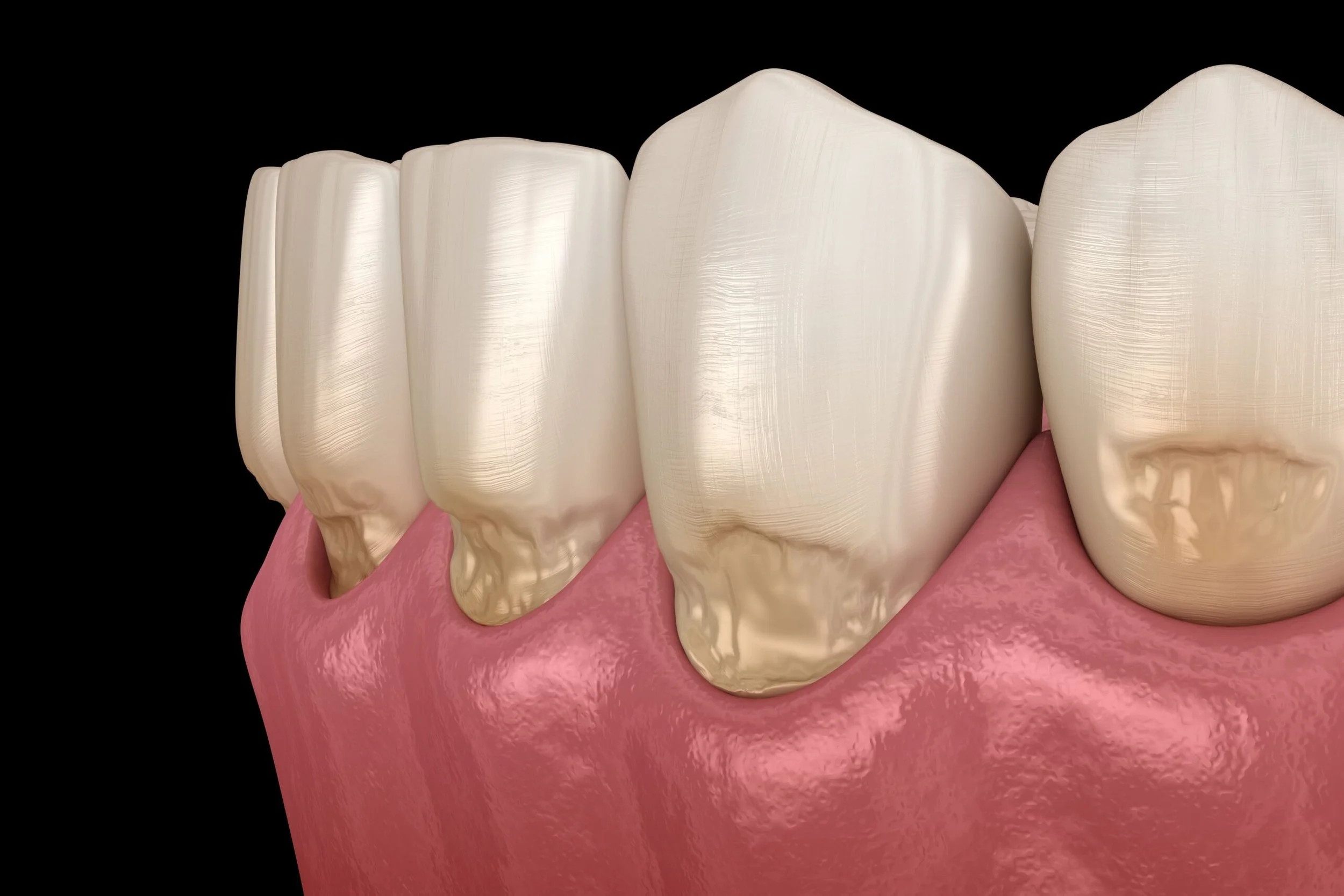
  • Gum recession

  • Jaw muscle pain

  • TMJ disorder development or worsening

  • Increased tooth sensitivity

  • Headaches and facial pain

Over time, the constant pressure can significantly affect oral health.

Teeth Grinding and TMJ Connection

Bruxism places excessive stress on the temporomandibular joint, which can lead to:

  • Jaw clicking or popping

  • Jaw stiffness or locking

  • Chronic TMJ pain

  • Facial tension and soreness

  • Headaches or migraines

This is why many patients with TMJ disorder also grind their teeth, especially at night.

Teeth Grinding and Sleep Quality

Sleep bruxism can disrupt normal sleep cycles, leading to:

  • Poor sleep quality

  • Morning fatigue

  • Frequent waking during the night

  • Headaches on waking

  • Dry mouth

In some cases, it may be linked to sleep apnea or airway restriction, where the body responds by clenching the jaw during breathing interruptions.

How to Stop Teeth Grinding Naturally

Stress Management

Since stress is a major trigger, relaxation techniques such as breathing exercises, meditation, and physical activity can help reduce clenching.

Jaw Awareness

During the day, try to keep the teeth slightly apart and the jaw relaxed.

Reduce Stimulants

Limiting caffeine and alcohol, especially in the evening, may reduce nighttime grinding.

Improve Sleep Habits

Good sleep hygiene can reduce sleep disturbances that contribute to bruxism.

Dental Treatment Options for Teeth Grinding

Custom Night Guards

A night guard is one of the most effective treatments. It protects teeth from wear and reduces pressure on the jaw joints during sleep.

TMJ Therapy

If bruxism is linked to TMJ dysfunction, treatment may include jaw exercises, muscle therapy, or bite evaluation.

Bite Assessment

A dentist may assess your bite to identify uneven pressure points contributing to grinding.

Sedation Dentistry (for Severe Cases or Anxiety)

For patients with significant dental anxiety, sedation may help during restorative treatments needed due to grinding damage.

When to See a Dentist

You should seek dental advice if you notice:

  • Jaw pain or tightness in the morning

  • Frequent headaches

  • Visible tooth wear or damage

  • Jaw clicking or discomfort

  • Interrupted sleep or fatigue

Early treatment can prevent long-term damage to teeth and jaw joints.

Conclusion

Teeth grinding (bruxism) is a common but often hidden condition that can seriously affect your teeth, jaw, and sleep quality. It is closely linked to stress, TMJ disorder, and sometimes sleep-related breathing issues.

The good news is that with early diagnosis and the right treatment — such as night guards, stress management, and TMJ care — most patients can significantly reduce symptoms and protect their teeth long-term.