The Link Between Sleep Apnea, Dental Problems, and TMJ Disorder

Many people think sleep issues and jaw pain are unrelated — but dentistry tells a different story. Conditions like sleep apnea, teeth grinding, and jaw joint disorders are often closely connected.

Understanding this relationship can help identify the real cause of chronic fatigue, headaches, and facial pain.

What Is Sleep Apnea?

Obstructive Sleep Apnea is a common condition where breathing repeatedly stops during sleep due to airway obstruction.

Common signs include:

  • Loud snoring

  • Gasping or choking during sleep

  • Daytime fatigue

  • Morning headaches

  • Poor concentration

Left untreated, it can impact heart health, energy levels, and quality of life.

How Dental Problems Are Connected

Dentists often spot early signs of sleep apnea during routine check-ups. This is because the mouth, jaw, and airway are closely linked.

Common dental indicators include:

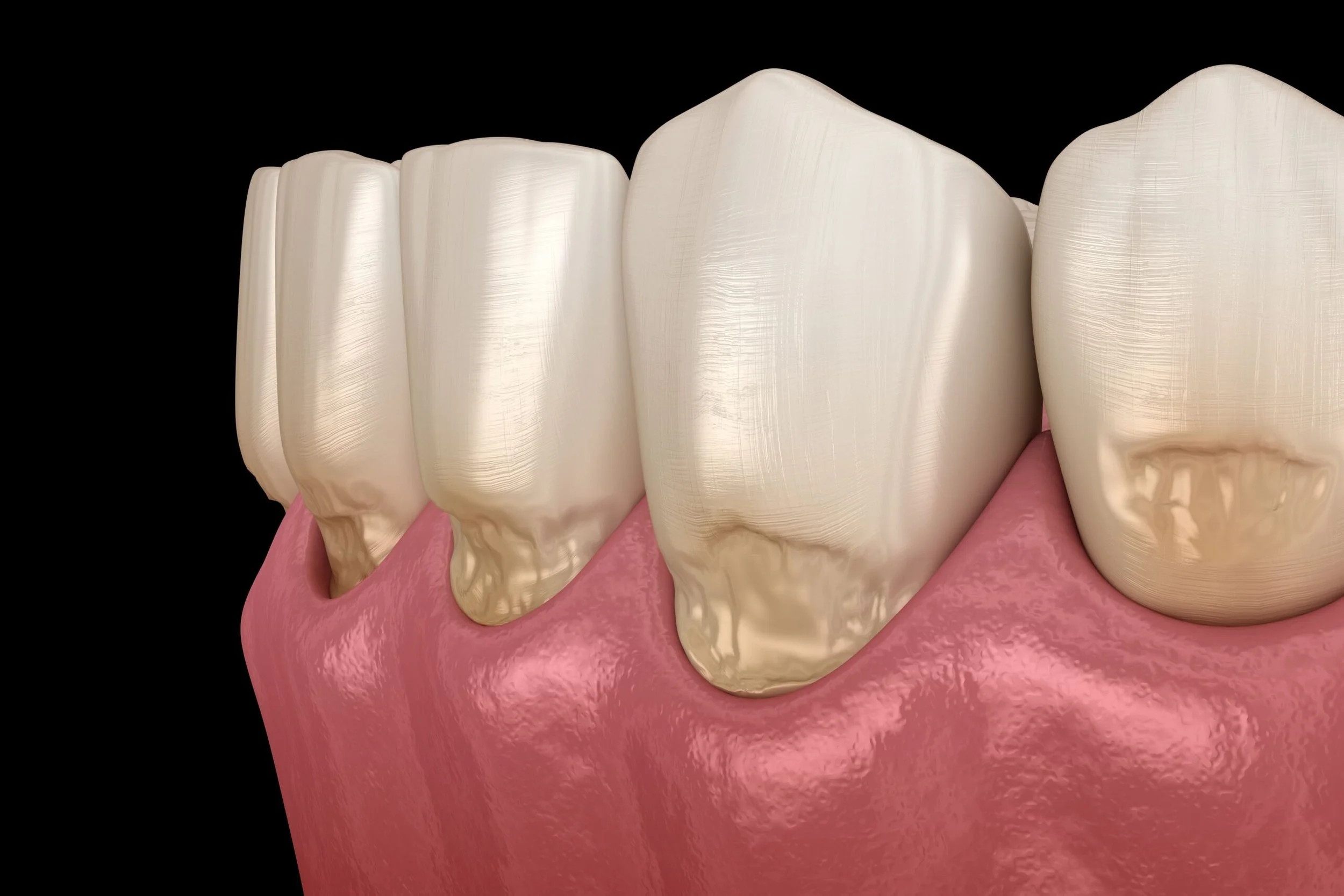
  • Worn or flattened teeth (from grinding)

  • Jaw tension or pain

  • Small or recessed jaw structure

  • Dry mouth upon waking

  • Tongue scalloping (indentations on the tongue edges)

Many of these signs overlap with jaw disorders.

TMJ Disorder and Sleep Apnea Connection

Temporomandibular Joint Disorder affects the jaw joint and surrounding muscles, often causing pain, clicking, and restricted movement.

The connection between TMJ and sleep apnea includes:

1. Airway Restriction

A misaligned jaw or tight jaw muscles can contribute to a narrower airway during sleep.

2. Teeth Grinding (Bruxism)

Many sleep apnea patients grind their teeth at night as the body tries to reopen the airway.

3. Jaw Muscle Overuse

Chronic clenching increases strain on the TMJ, leading to pain and inflammation.

Teeth Grinding: The Missing Link

Bruxism (teeth grinding) is one of the strongest links between sleep apnea and TMJ disorders.

It can lead to:

  • Tooth wear and fractures

  • Jaw soreness

  • Headaches

  • Sleep disruption

In many cases, grinding is not just a habit — it can be a response to airway obstruction during sleep.

How Dentists Help Diagnose the Problem

Dentists play a key role in identifying sleep-related breathing issues. They may look for:

  • Signs of bruxism

  • Jaw alignment problems

  • Airway size and tongue position

  • TMJ tenderness or dysfunction

In some cases, referral to a sleep physician for a formal sleep study may be recommended.

Treatment Options

Treatment depends on severity and underlying cause. Common approaches include:

1. Mandibular Advancement Devices

Custom dental appliances that help keep the airway open during sleep.

2. Night Guards

Protect teeth from grinding and reduce TMJ strain.

3. TMJ Therapy

Includes muscle relaxation techniques, physiotherapy, or Botox in some cases.

4. CPAP Therapy

For moderate to severe sleep apnea, continuous positive airway pressure may be prescribed.

Why Early Diagnosis Matters

Untreated sleep apnea can worsen:

  • TMJ pain

  • Tooth damage

  • Chronic fatigue

  • Cardiovascular risk

Early dental detection can significantly improve long-term outcomes.

Final Thoughts

Sleep apnea, TMJ disorder, and dental health are deeply interconnected. Jaw alignment, airway health, and muscle activity all influence one another.

If you experience jaw pain, grinding, or poor sleep, a dental evaluation could be the first step toward finding lasting relief.

Botox for TMJ Relief: A Simple Guide to Jaw Pain Treatment

Jaw pain, clicking sounds when chewing, headaches, and facial tension can all point to a common condition known as temporomandibular joint disorder (TMD) — often shortened to TMJ. One modern treatment option gaining attention is Botox therapy.

If you’ve heard about Botox for wrinkles, you might be surprised to learn it can also help with jaw pain.

What Is TMJ Disorder?

Temporomandibular Joint Disorder refers to problems affecting the jaw joint and surrounding muscles. These issues can cause:

  • Jaw pain or tenderness

  • Clicking or popping sounds

  • Headaches or migraines

  • Difficulty chewing

  • Jaw locking in severe cases

TMJ disorders are often linked to stress, teeth grinding (bruxism), arthritis, or misaligned bites.

How Botox Helps TMJ Pain

Botox is the brand name for a purified protein called botulinum toxin. In dental treatment, it is used in very small, controlled doses.

Botox works by temporarily relaxing overactive jaw muscles — especially the masseter and temporalis muscles.

When these muscles are overworked, they can contribute to:

  • Clenching and grinding

  • Muscle fatigue

  • Tension headaches

  • Jaw joint pressure

By relaxing these muscles, Botox helps reduce strain on the TMJ and provides pain relief.

Benefits of Botox for TMJ Relief

Patients often choose Botox when traditional treatments aren’t enough. Benefits may include:

1. Pain Reduction

Less muscle tension means reduced jaw and facial pain.

2. Fewer Headaches

Relieving jaw muscle strain can reduce tension headaches.

3. Less Teeth Grinding

Botox weakens the force of clenching, protecting teeth from wear.

4. Improved Jaw Comfort

Chewing and speaking may become easier and less painful.

What to Expect During Treatment

Botox for TMJ is a quick in-chair procedure:

  1. The dentist evaluates your jaw muscles and symptoms

  2. Small injections are placed into targeted muscles

  3. No anesthesia is usually required

  4. The procedure takes about 10–20 minutes

Results typically begin within a few days and peak after 2–3 weeks.

How Long Does It Last?

Effects usually last 3 to 4 months, after which repeat treatment may be needed depending on symptoms and muscle activity.

Is Botox for TMJ Safe?

When performed by a trained dental professional, Botox is considered safe and well-tolerated. Side effects are usually mild and temporary, such as:

  • Slight bruising at injection sites

  • Temporary muscle weakness

  • Mild soreness

Serious complications are rare when properly administered.

Who Is a Good Candidate?

You may benefit from Botox for TMJ if you experience:

  • Chronic jaw pain

  • Teeth grinding or clenching

  • Limited relief from night guards or physiotherapy

  • Tension headaches linked to jaw muscles

A dental assessment is essential to confirm whether TMJ is the root cause of symptoms.

Botox vs Other TMJ Treatments

Traditional TMJ treatments include:

  • Night guards

  • Stress management

  • Physiotherapy

  • Anti-inflammatory medication

Botox is often used when these methods don’t fully control symptoms or when muscle overactivity is a major factor.

Final Thoughts

Botox is becoming a valuable tool in modern dental care for managing TMJ-related muscle pain. While it is not a permanent cure, it can significantly improve quality of life for patients dealing with chronic jaw tension and discomfort.

If you’re struggling with jaw pain, a dental consultation can help determine whether Botox is the right option for you.

Adult Tongue-Tie, Sleep Apnoea, and Speech: What Patients Should Know

Tongue-tie in adults is often overlooked, yet it can have wide-ranging effects on breathing, sleep quality, speech clarity, and even day-to-day comfort. In clinical terms, tongue-tie is known as Ankyloglossia (tongue-tie). While it’s commonly associated with infants, many people carry it into adulthood without diagnosis.

For patients in Sydney—especially those seeking a gentle, modern approach to treatment—understanding the links between tongue function, airway health, and dental care is an important first step.

What Is Adult Tongue-Tie?

Adult tongue-tie occurs when the lingual frenulum (the band of tissue under the tongue) is too tight or short, restricting movement. This can lead to:

  • Difficulty elevating or extending the tongue

  • Speech articulation issues

  • Jaw strain and compensatory muscle tension

  • Mouth breathing patterns

Because symptoms can be subtle or develop gradually, many adults don’t realise they have it until related issues—like sleep or speech problems—become more noticeable.

The Link Between Tongue-Tie and Sleep Apnoea

One of the most significant modern understandings in airway dentistry is the connection between tongue posture and sleep quality.

Restricted tongue mobility can contribute to airway collapse during sleep, increasing the risk of Obstructive Sleep Apnoea. When the tongue cannot rest properly against the palate, it may fall backward during sleep, partially blocking airflow.

Common symptoms include:

  • Loud snoring

  • Daytime fatigue

  • Morning headaches

  • Poor concentration

  • Frequent night time waking

While tongue-tie is not the only cause of sleep apnoea, it can be a contributing structural factor that is often missed in routine assessments.

Effects on Speech Development and Adult Speech Patterns

Tongue restriction can affect Speech Development in both children and adults. In adults, this may present as:

  • Difficulty pronouncing “L,” “R,” “T,” “D,” and “S” sounds

  • Mumbling or reduced clarity under fatigue

  • Compensatory jaw or lip movements

  • Avoidance of speaking in social or professional settings

Some patients report lifelong frustration with articulation, often misattributing it to habit rather than an anatomical restriction.

Tongue-Tie Release Procedures in Adults

A tongue-tie release (frenectomy or frenuloplasty) is a minor procedure designed to improve tongue mobility by releasing restrictive tissue.

What the procedure typically involves:

  • Local anaesthetic (sometimes laser-assisted techniques)

  • Gentle release or modification of the frenulum

  • Short treatment time (often under 30 minutes)

  • Minimal downtime in most cases

Modern techniques, including soft tissue lasers, are designed to reduce bleeding, discomfort, and healing time.

Aftercare may include:

  • Gentle tongue exercises

  • Myofunctional therapy to retrain muscle patterns

  • Temporary dietary adjustments

  • Follow-up dental or airway assessments

The goal is not just physical release, but long-term functional improvement.

Patient Anxiety Around Dental and Airway Procedures

It’s very common for adults considering tongue-tie treatment to experience anxiety. This may be due to:

  • Fear of pain or surgical procedures

  • Previous negative dental experiences

  • Uncertainty about diagnosis or outcomes

  • Concern about speech or swallowing changes

Modern dental care has shifted significantly toward patient-centred, comfort-focused approaches. Techniques such as:

  • Gentle numbing methods

  • Clear step-by-step explanations

  • Minimal-intervention laser technology

  • Calm, supportive clinical environments

can make a substantial difference in patient experience and confidence.

Why Airway-Focused Dentistry Matters

Tongue-tie is increasingly understood not as an isolated issue, but as part of a broader airway and musculoskeletal system. Addressing it may support:

  • Improved sleep quality

  • Better nasal breathing habits

  • Reduced jaw tension

  • Clearer speech articulation

  • Enhanced overall oral function

A comprehensive assessment is often needed to determine whether tongue restriction is clinically significant.

Gentle, Patient-Focused Care in Sydney (Dulwich Hill)

For patients seeking supportive and minimally invasive care, a pain-free, anxiety-aware dental approach can make a major difference—especially when dealing with airway or tongue function concerns.

If you are in Sydney and experiencing symptoms related to tongue restriction, sleep disturbance, or speech difficulties, seeking an assessment at a calm, patient-focused clinic such as Pain Free Dentist Sydney can help you explore treatment options in a comfortable environment.

Modern dentistry prioritises comfort, communication, and tailored care—helping patients move from uncertainty to clarity with confidence.

Final Thoughts

Adult tongue-tie is more than a minor anatomical variation—it can influence sleep, speech, and overall quality of life. With improved diagnostic awareness and gentle treatment options, many patients are finding meaningful relief.

If symptoms like snoring, speech difficulty, or jaw tension have been persistent, a professional assessment may be a worthwhile next step.

Call us (02) 9558 8988 or visit painfreedentistsydney.com.au to book your consultation with us today!