TMJ Disorder: Symptoms, Causes, and Treatment Options

Understanding TMJ Disorder

If you experience jaw pain, headaches, or a clicking sound when you open your mouth, you may be dealing with a temporomandibular joint (TMJ) disorder, also known as TMD. TMJ disorders affect the joints and muscles that control jaw movement and can significantly impact your comfort, sleep, and quality of life.

The good news is that TMJ disorders are treatable, and early diagnosis can help prevent symptoms from worsening.

What Is the Temporomandibular Joint (TMJ)?

The temporomandibular joints are located on both sides of your head, connecting your lower jaw (mandible) to your skull. These joints act like sliding hinges, allowing you to:

  • Talk

  • Chew

  • Yawn

  • Swallow

  • Open and close your mouth

When these joints or the surrounding muscles become irritated, inflamed, or damaged, TMJ disorder can develop.

What Causes TMJ Disorder?

TMJ disorders can result from one or several factors, including:

  • Teeth grinding and clenching (bruxism)

  • Stress and muscle tension

  • Jaw injury or trauma

  • Arthritis affecting the joint

  • Misaligned bite (malocclusion)

  • Poor posture, especially neck and shoulder tension

  • Connective tissue disorders

  • Excessive gum chewing

  • Sleep disorders that contribute to clenching and grinding

In many cases, the exact cause of TMJ disorder may be difficult to identify.

TMJ Disorder Symptoms

TMJ symptoms can vary from mild discomfort to severe, chronic pain. Some patients experience only a few symptoms, while others develop multiple issues affecting the jaw, face, and surrounding muscles.

Common Symptoms of TMJ Disorder

1. Jaw Pain or Tenderness

Pain may occur on one or both sides of the jaw and can worsen when chewing, talking, or yawning.

2. Clicking, Popping, or Grinding Sounds

Many people hear a clicking or popping noise when opening or closing their mouth. While occasional clicking is not always a concern, persistent noises combined with pain may indicate TMJ disorder.

3. Difficulty Chewing

Patients may experience discomfort when chewing or feel that their bite has changed.

4. Jaw Locking

The jaw may become temporarily stuck in an open or closed position, making normal movement difficult.

5. Limited Jaw Movement

You may notice difficulty fully opening your mouth or moving your jaw comfortably.

6. Facial Pain

Pain may radiate throughout the cheeks, temples, and lower face.

7. Headaches and Migraines

Chronic jaw tension often contributes to tension headaches and migraines.

8. Ear Pain

TMJ disorder frequently causes pain around the ears, even when there is no ear infection.

9. Ringing in the Ears (Tinnitus)

Some patients experience buzzing, ringing, or fullness in the ears.

10. Neck and Shoulder Pain

Tension in the jaw muscles can extend into the neck and shoulders, causing stiffness and discomfort.

11. Teeth Grinding and Clenching (Bruxism)

Many people with TMJ disorder unknowingly grind or clench their teeth, especially during sleep.

12. Tooth Sensitivity

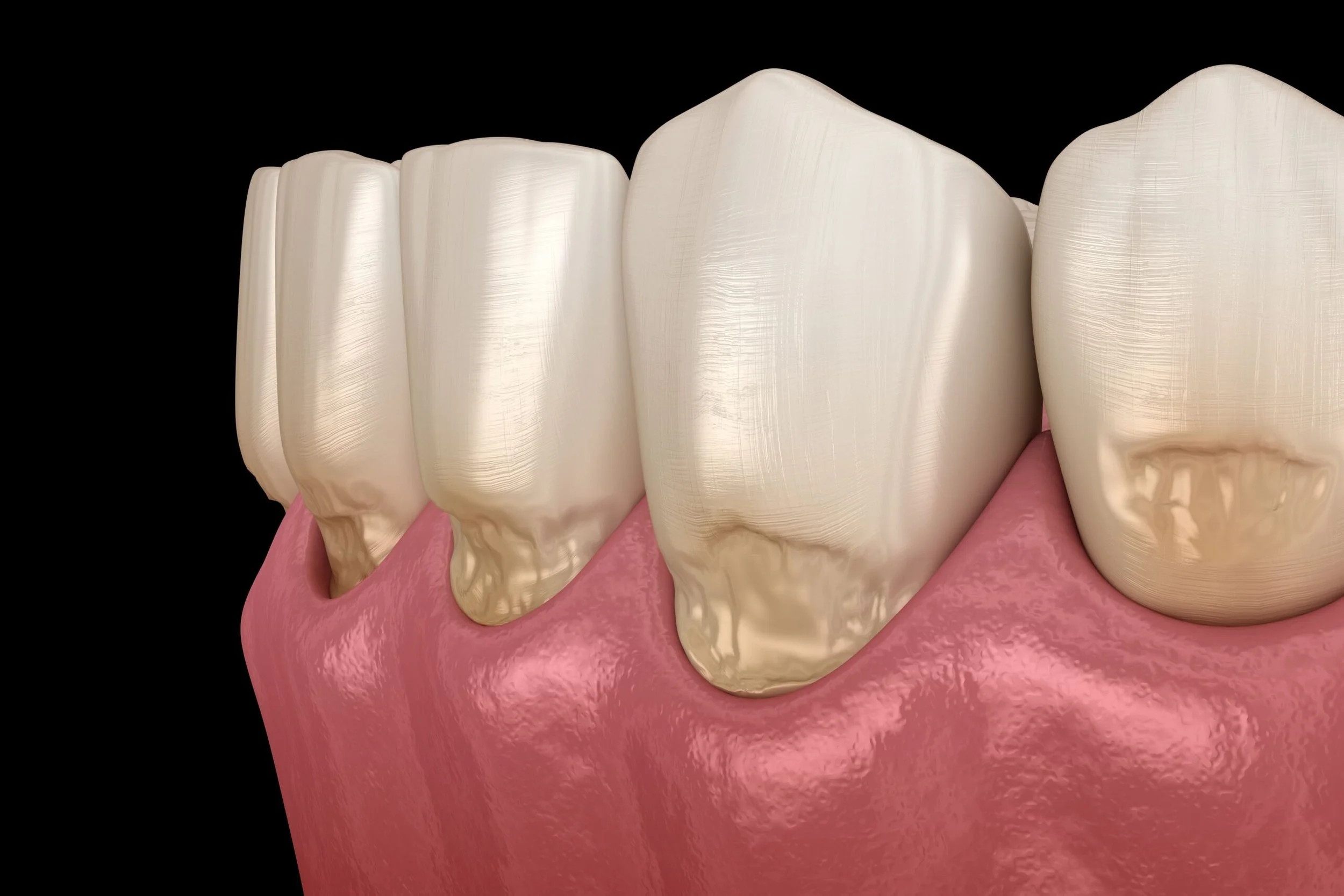
Excessive grinding and pressure can cause worn teeth and increased sensitivity.

13. Facial Swelling

Inflammation and muscle overuse may cause swelling around the jaw and cheeks.

14. Dizziness or Vertigo

Some patients report dizziness or a feeling of imbalance associated with TMJ dysfunction.

15. Changes in Bite Alignment

Your upper and lower teeth may suddenly feel as though they do not fit together properly.

When Should You See a Dentist for TMJ Symptoms?

You should seek professional evaluation if you experience:

  • Persistent jaw pain

  • Frequent headaches or migraines

  • Difficulty opening your mouth

  • Jaw locking episodes

  • Chronic teeth grinding

  • Ear pain without an infection

  • Facial pain that interferes with daily activities

Early treatment can help prevent further joint damage and reduce long-term discomfort.

How Is TMJ Disorder Diagnosed?

A dentist will typically:

  • Review your symptoms and medical history

  • Examine your jaw movement and bite

  • Check for muscle tenderness and joint noises

  • Assess signs of teeth grinding and wear

  • Recommend imaging if necessary

A thorough examination helps determine the underlying cause of your symptoms and the most effective treatment plan.

Treatment Options for TMJ Disorder

Treatment depends on the severity and cause of the condition.

Conservative Treatments

  • Custom night guards

  • Jaw exercises and physiotherapy

  • Stress management techniques

  • Ice and heat therapy

  • Dietary modifications

  • Anti-inflammatory medications

Advanced Treatments

  • Botox therapy for jaw clenching and muscle tension

  • Bite adjustments when appropriate

  • Specialist referral for complex cases

Most patients experience significant improvement with non-surgical treatment options.

Can TMJ Disorder Go Away on Its Own?

Mild TMJ symptoms may improve with rest and lifestyle changes. However, persistent symptoms should not be ignored, as untreated TMJ disorders can lead to chronic pain, worsening teeth grinding, and reduced jaw function.

Find Relief From TMJ Disorder

Living with TMJ pain can affect your ability to eat, sleep, and enjoy everyday activities. Fortunately, effective treatments are available to reduce discomfort and restore normal jaw function.

If you're experiencing jaw pain, clicking, headaches, or other symptoms of TMJ disorder, schedule an appointment with our dental team for a comprehensive evaluation and personalised treatment plan.

TMJ Relief Using Botox: A Modern Solution for Jaw Pain and Teeth Grinding

Struggling with Jaw Pain? Botox May Help Relieve TMJ Symptoms

If you wake up with jaw pain, experience frequent headaches, or notice clicking and tension in your jaw, you may be suffering from temporomandibular joint (TMJ) disorder, often referred to as TMD. This common condition affects the joints and muscles that control jaw movement, causing discomfort that can interfere with everyday life.

One increasingly popular treatment option for TMJ pain is Botox therapy. While many people associate Botox with cosmetic treatments, it has also become an effective, minimally invasive solution for managing chronic jaw tension and teeth grinding.

In this article, we'll explore how Botox works for TMJ relief, its benefits, and whether it could be the right treatment for you.

What Is TMJ Disorder?

The temporomandibular joints connect your lower jaw to your skull, allowing you to talk, chew, and yawn. When these joints or the surrounding muscles become inflamed or overworked, it can lead to TMJ disorder.

Common Symptoms of TMJ Disorder

  • Jaw pain or tenderness

  • Clicking or popping sounds when opening the mouth

  • Difficulty chewing

  • Facial pain or muscle tightness

  • Frequent headaches or migraines

  • Ear pain or ringing in the ears

  • Teeth grinding (bruxism)

  • Limited jaw movement or jaw locking

TMJ disorders can result from stress, teeth grinding, misaligned bites, arthritis, or injury to the jaw.

How Does Botox Help TMJ Pain?

Botox is a purified protein that temporarily relaxes muscles by blocking nerve signals that cause muscle contractions.

For TMJ treatment, Botox is typically injected into the overactive jaw muscles, particularly the masseter and temporalis muscles. By reducing muscle tension and the force of clenching, Botox can help alleviate many of the symptoms associated with TMJ disorder.

Benefits of Botox for TMJ Relief

1. Reduces Jaw Pain and Muscle Tension

Relaxing the overworked muscles can significantly decrease pain and soreness in the jaw and face.

2. Helps Control Teeth Grinding and Clenching

Many patients experience less nighttime grinding and daytime clenching after treatment.

3. Reduces Headaches and Migraines

Because jaw tension often contributes to headaches, reducing muscle strain may decrease their frequency and severity.

4. Improves Jaw Function

Patients frequently report improved comfort when chewing, speaking, and opening their mouths.

5. Non-Surgical and Minimally Invasive

Botox treatment requires no surgery or downtime, making it an attractive option for individuals seeking conservative treatment.

What to Expect During Botox Treatment for TMJ

The procedure is quick and typically takes around 15 to 30 minutes.

During Your Appointment:

  • Your dentist will evaluate your symptoms and jaw muscles.

  • Small amounts of Botox are injected into targeted muscles.

  • Most patients experience minimal discomfort.

  • You can return to normal activities immediately after treatment.

How Long Does Botox for TMJ Last?

Results generally begin to appear within a few days, with full effects developing after one to two weeks.

Most patients experience relief for approximately three to four months before requiring maintenance treatments.

The frequency of treatment depends on:

  • The severity of your symptoms

  • The amount of clenching or grinding

  • Individual muscle response

Is Botox Safe for TMJ Treatment?

When administered by a qualified dental professional, Botox is considered safe and well tolerated.

Possible side effects are generally mild and temporary and may include:

  • Minor swelling or bruising at the injection site

  • Temporary muscle soreness

  • Mild chewing fatigue

A thorough consultation will determine whether Botox is appropriate for your specific condition.

Who Is a Good Candidate for TMJ Botox?

You may benefit from Botox treatment if you:

  • Experience chronic jaw pain or facial tension

  • Suffer from teeth grinding or clenching

  • Have frequent tension headaches related to jaw strain

  • Have not found relief from mouthguards or other conservative treatments

  • Prefer a non-surgical option for TMJ management

Botox vs Traditional TMJ Treatments

While Botox can be highly effective, it is often part of a comprehensive treatment plan that may include:

  • Custom night guards

  • Stress management techniques

  • Bite adjustments

  • Physiotherapy

  • Jaw exercises

  • Lifestyle modifications

Your dentist can recommend the most appropriate treatment based on the underlying cause of your TMJ symptoms.

Frequently Asked Questions About TMJ Botox

Does Botox cure TMJ disorder?

Botox does not cure TMJ disorder, but it can significantly reduce symptoms and improve quality of life.

Is Botox painful?

Most patients describe the injections as a mild pinching sensation and tolerate the procedure very well.

Can Botox stop teeth grinding completely?

Botox reduces the intensity of clenching and grinding but may not eliminate it entirely.

How quickly will I feel relief?

Some patients notice improvement within a few days, while full results typically develop within two weeks.

Find Relief From TMJ Pain

Living with chronic jaw pain, headaches, or teeth grinding can affect your sleep, comfort, and overall wellbeing. Botox offers a safe and effective option for many patients seeking relief from TMJ symptoms without surgery.

If you're experiencing persistent jaw discomfort or suspect you may have TMJ disorder, schedule a consultation with our dental team to determine whether Botox treatment could be the right solution for you.

Gentle Endodontic Care: Root Canal Treatment in Hurlstone Park and Surrounding Sydney Areas

Gentle Endodontic Care for Hurlstone Park and the Inner West

If a dental professional has informed you that you require root canal therapy, it is entirely natural to experience a wave of apprehension. For decades, the root canal has been unfairly associated with severe pain and complex, drawn-out appointments.

At Pain Free Dentist Sydney, located in Hurlstone Park, our clinical objective is to change that narrative entirely. Under the experienced direction of Dr Lisa Chong (BDS, Hons, Otago), we provide advanced, microscope-assisted endodontic therapy designed to save your natural tooth structure, alleviate localized infection, and ensure your physical comfort.

By utilizing state-of-the-art diagnostic imaging and custom anxiety protocols, we serve high-intent dental patients seeking reliable, local care across Hurlstone Park, Dulwich Hill, Marrickville, Ashfield, Canterbury, and the broader Sydney region.

What is a Root Canal? Understanding the Clinical Reality

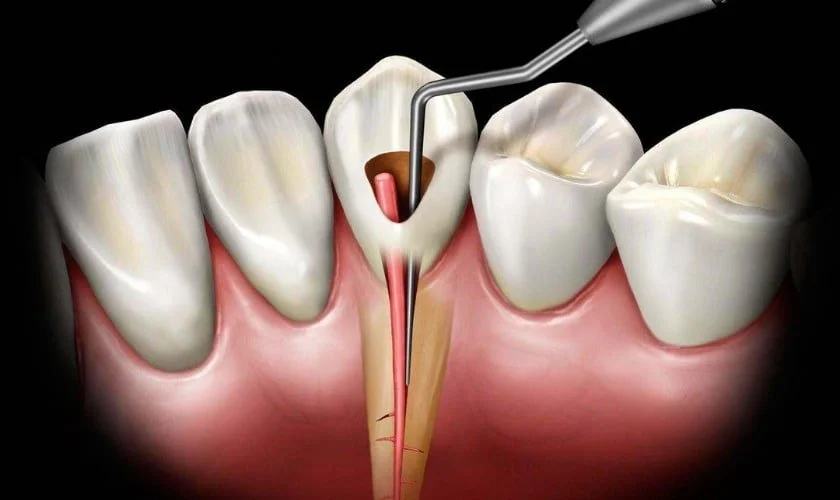
A root canal—clinically classified as endodontic treatment—is a specialized dental procedure designed to treat deep-seated infection or structural damage localized inside the tooth's root system.

Deep beneath the hard exterior layers of enamel and dentine lies a central chamber containing the dental pulp. This pulp is a delicate network of blood vessels, connective tissues, and nerve fibers that assist in the tooth's development. If bacteria manage to penetrate this chamber, the pulp becomes irreversibly inflamed or infected. Left unaddressed, this infection creates a localized abscess, leading to severe bone degradation, swelling, and eventual tooth loss. A root canal safely sanitizes this internal system, preserving the physical shell of your tooth.

Identifying the Signs: Why You Might Require Treatment

An internal dental infection can manifest through several key physiological warning signs. If you reside in the Inner West and are experiencing any of the following symptoms, a professional endodontic evaluation is highly recommended:

  • Severe, Throbbing Tooth Pain: Intense discomfort that worsens significantly when chewing, biting down, or applying physical pressure.

  • Prolonged Temperature Sensitivity: A lingering ache or sharp pain that persists long after you have consumed hot or cold liquids or food.

  • Discoloration or Darkening of the Tooth: A structural graying or darkening of the enamel, which frequently signals that the internal nerve tissue has become necrotic (died).

  • Localized Swelling or Tenderness: Inflammation, puffiness, or a noticeable dull ache in the nearby gum tissues.

  • A Persistent Pimple on the Gums: Formally known as a fistula or sinus tract, this small bump acts as a drainage point for a deep-seated bone infection.

The most common catalysts for endodontic intervention include deep dental decay, micro-fractures from structural trauma, large or failing historical fillings, or repeated dental procedures on a single tooth.

The Root Canal Procedure: A Step-by-Step Comfort Framework

Under Dr Lisa Chong’s strict care models, the root canal process is streamlined, clear, and typically completed over one to two appointments depending on the structural complexity of your tooth's anatomy:

  • 1. High-Definition Digital Radiography: We capture precise digital X-rays and 3D imaging to map out the exact shape, length, and curvature of your root canals, identifying the exact boundary of any surrounding bone infection.

  • 2. Advanced Local Anesthesia: Before any work begins, the target tooth and surrounding tissues are completely numbed using advanced local anesthetic techniques, rendering the actual procedure no more uncomfortable than a standard filling.

  • 3. Precision Internal Access: Utilizing specialized isolation barriers (dental dams) to keep the area completely sterile and free from saliva, Dr Chong creates a microscopic opening in the crown of the tooth to reach the pulp chamber.

  • 4. Microscope-Assisted Cleaning and Shaping: Using rotary endodontic instruments and medical-grade disinfecting solutions, the infected pulp tissue is completely removed. The tiny canals are thoroughly cleaned, reshaped, and chemically sterilized.

  • 5. Hermetic Sealing: Once the root canal system is entirely sanitized, the empty space is filled and sealed using a biocompatible, rubber-like material called gutta-percha. This step creates a permanent physical barrier against future bacterial reinvasion.

  • 6. Structural Restoration: A root-treated tooth becomes structurally brittle over time because it no longer receives an internal blood supply. To restore full biting function and prevent structural fractures, your tooth will be permanently reinforced with a custom-crafted dental filling or a premium porcelain crown.

Our Signature Anxiety Protocols for Inner West Patients

If you suffer from acute dental phobia, the thought of an endodontic procedure can feel overwhelming. To ensure your peace of mind, our Hurlstone Park practice provides tailored medical sedation pathways. We offer oral sedatives, happy gas, and specialized Intravenous (IV) Twilight Sedation monitored by qualified professionals. This allows highly anxious patients to sleep through their treatment, completely detached from the clinical environment.

Debunking Common Endodontic Myths

Misinformation online often causes patients to delay necessary care, leading to avoidable extractions. Let us clear up the facts:

  • Myth: Root canals are uniquely painful. * Fact: Modern anesthetics and rotary endodontic tech ensure the procedure itself is highly comfortable. A root canal does not cause pain—it actively removes the pain of an active infection.

  • Myth: It is safer and easier to just extract the tooth. * Fact: Preserving your natural tooth structure is always the gold standard of dentistry. Extracting a tooth creates a gap that can cause surrounding teeth to shift, altering your bite alignment and requiring more expensive replacement options like bridges or implants later on.

  • Myth: Root canals cause systemic medical illnesses. * Fact: This is a long-debunked historical myth. There is absolutely no credible, peer-reviewed scientific evidence linking endodontic therapy to alternative health issues.

Proactive Prevention: Safeguarding Your Smile

While some dental traumas are unavoidable, you can significantly minimize your risk of requiring an endodontic intervention through a dedicated preventative routine:

  • Maintain a rigorous home care schedule by brushing twice daily with fluoride toothpaste and flossing every single day.

  • Schedule routine professional examinations and cleanings at our clinic every six months to intercept decay before it penetrates your tooth pulp.

  • Minimize your consumption of highly acidic or sugary foods and beverages that accelerate enamel breakdown.

  • Always wear a custom-fabricated athletic mouthguard when participating in contact sports across local Sydney leagues to protect against dental trauma.

Practice Information & Regulatory Standards

Where is the clinic located? > Our modern practice is located at The Garnet Building, Suite G1A / 570 New Canterbury Road, Hurlstone Park, NSW 2193 (directly opposite Skein Sisters). Dedicated street parking is readily available on surrounding local streets, including Duntroon Street and Garnet Street, making us easily accessible for patients traveling from Marrickville, Dulwich Hill, or Ashfield.

Regulatory Disclaimer: > Individual physiological outcomes following endodontic treatments can vary based on the unique anatomy of your root canals and the initial severity of the bacterial infection. Any invasive clinical procedure carries inherent medical risks. A comprehensive diagnostic evaluation is legally mandatory before treatment can begin. We always recommend seeking a secondary opinion from a qualified health practitioner to discuss your specific suitability and risks prior to commencing care.

Schedule a Local Endodontic Assessment

Do not let dental anxiety delay essential treatment. Early intervention can comfortably save your tooth and prevent the spread of serious infection. Contact Dr Lisa Chong and our friendly team to reserve your consultation space today: