

Introduction
Tooth loss affects millions worldwide, impacting not only the ability to chew and speak but also self-confidence and overall quality of life. Traditional removable dentures often cause discomfort, instability, and accelerate bone loss, while individual implants for every missing tooth can be prohibitively expensive and time-consuming.
The All-on-6 dental implant technique offers a modern, effective solution for complete tooth restoration. This procedure uses six strategically placed dental implants to support a fixed, full-arch prosthesis, combining the stability of implants with the efficiency of full-mouth rehabilitation.
What is the All-on-6 Procedure?
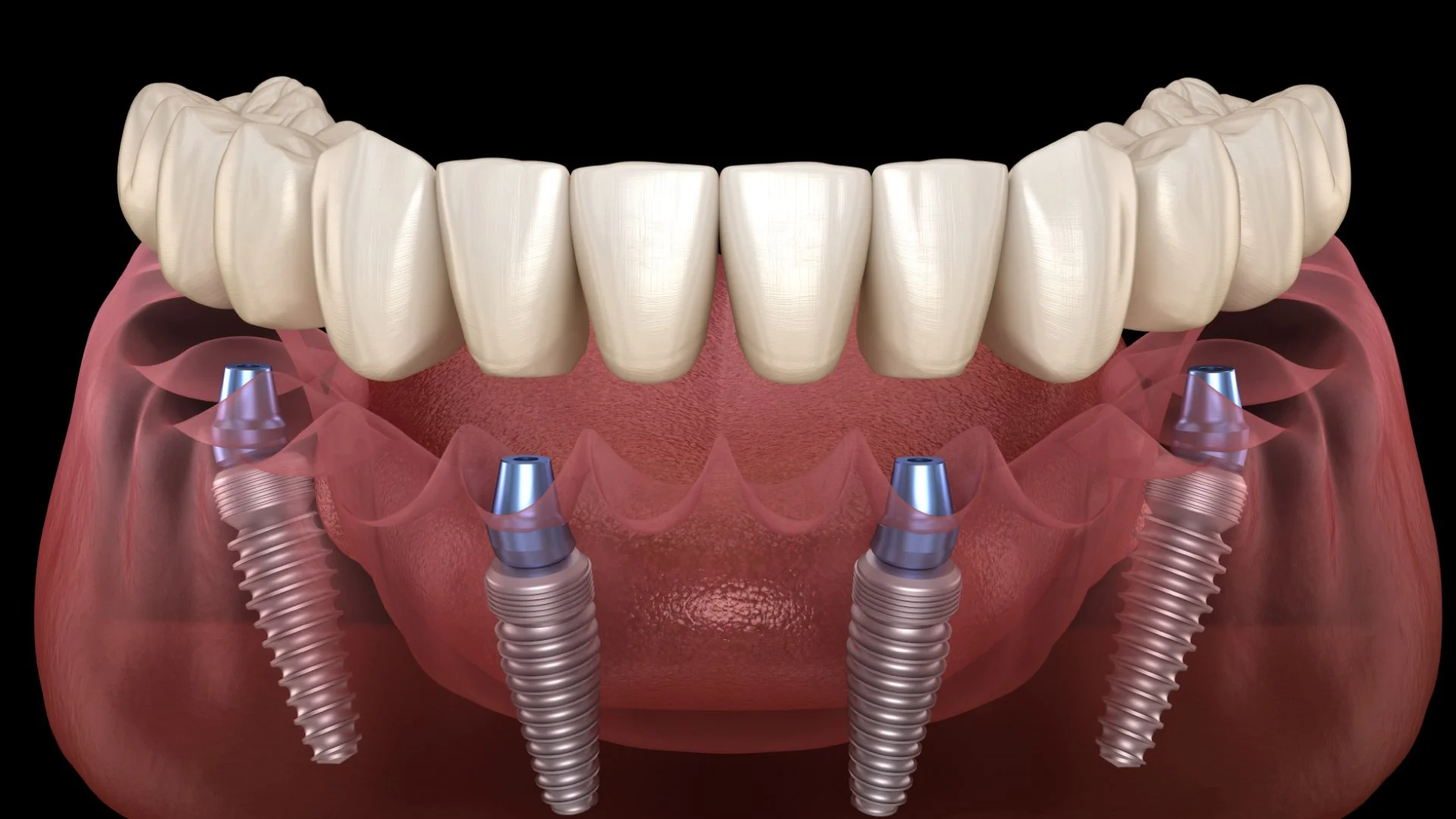
The All-on-6 concept involves placing six titanium implants into the jawbone to anchor a permanent bridge of prosthetic teeth. The implants are positioned in areas where bone support is strongest, often using a combination of vertical and angled placements to maximize bone usage.
This approach differs from the All-on-4 technique, which uses four implants. The two additional implants in the All-on-6 system provide increased stability and distribute biting forces more evenly, making it particularly beneficial for patients with lower bone density in the upper jaw.
Key Benefits of All-on-6 Implants
Immediate Function and Aesthetics
In many cases, patients can receive a temporary fixed prosthesis on the same day as surgery, allowing them to leave the clinic with functional, aesthetic teeth immediately. This immediate loading approach promotes high patient satisfaction with respect to aesthetics, phonetics, and mastication.
Enhanced Stability and Comfort
The six implants provide a solid, long-lasting foundation. Unlike removable dentures, All-on-6 restorations don't slip or require adhesives, allowing patients to eat, talk, and smile with confidence.
Bone Preservation
Dental implants stimulate the jawbone, preventing the bone resorption that commonly occurs after tooth loss. This helps maintain facial structure and prevents the "sunken" appearance associated with traditional dentures.
Long-Term Durability
With proper care, All-on-6 implants can last 20-30+ years. While the upfront cost is significant, the long-term cost-effectiveness is excellent compared to alternatives that require frequent replacement.
Improved Quality of Life
Research demonstrates that edentulous patients treated with All-on-6 prostheses show high satisfaction in oral health-related quality of life, with significant improvements in chewing comfort, aesthetics, stability, and psychological well-being.
Cost Considerations
The cost of All-on-6 dental implants typically ranges from $24,000 to $50,000 per arch in the United States. Several factors influence the final price, including the geographic location of the dental practice, the expertise of the surgeon, the materials used for the final prosthesis, and whether any additional procedures such as bone grafting or extractions are required.
Comparing Your Options
When evaluating All-on-6 against other tooth replacement solutions, it is helpful to look beyond the initial price tag. All-on-6 generally costs between $24,000 and $50,000 per arch and offers a lifespan of 20 to 30 years or more with proper care. The procedure provides a fixed, non-removable solution that actively prevents bone loss. For comparison, the All-on-4 procedure ranges from $18,000 to $35,000 per arch. While it also offers a fixed solution and a lifespan of over 20 years, the stability is somewhat less due to the fewer number of implants. Implant overdentures typically cost between $5,000 and $16,000 per arch, but they are removable, require ongoing maintenance, and generally last 10 to 15 years. Traditional dentures have the lowest initial cost at $1,500 to $3,500 per arch, but they are removable, do not preserve bone, and typically need replacement every 5 to 10 years.
The True Cost of Ownership
While traditional dentures have the lowest upfront cost, they require frequent adjustments, relines, and replacement every 5 to 10 years. Over a 10-year period, the total cost for a fixed hybrid solution like All-on-6 ranges from $30,000 to $40,000, while dentures can accumulate $11,000 to $18,000 in maintenance costs during the same timeframe. This comparison does not even account for the significant impact on quality of life and bone health that dentures fail to address. The investment in All-on-6 is not merely a dental expense but a long-term investment in your overall health and well-being.
The Procedure Timeline
Step 1: Initial Consultation
Your journey begins with a comprehensive evaluation that includes 3D imaging such as a CBCT scan to assess bone density and precisely plan implant placement. Your dentist will evaluate your overall health, bone condition, and discuss your aesthetic and functional goals.
Step 2: Surgical Placement
On the day of surgery, six implants are placed into the jawbone under local anesthesia or sedation. The procedure typically takes 2 to 4 hours. Any damaged or decayed teeth that need to be removed are extracted during this same appointment.
Step 3: Immediate Provisional Restoration
In favorable cases, a temporary fixed bridge is attached to the implants on the same day as surgery. This provides you with immediate function and aesthetics, so you never have to go without teeth.
Step 4: Osseointegration
Over the next 3 to 6 months, the implants fuse with the jawbone in a process called osseointegration. During this healing period, patients follow a modified soft-food diet to protect the healing implants.
Step 5: Final Restoration
Once complete healing has occurred, the permanent custom-designed prosthesis is securely attached to the implants. This final restoration is crafted to look, feel, and function like natural teeth, providing you with a beautiful and durable smile.
Recovery and Aftercare
What to Expect During Recovery
In the first 24 hours following surgery, you can expect some swelling, mild bleeding, and soreness. Rest is essential during this time, and you should stick to a soft-food diet. During the first week, discomfort gradually eases, but you should continue to avoid hard or sticky foods. By the end of the first month, your daily comfort improves significantly, though the implants continue to heal beneath the surface. The 3 to 6 month mark is when osseointegration completes, and you will be fitted with your final prosthesis. Beyond this point, long-term maintenance involves regular dental visits and diligent home care.
Essential Aftercare Practices
Maintaining proper oral hygiene is crucial for the long-term success of your All-on-6 implants. You should brush and floss regularly, using specialized tools designed to clean around the prosthesis and beneath the bridge. Regular checkups with your dentist are necessary for professional cleanings and to monitor the condition of your implants and surrounding tissues. Lifestyle adjustments such as avoiding smoking and limiting hard or sticky foods will help protect your investment and ensure the longevity of your new smile.
All-on-4 vs. All-on-6: Which is Right for You?
Studies show that both All-on-4 and All-on-6 provide comparable high satisfaction in oral health-related quality of life. However, there are notable differences that may influence your decision.
All-on-4 uses four implants per arch and is generally more affordable, ranging from $18,000 to $35,000. The procedure is highly successful and provides good stability. However, in some cases, patients have reported slightly lower satisfaction with speech outcomes compared to All-on-6. Additionally, long-term research suggests that All-on-4 may provide a better psychological effect in some patient populations, likely due to the slightly more conservative approach.
All-on-6, on the other hand, uses six implants per arch and costs between $24,000 and $50,000. The two additional implants provide superior stability and can accommodate bone loss more effectively than the four-implant system. Patients often report excellent speech outcomes with All-on-6, and the distribution of bite forces is more even across the dental arch. This reduces stress on individual implants and prosthetic components, potentially extending the lifespan of the restoration.
All-on-6 may be preferable when you have moderate to significant bone loss, you want maximum stability particularly for the upper jaw, you desire restoration of molars without long cantilevers, or you have high bite forces or bruxism (teeth grinding). Your implant dentist will help you determine which approach is best suited to your specific anatomical and functional needs.
Candidates for All-on-6 Implants
Ideal candidates for All-on-6 implants include patients who have lost most or all teeth in one or both arches, have sufficient jawbone density to support the implants, and do not have conditions that significantly delay healing such as uncontrolled diabetes or heavy smoking. The procedure is also well-suited for individuals who are looking for a permanent, fixed alternative to removable dentures and want to avoid the inconvenience and discomfort of adhesives and slipping prosthetics.
Even patients with significant bone loss may be candidates for All-on-6. The strategic placement of implants, often using angled positioning, can often avoid the need for bone grafting. This makes the procedure accessible to a wider range of patients than traditional implant techniques. However, a thorough evaluation by an experienced implant dentist is essential to determine your individual suitability.
Clinical Success and Research
Recent clinical studies confirm the effectiveness of the All-on-6 approach and provide reassuring data for patients considering this treatment. A retrospective study of 125 patients followed over 3 to 7 years found that patients treated with both All-on-4 and All-on-6 showed high satisfaction in chewing comfort, aesthetics, cleanability, and stability. The research highlighted that both techniques successfully restored oral function and improved patients' quality of life.
A case series specifically examining rehabilitation of the atrophic edentulous maxilla using six implants demonstrated remarkable results, with 100 percent implant and prosthesis survival rates. The study also reported significant improvement in all domains of oral health-related quality of life, confirming that the All-on-6 approach is both reliable and transformative for patients with challenging bone conditions.
From a biomechanical perspective, the All-on-6 system distributes masticatory forces more uniformly than All-on-4. This reduces stress on individual implants and prosthetic components, which may contribute to the long-term durability of the restoration and reduce the risk of mechanical complications over time.
Conclusion
The All-on-6 dental implant technique represents a significant advancement in restorative dentistry, offering patients a durable, aesthetic, and functional solution for complete tooth restoration. While the initial investment is substantial, the long-term benefits including improved quality of life, bone preservation, and high patient satisfaction make it a compelling choice for suitable candidates.
If you are considering full-arch rehabilitation, consult with an experienced implant dentist to determine whether All-on-6 is the right solution for your specific needs and bone condition. Your journey to a restored smile and renewed confidence could begin with a single consultation.