Root Canal Treatment: Why It Is Important for Saving Your Natural Tooth

Don’t Ignore Tooth Pain — It Could Mean Infection

Severe toothache, sensitivity to hot or cold, or swelling around a tooth can be signs of deep infection. When decay or trauma reaches the inner part of the tooth, called the pulp, a simple filling is no longer enough.

In these cases, root canal treatment becomes essential to save the tooth and prevent the infection from spreading.

What Is Root Canal Treatment?

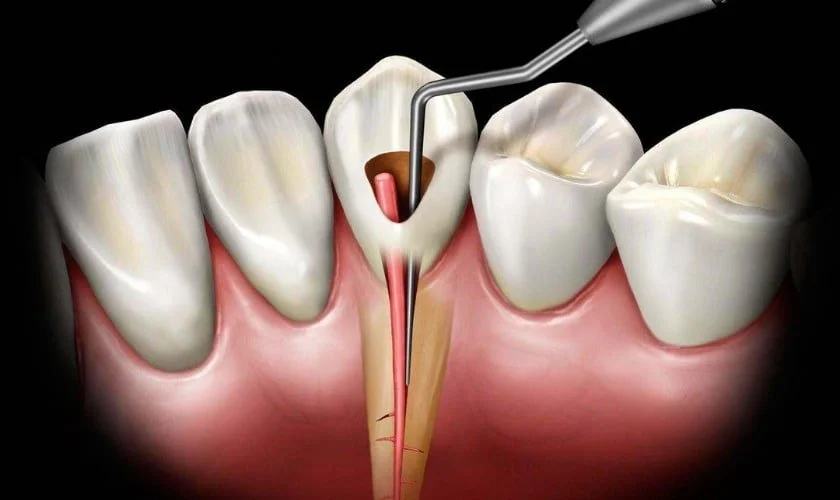
Root canal treatment is a dental procedure used to treat infection or inflammation inside the tooth.

Inside each tooth is a soft tissue called the pulp, which contains nerves and blood vessels. When this becomes infected, it can cause severe pain and lead to tooth loss if untreated.

Root canal treatment involves:

  • Removing infected pulp

  • Cleaning and disinfecting the inside of the tooth

  • Filling and sealing the space

  • Restoring the tooth with a crown or filling

Why Root Canal Treatment Is Important

1. Saves Your Natural Tooth

The biggest benefit of root canal treatment is that it allows you to keep your natural tooth instead of extracting it.

Preserving natural teeth helps maintain:

  • Proper chewing function

  • Natural bite alignment

  • Jawbone structure

2. Stops Infection from Spreading

Untreated tooth infections can spread beyond the tooth to surrounding tissues and even into the bloodstream.

This may lead to:

  • Dental abscesses

  • Facial swelling

  • Bone loss around the tooth

  • More serious systemic infections

3. Relieves Severe Tooth Pain

Infected tooth pulp can cause intense, persistent pain.

Root canal treatment removes the infected nerve tissue, which typically provides rapid relief from:

  • Constant throbbing pain

  • Sensitivity to temperature

  • Pain when biting or chewing

4. Prevents Tooth Loss

Without treatment, an infected tooth often becomes too damaged to save and must be removed.

Root canal therapy significantly increases the chances of long-term tooth survival.

5. Restores Normal Function

After treatment and restoration, the tooth can function normally again, allowing you to:

  • Chew comfortably

  • Speak clearly

  • Maintain a natural smile

What Causes the Need for a Root Canal?

A root canal is usually needed when the tooth pulp becomes infected or inflamed due to:

  • Deep tooth decay

  • Repeated dental procedures on the same tooth

  • Cracked or broken teeth

  • Dental trauma or injury

  • Untreated cavities

  • Advanced gum disease affecting the root

One common underlying issue is untreated infection of the tooth nerve, often associated with severe decay or bacterial invasion.

Common Signs You May Need a Root Canal

You should see a dentist if you notice:

  • Severe tooth pain

  • Prolonged sensitivity to hot or cold

  • Pain when biting or chewing

  • Swollen or tender gums

  • Darkening or discolouration of a tooth

  • Pimple-like swelling on the gums

  • Facial swelling in severe cases

Some patients may not feel pain at all, even when infection is present, which is why regular dental check-ups are important.

Is Root Canal Treatment Painful?

Modern root canal treatment is generally no more uncomfortable than having a filling.

With local anaesthetic and modern techniques, most patients report:

  • Minimal discomfort during the procedure

  • Relief from pain afterwards

  • Quick recovery with mild tenderness

Root Canal vs Tooth Extraction

Root Canal Treatment

  • Preserves your natural tooth

  • Maintains jawbone and bite alignment

  • Restores normal function

  • Long-lasting solution when properly restored

Tooth Extraction

  • Removes the infected tooth completely

  • May require replacement (implant or bridge)

  • Can lead to bone loss if not replaced

Whenever possible, saving the natural tooth is the preferred option.

What Happens After a Root Canal?

After treatment, the tooth is usually restored with a filling or dental crown to strengthen it.

Proper aftercare includes:

  • Good oral hygiene (brushing and flossing)

  • Avoiding hard foods on the treated tooth initially

  • Regular dental check-ups

  • Crown placement when recommended

How Long Does a Root Canal Last?

With proper care, a root canal-treated tooth can last many years, often a lifetime. The longevity depends on:

  • Quality of restoration (especially the crown)

  • Oral hygiene habits

  • Regular dental visits

Preventing the Need for a Root Canal

You can reduce your risk by:

  • Brushing twice daily with fluoride toothpaste

  • Flossing daily

  • Attending regular dental check-ups

  • Treating cavities early

  • Wearing a mouthguard if you grind your teeth

  • Avoiding trauma to teeth

Takeaway

Root canal treatment is a highly effective way to save an infected or damaged tooth. It relieves pain, prevents infection from spreading, and restores normal function—helping you keep your natural smile for years to come.

If you're experiencing persistent tooth pain or sensitivity, early diagnosis can make all the difference in saving your tooth.

Teeth Grinding (Bruxism), TMJ Disorder, and Chronic Muscle Aches: What Your Body May Be Telling You

Why Teeth Grinding Is More Than Just a Dental Habit

Teeth grinding, also known as bruxism, is often dismissed as a minor habit. However, persistent grinding or clenching can be a sign of deeper issues involving stress, sleep quality, muscle function, and jaw joint health.

Over time, untreated bruxism can contribute to temporomandibular joint (TMJ) disorder, chronic facial pain, headaches, and even neck and shoulder muscle aches.

Understanding what teeth grinding is “telling you” about your health can help prevent long-term damage and improve overall wellbeing.

What Is Teeth Grinding (Bruxism)?

Bruxism is a condition where a person unconsciously clenches or grinds their teeth, often during sleep (sleep bruxism) or periods of stress (awake bruxism).

It places excessive force on the teeth, jaw muscles, and temporomandibular joints.

Common Signs and Symptoms of Teeth Grinding

Many people are unaware they grind their teeth until symptoms appear.

Dental and Jaw Symptoms

  • Worn, flattened, or chipped teeth

  • Tooth sensitivity

  • Jaw pain or tightness

  • Clicking or popping in the jaw

  • Limited jaw movement

  • Tight or tired jaw muscles

Head and Facial Symptoms

  • Frequent headaches or migraines

  • Facial muscle soreness

  • Pain around the temples

  • Ear pain or pressure (without infection)

Sleep-Related Symptoms

  • Disrupted sleep or poor sleep quality

  • Waking with jaw tightness

  • Partner noticing grinding sounds at night

  • Morning headaches

What Teeth Grinding Says About Your Health

Teeth grinding is often a symptom of underlying physical or psychological stressors rather than an isolated condition.

1. Stress and Emotional Tension

One of the most common causes of bruxism is stress. Emotional tension can manifest physically through jaw clenching, especially during sleep.

Over time, this constant muscle activation leads to fatigue and pain.

2. Sleep Quality Issues

Bruxism is closely linked to sleep disturbances such as:

  • Sleep fragmentation

  • Light or unrefreshing sleep

  • Possible sleep apnea in some cases

Poor sleep can worsen muscle recovery, leading to chronic fatigue and pain.

3. Jaw Muscle Overload and TMJ Strain

Excessive grinding places continuous pressure on the jaw muscles and joints, which can contribute to TMJ disorder.

This may result in:

  • Joint inflammation

  • Muscle tightness

  • Reduced jaw mobility

  • Chronic pain patterns

4. Nervous System Hyperactivity

Bruxism is often associated with increased nervous system activity, particularly during stress or anxiety. This can cause the jaw muscles to remain “switched on” even during rest.

The Link Between Teeth Grinding, TMJ Disorder, and Chronic Muscle Aches

1. Overworked Jaw Muscles

The masseter, temporalis, and pterygoid muscles are heavily involved in chewing and clenching. When overused, they can become:

  • Tight and fatigued

  • Painful to touch

  • Prone to spasms

This muscle overload can extend beyond the jaw.

2. Referred Pain Into the Neck and Shoulders

Jaw muscle tension often spreads to nearby muscle groups, leading to:

  • Neck stiffness

  • Shoulder tightness

  • Upper back discomfort

  • Postural strain

The jaw, neck, and shoulders are part of a connected muscular system, so dysfunction in one area can affect others.

3. TMJ Joint Stress and Inflammation

Continuous grinding places excessive load on the temporomandibular joint, potentially leading to:

  • Joint inflammation

  • Disc displacement

  • Clicking or locking

  • Chronic TMJ pain

4. Headaches and Facial Pain Cycle

Bruxism can trigger a cycle of muscle tension and headaches:

  • Grinding tightens jaw muscles

  • Tight muscles compress surrounding nerves

  • Pain signals increase tension further

  • Headaches and facial pain become chronic

Long-Term Effects of Untreated Teeth Grinding

If left untreated, chronic bruxism may lead to:

  • Severe TMJ disorder

  • Worn or fractured teeth

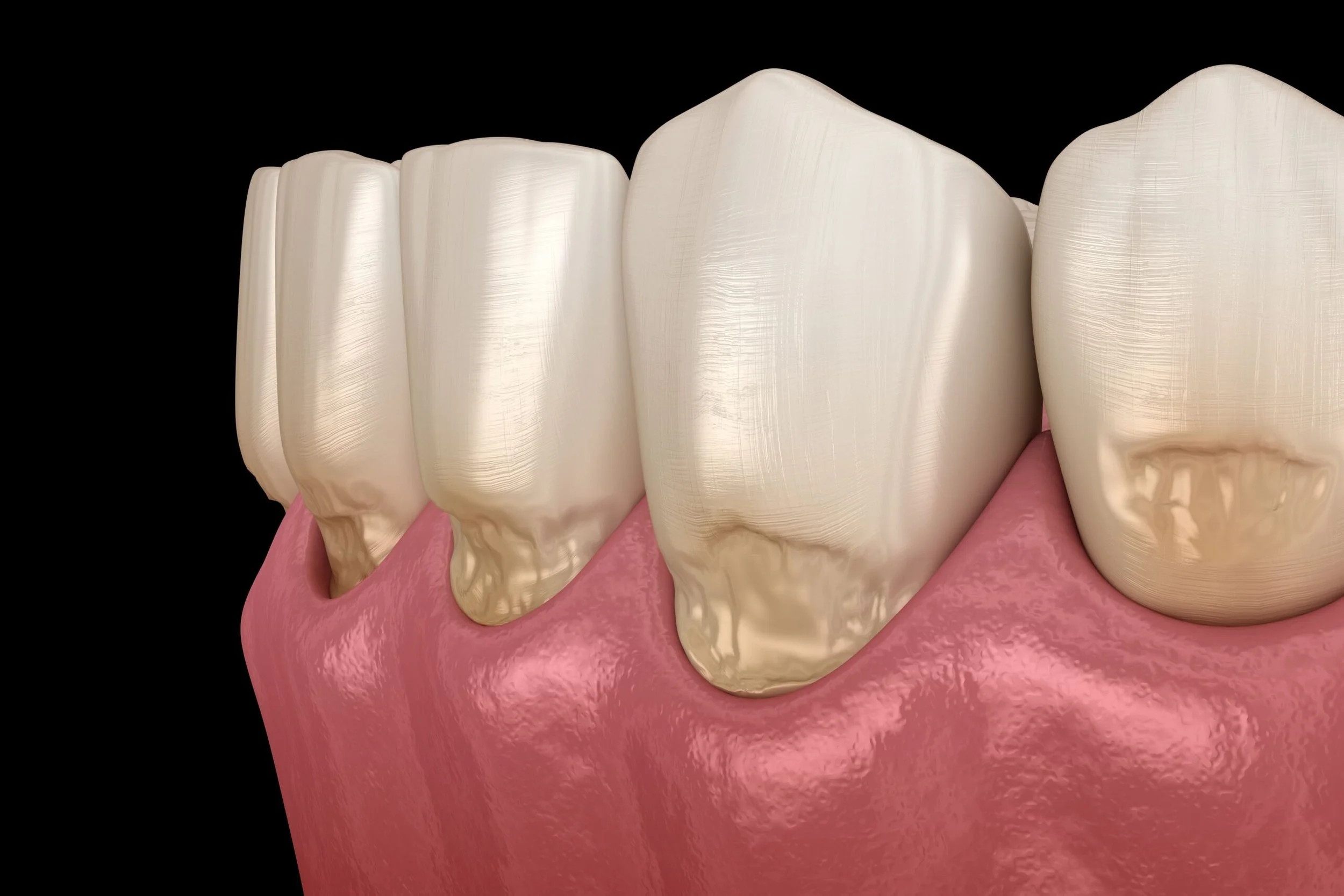
  • Gum recession

  • Bite changes (malocclusion)

  • Persistent headaches or migraines

  • Chronic facial and neck pain

  • Sleep disruption

  • Jaw joint degeneration in severe cases

What Causes Teeth Grinding?

Bruxism is usually multifactorial, meaning several factors may contribute:

  • Stress and anxiety

  • Sleep disorders (including sleep apnea)

  • Misaligned bite

  • Stimulants like caffeine or alcohol

  • Certain medications

  • Habitual clenching during focus or concentration

  • Airway or breathing issues during sleep

Treatment Options for Teeth Grinding and TMJ Symptoms

1. Custom Night Guards

Protects teeth from damage and reduces joint stress during sleep.

2. Stress Management

Techniques such as mindfulness, exercise, and relaxation therapy can reduce clenching triggers.

3. Physiotherapy and Jaw Exercises

Helps restore muscle balance and reduce tension.

4. Botox Therapy for Jaw Muscles

Botox can relax overactive jaw muscles and reduce grinding force.

5. Sleep Assessment

If sleep disorders are suspected, further evaluation may be recommended.

6. Bite and Dental Assessment

A dentist may assess whether bite alignment contributes to grinding patterns.

When to See a Dentist

You should seek professional advice if you experience:

  • Frequent jaw pain or tightness

  • Morning headaches

  • Worn or sensitive teeth

  • Clicking or locking jaw

  • Chronic neck and shoulder pain

  • Signs of night grinding

Early treatment can prevent long-term damage and reduce chronic pain patterns.

Takeaway

Teeth grinding is often more than a dental habit—it can be a sign of stress, sleep disruption, muscle imbalance, or TMJ dysfunction. When left untreated, it may contribute to chronic pain affecting the jaw, face, neck, and shoulders.

Addressing bruxism early can protect your teeth, improve sleep quality, and reduce long-term musculoskeletal strain.

If you're experiencing symptoms of grinding or jaw pain, a comprehensive dental assessment can help identify the cause and guide effective treatment.

Dental Implants: Why They Are the Best Tooth Replacement Option

Missing Teeth? Here’s Why Dental Implants Are the Gold Standard

Losing a tooth can affect more than just your smile. It can impact your ability to chew, speak clearly, and maintain proper jaw alignment. While there are several tooth replacement options available, dental implants are widely considered the most advanced and long-lasting solution.

Unlike dentures or bridges, dental implants replace both the visible tooth and the root underneath, creating a stable and natural-feeling restoration.

What Are Dental Implants?

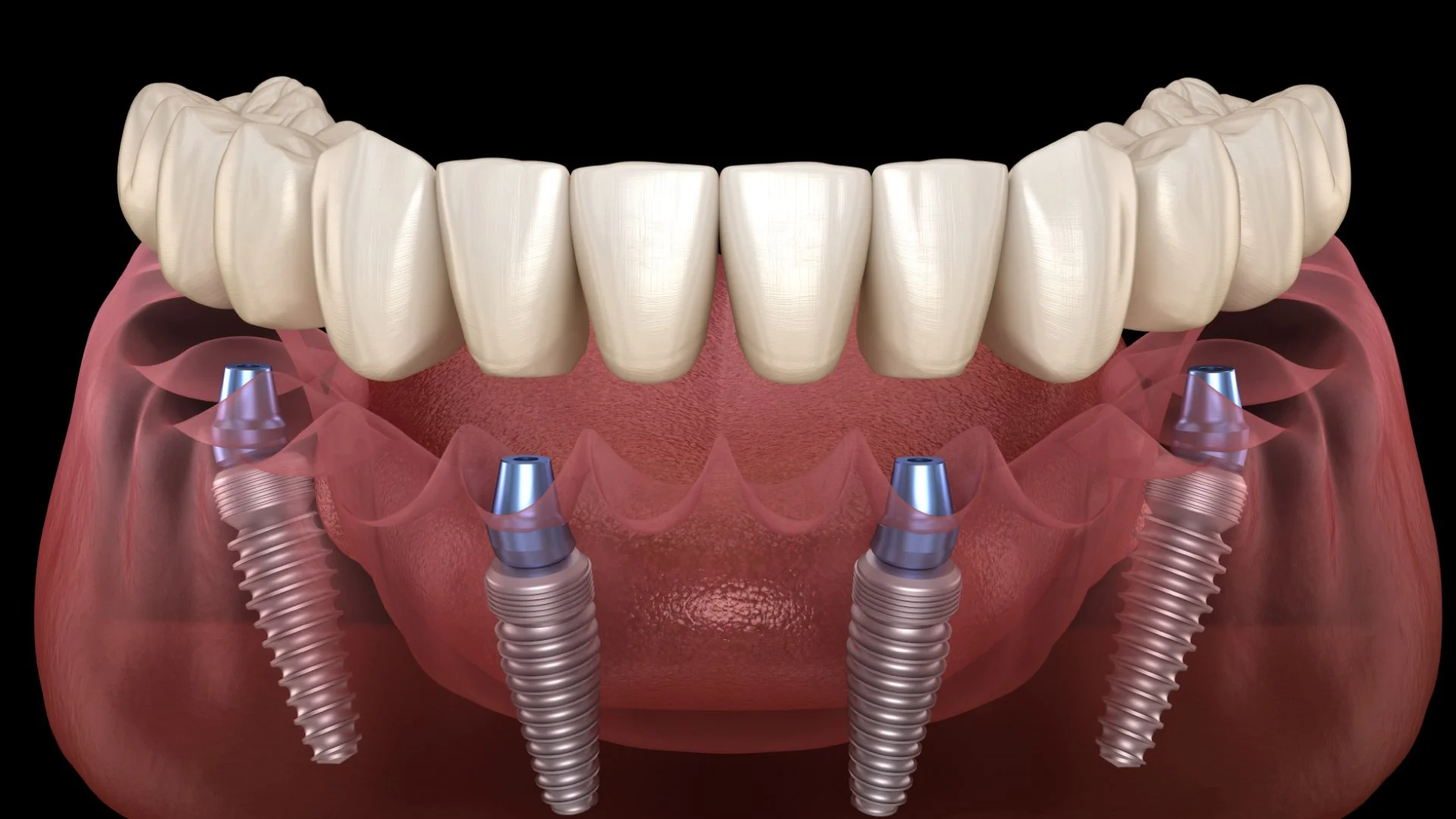
Dental implants are small titanium or ceramic posts placed into the jawbone to act as artificial tooth roots. Once healed, a crown is attached to the implant, creating a fully functional replacement tooth.

A complete dental implant consists of three parts:

  • Implant fixture (root placed in the bone)

  • Abutment (connector piece)

  • Dental crown (visible tooth)

This structure mimics a natural tooth more closely than any other replacement option.

Why Dental Implants Are Considered the Best Tooth Replacement

1. They Look and Feel Like Natural Teeth

Dental implants are designed to blend seamlessly with your existing teeth. The crown is custom-made to match your smile in shape, size, and colour.

Most patients report that implants feel so natural they forget they ever lost a tooth.

2. They Preserve Jawbone Health

When a tooth is lost, the jawbone begins to shrink due to lack of stimulation. Dental implants are the only tooth replacement option that stimulates the bone like a natural tooth root.

This helps:

  • Prevent bone loss

  • Maintain facial structure

  • Avoid premature ageing of the face

3. Long-Lasting and Durable

With proper care, dental implants can last decades—and often a lifetime.

Compared to other options:

  • Dentures may need frequent replacement

  • Bridges typically last 7–15 years

  • Implants can last 20+ years or longer

This makes them one of the most cost-effective long-term solutions.

4. No Damage to Adjacent Teeth

Dental bridges require neighbouring teeth to be shaved down for support. Implants do not rely on surrounding teeth, meaning:

  • No alteration of healthy teeth

  • Independent support structure

  • Better long-term oral health

5. Improved Chewing Ability

Dental implants restore near-normal bite strength, allowing you to eat comfortably and confidently.

Patients can enjoy:

  • Crunchy foods

  • Chewy foods

  • A wider variety of diet options

This is a major advantage over removable dentures.

6. Prevents Denture Discomfort and Slipping

Unlike removable dentures, implants are fixed in place. This eliminates common denture issues such as:

  • Slipping while speaking

  • Difficulty eating certain foods

  • Adhesive dependency

  • Gum irritation

7. Supports Clear Speech

Missing teeth or loose dentures can affect pronunciation. Dental implants restore stable tooth structure, helping improve speech clarity.

8. High Success Rate

Dental implants have a success rate of over 95% when placed in healthy patients and maintained properly. Advances in dental technology continue to improve outcomes and healing times.

Who Is a Good Candidate for Dental Implants?

You may be suitable for implants if you:

  • Have one or more missing teeth

  • Have healthy gums

  • Have adequate jawbone density (or are eligible for bone grafting)

  • Do not have uncontrolled medical conditions

  • Are a non-smoker or willing to reduce smoking

A full dental assessment is required to determine suitability.

The Dental Implant Process

Step 1: Consultation and Planning

Your dentist will assess your teeth, gums, and bone structure using X-rays or 3D scans.

Step 2: Implant Placement

The implant post is surgically placed into the jawbone under local anaesthetic or sedation.

Step 3: Healing Period (Osseointegration)

The bone gradually fuses with the implant over several weeks to months.

Step 4: Crown Placement

A custom-made crown is attached, completing your new tooth.

Are Dental Implants Painful?

Most patients report that the procedure is more comfortable than expected. Local anaesthetic ensures the area is numb, and post-treatment discomfort is usually mild and manageable with over-the-counter pain relief.

Dental Implants vs Other Tooth Replacement Options

Dental Implants

  • Permanent solution

  • Looks and feels natural

  • Preserves bone

  • No impact on nearby teeth

Dental Bridges

  • Faster treatment

  • Requires support from adjacent teeth

  • May need replacement over time

Dentures

  • Removable

  • Lower upfront cost

  • May feel less stable or comfortable

How to Care for Dental Implants

Caring for implants is similar to natural teeth:

  • Brush twice daily

  • Floss or use interdental brushes

  • Attend regular dental check-ups

  • Avoid smoking to protect gum health

Good oral hygiene is essential for long-term success.

Are Dental Implants Worth It?

For most patients, dental implants offer the most complete and long-lasting solution to tooth loss. While the initial investment is higher than other options, their durability, function, and natural feel make them a preferred choice for both patients and dentists.

Restore Your Smile With Confidence

Dental implants are more than just a cosmetic fix—they restore function, protect bone health, and improve quality of life.

If you're missing teeth and looking for a permanent solution, book a consultation with our dental team to see if implants are right for you.