All-on-4 vs All-on-6 Dental Implants: Which Is Better?

If you have lost most or all of your teeth, you may have heard about All-on-4 and All-on-6 dental implants.

Both treatment options can provide a fixed solution for people who are missing multiple teeth. Unlike traditional removable dentures, implant-supported teeth are designed to be securely attached to dental implants placed into the jawbone.

But which option is better: All-on-4 or All-on-6 dental implants?

The answer depends on your individual dental condition, the amount and quality of available bone, your bite, your oral health and your long-term treatment goals.

There is no single implant treatment that is right for every patient.

What Are All-on-4 Dental Implants?

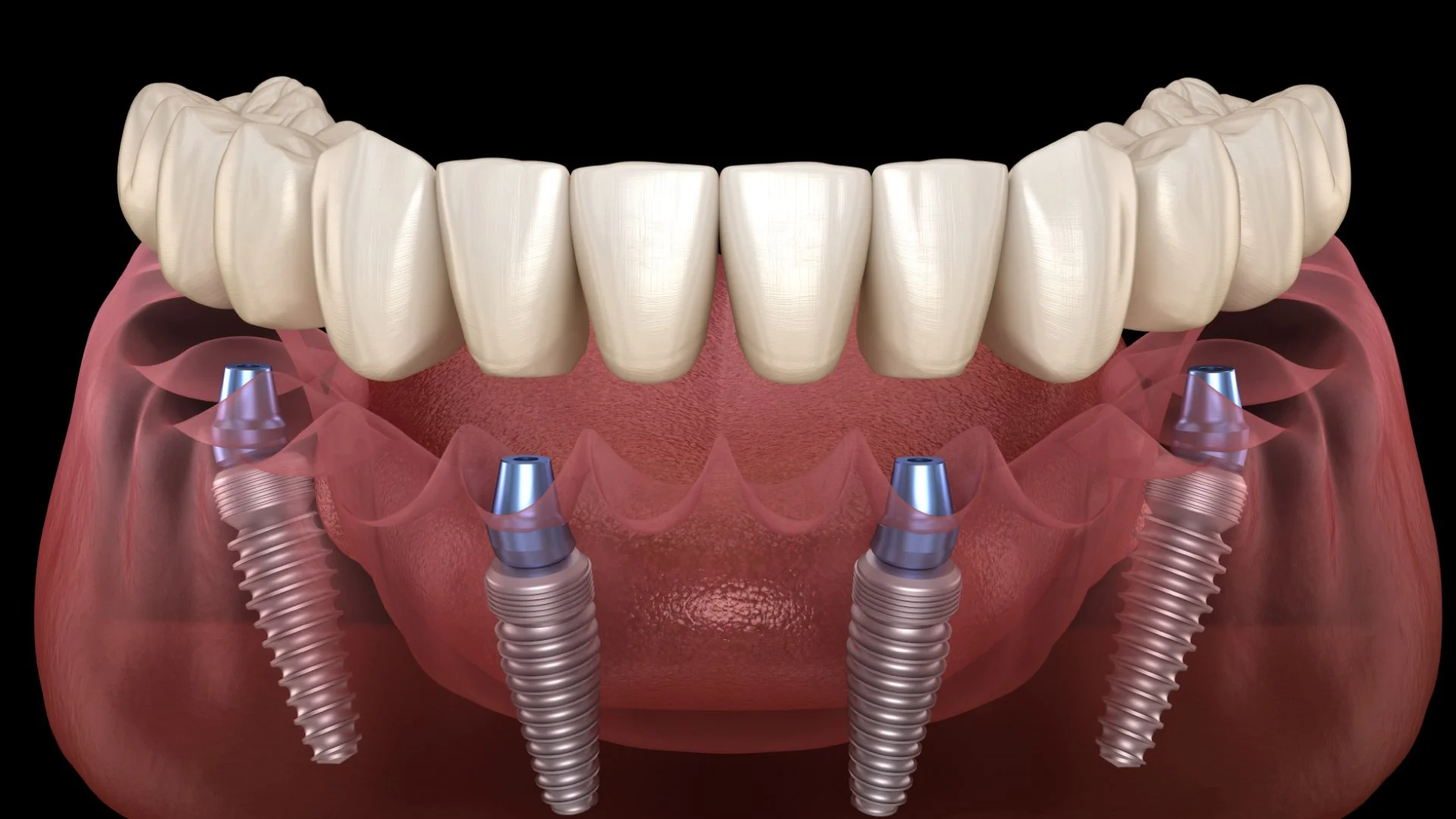
All-on-4 dental implants use four strategically positioned dental implants to support a fixed full-arch restoration.

The treatment is designed to replace an entire arch of missing or severely damaged teeth with a fixed set of teeth supported by dental implants.

All-on-4 may be considered for patients who:

  • Have lost most or all of their teeth

  • Have severely damaged or failing teeth

  • Have reduced bone availability in some areas

  • Want a fixed alternative to removable dentures

  • May benefit from strategically positioned implants

The suitability of All-on-4 depends on the patient's individual anatomy and treatment requirements.

What Are All-on-6 Dental Implants?

All-on-6 dental implants use six dental implants to support a full arch of fixed teeth.

The additional implants may provide increased support and distribute biting forces across more implant sites.

All-on-6 may be considered for patients who:

  • Have sufficient bone for six implants

  • May benefit from additional implant support

  • Have higher biting forces

  • Have a history of heavy teeth grinding or clenching

  • Require a treatment plan designed around additional implant support

However, having more implants does not automatically mean that All-on-6 is better for every patient.

All-on-4 vs All-on-6: What Is the Difference?

The main difference between the two treatment options is the number of dental implants used to support the replacement teeth.

All-on-4 dental implants use four strategically positioned implants to support a fixed full arch of teeth.

All-on-6 dental implants use six implants to support a full arch of fixed teeth. The additional implants may provide increased support and distribute biting forces across more implant sites in selected patients.

The most suitable treatment depends on factors such as:

  • The amount and quality of available bone

  • The condition of the gums

  • Your bite and chewing forces

  • Whether you grind or clench your teeth

  • Your overall oral health

  • The condition of any remaining teeth

  • Your long-term treatment goals

A comprehensive assessment is needed to determine which option is most appropriate for your individual situation.

Is All-on-6 Better Than All-on-4?

Not necessarily.

All-on-6 provides two additional implants, which may offer additional support and force distribution in selected patients.

However, All-on-4 may be a more suitable option for some patients depending on their:

  • Bone volume

  • Bone density

  • Jaw anatomy

  • Existing teeth

  • Gum health

  • Bite forces

  • Teeth grinding

  • Overall health

  • Treatment goals

The right treatment should be determined after a comprehensive dental assessment rather than simply choosing the option with the greatest number of implants.

Which Is Stronger: All-on-4 or All-on-6?

Both All-on-4 and All-on-6 can provide a fixed full-arch solution when properly planned and carried out in suitable patients.

All-on-6 uses more implants, which may provide additional support and distribute biting forces across more implant sites.

However, the long-term function of full-arch implant treatment depends on many factors, including:

  • Implant positioning

  • Bone quality

  • Oral hygiene

  • Bite forces

  • The design of the restoration

  • Regular maintenance

  • Teeth grinding or clenching

The quality of the treatment planning is extremely important.

Is All-on-4 Suitable If I Have Bone Loss?

Some patients with bone loss may still be suitable for full-arch implant treatment.

However, the amount and location of bone loss must be carefully assessed.

Depending on your individual situation, treatment may involve:

  • Strategic implant placement

  • Bone grafting

  • Sinus augmentation where appropriate

  • Other forms of bone augmentation

  • Alternative implant planning

A CBCT scan may be recommended when planning complex dental implant treatment. This type of imaging can provide detailed information about the available bone and important anatomical structures.

Is All-on-6 Better for People Who Grind Their Teeth?

Patients who grind or clench their teeth may place increased forces on their teeth and dental implants.

In some cases, additional implant support may be considered as part of treatment planning. However, the number of implants is only one factor.

A patient with bruxism may also require consideration of:

  • Bite forces

  • Jaw function

  • Implant positioning

  • The design of the final teeth

  • Protection of the restoration

  • Management of teeth grinding

If you grind or clench your teeth, it is important to discuss this with your dentist before implant treatment.

How Long Does All-on-4 or All-on-6 Treatment Take?

The treatment timeline varies between patients.

Factors that may influence treatment time include:

  • The condition of your existing teeth

  • Bone volume and quality

  • The need for bone grafting

  • Gum health

  • The need for extractions

  • The type of temporary teeth used

  • Healing time

  • The design and manufacture of the final restoration

Some patients may receive temporary fixed teeth during the treatment process, while the final restoration is completed after the implants have had time to integrate with the jawbone.

Your dentist should provide a personalised treatment timeline based on your clinical situation.

Are All-on-4 and All-on-6 Dental Implants Painful?

Dental implant treatment is performed using appropriate local anaesthesia. Sedation may also be an option for selected patients who experience dental anxiety or require more extensive treatment.

After treatment, some swelling, bruising or discomfort may occur.

Your dental team will provide instructions regarding recovery and pain management.

The experience varies between patients and depends on the complexity of the procedure.

How Much Do All-on-4 and All-on-6 Dental Implants Cost?

The cost of full-arch implant treatment varies significantly depending on the individual treatment plan.

Factors that may affect the cost include:

  • The number of implants

  • Extractions

  • Bone grafting

  • Implant components

  • Temporary teeth

  • The final prosthesis

  • Sedation

  • Diagnostic imaging

  • Laboratory costs

  • Additional restorative treatment

The most accurate way to determine the cost is through a comprehensive consultation and treatment plan.

A low initial price may not always represent the total cost of treatment, so it is important to understand exactly what is included in your treatment plan.

All-on-4 vs All-on-6: Which One Is Right for Me?

The best treatment depends on your individual circumstances.

You may be more suited to All-on-4 if:

  • Four strategically placed implants can provide adequate support

  • Your bone anatomy is suitable

  • You require a fixed full-arch solution

  • Your treatment plan is designed around four implant sites

You may be more suited to All-on-6 if:

  • You have sufficient bone for six implants

  • Additional implant support may be beneficial

  • You have significant biting forces

  • Your treatment plan requires greater distribution of forces

These are general considerations only. A comprehensive assessment is necessary to determine the most appropriate treatment for you.

What Happens During an All-on-4 or All-on-6 Consultation?

A dental implant consultation may include:

  1. A discussion about your dental concerns and treatment goals.

  2. An examination of your teeth, gums and jaw.

  3. An assessment of your bite and chewing function.

  4. An evaluation of your existing teeth.

  5. Dental imaging, including CBCT imaging where clinically indicated.

  6. An assessment of bone availability.

  7. A discussion of possible treatment options.

  8. An explanation of the expected treatment process, costs and timeline.

A personalised treatment plan can then be developed based on your individual needs.

Can I Have All-on-4 or All-on-6 Dental Implants Under Sedation?

Some patients may benefit from sedation during dental implant treatment.

Sedation may be particularly helpful for patients who:

  • Experience dental anxiety

  • Have difficulty sitting through lengthy dental procedures

  • Require extensive treatment

  • Have had negative dental experiences in the past

Your suitability for sedation should be assessed as part of your treatment planning.

Frequently Asked Questions

Is All-on-4 cheaper than All-on-6?

All-on-4 uses fewer implants, but the total cost depends on the entire treatment plan, including the restoration, surgery, imaging, bone grafting and other required procedures.

Is All-on-6 more secure than All-on-4?

Both treatments can provide a secure fixed solution when appropriately planned. All-on-6 may provide additional implant support in selected cases, but suitability depends on the individual patient.

Can I get All-on-4 if I have bone loss?

Some patients with bone loss may still be suitable for All-on-4. The amount and location of available bone must be assessed carefully.

Can All-on-4 or All-on-6 replace all my teeth?

Yes. Both treatment concepts are designed to support a fixed full-arch restoration that can replace an entire arch of missing or severely damaged teeth.

How long do All-on-4 and All-on-6 implants last?

Dental implants can provide long-term tooth replacement when properly planned, maintained and cared for. Regular dental reviews and good oral hygiene are important for long-term results.

What happens if one implant fails?

The appropriate management depends on the individual circumstances, including the number of remaining implants, the condition of the bone and the design of the restoration. Your implant dentist can discuss the risks and treatment options as part of your consultation.

All-on-4 and All-on-6 Dental Implants in Sydney

Choosing between All-on-4 and All-on-6 dental implants is an important decision.

The right treatment is not simply determined by choosing the option with the greatest number of implants. A comprehensive assessment is needed to evaluate your teeth, gums, jawbone, bite, oral health and long-term goals.

At Pain Free Dentist Sydney, we provide personalised dental implant consultations for patients considering full-arch implant treatment.

We can assess your individual situation and discuss whether All-on-4, All-on-6 or another treatment option may be appropriate for you.

If you are considering full-mouth dental implants or are struggling with severely damaged or missing teeth, contact us to arrange a consultation.

📞 Call Pain Free Dentist Sydney on 9558 8988.

Serving patients in Dulwich Hill, Hurlstone Park and Sydney's Inner West.

Can Teeth Grinding Cause Headaches, Jaw Pain and Worn Teeth?

Do you wake up with a headache, sore jaw or sensitive teeth? Do you notice that your teeth appear shorter, flatter or more worn than they used to be?

You may be experiencing bruxism, the medical term for grinding or clenching your teeth.

Teeth grinding is common and can happen during the day or while you sleep. Some people are aware that they grind their teeth, while others may only discover the problem after developing headaches, jaw pain, tooth sensitivity or noticeable tooth wear.

Over time, excessive teeth grinding can place significant stress on your teeth, jaw muscles and temporomandibular joints (TMJs).

What Is Teeth Grinding?

Teeth grinding, or bruxism, involves involuntary clenching, grinding or forceful contact between the teeth.

It may occur:

  • During sleep

  • While awake

  • During periods of stress or concentration

  • When lifting weights or performing strenuous activities

  • As a response to certain habits or physical factors

Sleep bruxism can be particularly difficult to identify because many people are unaware that they grind their teeth during the night.

A partner or family member may notice grinding sounds, or a dentist may identify signs of excessive wear during a dental examination.

Can Teeth Grinding Cause Headaches?

Yes. Teeth grinding can contribute to headaches, particularly headaches that occur in the morning.

When you clench or grind your teeth, the muscles responsible for chewing may remain active for extended periods. These muscles connect with surrounding structures in the face, temples and head.

Excessive muscle activity can contribute to:

  • Morning headaches

  • Temple pain

  • Forehead pain

  • Facial pain

  • Pressure around the eyes

  • Tension-type headaches

Some people may also experience headaches that become worse during periods of stress or after a night of poor sleep.

If you regularly wake up with headaches, especially together with jaw soreness or tooth sensitivity, teeth grinding may be one possible contributing factor.

However, headaches can have many different causes. A proper assessment is important to determine whether bruxism, TMJ dysfunction or another condition may be contributing to your symptoms.

Can Teeth Grinding Cause Jaw Pain?

Yes. Repeated clenching and grinding can place excessive stress on the muscles and joints involved in jaw movement.

Symptoms may include:

  • Jaw pain

  • Soreness when chewing

  • Pain when opening the mouth

  • Jaw clicking or popping

  • Jaw stiffness

  • Difficulty opening the mouth fully

  • Jaw locking

  • Facial muscle tension

The temporomandibular joints are located on either side of the face, just in front of the ears. These joints allow the jaw to open, close and move from side to side.

Excessive forces from clenching and grinding may contribute to inflammation, muscle overactivity and stress on the jaw joints.

Can Teeth Grinding Wear Down Your Teeth?

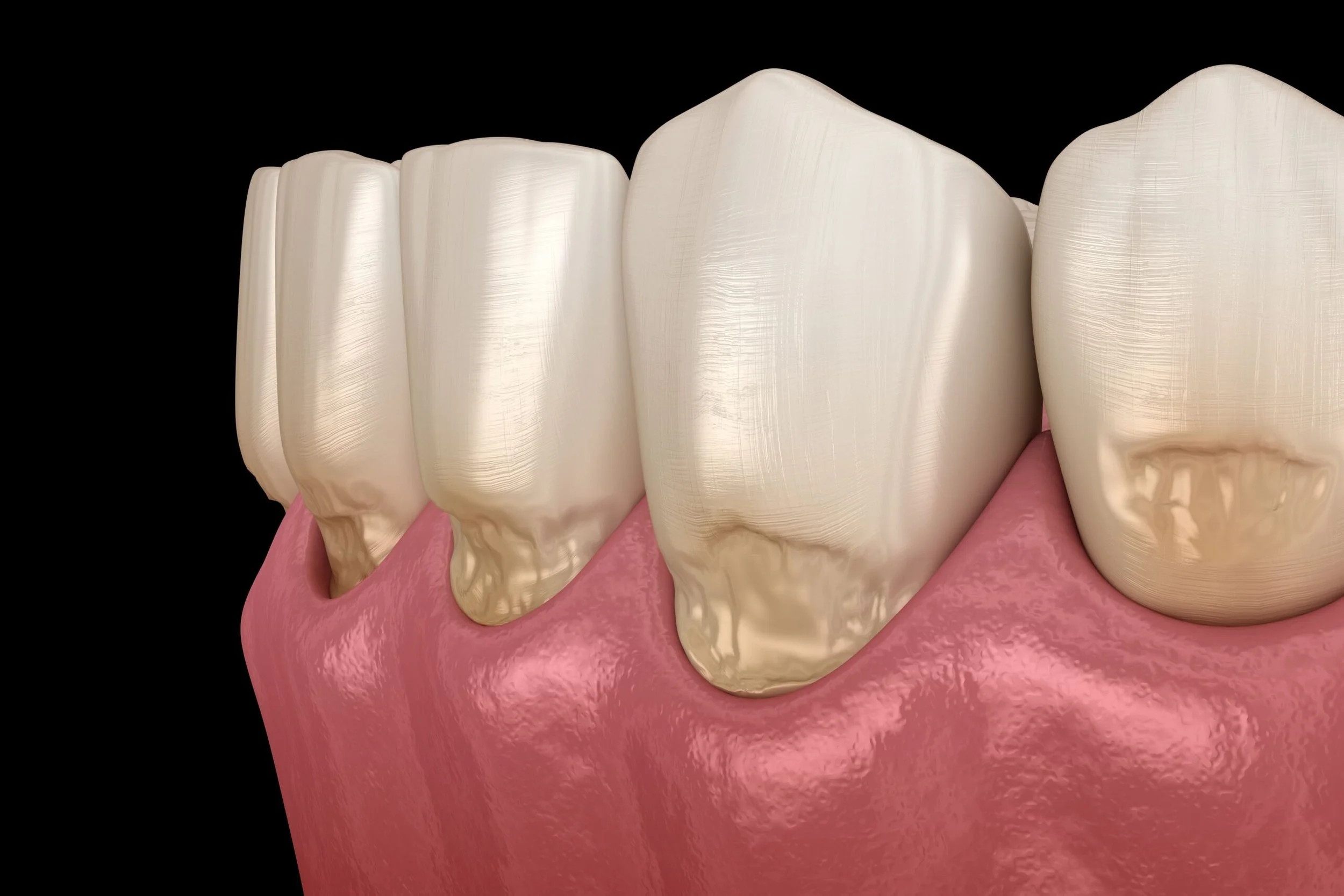
Yes. One of the most visible effects of long-term bruxism is tooth wear.

Signs of tooth wear may include:

  • Flattened biting surfaces

  • Shorter-looking teeth

  • Chipped enamel

  • Cracked teeth

  • Increased tooth sensitivity

  • Small fractures in the teeth

  • Loss of tooth structure

Over time, significant tooth wear can affect the appearance and function of the teeth.

In some cases, severe wear may also affect the way the upper and lower teeth come together.

Why Do People Grind Their Teeth?

There is no single cause of teeth grinding.

Possible contributing factors include:

Stress and Anxiety

Emotional stress can increase muscle tension and may contribute to clenching and grinding.

Some people clench their teeth during the day without realising it, particularly when concentrating or feeling stressed.

Sleep Disturbances

Sleep-related factors may contribute to nighttime teeth grinding.

Some people who grind their teeth may also experience sleep-disordered breathing, snoring or other sleep-related problems.

If teeth grinding is accompanied by loud snoring, gasping during sleep, mouth breathing or significant daytime tiredness, further assessment may be appropriate.

Jaw and Bite Factors

The relationship between the teeth, jaw muscles and jaw joints can influence how forces are distributed during chewing and clenching.

An assessment may help identify whether the bite, tooth position or jaw function may be contributing to excessive stress.

Lifestyle Factors

Certain lifestyle factors may also contribute to increased muscle activity and teeth grinding, including:

  • Stress

  • Poor sleep

  • Excessive caffeine

  • Alcohol consumption

  • Certain medications

The cause of bruxism can vary from person to person.

How Do I Know If I Grind My Teeth at Night?

You may not be aware that you grind your teeth while sleeping.

Possible signs include:

  • Waking with jaw pain

  • Morning headaches

  • Sore teeth

  • Tooth sensitivity

  • Worn or flattened teeth

  • Chipped teeth

  • Jaw clicking or popping

  • A partner hearing grinding sounds

  • Tight or tired jaw muscles

A dentist may also identify signs of bruxism during a dental examination.

Can Teeth Grinding Cause TMJ Problems?

Teeth grinding may contribute to stress on the temporomandibular joints and surrounding muscles.

Some people with bruxism develop symptoms such as:

  • Jaw pain

  • Clicking or popping

  • Headaches

  • Ear pain

  • Facial pain

  • Neck tension

  • Limited jaw movement

However, not everyone who has jaw clicking or pain grinds their teeth, and not everyone who grinds their teeth develops TMJ symptoms.

This is why it is important to assess the individual patient rather than treating every case in exactly the same way.

How Is Teeth Grinding Diagnosed?

A dental and TMJ assessment may include:

  • Discussion of your symptoms

  • Examination of the teeth

  • Assessment of tooth wear

  • Evaluation of the jaw joints

  • Examination of the jaw muscles

  • Assessment of jaw movement

  • Review of clenching and grinding habits

  • Evaluation of sleep-related symptoms

  • Dental imaging where clinically indicated

The aim is to identify the possible contributing factors and understand how the teeth, jaw muscles and joints are functioning.

How Is Teeth Grinding Treated?

Treatment depends on the severity and contributing factors.

Custom Dental Splint Therapy

A professionally designed custom splint may help protect the teeth and manage forces associated with clenching and grinding.

A splint should be carefully assessed and appropriately fitted for the individual patient.

Myofunctional Therapy

Myofunctional therapy may be recommended in selected cases to help address factors related to:

  • Tongue posture

  • Breathing

  • Swallowing

  • Oral muscle function

The appropriate approach depends on the individual patient's symptoms and assessment.

Addressing Sleep and Airway Factors

Some patients who grind their teeth may also have symptoms associated with sleep-disordered breathing.

If you snore, mouth-breathe, wake frequently during the night or feel excessively tired during the day, discussing these symptoms with a qualified healthcare professional may be appropriate.

Further assessment may sometimes involve collaboration with other healthcare professionals.

Botox for Jaw Muscle Overactivity

In selected cases, Botox may be considered to help reduce excessive activity in certain jaw muscles.

This may be considered for patients with significant muscle tension, clenching or related jaw pain.

Botox is not suitable for every patient and should be considered as part of an individualised treatment plan.

Restorative Dental Treatment

If teeth have been significantly worn, cracked or damaged, restorative treatment may be required to restore their structure and function.

Treatment may include options such as:

  • Composite restorations

  • Crowns

  • Other restorative dental procedures

The appropriate treatment depends on the amount of tooth structure remaining and the overall condition of the teeth.

Can Teeth Grinding Be Cured?

The answer depends on the underlying cause.

For some people, symptoms can be significantly reduced by addressing contributing factors and protecting the teeth.

For others, bruxism may be a long-term condition that requires ongoing management.

The goal of treatment is often to:

  • Reduce excessive forces

  • Protect the teeth

  • Reduce muscle tension

  • Improve jaw function

  • Manage pain

  • Identify contributing factors

A personalised assessment is important because there is no single treatment that is appropriate for every person who grinds their teeth.

When Should I See a Dentist for Teeth Grinding?

You should consider arranging an assessment if you experience:

  • Regular morning headaches

  • Jaw pain or stiffness

  • Teeth grinding or clenching

  • Worn or flattened teeth

  • Chipped or cracked teeth

  • Tooth sensitivity

  • Jaw clicking or popping

  • Difficulty opening your mouth

  • Jaw locking

  • Facial pain

Early assessment may help identify signs of tooth wear and excessive jaw muscle activity before more significant damage occurs.

Frequently Asked Questions

Why do I wake up with a headache and sore jaw?

Morning headaches and jaw soreness may be associated with nighttime teeth grinding or clenching. Other causes are also possible, so an appropriate assessment is recommended.

Can stress cause teeth grinding?

Stress can contribute to clenching and grinding in some people. Stress management and identifying other contributing factors may form part of an overall treatment plan.

Can teeth grinding damage my teeth permanently?

Yes. Long-term, excessive grinding can cause irreversible loss of tooth structure, cracks and other damage.

Is a night guard the same as a TMJ splint?

Not necessarily. Different appliances are designed for different purposes. The appropriate appliance depends on the patient's symptoms, jaw function, bite and clinical assessment.

Can Botox help with teeth grinding?

Botox may help reduce excessive muscle activity in selected patients. It is not appropriate for every case and should be assessed individually.

Can teeth grinding cause ear pain or tinnitus?

Jaw muscle and TMJ problems can sometimes be associated with ear-related symptoms, including ear pain or tinnitus. However, ear symptoms can have many possible causes and should be properly assessed.

Teeth Grinding and Jaw Pain in Sydney

If you grind or clench your teeth, wake up with headaches or experience jaw pain, an assessment may help identify the possible causes and contributing factors.

At Pain Free Dentist Sydney, we assess patients experiencing symptoms associated with teeth grinding, jaw pain, TMJ dysfunction and excessive muscle tension.

Treatment may involve a personalised approach that considers the teeth, jaw joints, muscles, bite, breathing and other relevant factors.

If you are experiencing teeth grinding, headaches, jaw pain or worn teeth, contact us to arrange an assessment.

📞 Call Pain Free Dentist Sydney on 9558 8988.

Serving patients in Dulwich Hill, Hurlstone Park and Sydney's Inner West.

Dental Emergency Sydney: What To Do When You Have Severe Tooth Pain

Severe tooth pain can happen suddenly and can make it difficult to sleep, eat, work or concentrate. Whether your toothache started overnight, after biting into something hard, or has gradually become worse, severe dental pain should not be ignored.

A painful tooth can sometimes be caused by a relatively minor problem, but severe pain may also indicate an infection, dental abscess, cracked tooth, nerve inflammation or another condition requiring urgent dental treatment.

If you are experiencing severe tooth pain in Sydney, knowing what to do next can help protect your tooth and prevent the problem from becoming more serious.

What Is Considered a Dental Emergency?

A dental emergency is any dental problem that requires prompt assessment and treatment to relieve severe pain, control infection, stop bleeding or prevent further damage.

Common dental emergencies include:

  • Severe or persistent toothache

  • Dental abscess or infection

  • Facial or gum swelling

  • A broken or cracked tooth

  • A knocked-out permanent tooth

  • Uncontrolled bleeding after dental treatment

  • A loose or displaced dental crown

  • Severe pain after dental treatment

  • A jaw injury or trauma

  • Difficulty opening the mouth because of pain or swelling

If you are experiencing severe pain, it is best to arrange a dental assessment rather than waiting for the problem to resolve on its own.

What Should I Do If I Have Severe Tooth Pain?

1. Arrange an Urgent Dental Appointment

The most important step is to have the cause of your pain properly assessed.

Tooth pain can be caused by different problems, including:

  • Tooth decay

  • An inflamed or infected dental nerve

  • A dental abscess

  • A cracked or fractured tooth

  • Gum infection

  • Wisdom tooth problems

  • Trauma

  • Teeth grinding or clenching

  • Temporomandibular joint problems

The correct treatment depends on the cause. A dental examination and, where clinically necessary, dental X-rays can help identify the source of the pain.

2. Do Not Ignore Severe Tooth Pain

Some people delay visiting the dentist because their pain temporarily improves. However, pain disappearing does not necessarily mean the underlying problem has resolved.

For example, an infected tooth may initially cause severe pain. If the nerve inside the tooth becomes severely damaged or dies, the pain may temporarily reduce. However, the infection can continue and may later cause swelling or a dental abscess.

Early assessment may provide more treatment options and may help prevent the problem from becoming more complicated.

3. Keep the Area Clean

Continue gently brushing and flossing around the affected area, unless doing so causes significant pain or bleeding.

Food trapped between teeth can sometimes make dental pain worse, particularly when there is inflammation around a tooth or gum.

Rinsing gently with warm salt water may also provide temporary comfort for some people. However, home remedies do not replace professional dental treatment.

4. Avoid Extreme Temperatures

If your tooth is sensitive, try to avoid very hot or very cold food and drinks.

You may also find it helpful to avoid:

  • Very sweet foods

  • Hard or crunchy foods

  • Chewing directly on the painful side

These measures may reduce irritation while you arrange an appointment.

When Is Tooth Pain a Dental Emergency?

Severe tooth pain should be assessed promptly, particularly if it is associated with other symptoms.

Seek urgent dental care if you experience:

  • Severe or worsening pain

  • Facial swelling

  • Swelling around the gums

  • Fever or feeling generally unwell

  • Difficulty swallowing

  • Difficulty breathing

  • Pus or a bad taste in the mouth

  • A broken or fractured tooth

  • A knocked-out tooth

  • Pain that prevents you from sleeping or functioning normally

Difficulty breathing or swallowing, rapidly increasing facial swelling or signs of a serious infection may require immediate medical attention.

What Causes Severe Tooth Pain?

Tooth Decay

A cavity can gradually progress deeper into a tooth. When decay reaches the inner part of the tooth containing the dental nerve, it may cause severe sensitivity or spontaneous toothache.

You may experience pain when:

  • Drinking cold or hot beverages

  • Eating sweet foods

  • Biting down

  • Lying down at night

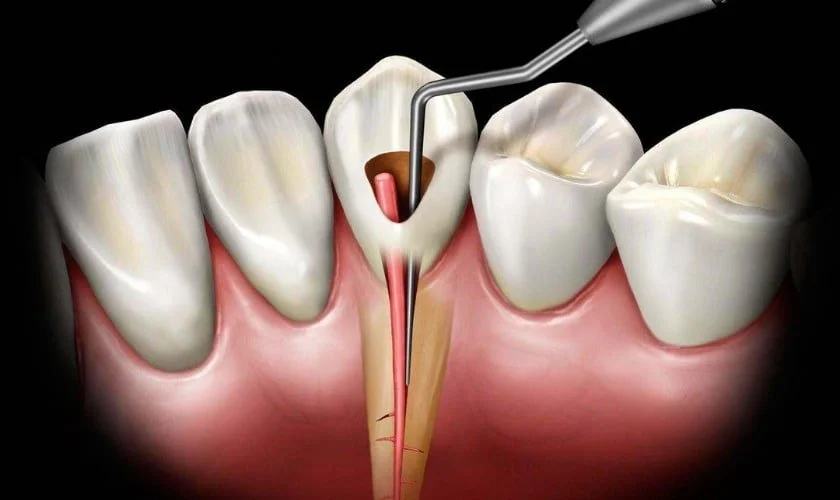
If decay has progressed significantly, treatment may involve a filling, root canal treatment or removal of the tooth, depending on the condition of the tooth.

Dental Infection or Abscess

A dental abscess is an infection that can cause intense, throbbing pain.

Possible symptoms include:

  • Severe toothache

  • Gum swelling

  • Facial swelling

  • A bad taste in the mouth

  • Sensitivity to pressure

  • Fever

  • Difficulty opening the mouth

A dental abscess should be assessed promptly. Treatment may involve addressing the source of the infection, which can include dental treatment such as root canal treatment or extraction where appropriate.

Cracked or Broken Tooth

A cracked tooth may cause sharp pain when biting or releasing your bite. Some cracks can be difficult to see, especially when they occur below the gum line.

A broken or cracked tooth may require:

  • A filling or bonded restoration

  • A crown

  • Root canal treatment

  • Other restorative treatment

  • Extraction in cases where the tooth cannot be saved

The earlier a damaged tooth is assessed, the sooner treatment options can be considered.

Wisdom Tooth Problems

Wisdom teeth can cause pain when they become impacted, partially erupted or surrounded by inflamed gum tissue.

Symptoms may include:

  • Pain at the back of the mouth

  • Swollen gums

  • Difficulty opening the mouth

  • Bad taste or bad breath

  • Pain when chewing

  • Swelling around the jaw

Wisdom tooth pain should be assessed to determine whether the tooth can be managed or whether further treatment is required.

Teeth Grinding and Clenching

Not all dental pain is caused by infection or tooth decay.

Grinding and clenching can place significant stress on the teeth, jaw muscles and temporomandibular joints. This may cause:

  • Jaw pain

  • Tooth sensitivity

  • Headaches

  • Facial pain

  • Worn or cracked teeth

  • Pain when chewing

If your toothache is accompanied by jaw pain, headaches or significant teeth grinding, a TMJ assessment may be appropriate.

What Should I Do If My Tooth Has Been Knocked Out?

If a permanent tooth has been knocked out, seek urgent dental care.

If possible:

  1. Handle the tooth by the crown, not the root.

  2. Avoid scrubbing the root.

  3. If the tooth is dirty, gently rinse it.

  4. Keep the tooth moist.

  5. Seek urgent dental treatment as soon as possible.

The sooner a knocked-out permanent tooth is assessed, the better the chance of considering appropriate treatment options.

A baby tooth should not generally be placed back into the socket. Seek professional advice instead.

What Should I Do If My Tooth Is Broken?

If you break or chip a tooth:

  • Save any broken pieces if possible.

  • Avoid chewing on the affected side.

  • Keep the area clean.

  • Arrange a dental assessment.

  • Seek urgent treatment if there is severe pain, bleeding or swelling.

A broken tooth may sometimes be repaired, but the appropriate treatment depends on how much of the tooth has been damaged and whether the dental nerve has been affected.

Can a Tooth Infection Go Away by Itself?

A tooth infection should not be assumed to have gone away simply because the pain improves.

Dental infections often require treatment to address the source of the infection. Depending on the condition of the tooth, treatment may include root canal treatment, restoration or extraction.

Antibiotics may sometimes be prescribed when clinically appropriate, but antibiotics alone do not always resolve the underlying cause of an infected tooth.

A dental examination is important to determine the appropriate treatment.

How Can I Relieve Severe Tooth Pain While Waiting for a Dentist?

While waiting for professional assessment, you may find temporary relief by:

  • Avoiding foods that trigger pain

  • Eating softer foods

  • Avoiding very hot or cold drinks

  • Keeping the area clean

  • Applying a cold compress externally if there is swelling

  • Taking suitable over-the-counter pain relief according to the product directions and your own medical circumstances

Do not place aspirin directly on the gum or tooth, as this can irritate or damage the soft tissues.

If you have medical conditions, allergies, take other medications or are unsure which pain relief is suitable for you, consult a pharmacist or medical professional.

When Should I Go to Hospital Instead of Waiting for a Dentist?

Some symptoms require urgent medical attention.

Seek immediate medical assistance if you have:

  • Difficulty breathing

  • Difficulty swallowing

  • Rapidly increasing facial or neck swelling

  • Severe systemic illness

  • Uncontrolled bleeding

  • Significant facial trauma

These symptoms can potentially indicate a serious condition requiring urgent medical management.

How Can an Emergency Dentist Help?

An emergency dental appointment may involve:

  1. Discussing your symptoms and medical history.

  2. Examining your teeth, gums and surrounding tissues.

  3. Assessing the source and severity of the pain.

  4. Taking dental X-rays where clinically indicated.

  5. Providing appropriate treatment or temporary pain relief.

  6. Developing a plan to address the underlying dental problem.

The goal is not only to relieve pain but also to identify and treat the cause of the emergency.

Dental Emergency Sydney: When Should You Call a Dentist?

If you have severe tooth pain, facial swelling, a broken tooth, a dental abscess or another urgent dental problem, do not wait until the symptoms become unbearable.

Prompt dental assessment may help identify the cause of the problem and determine whether the tooth can be treated and preserved.

At Pain Free Dentist Sydney, patients experiencing dental pain can discuss their symptoms and receive an appropriate dental assessment. Our practice provides a calm and patient-focused environment for people who may be anxious about dental treatment or concerned about pain.

If you are experiencing severe tooth pain or believe you have a dental emergency, contact a dentist as soon as possible to arrange an assessment.

Frequently Asked Questions

What is the fastest way to stop severe tooth pain?

The fastest way to obtain lasting relief is to identify and treat the underlying cause. Pain relief may provide temporary comfort, but severe tooth pain caused by infection, decay or a damaged tooth often requires professional dental treatment.

Is severe tooth pain always an emergency?

Not every toothache requires hospital treatment, but severe, persistent or worsening pain should be assessed promptly, especially if it is associated with swelling, fever, infection or difficulty opening the mouth.

Can a dentist save a severely painful tooth?

In many cases, a painful tooth can be treated and preserved. The appropriate treatment depends on the extent of decay, infection, cracking or damage.

Can a dental abscess be dangerous?

A dental abscess can become serious if an infection spreads. Facial swelling, fever, difficulty swallowing or difficulty breathing require urgent attention.

Should I wait until morning if I have severe tooth pain?

If your symptoms are severe, worsening or associated with swelling or other concerning symptoms, seek urgent professional advice rather than ignoring the problem.

How much does an emergency dentist cost in Sydney?

The cost of emergency dental treatment depends on the examination, X-rays and treatment required. An assessment is usually needed before the total treatment cost can be determined.

Need an Emergency Dentist in Sydney?

If you are experiencing severe tooth pain, a dental infection, facial swelling, a broken tooth or another dental emergency, contact Pain Free Dentist Sydney for an assessment.

📞 Call us today on 9558 8988 to discuss your dental emergency and arrange an appointment.

We proudly provide calm, patient-focused dental care for patients in Dulwich Hill, Hurlstone Park and Sydney's Inner West.