Can a Tongue Tie Affect Breathing, Sleep and Jaw Development?

A tongue tie, also known as ankyloglossia, occurs when the tissue connecting the underside of the tongue to the floor of the mouth restricts the tongue's movement.

Many people associate tongue tie only with breastfeeding difficulties in babies.

However, a restricted tongue may also affect oral function in some children and adults.

Depending on the individual anatomy and degree of restriction, a tongue tie may be associated with difficulties involving:

  • Tongue movement

  • Swallowing

  • Oral posture

  • Breathing

  • Sleep

  • Jaw development

  • Speech

  • Dental function

If you are wondering whether a tongue tie could be affecting your breathing, sleep or jaw development, a comprehensive assessment may help determine whether the restriction is clinically significant.

What Is a Tongue Tie?

A tongue tie occurs when the lingual frenulum, the tissue beneath the tongue, restricts the movement of the tongue.

Tongue ties can vary significantly.

Some are obvious, while others may be more subtle and only become apparent when the tongue is assessed during movement and function.

A tongue tie may affect:

  • How far the tongue can extend

  • How high the tongue can lift

  • The ability to maintain proper tongue posture

  • Swallowing patterns

  • Oral muscle function

The appearance of the frenulum alone does not necessarily determine whether treatment is required.

The function of the tongue is also important.

Can a Tongue Tie Affect Breathing?

In some individuals, restricted tongue movement may make it more difficult to maintain an optimal tongue position.

The tongue normally rests against the palate when the mouth is closed.

If the tongue cannot comfortably achieve an appropriate resting position, some people may develop compensatory patterns such as:

  • Mouth breathing

  • Low tongue posture

  • Open-mouth posture

Mouth breathing can have many possible causes, including nasal obstruction, allergies and airway problems.

A tongue tie may be one contributing factor in selected patients.

A proper assessment is necessary to understand the underlying cause.

Can a Tongue Tie Cause Mouth Breathing?

A tongue tie does not automatically cause mouth breathing.

However, in some patients, restricted tongue movement may be associated with altered oral posture and function.

Mouth breathing may also be associated with:

  • Nasal congestion

  • Allergies

  • Enlarged tonsils

  • Nasal obstruction

  • Airway problems

  • Habitual breathing patterns

If a child or adult regularly breathes through their mouth, the underlying cause should be investigated.

Can a Tongue Tie Affect Sleep?

Some patients with restricted tongue movement may also experience sleep-related symptoms.

These may include:

  • Snoring

  • Restless sleep

  • Mouth breathing during sleep

  • Dry mouth in the morning

  • Frequent waking

  • Poor sleep quality

A tongue tie is not the only possible cause of these symptoms.

Sleep problems can be associated with a range of factors affecting the nose, throat, airway, jaw and overall health.

If sleep-disordered breathing or sleep apnoea is suspected, appropriate medical and sleep assessment is important.

Can a Tongue Tie Cause Snoring?

A tongue tie may be a contributing factor in some patients, but it is not the cause of all snoring.

Snoring may occur when airflow becomes restricted during sleep.

Factors that may contribute include:

  • Tongue position

  • Jaw position

  • Nasal obstruction

  • Enlarged tonsils

  • Soft tissue anatomy

  • Sleep position

  • Airway narrowing

A comprehensive airway and oral function assessment may help identify relevant factors.

Can a Tongue Tie Affect Jaw Development?

The development of the jaws is influenced by many factors.

These may include:

  • Genetics

  • Breathing patterns

  • Tongue posture

  • Oral muscle function

  • Chewing

  • Swallowing

  • Growth and development

In some children, altered tongue posture and oral function may be associated with changes in how the jaws develop.

However, a tongue tie alone does not determine the development of the jaw.

Each child should be assessed individually.

Can a Tongue Tie Cause a Narrow Palate?

A narrow palate can have multiple contributing factors.

These may include:

  • Genetics

  • Nasal breathing difficulties

  • Mouth breathing

  • Tongue posture

  • Oral muscle function

In some patients, restricted tongue movement may make it difficult to maintain an appropriate tongue posture against the palate.

This may be one factor that needs to be considered as part of a broader assessment.

Can a Tongue Tie Affect Swallowing?

Yes, a restricted tongue may affect swallowing function in some individuals.

A person may develop compensatory movements involving the tongue, lips or facial muscles.

Possible signs may include:

  • Difficulty moving the tongue

  • Tongue thrusting

  • Excessive lip movement when swallowing

  • Facial muscle tension

  • Difficulty maintaining proper tongue posture

A functional assessment may help determine whether a tongue restriction is affecting swallowing.

Tongue Tie in Babies

Tongue tie is often identified in babies because of feeding difficulties.

Possible symptoms may include:

  • Difficulty latching

  • Poor milk transfer

  • Clicking during feeding

  • Prolonged feeding

  • Maternal nipple pain during breastfeeding

  • Poor weight gain

Not every baby with a tongue tie requires treatment.

Assessment should consider the baby's feeding function and overall circumstances.

Tongue Tie in Children

As children grow, a tongue restriction may become more noticeable through functional difficulties.

Possible signs may include:

  • Difficulty elevating the tongue

  • Mouth breathing

  • Low tongue posture

  • Snoring

  • Difficulty swallowing

  • Speech concerns

  • Oral muscle compensation

A multidisciplinary assessment may be appropriate depending on the symptoms.

Tongue Tie in Adults

Tongue tie can also affect adults.

Some adults may have lived with a restricted tongue for many years without realising it.

Possible symptoms may include:

  • Difficulty maintaining tongue posture

  • Mouth breathing

  • Snoring

  • Sleep concerns

  • Jaw tension

  • Neck tension

  • Swallowing difficulties

  • Speech concerns

  • TMJ symptoms

A tongue tie may be one contributing factor among several.

Can Tongue Tie Cause TMJ Problems?

A restricted tongue may affect oral muscle function and swallowing patterns in some patients.

This may contribute to compensatory muscle activity in the jaw, face and neck.

Some patients with tongue restrictions also experience:

  • Jaw tension

  • Teeth grinding

  • Jaw pain

  • Headaches

  • TMJ symptoms

However, TMJ disorders have many possible causes.

A tongue tie should not automatically be assumed to be the cause of jaw pain.

A comprehensive assessment is important.

What Is a Tongue Tie Release?

A tongue tie release is a procedure designed to release or modify the restrictive tissue beneath the tongue.

The procedure may be performed using different techniques depending on the patient's age, anatomy and clinical circumstances.

In selected cases, laser treatment may be considered.

The suitability of a tongue tie release depends on:

  • The degree of restriction

  • The functional symptoms

  • The patient's age

  • The overall treatment goals

  • The patient's medical history

Is Tongue Tie Release Always Necessary?

No.

Not every tongue tie requires treatment.

The decision should be based on the patient's symptoms and functional limitations rather than appearance alone.

A thorough assessment should consider:

  • Tongue movement

  • Tongue posture

  • Breathing

  • Swallowing

  • Sleep

  • Oral function

Is Myofunctional Therapy Needed After Tongue Tie Release?

In selected patients, myofunctional therapy may be recommended.

The purpose may be to help the patient develop improved patterns involving:

  • Tongue posture

  • Tongue movement

  • Swallowing

  • Breathing

  • Oral muscle function

The need for therapy depends on the individual patient.

A tongue release may address the physical restriction, while therapy may help address functional patterns that have developed over time.

Can Tongue Tie Release Improve Sleep?

Some patients may report improvements in breathing or sleep after appropriate treatment.

However, sleep problems have many possible causes.

A tongue tie release should not be considered a guaranteed treatment for snoring or sleep apnoea.

Patients with suspected sleep-disordered breathing should receive appropriate assessment.

How Is a Tongue Tie Assessed?

A comprehensive assessment may include:

  • Examination of the tongue

  • Assessment of tongue movement

  • Evaluation of tongue posture

  • Assessment of swallowing

  • Review of breathing patterns

  • Discussion of sleep symptoms

  • Examination of the jaw and oral structures

Depending on the patient's symptoms, referral to other healthcare professionals may also be recommended.

Frequently Asked Questions

Can a tongue tie affect breathing?

A tongue tie may affect tongue posture and oral function in some patients. However, breathing problems have many possible causes and require individual assessment.

Can a tongue tie cause snoring?

A tongue restriction may be one contributing factor in some patients. Snoring can also be caused by many other factors involving the nose, throat and airway.

Can a tongue tie affect jaw development?

Tongue posture, breathing and oral function may influence jaw development, but jaw growth is affected by many different factors.

Does every tongue tie need to be released?

No. Treatment should be based on symptoms, function and the overall clinical assessment.

Can adults have a tongue tie?

Yes. Some adults have a restricted tongue that may affect oral function, breathing, swallowing or sleep.

Is myofunctional therapy needed after tongue tie release?

Some patients may benefit from therapy to help improve tongue posture and function. The need for therapy depends on the individual situation.

Tongue Tie, Breathing and Sleep Assessment in Sydney

A tongue tie may affect more than just tongue movement.

In selected patients, restricted tongue function may be associated with altered tongue posture, mouth breathing, swallowing difficulties, snoring, sleep concerns or jaw symptoms.

However, these symptoms can have many possible causes.

At Pain Free Dentist Sydney, we assess babies, children and adults with concerns about tongue tie, oral function, breathing, sleep and jaw development.

Depending on your individual needs, assessment may include evaluation of tongue movement, oral function, breathing patterns and related dental and jaw factors.

If you are concerned about a tongue tie affecting breathing, sleep or jaw development, contact us to arrange an assessment.

📞 Call Pain Free Dentist Sydney on 9558 8988.

Serving patients in Dulwich Hill, Hurlstone Park and Sydney's Inner West.

How Can I Stop Snoring? Can a Dentist Help?

Snoring is extremely common, but it is not always harmless.

For some people, snoring is simply an occasional annoyance. For others, it may be a sign of restricted airflow or an underlying sleep-related breathing disorder.

If you are wondering “How can I stop snoring?”, you may also be asking:

Can a dentist help with snoring?

In some cases, a dentist with training and experience in dental sleep medicine may be able to help assess your airway and discuss appropriate treatment options.

What Causes Snoring?

Snoring occurs when airflow through the nose and throat becomes partially restricted during sleep.

As air passes through narrowed tissues, the surrounding tissues may vibrate and create the sound of snoring.

Possible contributing factors include:

  • A blocked or congested nose

  • Sleeping on your back

  • Relaxation of the throat muscles during sleep

  • Excess soft tissue in the airway

  • A narrow upper jaw or palate

  • Jaw position

  • Mouth breathing

  • Enlarged tonsils or other anatomical factors

  • Alcohol or sedative use before sleep

  • Being overweight

  • Sleep apnoea

The cause of snoring can vary significantly between individuals.

Is Snoring Normal?

Occasional snoring is common.

However, frequent or loud snoring may require further assessment, particularly if it is associated with symptoms such as:

  • Gasping during sleep

  • Choking during sleep

  • Pauses in breathing

  • Waking with headaches

  • Excessive daytime tiredness

  • Poor concentration

  • Dry mouth in the morning

These symptoms may indicate a possible sleep-related breathing disorder.

Can Snoring Be a Sign of Sleep Apnoea?

Yes.

Snoring is one of the most common symptoms associated with obstructive sleep apnoea.

Obstructive sleep apnoea occurs when the airway becomes repeatedly narrowed or blocked during sleep.

This can cause interruptions to normal breathing.

Possible symptoms include:

  • Loud snoring

  • Pauses in breathing during sleep

  • Gasping or choking

  • Morning headaches

  • Daytime fatigue

  • Poor concentration

  • Waking with a dry mouth

Not everyone who snores has sleep apnoea, and not everyone with sleep apnoea snores loudly.

If you have symptoms suggestive of sleep apnoea, appropriate medical assessment is important.

Can a Dentist Help With Snoring?

Yes, a dentist with experience in sleep dentistry may be able to help assess certain factors that contribute to snoring and sleep-related breathing problems.

A dental sleep assessment may consider:

  • The jaw

  • The teeth

  • The bite

  • The palate

  • The tongue

  • The airway

  • Oral anatomy

Depending on your symptoms, a dentist may also recommend a sleep study or referral to another healthcare professional.

How Can a Dental Appliance Help With Snoring?

For selected patients, a custom oral appliance may help improve airflow during sleep.

A mandibular advancement device is designed to hold the lower jaw and associated tissues in a position that may help reduce airway narrowing.

This may help reduce snoring for some suitable patients.

The effectiveness of an oral appliance depends on factors such as:

  • The cause of the snoring

  • The anatomy of the airway

  • The severity of the condition

  • The position of the jaw

  • The patient's individual response

A custom appliance should be assessed and fitted appropriately.

Can a Dentist Help If I Have Sleep Apnoea?

In some cases, yes.

Treatment for obstructive sleep apnoea depends on the severity and individual circumstances.

Possible treatment options may include:

  • CPAP therapy

  • A custom oral appliance

  • Lifestyle changes

  • Medical treatment

  • Surgery in selected cases

A dentist may be involved in providing a custom oral appliance for suitable patients.

Patients with suspected or diagnosed sleep apnoea should receive appropriate assessment and treatment recommendations.

What Is a Mandibular Advancement Device?

A mandibular advancement device is a custom dental appliance worn during sleep.

It is designed to help position the lower jaw forward.

This may help increase the space available for airflow in some patients.

A custom device is generally designed according to the patient's individual dental and jaw anatomy.

Your dentist will assess whether an oral appliance is suitable for you.

Can Snoring Be Caused by Mouth Breathing?

Mouth breathing may be associated with snoring in some individuals.

During sleep, breathing through the mouth may contribute to dryness and changes in the position of the tongue and jaw.

Possible causes of mouth breathing may include:

  • Nasal congestion

  • Allergies

  • Nasal obstruction

  • Airway problems

  • Habitual mouth breathing

If you regularly breathe through your mouth during sleep, the underlying cause may require assessment.

Can Jaw Position Affect Snoring?

The position of the jaw may influence the size and shape of the airway.

In some patients, a lower jaw that sits further back may contribute to narrowing of the airway during sleep.

A dental and airway assessment may help identify whether jaw position may be a contributing factor.

Can a Narrow Palate Contribute to Snoring?

A narrow upper jaw or palate may be associated with restricted nasal breathing and other airway-related problems in some patients.

The relationship between the palate, nasal airway, tongue and jaw can be complex.

A comprehensive assessment may help determine whether these factors are relevant to your symptoms.

What Can I Do to Stop Snoring?

Depending on the cause, strategies that may help include:

Sleep on Your Side

Some people snore more when sleeping on their back.

Sleeping on your side may help reduce snoring for some individuals.

Manage Nasal Congestion

If nasal congestion contributes to difficulty breathing, addressing the underlying cause may help.

Medical assessment may be appropriate for persistent nasal obstruction.

Avoid Alcohol Before Sleep

Alcohol may relax the muscles of the upper airway and may worsen snoring in some people.

Maintain a Healthy Weight

For some individuals, weight management may help reduce snoring and improve sleep-related breathing.

Seek Assessment for Sleep Apnoea

If you experience loud snoring, gasping, choking or breathing pauses during sleep, seek appropriate assessment.

Consider a Custom Oral Appliance

A custom dental appliance may be an option for selected patients after an appropriate assessment.

How Is Snoring Assessed?

A sleep and airway assessment may involve:

  • Discussion of your symptoms

  • Sleep history

  • Assessment of snoring patterns

  • Examination of the teeth and jaw

  • Evaluation of the airway

  • Assessment of the tongue and palate

  • Review of previous sleep studies

A sleep study may be recommended where clinically appropriate.

Can Children Snore?

Yes.

Children may snore for a variety of reasons.

Persistent snoring in children should not be ignored, particularly if it is associated with:

  • Mouth breathing

  • Restless sleep

  • Pauses in breathing

  • Daytime tiredness

  • Behavioural changes

Children with persistent snoring may require appropriate medical and dental assessment.

Frequently Asked Questions

How can I stop snoring naturally?

The most effective approach depends on the cause. Sleeping position, addressing nasal congestion, maintaining a healthy weight and avoiding alcohol before sleep may help some people.

Can a dentist really help with snoring?

Yes. A dentist trained in sleep dentistry may assess dental, jaw and airway factors and may provide a custom oral appliance for suitable patients.

Can a dental appliance stop snoring?

A custom oral appliance may help reduce snoring in selected patients. Its effectiveness depends on the underlying cause and individual anatomy.

Is snoring always sleep apnoea?

No. However, loud or persistent snoring combined with gasping, choking or breathing pauses may indicate possible sleep apnoea and should be assessed.

Can I use a mouthguard for snoring?

A regular sports mouthguard is not designed to treat snoring. A custom oral appliance designed for sleep-related breathing problems may be more appropriate for selected patients.

Should I see a dentist or doctor for snoring?

This depends on your symptoms. A dentist with experience in sleep dentistry may assess dental and airway factors. If sleep apnoea is suspected, medical assessment and appropriate sleep testing may also be required.

Snoring and Sleep Dentistry in Sydney

If you are asking “How can I stop snoring?”, the first step is understanding why you snore.

For some patients, snoring may be associated with the jaw, teeth, tongue, palate or airway.

At Pain Free Dentist Sydney, we assess patients experiencing snoring, mouth breathing and sleep-related concerns.

Depending on your symptoms, assessment may include evaluation of your dental and airway anatomy and discussion of appropriate treatment options.

For suitable patients, a custom oral appliance may help manage snoring or certain sleep-related breathing conditions.

If you snore regularly or are concerned about your sleep and breathing, contact us to arrange an assessment.

📞 Call Pain Free Dentist Sydney on 9558 8988.

Serving patients in Dulwich Hill, Hurlstone Park and Sydney's Inner West.

What Is IV Sedation Dentistry and Who Is It For?

Many people avoid going to the dentist because they feel anxious or afraid.

For some patients, even the thought of dental treatment can cause significant stress. Others may have had a negative dental experience in the past or require extensive treatment that may take several hours.

IV sedation dentistry may be an option for suitable patients who want a more relaxed dental treatment experience.

But what exactly is IV sedation, and who is it suitable for?

What Is IV Sedation Dentistry?

IV sedation, also known as intravenous sedation, involves administering sedative medication through a vein.

The medication helps patients feel relaxed and calm during dental treatment.

Depending on the level of sedation, you may remain conscious and able to communicate with the dental team while feeling significantly more relaxed.

Many patients have little memory of the procedure afterwards, although the experience varies between individuals.

IV sedation is different from general anaesthesia. With sedation, the patient is generally not fully unconscious.

Who May Benefit From IV Sedation Dentistry?

IV sedation may be considered for suitable patients who:

  • Experience significant dental anxiety

  • Have a fear of dental treatment

  • Have had a traumatic dental experience

  • Have difficulty becoming numb

  • Have a strong gag reflex

  • Require lengthy or complex dental treatment

  • Have difficulty sitting comfortably through dental procedures

  • Prefer a more relaxed treatment experience

Your suitability for IV sedation depends on your individual health, medical history and treatment requirements.

Is IV Sedation Suitable for Dental Anxiety?

Dental anxiety is very common.

Some patients may feel anxious about:

  • The dental chair

  • Dental instruments

  • The sound of the drill

  • Needles

  • Pain

  • Previous dental experiences

  • Losing control during treatment

IV sedation may help reduce anxiety and promote a calmer experience.

For some patients, sedation can make it easier to receive dental treatment that they may otherwise continue to avoid.

What Dental Treatments Can Be Performed Under IV Sedation?

Depending on your individual circumstances, IV sedation may be considered for a range of dental procedures.

These may include:

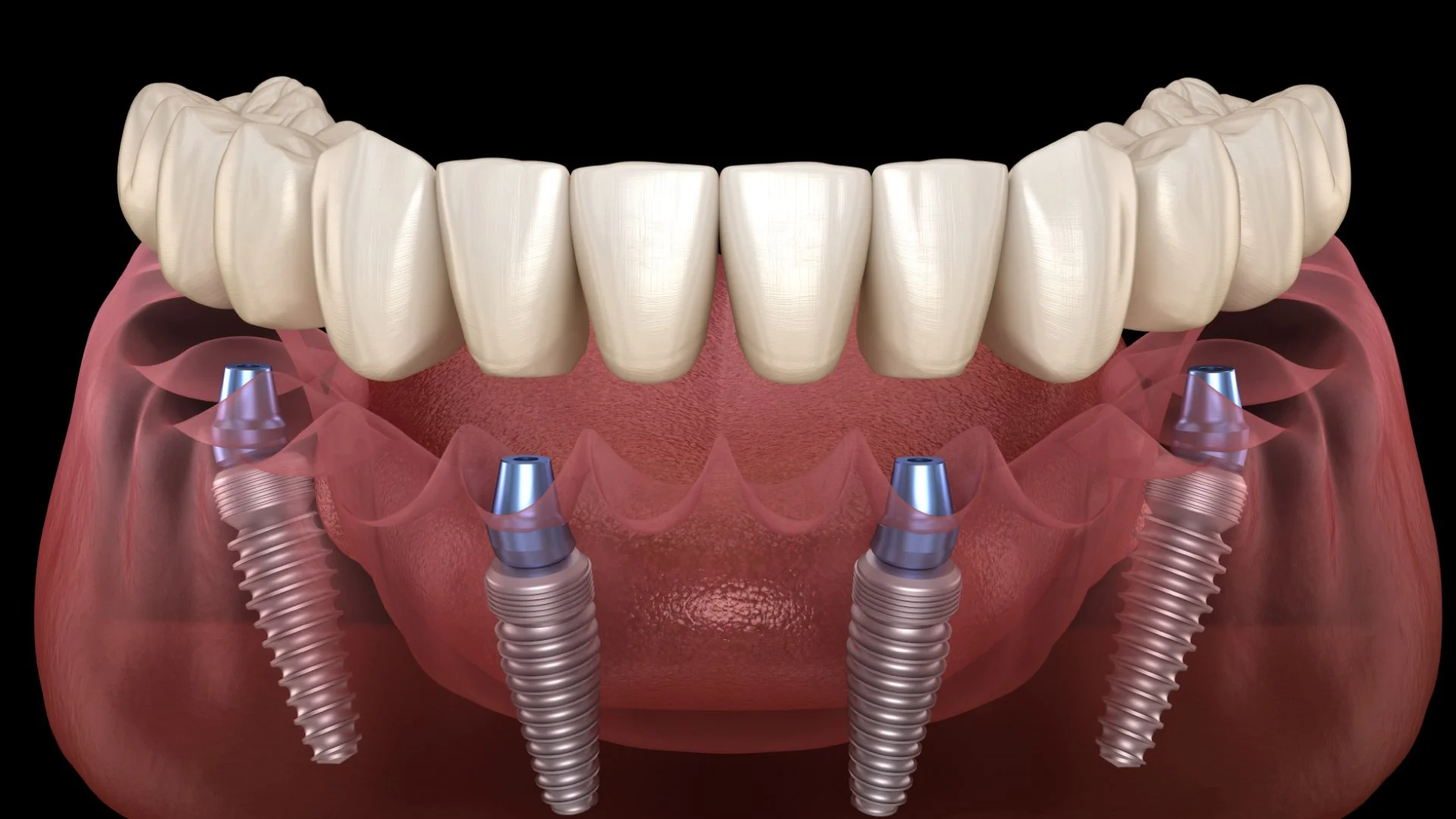
  • Dental implants

  • Wisdom tooth removal

  • Oral surgery

  • Multiple extractions

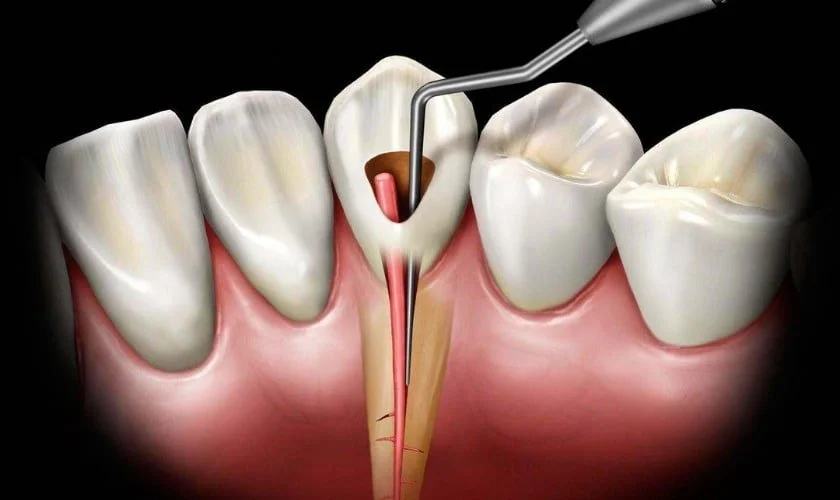
  • Root canal treatment

  • Extensive restorative dentistry

  • Full-mouth rehabilitation

  • Treatment for patients with severe dental anxiety

The suitability of IV sedation depends on the type and complexity of the procedure and the patient's medical history.

What Happens During IV Sedation?

Before treatment, your dental team will review your medical history and discuss the procedure with you.

During treatment:

  1. The sedation medication is administered through an intravenous line.

  2. Your level of sedation is carefully monitored.

  3. Local anaesthetic is used to numb the area being treated.

  4. The dental procedure is performed.

  5. You are monitored during recovery after treatment.

The aim is to help you feel calm and comfortable while allowing the dental team to safely complete the planned treatment.

Are You Awake During IV Sedation?

Usually, patients receiving IV sedation are not completely unconscious.

You may be able to respond to questions and communicate with the dental team.

However, you may feel deeply relaxed and may have limited memory of the procedure afterwards.

The level of sedation varies depending on the medication, the treatment and the individual patient.

Is IV Sedation the Same as General Anaesthesia?

No.

IV sedation and general anaesthesia are different.

With IV sedation, the patient is generally relaxed and may remain responsive.

General anaesthesia involves a deeper level of unconsciousness and requires a different type of medical management.

Your dental team can explain which option is appropriate for your treatment.

Do I Still Need Local Anaesthetic With IV Sedation?

Yes.

IV sedation helps with relaxation and anxiety, but local anaesthetic is generally used to numb the teeth and gums during dental treatment.

The combination of sedation and local anaesthetic can help create a more comfortable treatment experience.

Is IV Sedation Safe?

IV sedation can be appropriate for suitable patients when properly assessed and administered by appropriately qualified professionals.

Before treatment, your medical history should be reviewed.

Important information may include:

  • Existing medical conditions

  • Medications

  • Allergies

  • Previous reactions to sedation or anaesthesia

  • Previous medical history

Your dental team will assess whether IV sedation is suitable for you.

How Should I Prepare for IV Sedation?

You will receive specific instructions before your appointment.

These may include fasting instructions.

As a general rule, patients undergoing IV sedation are usually required to fast before treatment, although specific instructions should always be followed.

You should not rely on general online advice instead of the instructions provided by your dental team.

You should also inform your dental team about all medications and relevant medical conditions.

Do I Need Someone to Take Me Home?

Yes.

Patients receiving IV sedation generally require a responsible adult escort after treatment.

You should not drive yourself home after IV sedation.

You may feel drowsy or less alert for some time following treatment.

Your dental team will provide specific instructions about recovery and post-treatment activities.

What Does IV Sedation Feel Like?

The experience varies between patients.

Many people describe feeling:

  • Relaxed

  • Calm

  • Sleepy

  • Less aware of the dental treatment

Some patients may remember very little about the procedure afterwards.

The aim is to help reduce anxiety and improve the patient's ability to tolerate dental treatment.

Can IV Sedation Help With a Fear of Needles?

Some patients who are anxious about needles may still benefit from sedation.

However, the process of placing the IV line needs to be discussed with your dental team.

Your dentist can explain the process and discuss strategies to help you feel more comfortable.

Can Children Have IV Sedation?

Sedation options for children depend on their age, medical history, treatment requirements and the type of procedure.

The appropriate sedation option must be determined by appropriately qualified professionals following an individual assessment.

Can IV Sedation Be Used for Dental Implants?

Yes, IV sedation may be considered for suitable patients undergoing dental implant treatment.

It may be particularly helpful for patients who:

  • Have dental anxiety

  • Require multiple implants

  • Need extensive surgery

  • Are undergoing a lengthy procedure

Your implant dentist can discuss whether sedation may be appropriate as part of your treatment plan.

Can IV Sedation Be Used for Wisdom Tooth Removal?

Selected patients may be suitable for IV sedation during wisdom tooth removal.

This may be particularly helpful for patients with:

  • Significant dental anxiety

  • Impacted wisdom teeth

  • Multiple wisdom teeth requiring removal

  • A previous negative dental experience

The complexity of the procedure and the patient's health must be considered.

What Happens After IV Sedation?

After your treatment, you will be monitored during the recovery period.

You may feel:

  • Sleepy

  • Tired

  • Drowsy

  • Less alert than usual

You should follow all post-treatment instructions provided by your dental team.

You should also arrange for an appropriate adult to accompany you home.

Frequently Asked Questions

Will I be completely asleep during IV sedation?

Usually, IV sedation does not involve the same level of unconsciousness as general anaesthesia. You may remain responsive, although you will feel deeply relaxed.

Is IV sedation suitable for everyone?

No. Your medical history, medications, health and dental treatment requirements must be assessed before deciding whether IV sedation is appropriate.

Can I drive after IV sedation?

No. You should arrange for a responsible adult to take you home and follow the specific instructions provided by your dental team.

Can I have dental implants under IV sedation?

Selected patients may be suitable for IV sedation during dental implant treatment.

Is IV sedation better than general anaesthesia?

They are different techniques used for different situations. The appropriate option depends on the patient and the planned treatment.

Can IV sedation help with severe dental anxiety?

IV sedation may help suitable patients feel more relaxed and comfortable during dental treatment.

IV Sedation Dentistry in Sydney

If dental anxiety has prevented you from receiving the treatment you need, IV sedation may be an option worth discussing.

It may be suitable for selected patients undergoing dental implants, wisdom tooth removal, oral surgery, root canal treatment, extensive restorative dentistry or other complex procedures.

At Pain Free Dentist Sydney, we provide dental treatment for patients who experience dental anxiety and require more extensive treatment.

If you are considering IV sedation dentistry, we can assess your individual circumstances and discuss whether sedation may be appropriate for your planned dental treatment.

📞 Call Pain Free Dentist Sydney on 9558 8988.

Serving patients in Dulwich Hill, Hurlstone Park and Sydney's Inner West.