Why Sipping That Coffee Hurts So Much (And How to Fix Tooth Sensitivity for Good)

You love your morning coffee. Or maybe it's a cold glass of water on a hot day. But the moment it touches your teeth, you flinch. That sharp, electric jolt—like a tiny lightning bolt—shoots straight through your jaw.

If you've ever winced while eating ice cream or sipping something warm, you know exactly what we're talking about. And honestly? It's exhausting. You shouldn't have to plan your meals around your teeth.

What's Actually Causing That Zing?

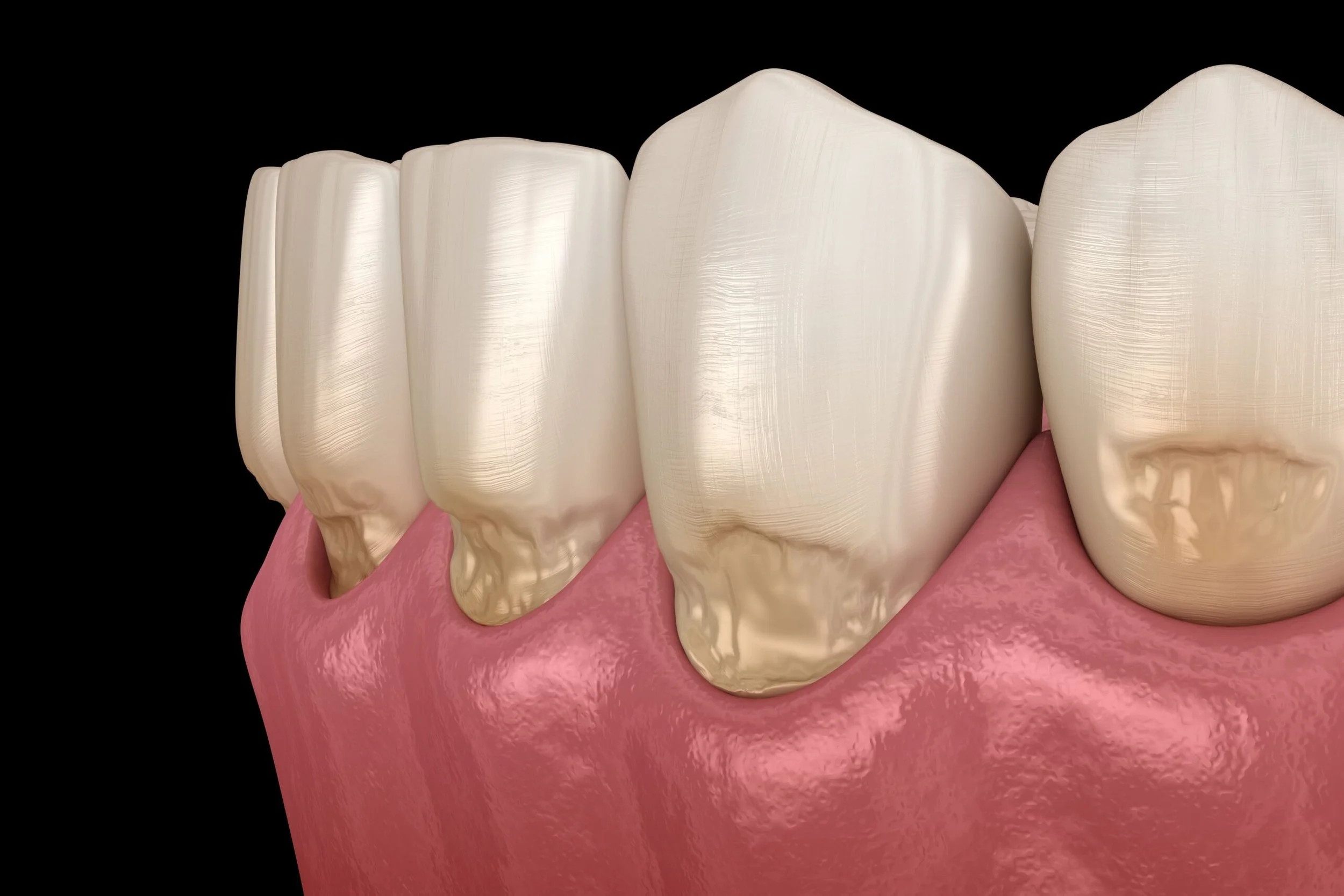
Tooth sensitivity happens when the protective layer of your enamel wears down, or when your gums pull back and expose the sensitive roots underneath. Inside each tooth, there are tiny tubes that lead straight to the nerve. When hot, cold, sweet, or acidic things touch those tubes—zap. Your nerve lets you know immediately.

But Here's the Good News:

Sensitivity isn't permanent. In most cases, it's fixable—and often without any drilling or needles.

What Might Be Causing Yours:

  • Over-brushing: Yes, you can actually brush too hard. That wears down enamel and pushes gums back.

  • Acidic foods and drinks: Citrus, soda, wine—they slowly erode enamel over time.

  • Grinding at night: That constant friction wears down the protective layers.

  • A small cavity: Sometimes sensitivity is simply a tiny area of decay that needs a small filling.

What We Can Do (Gently):

We start with a no-pressure conversation about what triggers your pain. Then we check the enamel and gum levels. Depending on what we find, the fix might be:

  • A desensitizing treatment applied right in the chair.

  • A custom night guard if grinding is the culprit.

  • Small dietary tweaks that protect your enamel.

  • Or a tiny, painless filling if it's a cavity.

You Don't Have to Live With It:

Seriously. Every time you flinch away from food or drink you love, your quality of life takes a hit. That's not okay with us.

📞 Call us: (02) 9558 8988
✉️ Email us: info@painfreedentistsydney.com.au
🌐 Book online anytime: https://painfreedentistsydney.com.au/

Why Your Breath Might Be Trying to Tell You Something (And It's Not Just About What You Ate)

You know that moment. You're talking to someone, and you catch them taking a tiny step back. Or you cup your hand to your mouth, breathe out, and think, "Yep. That's not great."

Most people assume bad breath is just about garlic bread or forgetting to brush. And sure, sometimes it is. But when that freshness fades an hour after brushing and comes right back? That's your body whispering something deeper.

The Real Culprit Most People Miss:

Here's the thing—your mouth is home to millions of bacteria. Most of them are harmless, even helpful. But some of them feed on leftover food particles and release sulfur compounds. That's the smell. And those bacteria love hiding in one specific place people often forget: the very back of the tongue.

Brushing your teeth alone won't fix that. You need to gently scrape or brush your tongue daily—especially the back part where it meets your throat.

Other Things Your Breath Might Be Flagging:

  • Dry mouth: If you breathe through your mouth at night or take certain medications, your saliva production drops. Less saliva means less natural rinsing, which means more odor. Drinking more water and using a humidifier can help.

  • Hidden gum issues: If you have plaque trapped below the gumline, it creates a constant, low-grade odor that brushing won't touch. That's one of the reasons a professional cleaning can make your mouth feel truly clean.

  • Sinus or throat stuff: Post-nasal drip can coat the back of your tongue, feeding those same bacteria. So if your allergies are bad, your breath might be too.

The Simple Routine We Recommend:

  • Brush twice a day with a soft toothbrush.

  • Floss daily (yes, even the back teeth).

  • Scrape your tongue gently—a simple tongue scraper costs almost nothing and makes a huge difference.

  • Drink water regularly, especially between meals.

  • Chew sugar-free gum to stimulate saliva when you can't brush.

That's it. No expensive mouthwashes that just mask the problem. Just honest, simple habits.

When to See Someone About It:

If your breath stays noticeably unpleasant despite doing all of the above for two weeks, it's worth a quick visit. Sometimes it's a small cavity, sometimes it's a gum pocket, and sometimes it's something unrelated to your mouth entirely—like your stomach or sinuses. Either way, we can help you figure it out without embarrassment.

We don't judge. We just help.

If fresh breath feels out of reach, let's figure out why—together. A quiet, no-pressure conversation is all it takes to get started.

📞 Call us: (02) 9558 8988
✉️ Email us: info@painfreedentistsydney.com.au
🌐 Book online anytime: https://painfreedentistsydney.com.au/

Wait… Am I Brushing Wrong? The One Mistake Almost Everyone Makes

Let's be honest for a second. You've been brushing your teeth since you were old enough to hold a toothbrush. You've got the routine down. Morning, night, maybe after coffee if you're feeling fancy.

So why do your gums still bleed sometimes? Why do you still get that fuzzy feeling on your back teeth by mid-afternoon?

Here's a truth that surprises most people: it's not about how hard you brush. It's about how smart you brush.

The Mistake That Changes Everything:

Most people treat their teeth like a floor they're scrubbing—back and forth, side to side, with all the force they can muster. But your teeth aren't tiles. They're delicate, living structures with tiny crevices where plaque loves to hide.

The real secret? Angle your brush at 45 degrees toward your gumline. And use gentle, circular motions—like you're polishing something precious, not scraping burnt food off a pan.

Why This Little Shift Matters So Much:

When you brush too hard or flat, two things happen:

  • You push your gums away over time, exposing sensitive roots.

  • You miss the plaque that's sitting right at the gumline—the very plaque that causes bleeding and inflammation.

Switch to a softer touch and a better angle, and within a week, your gums often stop bleeding on their own. No fancy products. No expensive tools. Just technique.

What About Electric vs. Manual?

Honestly? Both work great—as long as you let the brush do the work. If you use an electric brush, don't press down. Just guide it gently from tooth to tooth and let the vibration clean for you. If you use manual, focus on those circular motions and take your time. Two minutes feels longer than you think—try timing yourself once and see.

One Extra Tip That Changes Everything:

Floss before you brush. It opens up the spaces between teeth so the toothpaste and bristles can actually reach where the gunk hides. Try it for three days and notice how much cleaner your mouth feels.

Want a quick, gentle check on your technique?

We'd love to show you exactly what's working and what might need a tiny tweak. It takes five minutes and could save your gums years of trouble.

📞 Call us: (02) 9558 8988
✉️ Email us: info@painfreedentistsydney.com.au
🌐 Book online anytime: https://painfreedentistsydney.com.au/