For some people, visiting the dentist is a routine part of looking after their health. For others, even thinking about a dental appointment can trigger anxiety, fear and overwhelming stress.
Perhaps you have avoided the dentist for years because of a previous painful experience. Maybe you have an extremely sensitive gag reflex, struggle to keep your mouth open for extended periods or feel uncomfortable with the sounds, sensations and instruments used during dental treatment.
You are not alone.
Dental anxiety is a real concern that affects people of all ages. Unfortunately, it can also create a cycle where avoiding dental appointments allows dental problems to become more complicated, potentially requiring longer and more involved treatment later.
This is where dental sedation can be a game changer.
Sedation dentistry can help suitable patients feel more relaxed and comfortable during dental procedures, making it possible to receive the dental care they might otherwise continue to postpone.
At Pain Free Dentist Sydney, we understand that treating a patient is about more than treating their teeth. It is also about understanding their fears, concerns and individual needs.
Why Are So Many People Afraid of Going to the Dentist?
Dental anxiety can develop for many reasons.
Some patients have experienced painful dental procedures during childhood. Others may have had treatment where they felt they had little control or were unable to communicate their discomfort.
For some, the anxiety is associated with specific sensations, such as the dental drill, injections, vibration, pressure or the feeling of instruments inside the mouth.
Common reasons people avoid dental treatment include:
Fear of pain or dental injections
Previous traumatic dental experiences
Sensitive gag reflex
Fear of choking or difficulty swallowing
Feeling claustrophobic when lying back in the dental chair
Difficulty tolerating dental instruments
Embarrassment about the condition of their teeth
Fear of losing control during treatment
Anxiety about lengthy or complicated procedures
Some patients become so anxious that they cancel appointments repeatedly or avoid seeking treatment until they experience pain.
The problem is that dental conditions do not always cause symptoms in their early stages. By the time discomfort develops, the treatment required may be more extensive.
What Is Dental Sedation?
Dental sedation involves using medication to help patients feel calmer and more comfortable during dental treatment.
Depending on the type of sedation, patients may experience reduced anxiety, relaxation and a decreased awareness of the procedure.
Sedation is particularly useful for selected patients who find conventional dental treatment difficult because of anxiety, gagging, sensitivity or the length and complexity of their treatment.
It is important to understand that sedation is not the same as general anaesthesia. With many sedation techniques, patients remain conscious, although their level of alertness and memory may vary depending on the medication and technique used.
Local anaesthesia is generally still required to prevent pain during dental procedures.
The appropriate sedation method depends on the patient's medical history, anxiety level, planned treatment and individual risk factors.
Why Dental Sedation Can Be Life-Changing
1. It Can Help Overcome Dental Anxiety
One of the biggest advantages of dental sedation is that it can make dental treatment more manageable for people who experience significant anxiety.
Instead of spending the entire appointment feeling tense and anticipating discomfort, suitable patients may experience a much calmer treatment experience.
This can help patients who have avoided dental care for years finally take the first step towards looking after their oral health.
For some, that first comfortable experience can change their relationship with dentistry.
2. It Can Help Patients With a Sensitive Gag Reflex
A sensitive gag reflex can make even routine dental procedures extremely difficult.
Patients may struggle with impressions, X-rays, suction instruments or having dental instruments positioned towards the back of their mouth.
This can be particularly challenging during procedures involving the upper teeth or lengthy restorative treatments.
Sedation may help reduce anxiety and improve tolerance of dental treatment in suitable patients.
However, sedation does not guarantee elimination of the gag reflex, and the treatment team must still manage it appropriately.
3. It Can Make Lengthy Dental Procedures More Manageable
Some dental procedures require considerable time in the dental chair.
Examples include:
Multiple dental fillings
Full-mouth restorative treatment
Dental implant surgery
All-on-4 dental implant procedures
Multiple extractions
Complex restorative rehabilitation
Extensive dental treatment for patients with significant anxiety
For patients who struggle with prolonged appointments, sedation may help make the experience more manageable.
It can also allow the dental team to work within an appropriately planned treatment session, depending on the patient's suitability and the procedure involved.
4. It Can Help Patients With Previous Traumatic Dental Experiences
Not all dental anxiety is caused by fear of pain.
Some patients associate dental treatment with previous distressing experiences. They may feel vulnerable when lying in the dental chair, become overwhelmed by certain sounds or sensations, or experience anxiety simply from entering a dental clinic.
A supportive dental environment, clear communication and appropriate sedation can help these patients feel more comfortable.
It is important that patients feel listened to, respected and involved in their treatment decisions.
5. It Can Help Patients Who Have Avoided Dental Treatment for Years
One of the most rewarding aspects of sedation dentistry is helping patients who have not visited a dentist for a long time.
Some patients present with multiple dental concerns because their anxiety has prevented them from seeking treatment.
They may need several restorations, extractions, periodontal treatment or a comprehensive treatment plan.
Rather than judging patients for the condition of their teeth, the focus should be on understanding why they have avoided treatment and helping them move forward.
Sedation may provide an opportunity for these patients to receive the care they need in a more comfortable and controlled environment.
What Types of Dental Sedation Are Available?
Different sedation methods are available depending on the patient's needs, medical history and treatment requirements.
Nitrous Oxide Sedation
Nitrous oxide, commonly known as laughing gas, is inhaled through a nasal mask.
It can help reduce anxiety and produce a relaxed feeling during dental treatment.
Patients generally remain awake and responsive, and the effects usually wear off relatively quickly after administration is stopped.
Oral Sedation
Oral sedation involves taking prescribed medication before dental treatment.
It may help reduce anxiety and produce relaxation or drowsiness. The level of sedation varies between patients, and appropriate monitoring and discharge arrangements are necessary.
Intravenous (IV) Dental Sedation
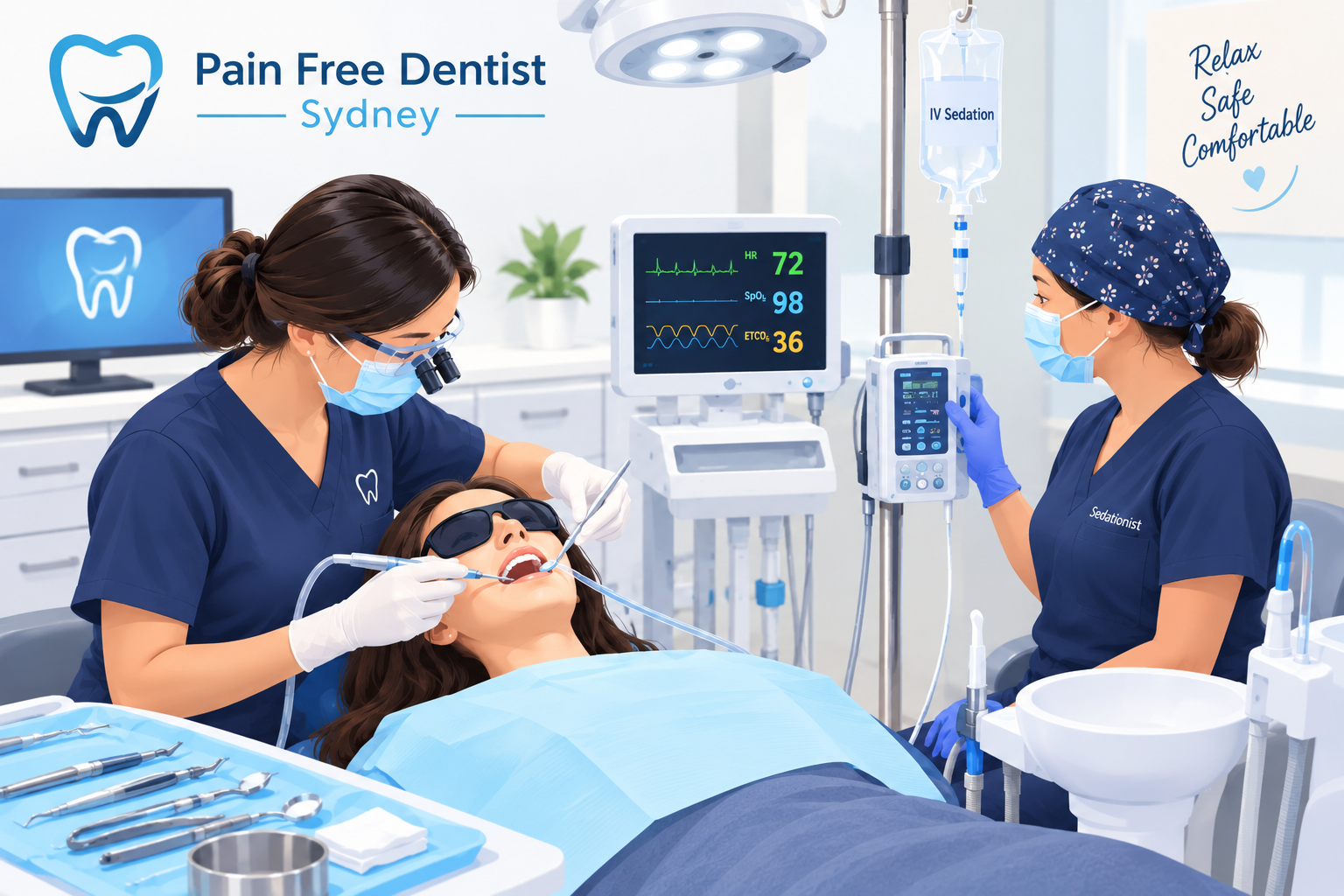
IV sedation involves administering sedative medication through a vein.
It can provide a deeper level of sedation than some other conscious sedation techniques, depending on the medication and dosing.
Patients may feel very relaxed and may have limited recall of parts of the procedure.
Although patients may remain responsive during conscious IV sedation, it requires appropriate training, monitoring, patient selection and emergency preparedness.
IV sedation can be particularly valuable for selected patients undergoing longer or more complex dental procedures.
Is Dental Sedation Safe?
When properly planned and administered by appropriately qualified and trained practitioners, dental sedation can be a valuable option for suitable patients.
However, sedation is not risk-free.
Before treatment, a thorough assessment is important. This may include:
Medical history
Current medications
Allergies
Previous reactions to sedation or anaesthesia
Relevant medical conditions
Airway and breathing considerations
Sleep apnoea risk
Planned dental procedure
Appropriate fasting requirements, where applicable
During sedation, the patient's level of consciousness and physiological status must be monitored according to the sedation technique and applicable clinical guidelines.
Patients must also receive appropriate recovery instructions and discharge arrangements.
For patients with obstructive sleep apnoea or other respiratory concerns, sedation requires particular consideration because sedative medications may affect breathing and airway protection.
Not every patient is suitable for every form of sedation.
Dental Sedation and Sleep Apnoea: An Important Consideration
Patients with obstructive sleep apnoea may have an increased risk of airway obstruction during sedation.
This is particularly important because sedative medications can reduce upper airway muscle tone and affect the body's normal protective responses.
For this reason, patients should disclose any history of:
Diagnosed sleep apnoea
Loud snoring
Witnessed pauses in breathing
Use of CPAP
Previous airway difficulties
Significant respiratory conditions
A proper assessment helps determine whether sedation is appropriate, what level of monitoring is required and whether treatment should take place in a different clinical setting.
Patient safety must always come before convenience.
Does Sedation Mean You Will Not Feel Any Pain?
This is a common question.
Sedation helps manage anxiety and produces relaxation, but it is not necessarily a substitute for local anaesthesia.
For most dental procedures, local anaesthetic is still used to numb the treatment area and prevent pain.
The combination of appropriate local anaesthesia and sedation can help provide a more comfortable experience for patients who find dental treatment particularly stressful.
The goal is to manage both physical discomfort and emotional distress.
Dental Sedation Can Change the Way You Think About Dentistry
Imagine finally being able to have the dental treatment you have been postponing for years.
Imagine not spending days worrying about your appointment, not feeling overwhelmed by every sound in the dental surgery and being able to receive the care you need in a more relaxed environment.
For many patients, dental sedation is not simply about making one appointment easier.
It can be the beginning of a healthier relationship with dentistry.
When patients feel more comfortable seeking dental care, they may be more willing to attend regular examinations, address dental problems earlier and maintain their oral health.
That can make a meaningful difference to their long-term wellbeing.
Dental Sedation at Pain Free Dentist Sydney
At Pain Free Dentist Sydney, we understand that every patient has a different experience of dental anxiety.
Some patients are comfortable with routine examinations but struggle with lengthy procedures. Others have a severe gag reflex, significant dental phobia or a history of difficult dental experiences.
Our approach is to listen to your concerns, understand your needs and discuss appropriate options to help make dental treatment more comfortable.
We provide dental care for anxious patients and offer sedation options, including IV sedation for appropriately selected patients, subject to clinical assessment and suitability.
Whether you require routine dental treatment, multiple restorations, extractions or dental implant surgery, we want you to feel supported throughout your treatment journey.
You should not have to live with dental problems simply because you are afraid of going to the dentist.
Dental sedation may be the solution that helps you take that first step.
Contact Pain Free Dentist Sydney in Hurlstone Park to discuss your concerns and arrange a consultation.
Because everyone deserves access to dental care without fear becoming a barrier to their health.