Do you wake up with a sore jaw, headaches around your temples or tight facial muscles? Have you noticed that your teeth are becoming shorter, chipped or worn down over time?
You may be experiencing bruxism.
Bruxism refers to repetitive jaw muscle activity involving clenching, grinding or bracing the jaw. It can occur during sleep or while you are awake, sometimes without you even realising it.
For some people, bruxism is relatively mild. For others, persistent jaw muscle activity can contribute to significant discomfort, headaches, tooth damage and temporomandibular joint (TMJ) symptoms.
One treatment option that has gained attention is Botox for bruxism.
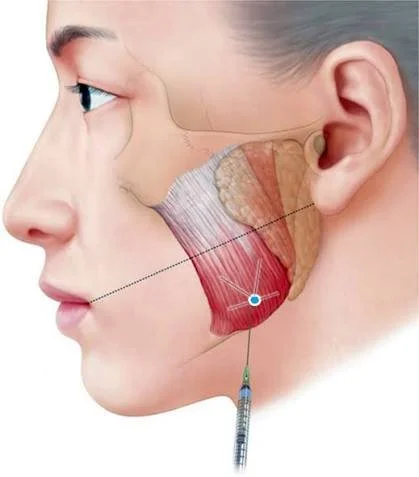
Botulinum toxin injections can help reduce excessive activity in selected jaw muscles, particularly the masseter muscles. For suitable patients, this may help reduce the intensity of clenching and associated muscular discomfort.
But how does it work, who may benefit and is Botox the right treatment for your teeth grinding?
Let's explore.
What Is Bruxism?
Bruxism is a condition involving repetitive activity of the jaw muscles.
There are two commonly recognised forms:
Sleep bruxism
This occurs during sleep and may involve rhythmic or sustained jaw muscle activity, including teeth grinding and clenching.
Patients may not be aware that they are doing it. Often, a partner notices grinding sounds during the night, or the patient wakes up with jaw soreness and headaches.
Awake bruxism
This occurs while a person is conscious and may involve clenching, bracing or holding the jaw muscles in a tense position.
It is often associated with concentration, stress, anxiety or certain habitual behaviours.
Both forms can contribute to excessive muscular loading, although their underlying mechanisms are not identical.
What Happens When You Grind or Clench Your Teeth?
Your jaw contains powerful muscles that allow you to chew, speak and move your lower jaw.
The masseter muscle, located at the side of the jaw, is one of the primary muscles responsible for closing the mouth. The temporalis muscle, located around the temples, also contributes to jaw closure.
When these muscles are repeatedly activated, some people experience:
Jaw muscle soreness
Facial tension
Headaches around the temples
Morning jaw stiffness
Tooth wear and flattening
Cracked or fractured teeth
Broken fillings and dental restorations
Jaw fatigue
Increased discomfort associated with TMJ disorders
Over time, excessive loading can place considerable demands on the teeth, muscles and supporting structures.
However, not everyone who grinds their teeth develops pain or dental damage. The severity and consequences vary considerably.
How Does Botox Work for Bruxism?
Botox is a brand name for a preparation of botulinum toxin type A.
When administered into selected muscles, botulinum toxin temporarily reduces the release of acetylcholine, a chemical messenger responsible for activating muscle contraction.
For bruxism management, injections are commonly directed into the masseter muscles and, in selected cases, other muscles such as the temporalis.
The objective is to reduce excessive muscle contraction and the intensity of clenching forces.
Importantly, Botox does not completely switch off the jaw muscles. The aim is to reduce excessive activity while preserving the muscle function needed for everyday activities such as chewing and speaking.
What are the potential benefits?
For appropriately selected patients, Botox may:
Reduce the intensity of jaw clenching.
Reduce masseter muscle tension and tenderness.
Help manage certain types of jaw-related muscle pain.
Reduce the forces generated during some episodes of clenching.
Help patients who experience muscular discomfort associated with bruxism.
Some patients may also notice a reduction in the bulk of their masseter muscles over time.
However, Botox does not necessarily stop sleep bruxism itself. It may reduce muscle contraction without eliminating the underlying sleep-related activity.
Can Botox Prevent Tooth Damage?
This is an important consideration.
Repeated clenching and grinding can contribute to progressive tooth wear, fractures, restoration failure and sensitivity.
By reducing the strength of contraction in selected jaw muscles, Botox may reduce some of the mechanical forces acting on the teeth.
However, it should not be considered a guaranteed method of preventing tooth damage.
A comprehensive bruxism management plan may also include:
Assessment of tooth wear and fractures
Custom occlusal splint therapy when indicated
Identifying awake clenching habits
Behavioural strategies to reduce unnecessary jaw muscle activity
Reviewing sleep quality and possible sleep disorders
Addressing contributing medications or medical conditions where relevant
Botox is best considered one possible component of a broader management strategy.
Botox for Bruxism and TMJ Disorders: What Is the Connection?
Bruxism and temporomandibular disorders (TMD) can occur together.
Some patients with jaw muscle pain, headaches and facial tension also report frequent clenching or grinding.
However, not all TMJ disorders are caused by bruxism. TMD can involve the jaw joint itself, the surrounding muscles or a combination of both.
Botox may be considered in selected patients where excessive muscle activity is contributing to muscular symptoms.
It is less likely to address problems primarily involving joint inflammation, internal joint derangement or degenerative joint changes.
This is why a proper TMJ assessment is important before deciding whether Botox is appropriate.
The goal is to identify whether the patient's symptoms are predominantly muscular, joint-related or multifactorial.
How Long Does Botox for Bruxism Last?
The effects of botulinum toxin are temporary.
Patients may begin noticing changes in muscle activity within several days, with the full effect generally developing over approximately two weeks.
The duration varies depending on the individual, dosage, injection sites and muscle characteristics.
Many patients experience effects lasting approximately three to four months, although this varies.
Repeated treatment should not be automatic. The benefits, duration of response, side effects and potential long-term effects should be reviewed before considering further injections.
Are There Any Risks or Side Effects?
Like all medical treatments, Botox has potential risks.
Possible side effects include:
Temporary injection-site discomfort or bruising
Localised muscle weakness
Chewing fatigue or reduced chewing strength
Asymmetry of the smile
Changes in facial contour
Unintended effects on nearby muscles
Repeated injections may cause reduction in masseter muscle bulk. There are also concerns about possible effects on the mandibular bone with repeated or higher-dose treatment, although the clinical significance and long-term implications in humans are not fully established.
For this reason, treatment should be carefully planned and conservative.
Patients should not assume that stronger doses produce better results. The objective is appropriate symptom management while preserving normal jaw function.
Is Botox for Bruxism Suitable for Everyone?
No.
Botox may be worth considering for patients with persistent, clinically significant jaw muscle symptoms who have not achieved sufficient relief with appropriate conservative management.
It may be less suitable for patients whose main problem is joint-related rather than muscular.
A comprehensive assessment should consider:
Jaw muscle tenderness and function
TMJ symptoms
Tooth wear and dental damage
Previous splint therapy
Medical history and medications
Pregnancy or breastfeeding
Neuromuscular conditions
Previous response to botulinum toxin
Possible sleep-related breathing disorders
Patients with suspected obstructive sleep apnoea may require additional assessment, particularly when sleep bruxism is also present.
Why Botox Should Not Be the Only Treatment for Bruxism
One of the most important things to understand is that bruxism is not simply a problem of having strong jaw muscles.
Sleep bruxism is associated with complex neurological and sleep-related mechanisms. Awake bruxism may involve behavioural and psychological factors, including stress and concentration.
Other contributing factors may include sleep disturbances, certain medications and coexisting conditions.
Simply weakening the masseter muscles does not necessarily address these underlying factors.
For this reason, we believe in looking at the entire clinical picture rather than relying on injections alone.
Depending on the patient's needs, management may involve dental splint therapy, behavioural strategies, physiotherapy, assessment of sleep-related concerns and other appropriate interventions.
Botox for Bruxism at Pain Free Dentist Sydney
At Pain Free Dentist Sydney, we understand that persistent teeth grinding and jaw clenching can affect much more than your teeth.
Patients may experience headaches, facial muscle tension, jaw discomfort, damaged restorations and reduced quality of life.
Our approach is to assess the patient's jaw function, muscles, teeth and relevant medical history before discussing appropriate treatment options.
For selected patients, Botox may form part of an individualised approach to managing excessive jaw muscle activity.
We focus on understanding the underlying concerns, explaining the available options and helping patients make informed decisions about their care.
You do not have to ignore persistent jaw tension, headaches or the damage caused by excessive teeth grinding.
If you are experiencing bruxism, jaw clenching, facial muscle pain or TMJ symptoms, contact Pain Free Dentist Sydney in Hurlstone Park to arrange an assessment.
Our goal is not simply to relax your jaw muscles. It is to help you achieve better comfort, function and quality of life.