Does the Thought of Going to the Dentist Make You Anxious?
For some people, visiting the dentist is a routine part of looking after their health. For others, even making an appointment can feel overwhelming.
Perhaps you had a painful dental experience as a child. Maybe you feel panicked when you hear the sound of a dental drill, dread the thought of an injection, or struggle with a sensitive gag reflex. You might even have postponed treatment for years because your fear feels impossible to overcome.
If this sounds familiar, you are not alone. Dental anxiety is real, and you do not have to feel embarrassed about it.
At Pain Free Dentist Sydney, we understand that helping someone feel comfortable in the dental chair involves more than simply treating their teeth. It means listening to their concerns, understanding their fears and exploring ways to make dental care more manageable.
One option that may help eligible patients is sedation dentistry.
What Is Dental Sedation?
Dental sedation involves using medication to reduce anxiety and help patients feel more relaxed during dental treatment. Depending on the technique used, sedation can range from mild relaxation to a deeper level of sedation.
It may be considered for patients who experience significant dental anxiety, have difficulty tolerating treatment, possess a strong gag reflex or require lengthy or complex dental procedures.
An important distinction is that sedation is not the same as local anaesthetic. Sedation helps manage anxiety and awareness, while local anaesthetic is used to numb the treatment area and control pain. Depending on the procedure, both may be needed.
The appropriate approach depends on your medical history, anxiety level, planned treatment and individual circumstances.
Who Might Benefit from Sedation Dentistry?
You do not need to wait until your dental problems become severe before discussing your fears with a dentist.
Sedation may be worth exploring if you:
Experience intense fear or anxiety before dental appointments.
Have avoided dental treatment because of a previous traumatic or uncomfortable experience.
Feel distressed by needles, injections or dental instruments.
Have a strong gag reflex that makes impressions or treatment difficult.
Find it difficult to remain comfortable during lengthy procedures.
Need several teeth treated and would like to discuss suitable treatment arrangements.
Feel embarrassed about the condition of your teeth after years away from the dentist.
Every patient is different. Some people can manage their anxiety with a gentle approach, clear explanations and shorter appointments. Others may benefit from medication or a formal sedation plan.
The first step is finding out what is appropriate for you.
What Types of Dental Sedation Are Available?
The term “sleep dentistry” is often used when people search online for sedation. However, not every sedation technique makes you sleep or lose consciousness.
1. Nitrous oxide sedation
Nitrous oxide, sometimes called happy gas, is inhaled through a small mask and can help reduce anxiety. Patients generally remain conscious and responsive.
It may be suitable for certain patients who need help feeling more relaxed during dental treatment. Its availability and suitability depend on the dental practice and the individual patient.
2. Oral sedation
Oral sedation involves medication taken by mouth when prescribed and directed by the treating practitioner.
It may help reduce anxiety, but its effects can vary between individuals. Patients may feel drowsy, and appropriate supervision, transport arrangements and post-treatment instructions are important.
Never take sedative medication before a dental appointment unless it has been specifically prescribed or directed for you.
3. Intravenous (IV) sedation
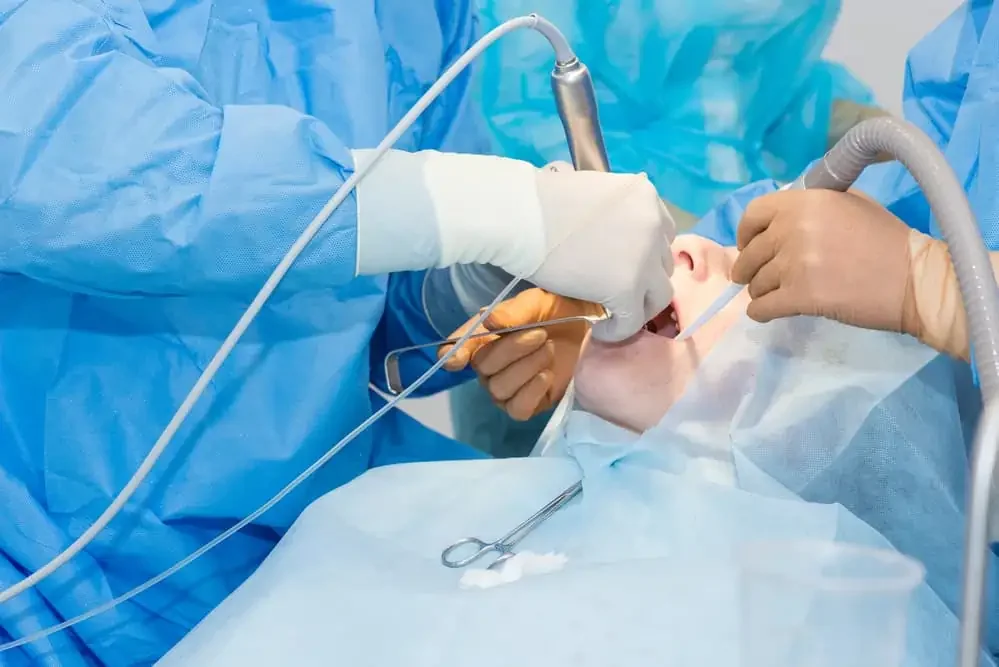
IV sedation involves administering medication through a vein to achieve a controlled level of sedation. It may be considered for selected patients who experience significant anxiety or require more involved dental treatment.
During conscious or moderate sedation, patients generally remain responsive to verbal instructions or appropriate stimulation, although their awareness and memory of the procedure may be reduced.
IV sedation requires appropriate patient assessment, qualified practitioners, monitoring and safety arrangements. Your dentist and sedation provider will explain what to expect before treatment.
4. General anaesthesia
General anaesthesia is different from conscious sedation. It involves a controlled state of unconsciousness and is generally provided in an appropriately equipped hospital or day-surgery setting.
It may be considered for selected patients when the nature of the treatment or the patient's circumstances make other approaches unsuitable.
Not every patient needs general anaesthesia, and it is not automatically the best option for severe dental anxiety.
Is Sedation Dentistry Completely Pain-Free?
This is one of the most common questions anxious patients ask.
Sedation can help reduce fear, distress and awareness of the procedure, but it does not guarantee that you will feel absolutely nothing or remember nothing afterwards.
Local anaesthetic is commonly used when required to numb the area being treated. Your dentist should discuss pain-control measures with you as part of your treatment plan.
At Pain Free Dentist Sydney, our aim is to understand what makes dental treatment difficult for you and discuss practical ways to improve your comfort. This may include additional time, clear communication, breaks, appropriate numbing techniques or sedation where suitable.
You should never feel that you have to hide your anxiety or simply endure a procedure without discussing your concerns.
What If You Have a Strong Gag Reflex?
A sensitive gag reflex can make even routine dental procedures challenging. Dental impressions, instruments near the back of the mouth and certain treatment positions may trigger an uncomfortable response.
Some patients become so worried about gagging that they avoid appointments altogether.
Depending on the cause and severity, strategies may include adjusting your position, using alternative impression techniques where appropriate, taking breaks, explaining each step before proceeding and considering sedation if clinically suitable.
A strong gag reflex does not automatically mean you need sedation. An assessment can help identify the most appropriate approach for your needs.
Does Dental Sedation Mean You Can Have Everything Done in One Visit?
Sometimes, sedation can make longer appointments more manageable, and certain treatments may be combined when clinically appropriate.
However, not every procedure can or should be completed in one session. The amount of treatment required, your medical history, the complexity of the work and your ability to recover safely all influence the treatment plan.
A comprehensive assessment helps your dental team determine what can reasonably be achieved and whether treatment should be divided into stages.
Your comfort matters, but so do safety, clinical outcomes and appropriate recovery time.
Is Dental Sedation Safe?
Sedation is used in dentistry to help appropriate patients receive treatment, but it is not risk-free.
Before recommending sedation, the treating team should review your medical history, current medications, allergies, relevant health conditions and any previous reactions to anaesthesia or sedation.
The level of sedation, the provider's qualifications, monitoring requirements and recovery arrangements are also important considerations. Certain medical conditions or medications may affect which options are suitable.
Always follow the instructions provided before your appointment. These may include specific directions about eating, drinking, medications and arranging for someone to accompany you home.
Your dental team should explain the proposed technique, its benefits, limitations, risks and alternatives before you decide whether to proceed.
Why Choose Pain Free Dentist Sydney for Dental Anxiety?
At Pain Free Dentist Sydney, we recognise that every patient's experience of dentistry is different.
For some, the greatest concern is pain. For others, it is the feeling of losing control, a previous traumatic experience, difficulty keeping their mouth open or an overwhelming fear of what might happen during treatment.
Our approach focuses on understanding those concerns rather than judging them.
We aim to provide a supportive environment where patients can discuss their anxiety, understand their treatment options and make informed decisions about their dental care.
We also understand that dental anxiety can lead to years of avoidance. If you have delayed treatment and are worried about being criticised for the condition of your teeth, you can raise those concerns with us before proceeding.
Sedation options and suitability should be discussed with the clinical team before booking any procedure that requires them.
You Do Not Have to Let Dental Fear Control Your Oral Health
Avoiding the dentist can feel like a relief in the short term, but untreated dental problems may become more complex over time.
The good news is that there are different ways to approach dental care, and sedation is one option that may help selected patients move forward.
You do not need to explain everything perfectly or commit to treatment before asking questions. Start by telling your dentist what worries you most.
Whether it is fear of needles, a strong gag reflex, a previous unpleasant experience or anxiety about extensive dental work, understanding your concerns is an important first step.
Looking for Dental Sedation in Sydney's Inner West?
If dental anxiety has been preventing you from seeking care, contact Pain Free Dentist Sydney to discuss your concerns and arrange an assessment.
Pain Free Dentist Sydney
Address: Suite 1A, 570 New Canterbury Road, Hurlstone Park NSW 2193
Phone: 02 9558 8988
Email: info@painfreedentistsydney.com.au
Website: https://painfreedentistsydney.com.au
The suitability of sedation depends on an individual clinical assessment. Information in this article is general in nature and does not replace professional dental or medical advice.