
Could Your Sleep Problems Be Connected to Jaw Pain?
Do you wake up with a sore jaw, morning headaches or tight facial muscles? Do you snore loudly, grind your teeth or feel exhausted even after a full night's sleep?
These symptoms can have different causes, but sometimes sleep-related breathing problems and temporomandibular disorders (TMD) occur together.
Understanding the possible connection between sleep apnea and TMJ problems can help you recognise warning signs and seek the right assessment.
At Pain Free Dentist Sydney in Dulwich Hill, we encourage patients with jaw discomfort and possible sleep-related symptoms to explore appropriate assessment and management options.
What Is Sleep Apnea?
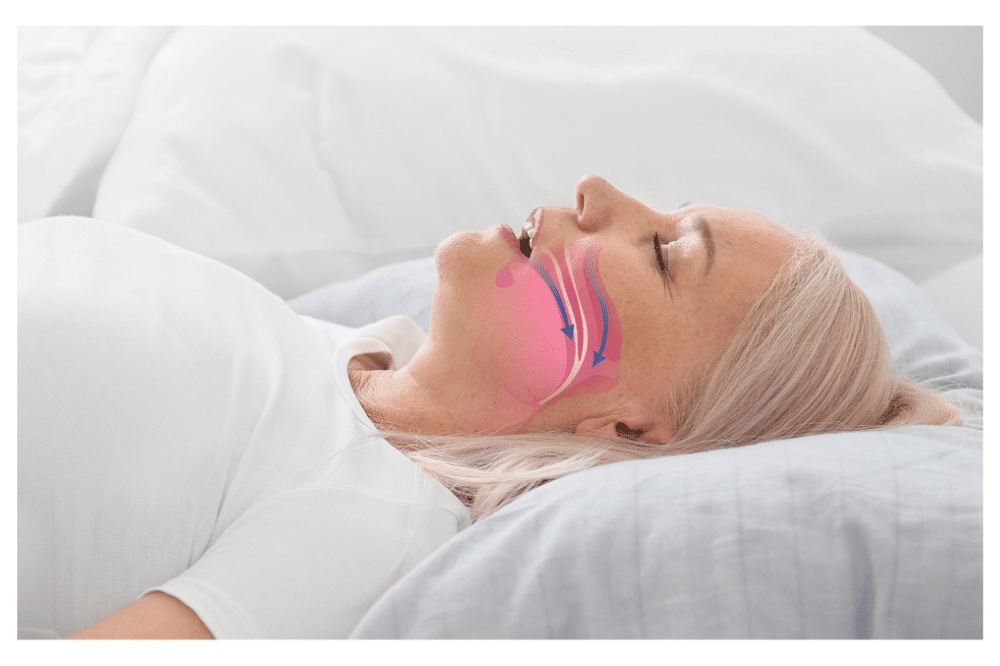
Obstructive sleep apnea (OSA) is a sleep-related breathing disorder in which the upper airway repeatedly narrows or becomes blocked during sleep. This can interrupt normal breathing, reduce sleep quality and sometimes lower blood oxygen levels.
Common signs and symptoms include:
Loud, persistent snoring
Pauses in breathing noticed by a partner
Waking up gasping or choking
Morning headaches
Dry mouth on waking
Daytime fatigue or excessive sleepiness
Difficulty concentrating or feeling refreshed after sleep
Not everyone with sleep apnea snores, and snoring alone does not confirm a diagnosis. If you suspect sleep apnea, speak with your GP or an appropriately qualified sleep physician about assessment and sleep testing.
What Are TMJ Problems?
The temporomandibular joints (TMJs) connect your lower jaw to your skull. Temporomandibular disorders (TMD) are conditions affecting these joints, the chewing muscles and associated structures.
Symptoms may include:
Jaw pain or tenderness
Clicking or popping when opening the mouth
Tight or tired chewing muscles
Headaches around the temples
Facial discomfort
Difficulty opening the mouth fully
Jaw locking or discomfort when chewing
Some people experience clicking without pain, which does not necessarily require treatment. Persistent pain, locking or restricted movement should be assessed.
Is There a Connection Between Sleep Apnea and TMJ Disorders?
Sleep apnea and TMD are different conditions, but they can coexist. The relationship is complex, and having one condition does not automatically mean you will develop the other.
1. Teeth Grinding During Sleep
Sleep-related bruxism involves rhythmic or sustained activity of the jaw muscles during sleep. It may occur alongside sleep-disordered breathing, although the relationship is not fully understood.
Some people who grind their teeth experience tooth wear, jaw muscle tenderness or morning discomfort. However, grinding does not necessarily indicate sleep apnea, and sleep apnea does not always cause grinding.
2. Morning Headaches and Jaw Discomfort
Morning headaches can occur for several reasons, including sleep apnea, muscle tension and other headache disorders.
If you also wake with jaw soreness or facial tenderness, an assessment can help determine whether your symptoms may be related to TMD, sleep disruption or another condition.
3. Poor Sleep and Pain Sensitivity
Repeated interruptions to sleep can affect daytime functioning and how the body processes pain. For someone already experiencing TMD, poor sleep may contribute to increased discomfort or difficulty managing symptoms.
This does not mean sleep apnea is necessarily the cause of your jaw pain. Both problems may need to be assessed separately.
4. Jaw Position and the Upper Airway
The position of the lower jaw can influence the space available in the upper airway in some people. This is one reason certain dental appliances are used to manage obstructive sleep apnea.
However, jaw position alone cannot diagnose sleep apnea, and not every patient with jaw pain has an airway problem.
Can a Dentist Help With Sleep Apnea and TMJ Problems?
A dentist can assess oral health, jaw function and certain features that may be relevant to your symptoms. Depending on the findings, further medical assessment or referral may be recommended.
Management may involve different approaches for each condition.
For suspected sleep apnea:
Assessment by a GP or sleep physician
Appropriate sleep testing
Continuous positive airway pressure (CPAP) when indicated
A custom mandibular advancement device for suitable patients with diagnosed obstructive sleep apnea
Follow-up to assess treatment effectiveness and oral side effects
For TMD symptoms:
Jaw relaxation and habit awareness
Temporary dietary adjustments during painful episodes
Individualised jaw exercises or physiotherapy
Assessment of teeth grinding and contributing factors
A suitable occlusal splint for selected patients
Further investigation or referral when indicated
A mandibular advancement device for sleep apnea is different from a standard TMJ splint. It holds the lower jaw in a forward position during sleep and can cause dental or jaw discomfort in some patients. Careful selection and follow-up are important, particularly for anyone with existing TMD symptoms.
A standard TMJ splint should not be assumed to treat sleep apnea.
When Should You Seek an Assessment?
Consider seeking advice if you regularly wake with jaw pain or headaches, experience persistent jaw locking, or notice that your jaw symptoms are affecting eating and daily activities.
If you snore loudly, wake up gasping, or experience excessive daytime sleepiness, discuss possible sleep apnea with your GP. Untreated sleep apnea can have significant health consequences.
If you experience both sleep-related symptoms and jaw discomfort, let your healthcare professionals know about both. Coordinated care may help ensure that each condition receives appropriate attention.
Sleep and Jaw Health at Pain Free Dentist Sydney
At Pain Free Dentist Sydney in Dulwich Hill, we understand that jaw discomfort can affect daily comfort and quality of life.
Dr Lee San Chong assesses patients with symptoms associated with temporomandibular disorders and can discuss appropriate dental management options based on individual clinical findings.
If you have jaw pain, clicking, teeth grinding or morning facial discomfort, arrange an assessment to discuss your symptoms. If sleep apnea is suspected, medical evaluation and appropriate sleep testing are essential.
Contact Pain Free Dentist Sydney
Location: Dulwich Hill, Sydney
Phone: 02 9558 8988
This article provides general information and is not a substitute for individual dental or medical advice. Sleep apnea requires appropriate diagnosis, and TMD treatment should be tailored to the patient's clinical findings.