
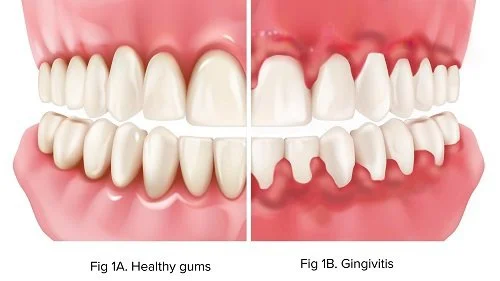
Do your gums bleed when you brush your teeth? Have you noticed persistent bad breath, swollen gums or gums that appear to be pulling away from your teeth?
These symptoms may be early warning signs of gum disease, a common oral health condition that can affect people of all ages.
Gum disease often develops gradually, and it may not cause significant pain in its early stages. Without appropriate treatment, however, it can damage the tissues and bone supporting your teeth, potentially leading to loose teeth and tooth loss.
The good news is that early detection and appropriate dental care can help manage gum disease and protect your long-term oral health.
At Pain Free Dentist Sydney, we believe understanding the signs of gum disease is an important step towards maintaining a healthy smile.
What Is Gum Disease?
Gum disease, also known as periodontal disease, is an inflammatory condition affecting the gums and the supporting structures around the teeth.
It commonly develops when plaque, a sticky film containing bacteria, accumulates around the teeth and along the gumline.
If plaque is not adequately removed, it can harden into tartar, which cannot be removed through ordinary brushing alone. The resulting bacterial deposits can contribute to inflammation and damage to the surrounding tissues.
Gum disease generally occurs in two main stages: gingivitis and periodontitis.
1. Gingivitis: The Early Stage of Gum Disease
Gingivitis is inflammation of the gums without the bone loss that characterises periodontitis.
Common symptoms include:
Red or swollen gums
Bleeding when brushing or flossing
Tenderness around the gumline
Persistent bad breath
At this stage, the damage is generally reversible with effective plaque control and appropriate professional care.
Early treatment can help prevent gingivitis from progressing to more serious periodontal disease.
2. Periodontitis: Advanced Gum Disease
When inflammation progresses and damages the tissues supporting the teeth, the condition is known as periodontitis.
The supporting bone and periodontal ligament may gradually deteriorate, creating pockets between the gums and teeth. These pockets can harbour bacteria and become increasingly difficult to clean.
Possible signs include:
Receding gums
Teeth appearing longer than before
Persistent bad breath
Spaces developing between teeth
Loose or shifting teeth
Changes in the way your teeth fit together when biting
Periodontitis can cause permanent damage to the supporting structures of the teeth. Although lost bone is not routinely restored through conventional gum treatment, appropriate care can help control the disease and reduce the risk of further deterioration.
What Causes Gum Disease?
Plaque bacteria are the primary cause of most gum disease, but several factors can increase a person's risk.
Poor plaque control: Inadequate brushing and cleaning between the teeth allow plaque to accumulate.
Smoking and tobacco use: Smoking increases the risk of periodontitis and can interfere with healing. It may also mask bleeding, making gum disease harder to recognise.
Diabetes: Poorly controlled diabetes is associated with an increased risk of periodontal disease and can make management more difficult.
Hormonal changes: Pregnancy and certain other hormonal changes can affect the gums' response to plaque.
Genetics: Some people are more susceptible to periodontal destruction despite apparently reasonable oral hygiene.
Certain medications and medical conditions: These may contribute to dry mouth, gum enlargement or other factors that affect periodontal health.
Stress and lifestyle factors: These may influence oral hygiene habits, inflammation and the body's ability to manage disease.
Understanding your individual risk factors helps your dentist recommend an appropriate prevention and treatment plan.
Can Gum Disease Occur Without Pain?
Yes. One of the most concerning aspects of gum disease is that it can progress without causing significant discomfort.
You may have inflammation or even substantial supporting bone loss without experiencing the kind of pain that usually prompts an urgent dental visit.
Bleeding gums are not something to ignore simply because they do not hurt.
If you notice persistent bleeding, swelling, bad breath or gum recession, arrange a dental examination to determine the cause.
How Is Gum Disease Diagnosed?
A gum disease assessment involves more than simply looking at the gums.
Your dentist may assess:
The appearance and condition of your gums
Bleeding and inflammation
Periodontal pocket depths around the teeth
Gum recession and attachment loss
Tooth mobility
Plaque and tartar accumulation
Dental X-rays, when indicated, to evaluate supporting bone levels
These findings help determine whether you have gingivitis, periodontitis or another condition affecting the gums.
The severity and extent of periodontal disease influence the recommended treatment and maintenance schedule.
How Is Gum Disease Treated?
Treatment depends on the type and severity of the disease. The aim is to control the bacterial infection, reduce inflammation, protect the supporting tissues and help you maintain healthy gums.
1. Professional Scale and Clean
A professional dental clean removes plaque and tartar from accessible tooth surfaces and around the gumline.
This is often an important part of managing gingivitis and maintaining periodontal health.
However, a routine clean may not be sufficient for established periodontitis, where deeper deposits are present below the gumline.
2. Deep Cleaning for Periodontitis
Patients with periodontitis may require scaling and root surface debridement, often called deep cleaning.
This involves removing plaque and tartar from below the gumline and cleaning affected root surfaces to help reduce inflammation and periodontal pocket depths.
Treatment may be completed over one or several appointments, depending on the extent of the disease and patient needs.
Local anaesthesia can be used when appropriate to improve comfort.
3. Improving Home Oral Hygiene
Daily plaque control is essential for successful treatment.
Your dentist may recommend:
Brushing twice daily with fluoride toothpaste
Cleaning between your teeth every day using interdental brushes or floss
Using additional oral hygiene products when indicated
Following personalised instructions for cleaning around crowns, bridges or implants
The most effective routine is one you can perform consistently and correctly.
4. Periodontal Maintenance
After active treatment, regular maintenance appointments help monitor gum health and remove deposits that accumulate over time.
The recommended interval depends on your periodontal condition, risk factors and response to treatment. People with a history of periodontitis often need more frequent maintenance than those with healthy gums.
5. Specialist or Surgical Treatment
Some cases of advanced periodontitis require referral to a periodontist or consideration of periodontal surgery.
The aim may be to access deep deposits, manage persistent pockets or address particular defects in the supporting tissues.
Not every patient needs surgery. The decision depends on the response to initial treatment and the remaining periodontal problems.
Can Gum Disease Cause Tooth Loss?
Yes. Advanced periodontitis can destroy the bone and connective tissue that hold teeth in place.
As support decreases, teeth may become loose, shift position or eventually require removal.
However, a diagnosis of gum disease does not automatically mean you will lose your teeth. Many patients can retain their natural teeth for years with appropriate treatment, good home care and ongoing maintenance.
Seeking treatment early improves the opportunity to control the disease before extensive damage occurs.
Is Gum Disease Linked to General Health?
Research has identified associations between periodontitis and several systemic health conditions, including diabetes and cardiovascular disease.
The relationship with diabetes is particularly well recognised: diabetes can increase susceptibility to periodontal disease, while severe periodontal inflammation may make blood glucose management more difficult.
Researchers continue to investigate the relationships between periodontal disease and other health conditions. An association does not necessarily mean that gum disease directly causes another condition.
Maintaining healthy gums is an important part of overall health, but periodontal treatment should not be promoted as a guaranteed way to prevent or cure systemic diseases.
How Can You Prevent Gum Disease?
Consistent daily care and regular professional assessment are the foundations of prevention.
Brush twice daily using a soft-bristled toothbrush.
Clean between your teeth every day.
Attend regular dental examinations and professional cleans as recommended.
Avoid smoking and tobacco products.
Manage diabetes with appropriate medical support.
Seek advice if you notice bleeding, swelling, gum recession or persistent bad breath.
Remember, healthy gums should not routinely bleed during gentle brushing and cleaning between the teeth.
Frequently Asked Questions About Gum Disease
Can bleeding gums be normal?
Persistent bleeding is not something to ignore. It may indicate gingivitis, periodontitis or another oral health problem and should be assessed by a dental professional.
Can gum disease be reversed?
Gingivitis can generally be reversed with effective plaque control and professional care. Periodontitis can usually be managed, but the bone and attachment already lost are not routinely restored by conventional treatment.
Does gum disease cause bad breath?
Yes. Plaque accumulation, inflammation and periodontal pockets can contribute to persistent bad breath. Other causes are also possible, so an assessment can help identify the source.
Can I treat gum disease at home?
Good brushing and interdental cleaning are essential, but they cannot remove hardened tartar or adequately treat every case of periodontitis. Professional assessment and treatment may be necessary.
How often should I have my gums checked?
This depends on your oral health and risk factors. Your dentist can recommend an appropriate review and maintenance schedule based on your periodontal findings.
Protect Your Gums with Dental Care in Sydney's Inner West
Healthy gums provide the foundation for healthy teeth. If you have bleeding gums, persistent bad breath, gum recession or loose teeth, a dental assessment can help identify the problem and determine the most appropriate next steps.
At Pain Free Dentist Sydney, we aim to provide individualised care and practical advice to help patients maintain their oral health.
Contact Pain Free Dentist Sydney to arrange a dental examination.
📍 Suite 1A, 570 New Canterbury Road, Hurlstone Park NSW 2193
📞 Phone: 02 9558 8988
🌐 Website: https://painfreedentistsydney.com.au
Disclaimer: This article provides general oral health information and is not a substitute for an individual dental examination or professional advice.